TL;DR

Get workout gear delivered free — and shop member deals
- Fast, free delivery on millions of items
- Access to Prime Big Deal Days deals on October 6–7
- Prime Video, Amazon Music and more included
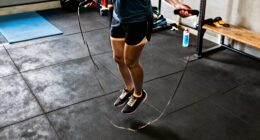
Weighted jump ropes add mass to the handles, rope, or both, which can make your arms and shoulders work harder while you do cardio. They do not automatically burn more calories or beat a regular rope: choose a manageable weight, master relaxed turns, and build workout time gradually.
A jump rope can turn a quiet corner of your home into a workout space, but adding weight changes more than the heft in your hand. Weighted jump ropes for cardio can ask more of your shoulders, forearms, and grip, while the rope’s added momentum can make each turn feel like a slower, heavier beat.
That doesn’t mean heavier is automatically better. Your pace, technique, rest, and total workout time still shape the effort, and a rope that’s too heavy can make smooth jumping harder than with a lightweight speed rope. Here’s how the different styles work, how to choose a beginner-friendly option, and how to build a routine without turning every jump into a shoulder workout.
Weighted handles challenge arm effort while keeping the rope swing relatively light; weighted cables add momentum to each turn.
Choose a rope you can turn smoothly, and add resistance only after basic technique feels comfortable.
Start with short intervals and generous rest, then build total work gradually rather than jumping higher or faster.
Check your clearance, surface, footwear, and form; take recovery time if discomfort or soreness builds.
A heavier rope can increase effort for some people, but it does not guarantee more calorie use or replace strength training.
What Weighted Jump Ropes Change During Cardio
Weighted jump ropes for cardio add mass to the handles, the rope, or both, so turning can demand more effort from your upper body. They can still support vigorous cardiovascular exercise, but the workout’s intensity depends on your pace, technique, rope weight, and how long you keep moving. In short, the rope changes the feel; you still set the effort.
With light handles and a heavier cable, each turn carries more momentum, like swinging a short pendulum instead of flicking a thread. Weighted handles work differently: they load your hands and arms while leaving the rope itself easier to swing. That distinction matters if you want a steady rhythm, because extra rope mass can make timing harder than with a lightweight speed rope.
For example, imagine doing 30-second rounds in a small home workout. A heavier rope might make your forearms tire first, while a regular rope lets you keep a quicker pace. Either can raise your heart rate; the heavier option simply shifts some of the challenge toward controlling the rope.
Research and product specifications vary, so there is no single rope weight or pace that guarantees a stronger cardio effect for everyone. More resistance is not a shortcut: consistent movement and manageable intervals matter more than heft alone. Pick a rope that lets you turn it smoothly, not one that makes every revolution a wrestling match.
As an affiliate, we earn on qualifying purchases.
Choose Handles or a Weighted Rope for the Feel You Want
Weighted handles emphasize arm and shoulder effort while keeping the rope’s swing relatively light; a weighted cable adds momentum to each turn. Neither style is the universal winner. Choose based on whether you want more resistance in your hands or a heavier, more noticeable rope path.
| Style | What feels heavier | Useful for |
|---|---|---|
| Weighted handles | Grip and arm movement | Keeping rope turns relatively easy to control |
| Weighted rope or cable | The swing and each rope turn | Feeling the rope’s rhythm and momentum |
| Adjustable or removable weights | Varies with the setup | Changing resistance as your comfort grows |
| Cordless weighted end balls | Hand movement, without a full rope crossing the floor | Practising in tight spaces, with a different feel |
Current product options also include adjustable ropes, removable weights, and app-connected models that count turns or log sessions. Those features can add convenience, but an app cannot tell you whether you are landing softly or swinging from your shoulders. A cordless design can reduce snags in a cramped room, though its end balls don’t reproduce the timing of a full rope.
Consider a beginner who wants cardio in an apartment: removable weights let them practise with a lighter setup before adding resistance, while a cordless model may suit a low-clearance space. Choose for control and surroundings before chasing extra features. A simple rope that fits your room and your hands can be more useful than a complicated one that stays in a drawer.
As an affiliate, we earn on qualifying purchases.
Pick a Rope You Can Turn Smoothly
Start with a light, manageable rope that allows relaxed, controlled turns; move up in weight only when basic technique feels comfortable. There is no one beginner weight that works for every person, because handle shape, rope material, fitness, and coordination all change how a rope feels. Your first test is simple: can you turn it without hunching or making huge arm circles?
Try the rope for a short practice round before committing to a full workout. If your elbows drift far from your sides, your shoulders shrug, or the rope keeps catching because your turns have become sluggish, the setup may be too demanding. Picture stirring a thick pot with a small spoon: the resistance can be useful, but only if you can keep a steady, comfortable motion.
To compare options, use this quick sequence:
- Check the fit. Follow the maker’s sizing directions and confirm the rope clears your feet without forcing high jumps.
- Try relaxed turns. Keep your elbows near your body and let your wrists do most of the work.
- Test a short round. Jump briefly, then notice whether you can maintain control without gripping the handles too tightly.
- Add mass slowly. Increase resistance only after the lighter setup feels steady and comfortable.
For example, if you can cruise through short rounds with a regular rope but your shoulders tense as soon as you add heavy handles, return to the lighter setup. Smooth control beats a dramatic weight, especially while you are learning. There’s no prize for choosing the heaviest rope on the shelf.
adjustable weighted jump rope handles
As an affiliate, we earn on qualifying purchases.
As an affiliate, we earn on qualifying purchases.
Build a Cardio Routine Without Rushing Your Jumps
Build workout time gradually by starting with short bouts and enough rest to recover your rhythm. Jumping rope can move from easy practice to vigorous intervals, but a heavy rope does not require you to jump faster or higher. Pace, duration, and how consistently you train all influence how demanding a session feels.
For a first session, try a few short intervals—such as 20 seconds of easy jumping followed by 40 seconds of rest—then stop while your technique still feels tidy. The numbers are a starting example, not a universal prescription. If your breathing gets ragged or your timing breaks down, lengthen the rest rather than forcing another round.
After several comfortable sessions, you might gradually add a little work time or reduce rest, changing one thing at a time. For instance, keep the rope and pace the same while adding one short interval. That approach makes it easier to notice whether your legs, breathing, or grip need more recovery. Progress one variable at a time, and treat a smooth session as a better sign than a punishing one.
Jumping rope is repetitive, so daily use may not suit everyone, particularly if you are new to impact exercise. Pay attention to how your feet and lower legs feel during and after training; take recovery time if soreness or discomfort accumulates. If you have a relevant injury or a health condition that affects exercise, seek professional guidance before starting a new routine.
heavy weighted jump rope for beginners
As an affiliate, we earn on qualifying purchases.
As an affiliate, we earn on qualifying purchases.
Protect Your Technique, Feet, and Workout Space
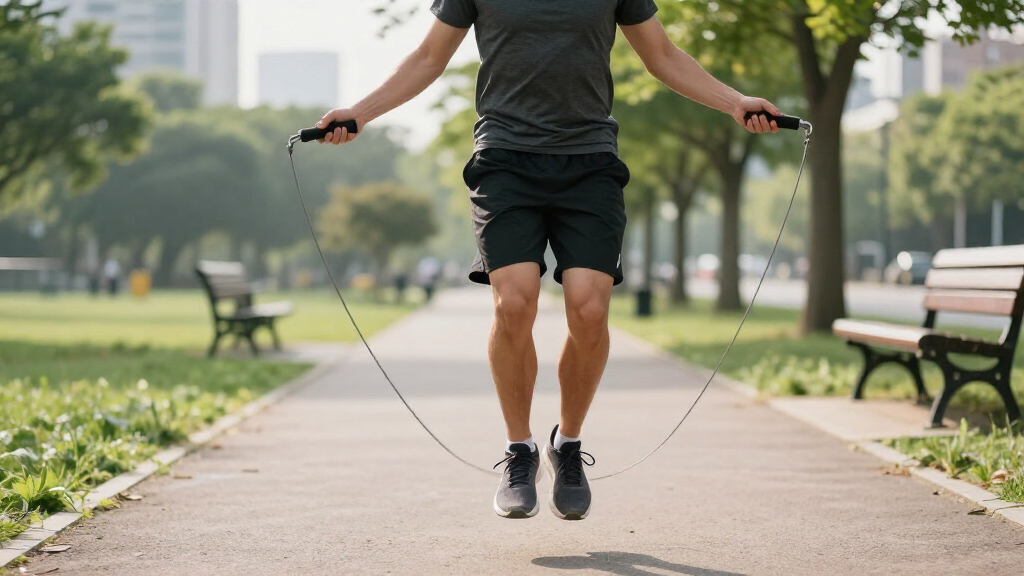
Good technique keeps the movement controlled: hold your elbows near your sides, turn mostly from the wrists, jump only high enough to clear the rope, and land softly. A weighted rope is not a reason to fling your arms or chase bigger jumps. Imagine your wrists drawing small circles while your feet make quiet taps on the floor.
Before you start, check that you have enough clearance around your head and sides, and use a level surface that gives you stable footing. Supportive shoes and a surface with some give may make practice feel more comfortable; avoid slippery floors or hard surfaces that aggravate discomfort. In a small living room, move a chair and lamp before the first turn rather than discovering their locations mid-jump.
Heavier ropes can tempt you to use broad arm swings because the added momentum asks for more control. If your shoulders begin to climb toward your ears or your jumps get high and noisy, pause and reset with a lighter rope or slower pace. Technique sets the ceiling for how useful the resistance can be; if your form falls apart, the added load is no longer helping you practise a steady pattern.
Stop if you feel sharp pain, dizziness, or unusual shortness of breath. Ease back into activity, and seek professional guidance when an injury, health concern, or persistent discomfort affects your exercise choices.
A few minutes spent clearing your floor and checking your rope length can make the session calmer and safer. Your surroundings should support the workout, not surprise you with a snag, a slippery patch, or a coffee table in the landing zone.
Know What a Weighted Rope Can—and Can’t—Do
A weighted rope can make some parts of cardio more demanding, especially turning and holding the handles, but it does not selectively burn fat or guarantee more calories. Calorie use varies with pace, workout duration, body size, and individual effort. The rope weight is one part of the session, not a magic dial that predicts the result.
Weighted handles or a cable can challenge your shoulders, forearms, and grip, but jump-rope work is mainly a conditioning activity. If your goal includes building strength, progressive resistance exercises remain a more direct way to train muscles over time. Think of the rope as a lively drumbeat for your cardio routine, not a replacement for every instrument in the band.
Take two people doing the same number of rounds: one jumps briskly with a light rope, while the other turns a heavier rope slowly and rests more. The second person may feel greater arm fatigue, but that alone does not tell you who used more energy or received the better workout. Effort and consistency matter more than rope weight alone.
Use the rope as one tool in a broader routine that fits your goals, recovery, and preferences. If a comfortable lightweight rope helps you show up three times a week, it may serve you better than a heavy model that makes you dread the next session. Let the workout support your fitness habits; don’t ask the rope to promise a specific body change.
Frequently Asked Questions
Are weighted jump ropes better for cardio than regular ropes?
Not automatically. Weighted ropes can make turning more demanding for your arms and shoulders, while a regular rope often makes it easier to change speed. The better choice is the one you can use with steady technique and repeat consistently.
How heavy should a beginner’s jump rope be?
Choose a light, manageable rope that turns smoothly without making you shrug, grip too hard, or swing from your shoulders. Practise with a basic rope first if you are unsure, then add weight when your control feels comfortable.
Do weighted jump ropes burn more calories?
Rope weight alone does not determine calorie use. Pace, duration, body size, rest, and individual effort all affect how demanding the session is, so a heavier rope does not guarantee a higher calorie burn.
Are weighted jump ropes safe for beginners?
They can suit beginners when the rope is manageable and practice starts gradually. Learning the movement with a light rope can help you build control before adding resistance; use a suitable surface and take recovery time if discomfort develops.
What is the difference between weighted handles and a weighted rope?
Weighted handles place more resistance in your hands and arm movement while keeping the rope’s swing relatively light. A weighted rope adds momentum to each turn, which can make timing and control harder.
Can I use a weighted jump rope every day?
That depends on your experience, recovery, and response to repeated impact. Build up gradually, and take rest days or reduce sessions if soreness or discomfort accumulates; ask a health professional for guidance if an injury or condition affects exercise.
Conclusion
Choose the lightest rope that gives you the workout you want while letting you stay relaxed and in control. Practise short rounds, keep your jumps low and quiet, and add resistance only when your technique stays steady.
A good rope should make you want to come back, not make your shoulders dread the next turn. Let each soft landing set the pace for the next one.
Halloween Picks
halloween
As an affiliate, we earn on qualifying purchases.