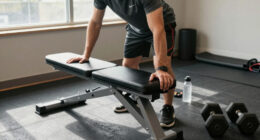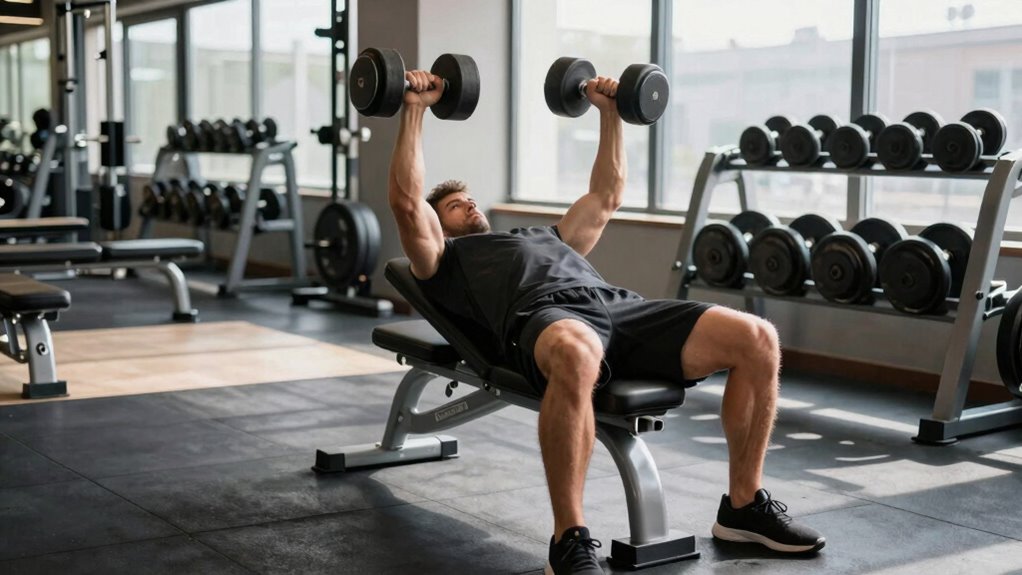

When training alone, always start with warm-up exercises like light cardio or dynamic stretching to prepare your body. Focus on compound movements early in your workout, as they engage large muscle groups safely and efficiently. Sequencing exercises from light to heavy helps prevent injury and maintain proper form. Keep safety gear handy, monitor your form closely, and choose manageable weights to avoid overexertion. Continue exploring these strategies to optimize your solo workouts safely and effectively.

Get workout gear delivered free with Prime
- Fast, free delivery on millions of items
- Prime Video, Amazon Music and more included
- Member-only deals all year
Key Takeaways
- Start with compound movements early to engage large muscles safely before fatigue sets in.
- Warm up thoroughly with light cardio and dynamic stretches to prepare joints and reduce injury risk.
- Prioritize exercises with safety equipment (e.g., safety bars, racks) and ensure proper setup before lifting heavy.
- Perform controlled, slow reps focusing on proper form to prevent accidents and maintain safety throughout the workout.
- Sequence from light to heavy weights to gradually increase load, avoiding sudden strain and overexertion without a spotter.
safety workout gear for solo training
As an affiliate, we earn on qualifying purchases.
As an affiliate, we earn on qualifying purchases.
Why Safe Exercise Sequencing Matters When You Workout Alone
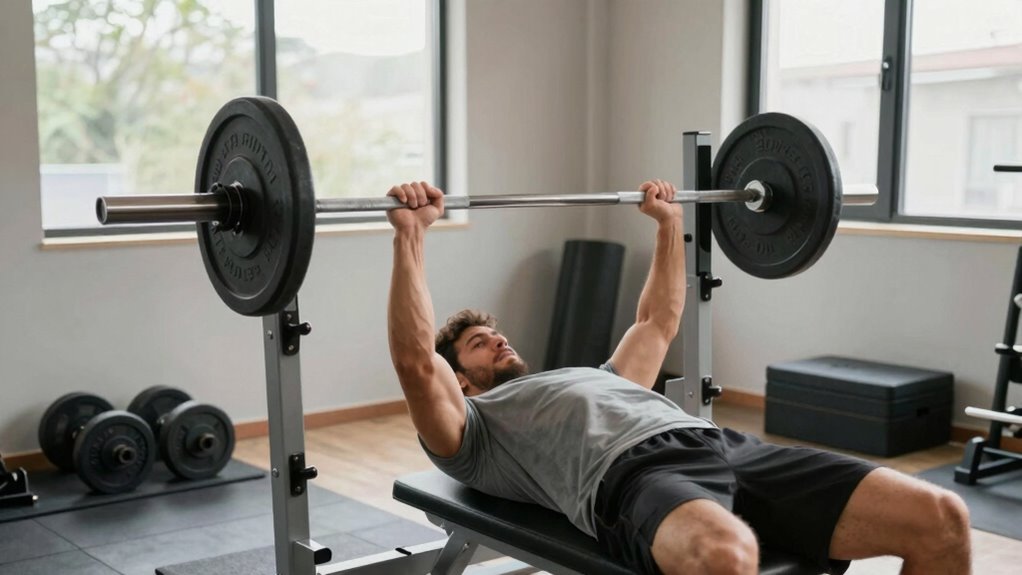
When you work out alone, safe exercise sequencing becomes crucial to prevent injuries and maximize results. Proper workout timing ensures you target muscles effectively without overexerting yourself. Starting with warm-up exercises prepares your body and reduces injury risk. Then, use exercise equipment for compound movements before moving to isolation exercises, allowing for better control and energy management. For example, perform exercises like squats or bench presses early when your strength is highest, and save less demanding movements for later. Sequencing wisely helps avoid fatigue and exhaustion that can lead to poor form or accidents. Incorporating proper exercise sequencing ensures you maintain safety and efficiency throughout your workout. Remember, the order in which you perform exercises directly impacts your safety and progress, especially when no spotter is present. Prioritize thoughtful workout order to keep your workouts safe and efficient. Additionally, understanding exercise progression can help you plan your workouts more effectively, reducing the risk of overtraining or injury. Being aware of training variables allows for better adjustment of workout intensity and volume for safer training sessions.
As an affiliate, we earn on qualifying purchases.
How to Assess Your Goals and Pick Exercises That Are Safe for Solo Workouts
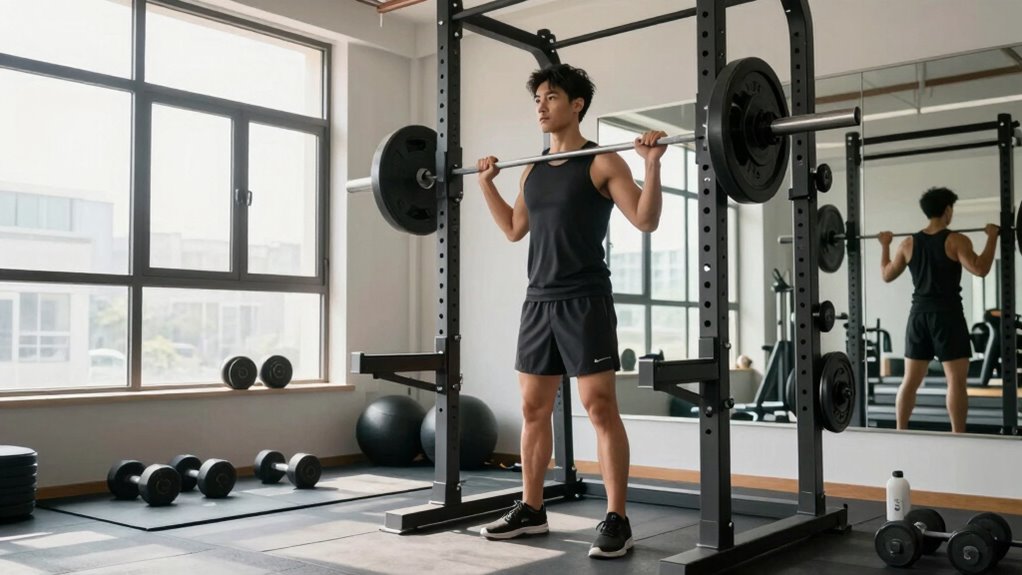
Evaluating your goals is the first step to choosing safe exercises for solo workouts. When your goals align with your exercise selection, you reduce risks and stay motivated. Think about whether you aim for strength, endurance, or flexibility, and select exercises that match these objectives. Equipment selection is vital; choose tools that suit your skill level and space. Use this table to visualize your goals and equipment choices:
| Goal | Exercise Preference |
|---|---|
| Build strength | Deadlifts, push-ups |
| Improve endurance | Circuit training |
| Increase flexibility | Yoga, stretching |
| Tone muscles | Resistance bands |
| General fitness | Bodyweight exercises |
Matching your goals with appropriate exercises ensures safety and progress when working alone.
adjustable weight plates for strength training
As an affiliate, we earn on qualifying purchases.
As an affiliate, we earn on qualifying purchases.
How to Design a Workout Routine That Keeps You Safe From Warm-Up to Cool-Down
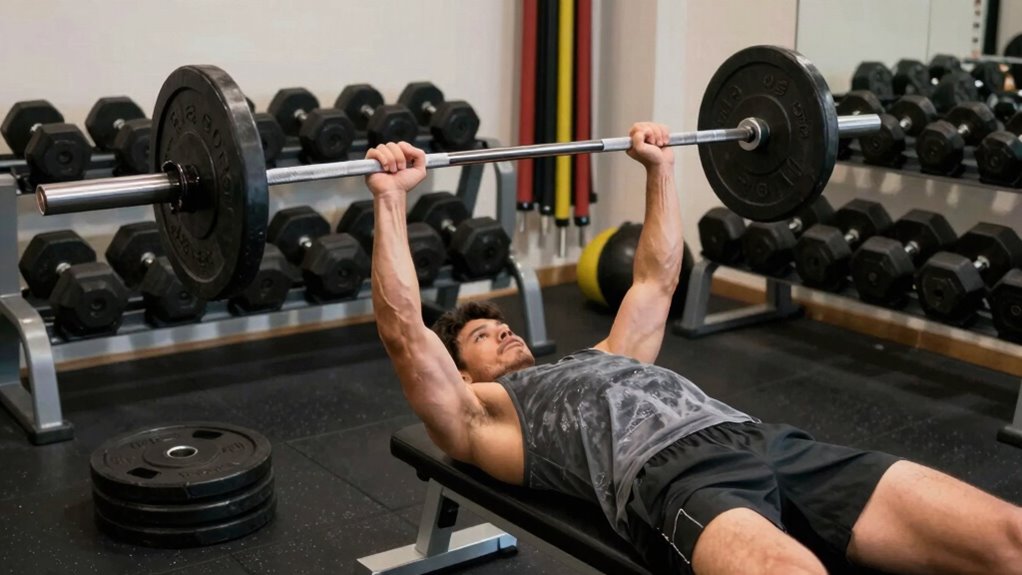
A well-designed workout routine prioritizes safety from start to finish by incorporating a proper warm-up, effective exercises, and a thorough cool-down. Begin with light cardio or dynamic stretches using your exercise equipment to prepare your muscles and increase blood flow. Choose exercises suited to your workout environment, ensuring they’re performed with correct form to prevent injury. During the workout, focus on controlled movements and avoid rushing through reps. Afterward, cool down with gentle stretching to improve flexibility and reduce muscle soreness. Keep your environment safe by removing hazards and ensuring adequate space. Using the right equipment and maintaining a mindful pace help minimize injury risk. Incorporating proper technique and attention to detail into your routine allows you to identify potential risks early and adjust accordingly. A structured approach from warm-up to cool-down keeps you safe and maximizes workout benefits when training solo. Additionally, having the proper DIY tools and safety tips can help you create a safer workout environment at home. Being aware of hazard prevention strategies further enhances your safety during exercise, especially when working without a spotter. Regularly consulting exercise safety guidelines can also reinforce best practices for injury prevention.
fitness safety accessories for beginners
As an affiliate, we earn on qualifying purchases.
As an affiliate, we earn on qualifying purchases.
What’s the Best Exercise Order to Reduce Injury When You’re Training Solo?
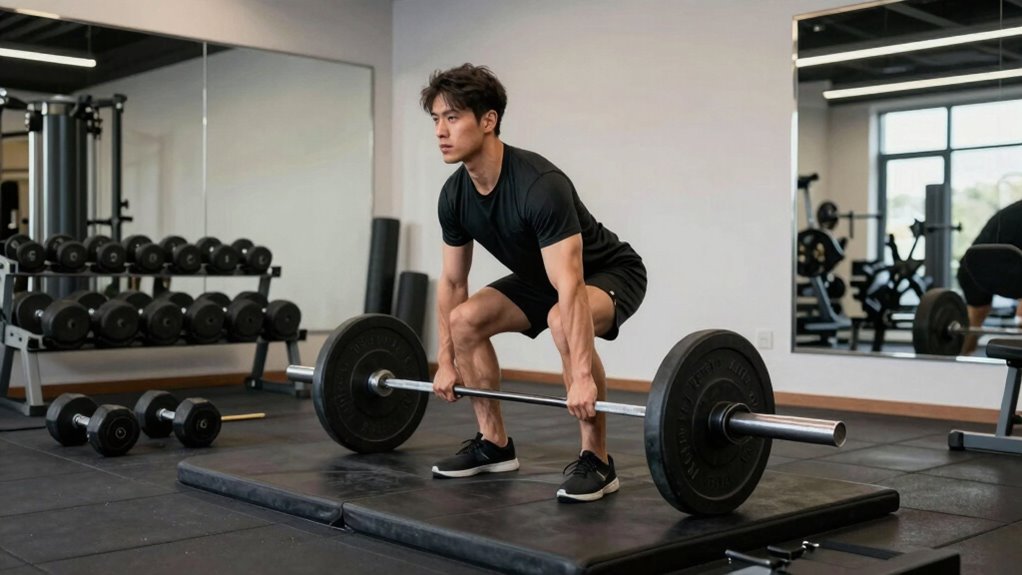
When training alone, choosing the right exercise order can help prevent injuries. Start with compound movements to target multiple muscles first, then move to lighter, isolation exercises. Always sequence from light to heavy to maintain control and reduce strain. Incorporating proper technique and form during each exercise further minimizes injury risk. Additionally, understanding the importance of exercise sequencing can optimize your workout safety and effectiveness. Recognizing the role of workout planning can help you structure sessions that prioritize safety and efficiency.
Prioritize Compound Movements
Prioritizing compound movements early in your workout is essential for minimizing injury risk and maximizing effectiveness when training solo. These exercises engage multiple muscle groups, allowing for proper exercise progression and ensuring you build strength safely. By tackling large, complex lifts first, you reduce the risk of fatigue-related form breakdown later, which can compromise equipment safety. Starting with compound movements also helps you develop a solid foundation before isolating smaller muscles, decreasing the chance of injury from improper technique. Always focus on correct form and controlled movements during these lifts. Once you’ve completed your compound exercises, you can safely move to lighter accessory work. This strategic order keeps your workout efficient and reduces the likelihood of accidents when no spotter is present.
Sequence From Light to Heavy
To minimize injury risk during solo training, organizing your workout from light to heavy exercises is essential. This exercise progression allows your muscles and joints to warm up gradually, reducing strain and preventing injury. Starting with lighter movements prepares your body for more intense work, ensuring proper form and control.
Key points to consider include:
- Prioritize exercises that activate larger muscle groups first
- Gradually increase weight, avoiding sudden jumps
- Focus on proper technique during lighter sets
- Save heavy, high-risk lifts for the end of your session
Following this sequence helps maintain consistent injury prevention, especially when no spotter is available. It ensures your muscles are adequately prepared, minimizing overexertion and potential accidents.
How to Incorporate Spotter-Free Variations Safely and Effectively

When training solo, safety is key, so focus on proper technique to prevent injuries. Always use safety equipment like collars and spotter arms, especially when lifting heavier loads. Incorporating neural interface technology can also enhance your ability to monitor form and technique in real-time, further reducing the risk of injury. Additionally, it is crucial to select manageable weights that challenge you without risking form breakdown or accidents. Being aware of ESOPs and ownership concepts can also help motivate disciplined training routines aimed at long-term success. Regularly assessing your progress ensures that your training remains safe and effective over time.
Prioritize Proper Technique
Even without a spotter, maintaining proper technique is essential to prevent injury and maximize your workout’s effectiveness. Focus on technique refinement to guarantee each movement is controlled and precise. This approach reduces unnecessary strain and promotes injury prevention. To achieve this, consider the following:
- Prioritize controlled, slow reps over heavy, uncontrolled lifts
- Keep your core engaged to stabilize your spine
- Use a full range of motion that suits your flexibility
- Regularly assess your form and make adjustments as needed
Use Safety Equipment
Using safety equipment is essential for maintaining safety during spotter-free lifts, especially when you’re working alone. Properly use safety gear like wrist wraps, lifting belts, and knee sleeves to enhance stability and reduce injury risk. Safety equipment acts as a safety net, allowing you to push your limits while minimizing the chance of accidents. For exercises like squats or bench presses, consider using safety bars or power racks with adjustable safety stops. These features help catch the weight if you struggle during a lift, preventing injury. Always verify equipment is properly positioned and in good condition. Incorporating safety equipment into your routine not only promotes injury prevention but also boosts confidence, enabling you to train more effectively without a spotter. Additionally, understanding different training aids can further improve safety and effectiveness during your workouts. Employing smart lock technology for secure storage of your gear can also ensure easy access and peace of mind when training alone. For added safety, consider using spotter-free training methods, which are designed to minimize risks during solitary workouts.
Choose Manageable Loads
How can you lift safely without a spotter? The key is choosing manageable loads that match your current strength level. This approach allows you to push your limits gradually through progressive overload while minimizing injury risk. To do this effectively, consider these strategies:
- Start with lighter weights to perfect your form before increasing load.
- Incorporate workout variety to target muscles differently and avoid plateaus.
- Use resistance bands or machines for added control and safety.
- Listen to your body; stop if you feel excessive strain or discomfort.
Tips for Monitoring Your Form and Making Adjustments When Working Out Alone
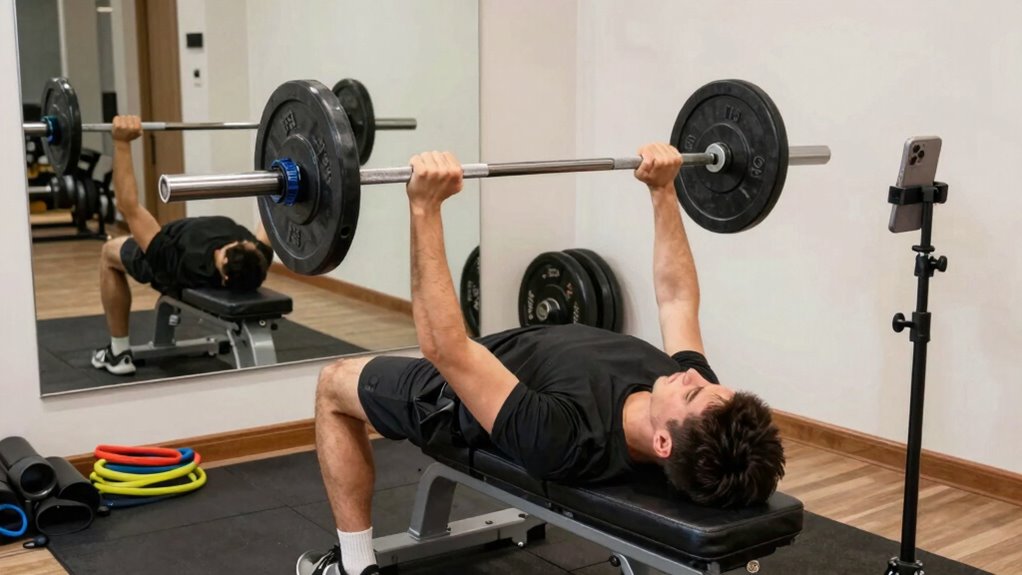
When you work out alone, paying close attention to your form is essential to prevent injuries and maximize results. Regularly observe your technique, using mirrors or recording yourself to guarantee proper alignment. Progress tracking helps you identify when adjustments are needed, so keep a workout journal or app handy. Check your equipment for maintenance issues, like loose bolts or worn pads, to prevent accidents. If something feels off during a movement, don’t hesitate to modify or reduce the weight rather than risking injury. Focus on controlled, deliberate reps, and listen to your body’s signals. Incorporating mental challenges into your routine can also help maintain focus and awareness during exercises. Practicing consistent monitoring helps you develop better self-awareness and enhances overall workout safety. Additionally, paying attention to your exercise environment can prevent unforeseen hazards during your workout sessions.
Frequently Asked Questions
How Do I Know if My Workout Plan Is Too Risky Without a Spotter?
You can tell if your workout plan is too risky without a spotter by doing a risk assessment beforehand. Check safety indicators like using manageable weights, staying within your limits, and having a clear exit plan if you struggle. Avoid exercises that require heavy lifting without support, and always listen to your body. If unsure, reduce the load or modify the exercise to guarantee safety and prevent injury.
What Emergency Procedures Should I Have in Place During Solo Workouts?
During solo workouts, you should have emergency contacts easily accessible and make certain your phone is nearby in case you need help quickly. Keep a well-stocked first aid kit within reach to handle minor injuries promptly. Always inform someone you trust about your workout plans and location. These precautions help you respond effectively if an emergency occurs, ensuring your safety even when you’re working out alone.
Can I Safely Perform Heavy Lifts Without a Spotter?
Sure, you can perform heavy lifts without a spotter, but don’t pretend risk isn’t lurking. Use spotter alternatives like safety bars or power racks, and always do a thorough risk assessment beforehand. Irony? It’s safer to lift lighter weights than to ignore safety protocols just because you’re solo. Prioritize your safety, and remember, even the strongest can falter without proper precautions.
How Often Should I Check My Form When Training Alone?
You should check your form frequently during solo workouts, ideally every few reps or whenever you feel fatigued. Regularly monitoring your exercise frequency helps prevent form breakdown, reducing injury risk. Take a moment between sets to evaluate your posture and technique, making necessary form corrections. This practice guarantees you maintain proper alignment, maximize effectiveness, and stay safe when training alone without a spotter.
Are There Specific Exercises to Avoid When Working Out Solo?
You should avoid exercises that pose high injury risks when working out solo, especially without a spotter. Focus on safe exercise modifications, like using machines instead of free weights, and always wear appropriate safety gear such as gloves or wrist supports. Steer clear of heavy lifts, explosive movements, or exercises requiring complex balance if you’re alone. Prioritize safety and listen to your body to prevent accidents and injuries.
Conclusion
Think of your solo workout as steering a river—you need a clear map and steady oars. Prioritize safe exercise sequencing, listen to your body, and use spotter-free variations wisely. By staying vigilant and adjusting as needed, you guarantee your fitness journey flows smoothly without capsizing. Remember, you’re the captain of this voyage—steer with caution, and enjoy the safe, steady progress ahead.
Fall Picks
fall essentials
As an affiliate, we earn on qualifying purchases.