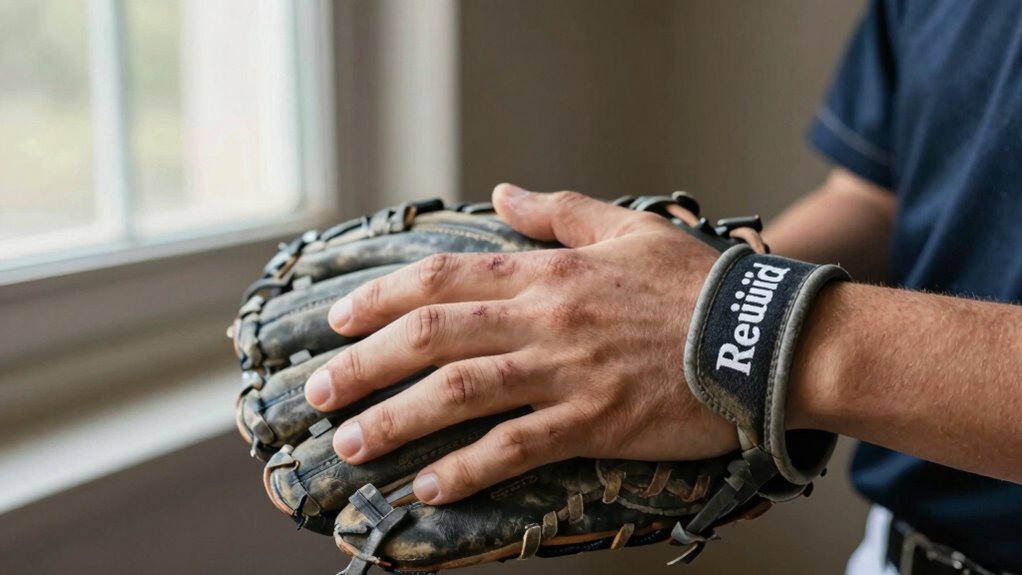

When returning after a minor injury, adopting a “rebuild” approach helps you recover safely. Start with gentle activities like walking or stretching, and gradually increase intensity based on how you feel. Prioritize pain management and listen to your body’s signals, avoiding rushes or shortcuts. Staying patient, disciplined, and focused on progress ensures a stronger recovery without setbacks. Continue exploring these steps to learn how to rebuild confidently and safely.

Get workout gear delivered free — and shop member deals
- Fast, free delivery on millions of items
- Access to Prime Big Deal Days deals on October 6–7
- Prime Video, Amazon Music and more included
Key Takeaways
- Adopt a gradual, step-by-step approach to reintroduce activities, prioritizing safety and avoiding setbacks.
- Manage pain with gentle techniques and monitor signals to prevent overexertion.
- Start with light activities and incrementally increase intensity based on your body’s response.
- Maintain mental resilience by celebrating small progress and staying positive throughout recovery.
- Focus on patience and discipline, ensuring full, safe recovery before resuming pre-injury routines.
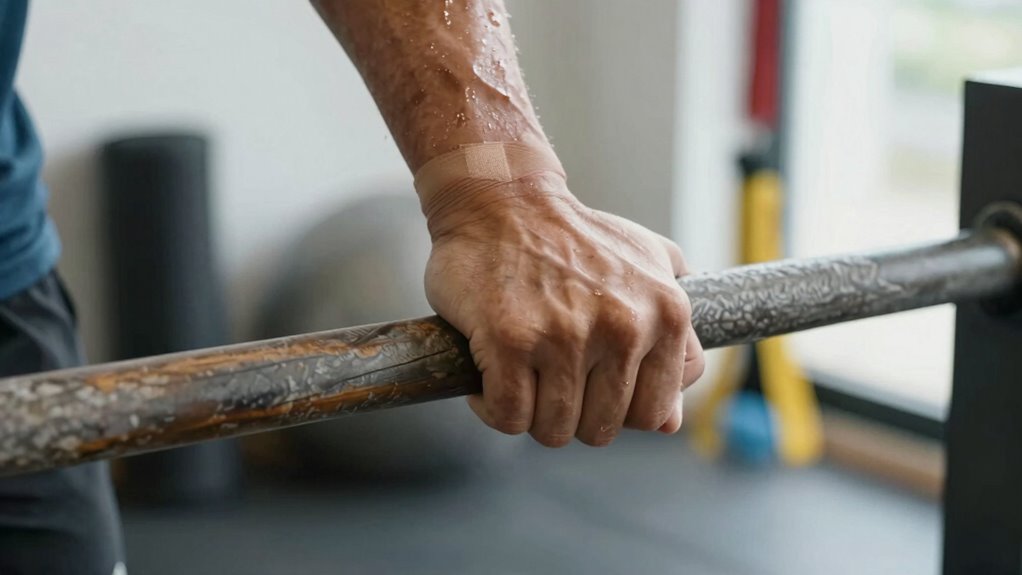
Have you recently experienced a minor injury and are wondering when it’s safe to return to your regular activities? The key lies in understanding the “rebuild” progression concept, which emphasizes a gradual, mindful approach to recovery. This method helps you avoid setbacks by focusing on pain management and strengthening your mental resilience. It’s tempting to rush back into normal routines, but doing so can prolong healing and increase the risk of re-injury. Instead, you should listen to your body and follow a step-by-step process designed to rebuild strength and confidence.
Pain management plays a essential role throughout this journey. Recognizing the difference between discomfort that signals an ongoing injury and minor soreness that indicates progress is fundamental. Use strategies like gentle stretching, ice, elevation, and over-the-counter remedies to keep pain under control without masking pain signals entirely. This way, you stay aware of your limits and prevent pushing too hard too soon. As you progress, gradually increase activity intensity, always paying attention to how your body responds. If pain escalates or persists, it’s a sign to back off and allow more healing time. Respecting these signals ensures you rebuild safely and effectively.
Parallel to physical recovery, mental resilience is equally critical. Minor injuries can shake your confidence and cause frustration, especially when you’re eager to return to normal activities. Building mental resilience involves staying positive, patient, and focused on your recovery milestones. Visualize your progress, celebrate small wins, and remind yourself that healing takes time. Maintaining a positive outlook helps you stay committed to the gradual rebuild process, reducing anxiety or discouragement. It’s normal to feel impatient, but your mental strength will help you stick to your plan and avoid risky shortcuts.
Adopting this “rebuild” progression requires discipline and awareness, but it ultimately leads to a stronger, more resilient recovery. Break your return into manageable phases—start with light activities, like walking or gentle stretching, then slowly introduce more demanding tasks. Keep track of how you feel during each phase, adjusting as needed. Remember, the goal isn’t just returning to pre-injury activity levels but doing so safely and sustainably. As your body heals and your mental resilience strengthens, you’ll find yourself more confident and prepared to fully re-engage with your usual routines.
In the end, patience and careful management are your best allies. Trust the process, prioritize pain management, nurture your mental resilience, and take each step deliberately. This approach minimizes setbacks and ensures you return to your activities not just quickly, but safely and fully recovered.
Additionally, understanding the importance of contrast ratio in visual clarity can help you appreciate how proper recovery and gradual activity resumption relate to overall performance and safety.
injury recovery stretching bands
As an affiliate, we earn on qualifying purchases.
As an affiliate, we earn on qualifying purchases.
Frequently Asked Questions
How Long Does the Rebuild Progression Typically Take?
The rebuild progression usually takes about 4 to 6 weeks, depending on your injury and recovery pace. You’ll work through rehab milestones, gradually increasing activity levels while respecting your injury timeline. It’s important to listen to your body and follow your rehab plan closely. Everyone’s recovery is different, so stay patient and consistent, and you’ll see steady improvements as you rebuild strength and confidence post-injury.
Are There Specific Signs Indicating Readiness to Progress?
You’ll know you’re ready to progress when your muscle fatigue decreases and you can perform movements without pain or discomfort. Mental readiness is also key—if you feel confident and focused, it shows you’re prepared to advance. Pay attention to how your body responds during activity; if you maintain good form and recover quickly, it’s a positive sign. Always listen to your body and consult your healthcare provider if unsure.
Can I Resume All Activities Immediately After Pain Subsides?
No, you shouldn’t resume all activities immediately after pain subsides. Instead, consider your activity intensity and psychological readiness. Gradually increase activity levels, listening for any discomfort, and avoid pushing through pain. Your mental state matters too—feeling confident and prepared helps prevent setbacks. Take small steps, monitor how your body responds, and only progress when you’re comfortable, ensuring a safe and effective return to full activity.
How Do I Prevent Re-Injury During the Rebuild?
To prevent re-injury during the rebuild, focus on maintaining muscle balance by strengthening weak areas and avoiding overuse. Pay attention to your footwear choices, ensuring they provide proper support and cushioning. Listen to your body, and don’t push through pain. Incorporate gradual increases in activity intensity, and consider consulting a professional for personalized guidance. This approach helps protect your injury site and promotes a safe, effective recovery.
Is Professional Supervision Necessary Throughout the Process?
Yes, professional supervision is essential throughout the rebuild process. It guarantees you have proper guidance, emphasizing supervision importance for safe recovery. A professional monitors your progress regularly, adjusting exercises as needed to prevent re-injury. Their expertise helps you stay within safe limits, making progress monitoring more effective. This support boosts your confidence and ensures you’re correctly progressing, ultimately reducing the risk of setbacks during your recovery journey.
As an affiliate, we earn on qualifying purchases.
Conclusion
So, if you follow the “rebuild” progression, you’ll bounce back faster than a superhero after a minor injury! With each step, you’ll be stronger, tougher, and unstoppable—like you’ve got an invincible shield. Don’t rush it; trust the process, and you’ll be back to doing what you love so quickly, it’ll feel like you never left. Remember, this isn’t just recovery—it’s your secret weapon for a comeback so epic, it’ll blow everyone away!
over-the-counter pain relief for minor injuries
As an affiliate, we earn on qualifying purchases.
As an affiliate, we earn on qualifying purchases.
progressive exercise recovery kit
As an affiliate, we earn on qualifying purchases.
As an affiliate, we earn on qualifying purchases.
Fall Picks
fall essentials
As an affiliate, we earn on qualifying purchases.