
TL;DR
The Royal Osteoporosis Society offers a free online bone-health assessment that identifies risk factors and suggests whether a user may benefit from professional advice. A Fit&Well reporter said a past fracture after a minor bump raised her result, but the tool is not a diagnosis and the society says not every broken bone signals a bone-health problem.
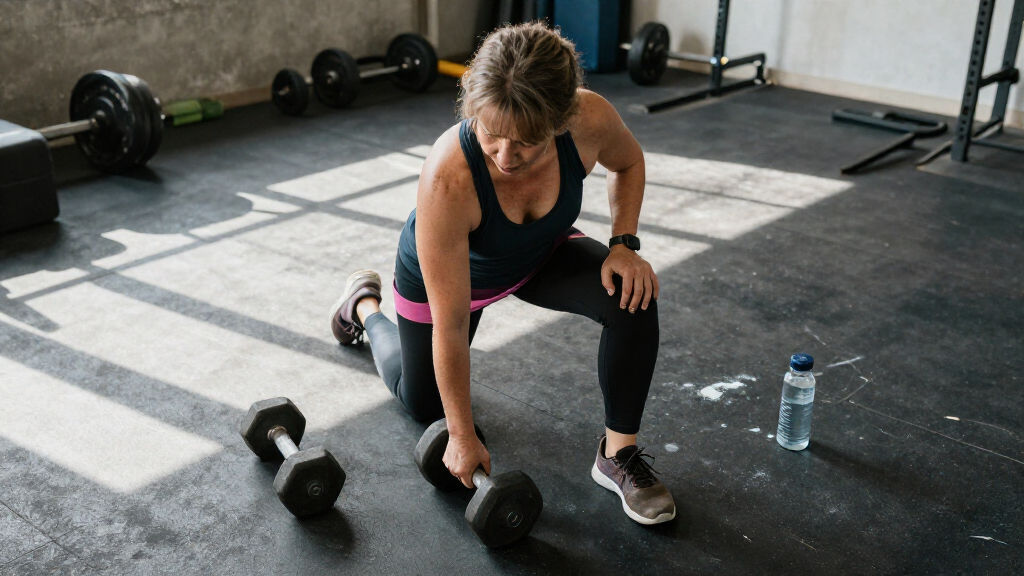
The Royal Osteoporosis Society (ROS) offers a free online bone-health assessment that asks about factors linked to osteoporosis and can indicate whether someone may benefit from speaking with a medical professional. In a Fit&Well report, a 39-year-old journalist said the checker highlighted a hand fracture after a minor bump as a reason to discuss her bone health, despite her regular exercise and vitamin D use.

Get workout gear delivered free with Prime
- Fast, free delivery on millions of items
- Prime Video, Amazon Music and more included
- Member-only deals all year
The reporter said she had broken a bone about five years earlier after a collision with a fence while playing five-a-side soccer. The injury was a spiral fracture of the fifth metacarpal, and she was treated in an emergency department and wore a cast for several weeks. The ROS checker flagged a previous fracture as a factor that could warrant further discussion, rather than determining that she had osteoporosis.
The tool also asks about factors including age, menopause, low body mass index, family history of hip fracture, smoking, alcohol intake and certain health conditions, such as an overactive thyroid or coeliac disease. The source report says the checker can help users understand whether a fuller fracture-risk assessment or other advice may be appropriate. It does not report a diagnosis or a clinical examination for the journalist.
ROS representative Julia Thomson told Fit&Well that not every broken bone points to a bone-health problem. The circumstances of an injury matter, she said, and the checker may help someone decide whether to discuss a fracture with a doctor. Thomson also highlighted calcium intake: the report says the ROS advises 700 milligrams daily for adults, rising to 1,000 milligrams for people at increased risk. Individual needs and advice should be discussed with a qualified health professional.
Why a Past Fracture Can Matter
Osteoporosis can weaken bones without causing noticeable symptoms until a fracture occurs, so people may not know their risk is elevated. The ROS checker is intended to make risk factors easier to identify and give users a route toward professional advice before another injury. That may be useful for people who assume they are at low risk because they exercise or take supplements, as the reporter said she had.
The source report cites the International Osteoporosis Foundation as saying that globally, one in three women and one in five men over 50 will experience a fracture due to osteoporosis. Those figures describe a population-level estimate, not an individual’s probability. The assessment likewise provides a prompt for further discussion, not a substitute for medical evaluation or a confirmed diagnosis.
Products Worth Considering
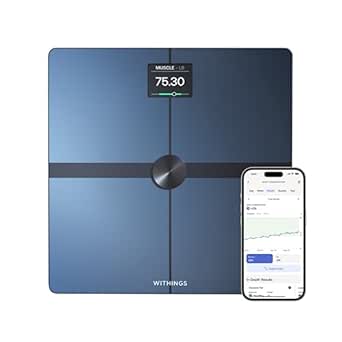
Withings Body Smart Wi-Fi and Bluetooth Body Composition Scale

Withings Body Scan Smart Scale

Garmin Forerunner 570 GPS Running Smartwatch, 42 mm, Aluminum Bezel, Bone/Mango
As an affiliate, we earn on qualifying purchases.
How the Bone Checker Works
The ROS describes osteoporosis as a condition in which bone mineral density and mass decline, leaving bones weaker and more susceptible to fracture. Risk commonly rises with age. The source report also explains that women can lose bone strength faster around menopause as estrogen levels fall; estrogen helps regulate the ongoing process of bone breakdown and rebuilding.
The ROS tool asks about several personal and health factors, then indicates whether further advice could be useful. The Fit&Well report says the checker identifies previous fractures for follow-up, while noting that the tool cannot establish why a particular bone broke. A fracture after a substantial impact may have a different explanation from one following a minor bump, and a clinician can assess that history alongside other information.
The report also discusses nutrition. It says calcium is found not only in dairy products but in foods such as bread, nuts, vegetables, fruit and fortified cereals or plant milks. It notes that vitamin D supplementation may be relevant for some people, but personal circumstances differ; readers should seek qualified advice rather than treating the article or quiz as individualized medical guidance.
“Not all broken bones immediately indicate you may have a problem with your bone health.”
— Julia Thomson, Royal Osteoporosis Society, as quoted by Fit&Well
What the Online Result Cannot Show
The source does not provide details about how the ROS calculates an individual result, how accurate the assessment is, or what clinical evidence is required before a full fracture-risk assessment is recommended. It also gives no launch date or usage figures for the checker. The reporter’s account is a personal experience and does not establish how the tool will assess other users.
A flagged risk factor does not confirm osteoporosis, and a low result cannot rule it out. The report does not say whether the journalist went on to receive a clinical assessment or what that assessment found. Anyone with concerns about a fracture or bone health should seek advice from a medical professional.
Discussing Results With a Clinician
People who complete the ROS checker can use its result to decide whether to contact a medical professional, particularly if they have had a fracture or have other listed risk factors. The source report describes the tool as a way to identify whether further discussion may be helpful; it does not specify a required follow-up process or a schedule for future updates to the assessment.
The next step for the Fit&Well reporter is not stated. Readers should treat the checker as an initial information resource, then discuss relevant injuries, health conditions, diet or supplements with a clinician who can assess their individual circumstances.
Key Questions
Does the ROS bone checker diagnose osteoporosis?
No. The report describes it as a risk assessment tool that can suggest whether someone may benefit from professional advice. It does not confirm a diagnosis.
Does a broken bone mean someone has osteoporosis?
No. ROS representative Julia Thomson told Fit&Well that not all broken bones indicate a bone-health problem. A medical professional can consider how the injury happened and whether other risk factors are present.
What factors does the assessment ask about?
The source report lists age, menopause, low BMI, a parent’s hip fracture, smoking, higher alcohol intake and certain medical conditions among the factors the checker considers.
What should I do if the result flags a risk?
The report says the tool may help users decide whether to seek a fuller fracture-risk assessment or other advice. Discuss the result and your health history with a qualified medical professional.
Source: rss