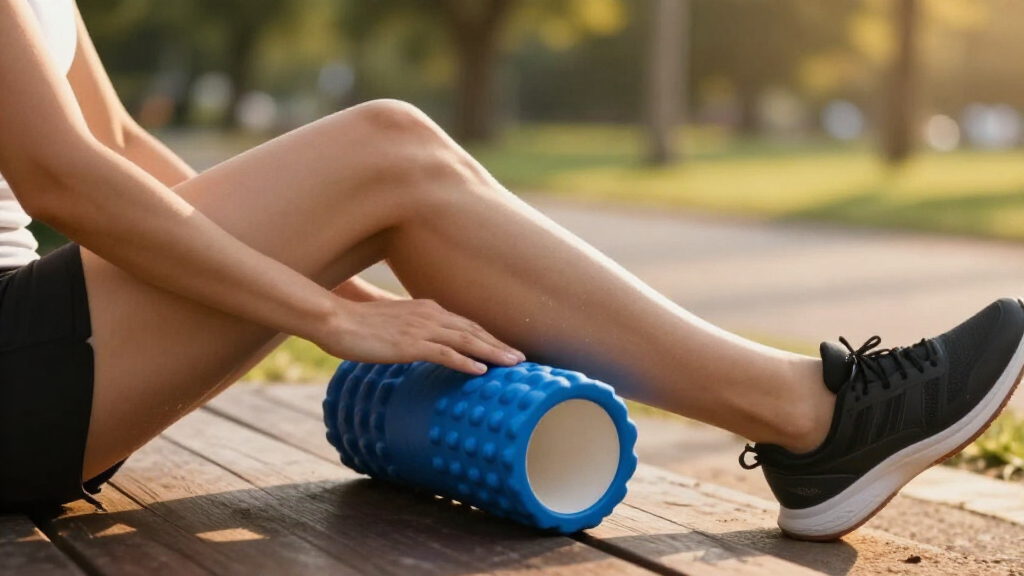

Compact foam rollers trade surface area for portability, and that tradeoff defines this whole category: a 12-inch roller fits in a carry-on but limits coverage on your back and hips. The TriggerPoint Grid 1.0 (13″) takes the top spot because its multi-density surface delivers the closest experience to a full-size roller while staying travel-friendly. For genuine packability, the Brazyn Morph collapses flat to about two inches thick — nothing else here comes close for suitcase life. Budget buyers get a solid high-density option in the ProsourceFit 12-inch, which costs a fraction of the premium picks. Below, I break down all 13 rollers, who each one suits, and where they fall short.

Get workout gear delivered free — and shop member deals
- Fast, free delivery on millions of items
- Access to Prime Big Deal Days deals on October 6–7
- Prime Video, Amazon Music and more included
Complete the kit


Key Takeaways
- True ‘compact’ spans two different products: short rigid rollers (11–13 inches) for home use and collapsible rollers like the Brazyn Morph for air travel — pick based on whether you need shorter or flatter.
- Multi-density surfaces (TriggerPoint Grid models) outperformed single-density foam on deep tissue work, but cost roughly three times more than basic high-density rollers.
- Several budget listings (the generic 12×4-inch mini and the Soft Dot roller) are nearly interchangeable; price and availability should drive that choice, not features.
- The Amazon Basics 18-inch roller landed mid-pack because it splits the difference — too long for tight luggage, too short for full back coverage, making it a compromise rather than a winner.
- Small-diameter rollers like the Oceanfoam Ripple (3.35 inches) target pinpoint muscle work well but demand more balance and strength, so beginners should avoid them as a first roller.



| compact foam roller | Material | Color | Surface | Primary Use |
|---|---|---|---|---|
| ProsourceFit High Density Foam | High-density expanded polypropylene (EPP) | Black | Smooth | Muscle recovery, stretching, yoga, Pilates |
| Amazon Basics High-Density Foa | High-density polypropylene | Black | Smooth | Balance, strengthening, flexibility, recovery |
| Oceanfoam Ripple Travel Foam R | Recycled foam with algae-based outer layer | — | Wave-textured, ergonomic | Physical therapy, targeted massage, stretching, balance |
| Gaiam Restore Compact Textured | — | — | Light textured | Muscle recovery, physical therapy, yoga, travel |
| Collapsible Foam Roller for Ex | Environmental-friendly composite | Gray | — | — |
| TriggerPoint Grid 2.0 Foam Rol | Multi-density EVA over hollow core | Black | Textured multi-density zones | — |
| TriggerPoint Grid 1.0 Foam Rol | EVA foam over hollow core | Black | Multi-density grid pattern | — |
| Foam Roller for Muscle Massage | High-density EVA foam | Black | — | — |
| Deep Recovery Yoga Foam Roller | EPP foam | Black | — | — |
| Brazyn Morph Foam Roller | Bamboo and recyclable aluminum | — | — | — |
| EVA Soft Dot Foam Roller for M | High-density EVA foam | Black | Textured dot pattern | Deep tissue massage, balance exercises |
| Deep Recovery Yoga Foam Roller | EPP foam | — | Smooth | Myofascial release, physical therapy, mobility |
| RAD Helix Compact High-Density | High-density foam | — | — | Back, quads, hamstrings, fascia release |
More Details on Our Top Picks
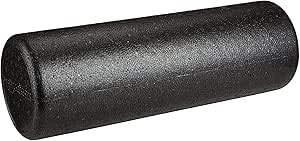
ProsourceFit High Density Foam Roller – 12 inches, Black
Most compact rollers force you to compromise on firmness or durability, but this ProsourceFit model refuses to budge on either. The molded EPP core holds its shape through months of daily use, which sets it apart from the Amazon Basics 18-inch roller that takes up far more bag space for a similar feel. At 12 inches, it splits the difference between travel-only minis like the Oceanfoam Ripple and full-length recovery rollers, making it long enough for thoracic spine work yet small enough for a gym bag. The tradeoff is blunt: this is a hard roller, and beginners will feel it immediately. There is no texture, no flex, no forgiveness — just consistent, dense pressure. For anyone who already knows they want firm, this simplicity is the appeal.
Pros:- Molded EPP foam resists breaking down and stays true to shape
- 12-inch length balances portability with versatility for spine and leg work
- Firm density delivers genuinely deep pressure for muscle recovery
- Water-resistant surface wipes clean easily
Cons:- High density is too aggressive for foam rolling newcomers
- Smooth surface offers no texture variation for targeted massage
Best for: Intermediate to advanced users who want a durable, no-frills firm roller that fits in a gym bag
Not ideal for: Beginners or pain-sensitive users — the unforgiving high-density foam can feel punishing on first contact
- Length:12 inches
- Color:Black
- Material:High-density expanded polypropylene (EPP)
- Weight Capacity:300 lbs
- Surface:Smooth
- Primary Use:Muscle recovery, stretching, yoga, Pilates
Our verdict“If you want one compact roller that will outlast your gym membership and you can handle firm pressure, this is the one to buy.”
Amazon Basics High-Density Foam Roller for Exercise and Recovery, 18 Inches, Black
When the goal is spending as little as possible without buying junk, this Amazon Basics roller is hard to beat. It delivers the same polypropylene firmness as the ProsourceFit 12-inch at a lower price, and the extra 18-inch length lets you roll both quads or your full back in one pass — something the shorter rollers here simply cannot do. The catch is portability: at 18 inches, it belongs in a car trunk or home gym, not a carry-on. Compared with the TriggerPoint Grid 2.0, you lose the multi-density zones and the hollow core, but you also avoid paying three to four times more. It is a plain, single-density workhorse — dependable, dull, and priced accordingly. Buyers wanting texture or travel-friendliness should look elsewhere in this lineup.
Pros:- Very low cost per inch compared with branded rollers
- 18-inch length covers large muscle groups and the full back
- Lightweight despite its size, easy to move around the house
- Wipes clean in seconds
Cons:- Single-density foam with no texture for varied massage intensity
- Too firm for sensitive users with no softer alternative offered
- Bulkier than every compact option in this roundup
Best for: Budget-conscious buyers building a home gym who want full-length coverage for cheap
Not ideal for: Travelers and commuters — 18 inches will not fit in most gym bags or suitcases
- Length:18 inches
- Diameter:6 inches
- Material:High-density polypropylene
- Color:Black
- Surface:Smooth
- Primary Use:Balance, strengthening, flexibility, recovery
Our verdict“The smart pick if you want maximum rolling surface for minimum money and never plan to fly with it.”
Oceanfoam Ripple Travel Foam Roller (11″ x 3.35″) – Firm Mini Foam Roller for Physical Therapy and Massage
The Oceanfoam Ripple is the most genuinely packable roller in this batch, and its 3.35-inch diameter is the reason — it slides into a suitcase side pocket where even the 12-inch ProsourceFit would not fit. The wave-textured surface is not just aesthetic; the raised ridges dig into calves, IT bands, and forearms more effectively than any smooth roller here, approximating a thumb-pressure massage. Its eco-friendly algae-blend construction is a genuine differentiator if sustainability matters to you. Be realistic about the limits, though: a three-inch roller cannot support your full back, and the firm ridged texture will punish first-time users. Compared with the collapsible 13-inch roller later in this list, you give up full-size capability but gain a simpler, sturdier design with no moving parts to fail mid-trip.
Pros:- Smallest packed footprint in the roundup for true suitcase portability
- Wave texture provides targeted deep-tissue pressure
- Eco-friendly recycled foam and algae-based outer layer
- No moving parts, so nothing to break during travel
Cons:- 3.35-inch diameter restricts use to small, targeted areas
- Firm ridged texture is uncomfortable for beginners
- Poor value if you also need a general-purpose full-size roller
Best for: Frequent travelers and runners who need targeted relief for calves, arms, and IT bands on the road
Not ideal for: Anyone wanting to roll their back, glutes, or hamstrings — the tiny footprint only suits small muscle groups
- Dimensions:11 x 3.35 inches
- Material:Recycled foam with algae-based outer layer
- Surface:Wave-textured, ergonomic
- Density:Firm / high-density
- Primary Use:Physical therapy, targeted massage, stretching, balance
- Portability:Suitcase-friendly mini size
Our verdict“The pick for people whose roller needs to fit in a carry-on and target limbs rather than the whole back.”
Gaiam Restore Compact Textured Foam Roller, 12″ Muscle Recovery
Beginners usually quit foam rolling because it hurts, and that is exactly the problem the Gaiam Restore solves. Its light texture stimulates circulation without the aggressive bite of the Oceanfoam Ripple’s ridges or the unforgiving density of the ProsourceFit, making those first weeks of rolling tolerable instead of miserable. The 12-inch frame hits the same sweet spot for portability, and Gaiam’s shape-retentive construction means it will not flatten into an oval after a few months of daily use. The honest tradeoff: experienced users will outgrow it. Once your muscles adapt and you crave genuine deep-tissue pressure, this roller starts to feel like a suggestion rather than a treatment. Think of it as training wheels for recovery — ideal at the start, limiting later on.
Pros:- Gentler texture makes daily use realistic for sensitive users
- Holds its shape through repeated daily sessions
- 12-inch size travels well for a standard roller
- Trusted recovery brand with strong beginner-friendly positioning
Cons:- Light texture delivers limited deep-tissue pressure
- Only suited to smaller muscle groups at this length
Best for: Foam-rolling newcomers and physical therapy patients who need gentler pressure while building tolerance
Not ideal for: Deep-tissue enthusiasts — the light texture and moderate density will feel underpowered within months
- Length:12 inches
- Brand:Gaiam
- Model Number:05-64317
- Surface:Light textured
- Construction:Shape-retentive durable foam
- Primary Use:Muscle recovery, physical therapy, yoga, travel
Our verdict“Buy this if you are new to foam rolling and want to build the habit without wincing every session.”
Collapsible Foam Roller for Exercise and Recovery (13 Inches), Portable at 5.5 inches (Gray)
One roller that is full-size at home and pocket-size in transit is a compelling pitch, and this collapsible model actually delivers it — collapsing from 13 inches down to 5.2, it packs smaller than even the Oceanfoam Ripple while offering a far larger working surface when extended. The interior emulates finger-tip pressure, giving a massage feel closer to the TriggerPoint Grid 1.0 than to a plain foam cylinder. But engineering compromises come with the telescoping design: a jointed roller is never as rigid as a solid one, and users may notice slight flex under full bodyweight, plus the rubber end caps will wear with heavy use. The Brazyn Morph targets the same buyer at a higher price, so this model makes sense as the value-minded collapsible choice — provided you accept some wiggle in the structure.
Pros:- Collapses to 5.2 inches for the best packed-size-to-usable-size ratio here
- Full 13-inch working length when extended covers back and legs
- Interior design emulates finger pressure for a massage-like feel
- Supports up to 280 pounds despite the collapsible build
Cons:- Less structurally rigid than one-piece rollers, with noticeable flex when fully extended
- Rubber end components may degrade over time with heavy use
- More moving parts mean more potential failure points than solid foam
Best for: Apartment dwellers and frequent flyers who want full-size rolling without permanent storage sacrifice
Not ideal for: Heavier users or anyone needing rock-solid stability — the collapsible joints flex under load
- Extended Length:13 inches
- Collapsed Length:5.2 inches
- Maximum Load:280 lbs
- Material:Environmental-friendly composite
- Design:Collapsible telescoping
- Massage Surface:Finger-pressure emulating interior
- Color:Gray
Our verdict“The smartest pick for travelers who refuse to choose between portability and a full-length roller — as long as slight flex does not bother you.”
TriggerPoint Grid 2.0 Foam Roller, 26 Inch
The Grid 2.0 earns its premium price through the multi-density surface, which mimics a massage therapist’s hands far better than the uniform foam of the Amazon Basics 18-inch roller. The hollow core resists breakdown, meaning it won’t go soft after months of daily use — a real failure point for cheaper solid-foam options. Compared with the 13-inch Grid 1.0, the 26-inch length spans an entire spine, which makes it more stable for back work. The tradeoff is portability: at 26 inches, it lives in your home gym rather than your carry-on. And the textured zones run aggressively firm, so anyone stepping up from a soft Gaiam Restore should expect an adjustment period.
Pros:- Multi-density zones target trigger points with therapist-like precision
- Hollow core keeps firmness consistent over years of use
- 26-inch length gives full spinal coverage and roll-over stability
- 500-pound weight capacity suits athletes of any size
Cons:- Firmer than most beginners expect, with no softer setting
- Too long and awkward to travel with
Best for: Serious athletes and lifters who want a durable, full-back roller for daily deep tissue recovery at home
Not ideal for: Travelers and beginners — it’s too long to pack and too intense for first-time foam rolling
- Material:Multi-density EVA over hollow core
- Length:26 inches
- Weight capacity:Up to 500 pounds
- Color:Black
- Surface:Textured multi-density zones
- Best use:Deep tissue massage, muscle recovery
Our verdict“If deep tissue work is a daily habit and you have floor space at home, this is the roller that will outlast every solid-foam alternative.”
TriggerPoint Grid 1.0 Foam Roller – 13 Inch
The Grid 1.0 delivers the same textured, multi-density massage surface as the Grid 2.0 but in a 13-inch body that fits in a gym bag or an overhead bin. That makes it the natural choice for anyone who wants TriggerPoint-grade deep tissue work while traveling — something the 26-inch version simply can’t do. Compared with the generic 12 x 4-inch mini rollers in this roundup, the Grid 1.0 has a full-size diameter, so it feels stable under a thigh or quad rather than awkwardly narrow. The catch is coverage: 13 inches won’t span your whole back, and the firm grid pattern is unforgiving if you’re new to rolling. There’s also no soft option — you adapt to it, not the other way around.
Pros:- Same multi-density massage surface as the larger Grid models
- Full-size diameter stays stable under large muscle groups
- Compact enough for gym bags and carry-on luggage
- EVA construction holds its shape through heavy repeated use
Cons:- Firmness is fixed and intense for newcomers
- Too short for full-back coverage
Best for: Gym-goers and frequent travelers who want salon-grade deep tissue pressure in a packable size
Not ideal for: Beginners or anyone with sensitive muscles — the fixed firmness can be genuinely painful at first
- Length:13 inches
- Material:EVA foam over hollow core
- Surface:Multi-density grid pattern
- Use:Deep tissue massage, muscle recovery
- Color:Black
- Portability:Gym-bag friendly
Our verdict“The best compromise between TriggerPoint’s deep tissue performance and real portability, as long as you can handle the pressure.”
Foam Roller for Muscle Massage, Mini 12 x 4 Inches
For the price of a coffee run, this 12 x 4-inch mini roller covers the fundamentals: high-density EVA that holds up to daily use and enough firmness to work knots in calves, glutes, and shoulders. Against the similarly sized Deep Recovery 12 x 4 roller, this option’s high-density EVA tends to feel slightly more forgiving than raw EPP, which matters if you’re rolling tender areas. It’s light enough to toss in any bag, and versatile enough for yoga, Pilates, and physical therapy drills. The honest tradeoff is scope — the 4-inch diameter limits you to targeted work, so it can’t replace a full-size roller for back sessions the way the Brazyn Morph can. Firmness also sits at the intense end for complete beginners.
Pros:- Very low cost with solid high-density EVA durability
- Extremely lightweight and portable
- Works across massage, yoga, Pilates, and PT routines
- Firm enough to release genuine knots
Cons:- Small size limits it to targeted muscle groups
- Too firm for sensitive or first-time users
Best for: Budget-conscious buyers who want a cheap, durable mini roller for targeted calf, glute, and shoulder work
Not ideal for: Anyone wanting full-back or quad coverage — the narrow 4-inch build is strictly for spot work
- Material:High-density EVA foam
- Size:12 x 4 inches
- Color:Black
- Applications:Muscle massage, physical therapy, yoga, Pilates
- Portability:Lightweight, travel-ready
- Firmness:Firm high-density
Our verdict“A no-frills spot-treatment tool that costs so little you can keep one in every bag, as long as you don’t expect full-body coverage.”
Deep Recovery Yoga Foam Roller for Physical Therapy & Exercise
This 12 x 4-inch roller’s EPP construction sets it apart: EPP is lighter and holds its shape longer than standard molded foam, so it’s a smart pick if your roller lives in a suitcase. Where the budget mini roller above feels moderately firm, this one is unapologetically hard — closer to a lacrosse ball than a cushion — which is exactly what some people need for stubborn myofascial trigger points in the back, legs, and shoulders. The light weight makes it a favorite for physical therapy homework and travel. But that hardness is a double-edged sword: compared with the Gaiam Restore textured roller, there’s no gentler on-ramp, and users with sensitive muscles may find it outright uncomfortable rather than therapeutic.
Pros:- Very hard EPP surface delivers intense myofascial release
- Extremely lightweight for travel and PT routines
- Durable construction resists flattening over time
- Versatile across therapy, yoga, and exercise drills
Cons:- Hard texture is punishing for beginners
- Single small size doesn’t suit all body areas
Best for: Experienced users and physical therapy patients who want maximum pressure from a featherweight travel roller
Not ideal for: Rollers-sensitive beginners and anyone who finds hard surfaces painful rather than therapeutic
- Size:12 x 4 inches
- Material:EPP foam
- Color:Black
- Firmness:Very firm
- Use:Physical therapy, myofascial release, exercise
- Portability:Ultra-light and travel-ready
Our verdict“Pick this only if you already know you like aggressive pressure — it’s the hardest small roller in this lineup.”
Brazyn Morph Foam Roller – Collapsible Travel Roller
The Brazyn Morph solves the one problem no other roller here can: it collapses flat to about two inches thick and springs open into a full-size 14.5-inch roller with a 5.5-inch diameter. Every other compact option in this roundup — the Grid 1.0, the minis, the Deep Recovery — forces you to accept a smaller rolling surface when you travel. The Morph doesn’t, which is why it commands a premium price. The bamboo and aluminum build is eco-friendly and sturdy up to 350 pounds, though that’s well short of the Grid 2.0’s 500-pound rating. Expansion requires a firm manual pull, which can feel like a chore after a workout. For frequent travelers, that inconvenience buys back a full-size roller in a laptop-bag footprint.
Pros:- Collapses flat to fit in carry-ons and laptop bags
- Expands to a genuine full-size rolling surface
- Sustainable bamboo and recyclable aluminum build
- Solid 350-pound weight capacity
Cons:- Noticeably more expensive than traditional rollers
- Manual expand-and-collapse mechanism adds friction to every session
Best for: Frequent travelers and commuting athletes who refuse to give up full-size rolling surface on the road
Not ideal for: Budget buyers and home-only users — a standard roller delivers the same feel for far less money
- Diameter:5.5 inches
- Length:14.5 inches
- Weight:1.5 lbs
- Weight capacity:Up to 350 lbs
- Material:Bamboo and recyclable aluminum
- Design:Collapsible flat-pack
Our verdict“The only roller that is simultaneously compact and full-size — worth the price purely for travel-heavy lifestyles.”
EVA Soft Dot Foam Roller for Muscle Massage and Balance Exercises, Black
Textured rollers are rare at this price, and that’s what separates this 12-inch option from smooth-surface competitors like the Amazon Basics 18-inch roller. The dot-pattern surface digs into knots the way a flat roller can’t, which matters if your quads and calves hold stubborn tension. Compared with the Deep Recovery Yoga Foam Roller, which leans soft, the high-density EVA here holds up under full body weight without flattening — a common failure point for cheaper compact rollers. The tradeoff is intensity: that same firmness plus texture can feel punishing on sensitive areas like the IT band or lower back. At 4 inches in diameter, it also demands more balance control than a wider roller, so beginners may wobble during slow rolls. This pick makes the most sense for people who already know they like firm, aggressive pressure and want it in a packable size.
Pros:- Textured dot surface targets knots more effectively than smooth rollers
- High-density EVA resists flattening under repeated full-bodyweight use
- Genuinely portable at 12 inches and lightweight
- Works for balance exercises, not just massage
Cons:- Firm texture can be uncomfortable on bony or sensitive areas
- Small 4-inch diameter limits surface coverage for larger muscle groups
Best for: Intermediate lifters and runners who want aggressive, targeted pressure in a roller that fits in a gym bag
Not ideal for: Beginners or anyone with sensitive muscles — the firm foam plus textured dots can feel brutal on first contact
- Material:High-density EVA foam
- Dimensions:12 x 4 inches
- Surface:Textured dot pattern
- Color:Black
- Primary use:Deep tissue massage, balance exercises
- Portability:Lightweight, travel-friendly
- Firmness:Firm / high density
Our verdict“A strong choice if firm, knuckle-like pressure is what your muscles actually respond to — skip it if you’re still building tolerance.”
Deep Recovery Yoga Foam Roller for Physical Therapy & Exercise
Not everyone wants to grind through muscle pain, and this EPP roller occupies the gentle end of the compact market where few 12-inch competitors sit. While the EVA Soft Dot Foam Roller pushes into deep tissue territory, this one spreads pressure more evenly across a softer surface, making it far friendlier for daily mobility work on the back and shoulders. That gentleness is its identity, but also its ceiling: anyone chasing serious myofascial release will find it bottoms out under body weight, similar to complaints leveled at basic EPP rollers in general. Compared with the ProsourceFit High Density Roller, it sacrifices deep-tissue capability for comfort — a reasonable trade only if recovery means light circulation work rather than breaking up adhesions. This option stands out for easing into foam rolling without wincing, particularly for post-injury or physiotherapy routines.
Pros:- Gentle pressure tolerable on sensitive areas like the spine and neck
- Extremely lightweight and easy to pack for travel
- Suitable for daily use across multiple muscle groups
Cons:- Too soft for meaningful deep tissue or trigger point work
- Soft foam may degrade faster than high-density alternatives under heavy use
Best for: Physiotherapy patients, older adults, or anyone recovering from injury who needs mild pressure rather than deep tissue work
Not ideal for: Athletes seeking deep tissue release — the soft EPP core can’t deliver the intensity they need
- Size:12 x 4 inches
- Material:EPP foam
- Surface:Smooth
- Pressure level:Light to moderate
- Primary use:Myofascial release, physical therapy, mobility
- Portability:Travel-friendly, lightweight
Our verdict“The right buy if gentle, consistent pressure is the goal — the wrong one if you’re chasing deep-tissue intensity.”
RAD Helix Compact High-Density Exercise Foam Roller for Deep Tissue Massage
The spinal recess channel is the feature that justifies this roller’s price and its spot here — most compact rollers, including the RAD Helix’s main rivals like the TriggerPoint Grid 1.0, force you to awkwardly avoid the spine or crane into position. This design lets the foam work the muscles flanking the spine while the recess cradles the vertebrae themselves, which changes the math entirely for back-pain sufferers. Its 3-inch diameter also creates more acute pressure than wider 4-inch rollers, digging deeper with less effort. The tradeoffs are real, though: the narrow profile that helps the back feels unstable under larger muscle groups like glutes, and the price sits well above comparable compact options like the Gaiam Restore 12-inch roller. Some users also report the recess is less effective than advertised for their body shape. Compared with similar options, this model is better suited to spine-focused recovery than general full-body rolling.
Pros:- Spinal recess protects vertebrae while massaging surrounding muscles
- Narrow 3-inch diameter delivers focused, intense pressure
- Light 1-pound build makes it genuinely travel-ready
- High-density foam maintains shape over time
Cons:- Premium price compared with basic compact rollers
- Narrow profile feels unstable under larger muscle groups like glutes and hamstrings
Best for: Desk workers and lifters with chronic mid-back tension who want targeted spinal-area relief without a physical therapist’s hands
Not ideal for: Budget shoppers or anyone wanting one roller for full-body work — it’s pricier and less versatile than standard compacts
- Dimensions:12.5 x 3 inches
- Weight:1 pound
- Material:High-density foam
- Design feature:Spinal recess channel
- Pressure level:Firm, deep tissue
- Primary use:Back, quads, hamstrings, fascia release
- Portability:Lightweight, travel-friendly
Our verdict“Worth the premium if back and spine relief is your priority; a standard cheaper roller serves general full-body recovery better.”
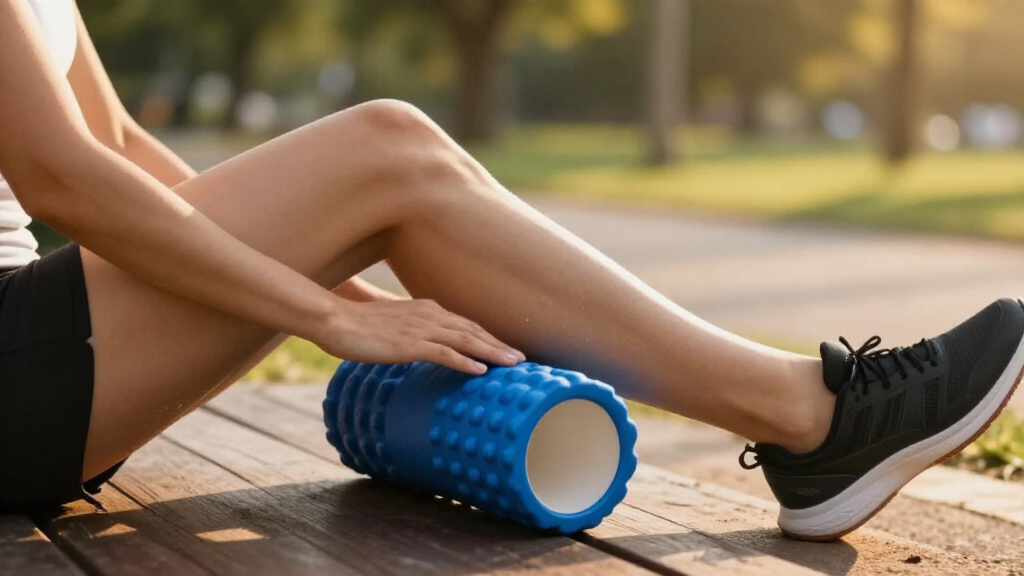
How We Picked
I evaluated each roller against four criteria: portability (packed size and weight, including whether it collapses), massage quality (density, surface texture, and how deep the pressure reaches), build durability (whether molded foam or hollow cores hold up under repeated body weight), and value relative to the competition at the same price. Because this is a compact roundup, size earned extra weight — a great roller that doesn’t travel well was penalized against a good one that does.
The ranking logic follows a simple principle: the closer a roller gets to full-size performance in a travel-ready footprint, the higher it places. That’s why the TriggerPoint Grid 1.0 leads while the 26-inch Grid 2.0, though excellent, sits lower — it stretches the definition of compact. Collapsible models were judged on their rigid, assembled state rather than their packed one, since that’s how they perform in actual use.
| compact foam roller | Color | Surface | Portability |
|---|---|---|---|
| ProsourceFit High Density Foam | Black | Smooth | — |
| Amazon Basics High-Density Foa | Black | Smooth | — |
| Oceanfoam Ripple Travel Foam R | — | Wave-textured, ergonomic | Suitcase-friendly mini size |
| Gaiam Restore Compact Textured | — | Light textured | — |
| Collapsible Foam Roller for Ex | Gray | — | — |
| TriggerPoint Grid 2.0 Foam Rol | Black | Textured multi-density zones | — |
| TriggerPoint Grid 1.0 Foam Rol | Black | Multi-density grid pattern | Gym-bag friendly |
| Foam Roller for Muscle Massage | Black | — | Lightweight, travel-ready |
| Deep Recovery Yoga Foam Roller | Black | — | Ultra-light and travel-ready |
| Brazyn Morph Foam Roller | — | — | — |
| EVA Soft Dot Foam Roller for M | Black | Textured dot pattern | Lightweight, travel-friendly |
| Deep Recovery Yoga Foam Roller | — | Smooth | Travel-friendly, lightweight |
| RAD Helix Compact High-Density | — | — | Lightweight, travel-friendly |
Factors to Consider When Choosing Compact Foam Rollers
Before picking a specific roller, it helps to understand what actually separates a useful compact roller from one that collects dust in a closet. These are the factors that shaped my rankings, and they should shape your decision too.Short Rigid vs. Collapsible: Know Which Problem You’re Solving
Compact means two different things in this category, and confusing them is the most common buying mistake. A short rigid roller (11–13 inches) saves length but keeps its full diameter, so it still rolls comfortably — you just cover less area per pass, meaning more reps for your back and glutes. A collapsible roller like the Brazyn Morph or the 13-inch collapsible model flattens for packing but adds assembly steps, moving parts, and a higher price. If you’re rolling at home and only occasionally travel, rigid wins on simplicity and durability. If you fly monthly, collapsible wins because a rigid roller eats a quarter of your suitcase. Neither is objectively better; matching the format to your actual routine is what separates a smart purchase from an unused one.
Density Determines Comfort — and Muscle Type
Density is the single biggest factor in how a roller feels, and buyers routinely get it wrong in both directions. High-density foam (like the ProsourceFit and RAD Helix) delivers deep, intense pressure that experienced users want for calves, IT bands, and quads — but it can be genuinely painful for beginners or anyone with sensitive muscles. Softer EVA surfaces feel gentler but may not release tight tissue effectively, which is why some cheap rollers feel pleasant yet do little. Multi-density designs like the TriggerPoint Grid split the difference by layering firm zones over a moderate base. My advice: if you’re new to rolling, buy softer than you think you need, because you can always add pressure with body positioning — but you can’t soften a rock-hard roller.
Surface Texture: Smooth, Textured, or Ripped
Surface texture changes the massage character more than most buyers expect. Smooth rollers apply even pressure, which suits large muscle groups and beginners who want predictable feedback. Textured surfaces — the Grid’s grid pattern, the Oceanfoam Ripple’s ridges, the Soft Dot’s nubs — mimic fingertips and work better for locating knots and trigger points, at the cost of a more aggressive feel. Rippled and noduled designs can also grip clothing or skin during rolling, which some people find therapeutic and others find annoying. If your goal is general post-workout recovery, smooth or lightly textured works fine; if you’re chasing specific knots, texture earns its premium.
Diameter and Length Affect Balance and Coverage
Compact rollers vary in diameter from roughly 3 to 6 inches, and that difference matters more than most spec sheets suggest. Smaller diameters concentrate pressure on less tissue, digging deeper into tight spots, but they raise your body higher off an unstable contact patch — demanding core strength and balance. Standard 6-inch diameters feel stable and predictable, which is why most beginners should start there. Length interacts with this too: a 12-inch roller won’t span your upper back or both quads at once, so you’ll roll one side at a time. That’s fine for targeted work but frustrating if you’re used to a full-size roller, and it’s the honest tradeoff every pick in this roundup makes.
Hollow Core vs. Solid Foam: Durability and Weight
Solid molded foam rollers are cheaper but eventually develop flat spots and soft patches where your body weight compresses them daily — expect one to three years of regular use from budget models. Hollow-core designs like the TriggerPoint Grid wrap foam around a rigid tube, which holds shape indefinitely, supports much higher weight limits (up to 500 pounds on the Grid), and doubles as storage for travel clothes or cables. The tradeoff is weight and price: hollow cores cost more and sometimes feel harder than their foam surface suggests. For frequent travelers, hollow cores also resist the crushing pressure of packed luggage better than soft solid foam. If you roll daily and want one purchase to last years, the premium is worth it; occasional users can skip it.
Avoiding the Generic-Listing Trap
A quick scan of this category reveals dozens of listings with no brand, just long keyword-stuffed titles promising ‘muscle massage, back pain relief, physical therapy, yoga, Pilates.’ These rollers are typically fine but indistinguishable — the same factory product appears under multiple sellers at wildly different prices. The practical approach: compare generic listings on dimensions, density, and price per unit, not on marketing claims, since the claims are identical across all of them. Check recent reviews for density complaints, as quality control on unbranded foam varies batch to batch. A branded budget option like ProsourceFit or Amazon Basics costs only slightly more and gives you consistent specs and easier returns, which is why I ranked them above their anonymous competitors.
Frequently Asked Questions
Is a 12-inch roller long enough for back work, or do I need 18+ inches?
A 12-inch roller covers your thoracic spine adequately if you roll one section at a time, and many physical therapists actually prefer short rollers for spinal work because they let you target specific vertebrae. Where short rollers fall short is broader coverage — rolling both quads simultaneously, lying lengthwise along the spine, or covering the full lats in one pass. An 18-inch roller handles quads and hips better but still can’t match a 36-inch roller for full-body flows. If back pain relief is your primary goal, 12 inches is genuinely sufficient. If you want one roller for everything, the Amazon Basics 18-inch splits the difference at a budget price.
Are collapsible foam rollers as good as regular ones?
The best collapsible models, like the Brazyn Morph, come surprisingly close — when assembled, they feel rigid enough for serious pressure, and the build quality justifies the premium price. The compromises are real, though: they cost two to three times a comparable solid roller, they add assembly time to every session, and the folding mechanisms are the eventual failure point. Cheaper collapsible designs can creak or flex under load, which undermines deep tissue work. I’d only recommend collapsible if you travel by air regularly or have genuinely limited storage. For car trips and gym bags, a short rigid roller does the same job for far less money.
Should a beginner start with a soft or high-density roller?
Beginners should almost always start softer, and here’s the practical reason: intensity on a foam roller comes from body positioning, not just the foam itself. You can lean more weight onto a soft roller to increase pressure, but you cannot lean less weight onto a rock-hard one — the floor sets the minimum. High-density rollers like the ProsourceFit or RAD Helix can be genuinely discouraging for newcomers, and skipped sessions beat painful ones. A moderate multi-density option like the Gaiam Restore textured roller or the TriggerPoint Grid gives room to grow as your tolerance builds. Upgrade to firmer density only when your current roller stops feeling like enough.
Do the TriggerPoint Grid rollers justify their higher price?
For frequent users, yes — the hollow core won’t develop flat spots the way solid foam does, so a Grid can outlast three or four budget rollers, closing the price gap over time. The multi-density surface also does something basic foam can’t: the varied zones let you adjust intensity by shifting position slightly rather than switching tools. For light or occasional use, though, the premium is hard to justify when a $15 high-density roller achieves 80% of the result. Between the two Grids in this lineup, the 13-inch Grid 1.0 is the true compact pick; the 26-inch Grid 2.0 only makes sense if you plan to leave it at home and want full-size coverage.
Can I pack a compact foam roller in carry-on luggage?
A rigid 12-inch roller will physically fit in most carry-ons but consumes significant space, which is exactly the problem collapsible rollers were invented to solve — the Brazyn Morph flattens to roughly the thickness of a folded laptop and slides into a bag’s side pocket. Hollow-core rollers offer a middle path: stuff socks, chargers, or supplements inside the tube to reclaim the interior space it would otherwise waste. TSA has no restrictions on foam rollers in either checked or carry-on bags, so the only constraint is your packing strategy. If you travel more than a few times a year and roller access matters to you, that frequency alone should push you toward the collapsible options in this roundup.
Conclusion
The right pick depends on how you’ll actually use it. For best overall, the TriggerPoint Grid 1.0 delivers full-size massage quality in a 13-inch footprint with durability that outlasts every solid-foam option here. The ProsourceFit 12-inch takes best value — it costs a fraction of the premium picks and covers the fundamentals of high-density rolling for home use. For best premium, the Brazyn Morph earns its price through true packability that no rigid roller can match, making it the clear choice for frequent travelers. Beginners should start with the Gaiam Restore textured 12-inch, whose moderate density and forgiving surface build tolerance without the punishment of high-density foam. For specific needs: the Oceanfoam Ripple suits pinpoint trigger-point work on calves and forearms, the RAD Helix targets experienced users who want deep, aggressive pressure, and the Amazon Basics 18-inch works for anyone who realized they want more length than compact allows. Whatever you choose, match the format to your routine — the best roller is the one you’ll actually use.
Halloween Picks
halloween
As an affiliate, we earn on qualifying purchases.