TL;DR

Get workout gear delivered free with Prime
- Fast, free delivery on millions of items
- Prime Video, Amazon Music and more included
- Member-only deals all year
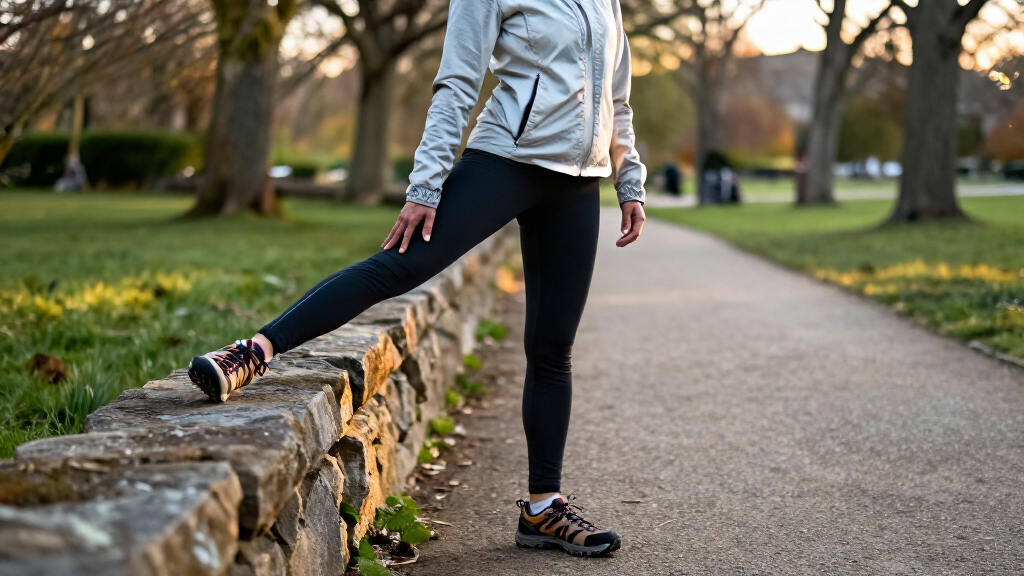
A Fit&Well report recommends the bodyweight good morning for walkers who lack time for a full cool-down. The move hinges at the hips and stretches muscles along the back of the body, but the report does not provide research showing that it prevents stiffness or replaces a full routine.
Fit&Well has published a trainer’s recommendation for walkers who do not have time for a full cool-down: a bodyweight good morning, a standing hip hinge intended to stretch muscles along the back of the body. The report presents the move as a brief option after a walk, not as a demonstrated substitute for a complete stretching routine.
The trainer says they recommend walking to personal-training clients as a low-impact way to improve cardio fitness, but that some clients skip stretching afterward because they are short on time. In the report, the trainer suggests doing one movement rather than trying to fit in a full-body routine after every walk. The article says the suggested move takes about 60 seconds.
To perform it, stand with feet hip-width apart and knees slightly bent. Place hands on the hips or beside the ears, then push the hips backward and hinge forward until the torso is parallel to the floor, or until a stretch is felt at the back of the legs. Keep the back flat and shoulder blades engaged, then drive the hips forward to stand again. The report advises against locking or straightening the knees.
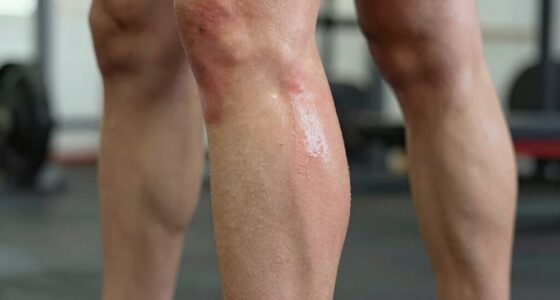
According to the trainer, the movement targets the posterior chain: the glutes, muscles alongside the spine, hamstrings and calves. The report also says the hip hinge involves joint movement. It does not cite a study or provide clinical evidence that this specific stretch prevents stiffness, improves mobility over time or suits every walker.
A Short Option After a Walk
The recommendation addresses a practical barrier: some walkers may finish a walk without setting aside time for a longer cool-down. A single movement that takes about one minute may be easier to fit into a routine than a sequence of stretches. For readers, the useful takeaway is the clear, simple movement and its intended target areas—not proof that one stretch is necessary or sufficient for recovery.
The report’s wording also matters. Its trainer says regularly skipping stretches can lead to stiff muscles, but that is an attributed claim in the article, not a finding supported there with research or data. The recommendation should be understood as general exercise guidance, rather than a medical treatment or a guarantee against post-walk discomfort.
As an affiliate, we earn on qualifying purchases.
How the Trainer Describes the Move
The source is a Fit&Well article about walking and post-exercise stretching. It describes the trainer’s experience with personal-training clients and their preference for walking as a low-impact activity. The supplied material does not name the trainer, give a publication date or identify a specific study behind the advice.
A bodyweight good morning is a hip-hinge exercise: the hips move back while the torso leans forward, with the knees kept slightly bent. In this article, the movement is presented as a stretch-focused option rather than a loaded strength exercise. The suggested hand positions are either on the hips or beside the ears; the report says the second position can engage the back and stretch the chest and shoulders.
bodyweight good morning stretch guide
As an affiliate, we earn on qualifying purchases.
As an affiliate, we earn on qualifying purchases.
Evidence and Suitability Remain Unclear
The supplied article does not state when it was published, name the trainer or cite research supporting the claims about stiffness or the effects of the stretch. It also does not explain whether a 60-second good morning is appropriate for people with existing pain, injuries or movement restrictions. The proposed benefits are therefore best treated as the trainer’s guidance, not as established outcomes for all walkers.
The report gives a stopping point based on sensation: lower the torso until the back of the legs feels stretched, or until the torso is parallel to the floor. It does not specify how intense the stretch should feel, how many repetitions to perform, or whether readers should use a different movement if the hinge causes discomfort.
As an affiliate, we earn on qualifying purchases.
How Readers Can Apply the Advice
The Fit&Well article offers an immediate practical sequence rather than announcing a program or a future study: after a walk, readers who want to try the move can perform the bodyweight good morning using the described hip hinge and slightly bent knees. They should stop if the movement causes pain and avoid forcing the torso lower than is comfortable. People with pre-existing conditions, persistent pain or concerns about exercise form can seek guidance from a qualified health professional.
No follow-up research, formal guidance or additional reporting is identified in the source material. What happens next for an individual walker will depend on comfort and their own circumstances; the report does not establish that the stretch is needed after every walk or that it replaces a broader cool-down.
As an affiliate, we earn on qualifying purchases.
Key Questions
What stretch does the Fit&Well report recommend?
It recommends the bodyweight good morning, a standing hip hinge, as a short option after a walk.
How do you do a bodyweight good morning?
Stand with feet hip-width apart and knees slightly bent. Push your hips back as you hinge forward, keep your back flat, then drive your hips forward to stand. Stop at a comfortable stretch or when your torso is parallel to the floor.
Which muscles does the article say the stretch targets?
The report says it stretches the posterior chain, including the glutes, muscles alongside the spine, hamstrings and calves.
Does the report prove this stretch prevents stiffness?
No. It attributes the view that regularly skipping stretches can lead to stiff muscles to the trainer, but it does not cite research proving that this move prevents stiffness.
Is the stretch a replacement for a full cool-down?
The trainer recommends it for clients short on time, but the article does not establish that one movement is equivalent to a full-body cool-down or suitable for everyone.
Source: rss
Columbus Day / Indigenous Peoples' Day Picks
long weekend sales
As an affiliate, we earn on qualifying purchases.