TL;DR

Get workout gear delivered free with Prime
- Fast, free delivery on millions of items
- Prime Video, Amazon Music and more included
- Member-only deals all year
An Athletech News report describes self-guided recovery as an option for hotels, resorts and spas seeking to broaden wellness access without adding practitioner-led appointments. The report outlines possible uses, from paid sessions to package inclusions, but provides no financial data showing that these models increase revenue or reduce costs.
Hotels, resorts and spas are considering self-guided recovery technology as a way to offer wellness experiences outside scheduled treatments, according to an Athletech News report. The report presents automated massage as a possible addition to existing services that could broaden guest access and create new commercial options, while offering no financial results establishing whether it improves revenue or operating costs.
The report focuses on the operational limits of conventional spa treatments: massage and other hands-on services require a practitioner, a treatment room and an appointment. Those requirements shape how many treatments a property can provide and when guests can book them. Self-guided sessions, by contrast, could be offered at other locations on a property or at times when regular appointments are unavailable, subject to facility policies.
Jacqui Gonzales, Human Touch’s director of commercial key accounts, said the format could add wellness options without increasing demands on massage therapists. Potential uses described in the report include short sessions for guests waiting for a treatment, a brief experience before or after an appointment, and access outside normal spa hours where permitted. The report frames this as a complement to practitioner-led care, not a replacement for it.
Properties could charge for sessions, include them in premium spa packages or memberships, or offer access as a complimentary guest amenity. The report says those choices serve different business aims, from direct sales to enhancing a wider guest experience. It also describes Human Touch equipment, including the Novo XT PRO Plus, which the company says has multiple programs, dynamic stretching functionality, a touchscreen and antimicrobial upholstery.
How Recovery Could Fit Hotel Operations
The business question is not simply whether a property can add another wellness amenity, but whether it can do so in a way that fits its space, staffing and guest flow. A self-guided option could give visitors another point of access while reserving treatment rooms and therapist time for services that require professional practitioners. That may be relevant to properties seeking to serve guests with limited time or without available appointments.
Commercial results, however, would depend on implementation. A paid session needs enough guest interest to generate sales; an included session must add value that guests notice; and complimentary access may support the property’s positioning without producing direct session revenue. Gonzales identified visibility, convenience and communication as factors affecting use. The report does not supply utilization figures, costs, or evidence that any particular pricing or placement model is profitable.
Products Worth Considering

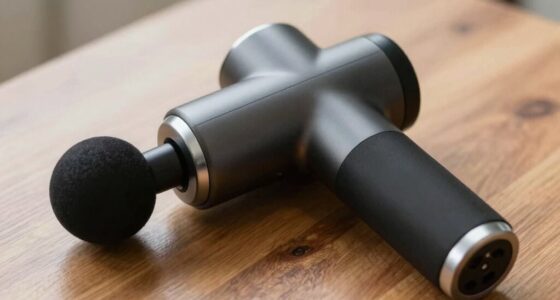
TheraGun Therabody PRO Plus 6-in-1 Deep Tissue Massage Gun, Black

Therabody Theragun Mini 3rd Generation Massage Gun, Black

Therabody Theragun Relief Massage Gun, 3-Speed, Navy
As an affiliate, we earn on qualifying purchases.
From Spa Appointments to On-Demand Access
The report places self-guided recovery within a broader effort by hospitality operators to expand wellness offerings while considering the operational demands of each addition. Traditional treatments remain appointment-based and depend on specialist staff. Automated experiences introduce a different delivery format, one that may be available independently of a therapist, depending on a property’s setup and policies.
Human Touch presents the technology as part of a broader wellness journey. Gonzales said a guest might use an automated massage chair before or after a scheduled treatment. The company markets commercial products with selectable programs and adjustable settings, but the report does not independently evaluate their performance or compare them with other equipment. It also notes that placement and design should fit a property’s layout, guest demographics and brand expectations.
““There are opportunities to complement traditional spa services with experiences that guests can enjoy independently.””
— Jacqui Gonzales, Human Touch director of commercial key accounts
Costs, Demand and Returns Remain Unknown
The supplied report does not quantify equipment costs, installation needs, maintenance expenses, session demand, or financial returns. It therefore does not establish whether self-guided recovery generates profit, reduces staffing costs, or increases bookings for other spa services. The commercial possibilities described are potential models, not documented results.
It is also unclear how individual properties would handle supervision, cleaning procedures, accessibility, guest instruction and use outside staffed hours. The report mentions antimicrobial upholstery for one product, but provides no independent hygiene assessment or operational standards. Each property would need to determine how the equipment fits its own policies, layout and guest needs.
Operators Must Test Local Fit
The next step for interested properties is to assess available space, guest movement, access needs and how an offering would work alongside existing services. Operators would also need to decide whether sessions would be paid, bundled or complimentary, and how guests would learn about and use the equipment.
The report does not announce a rollout, a new partnership or a specific adoption timetable. Any evidence of commercial impact would require property-level results, including usage, costs and guest response. Until those figures are available, self-guided recovery remains an option for operators to evaluate rather than a demonstrated business outcome.
Key Questions
What does self-guided recovery mean in this report?
It refers to automated massage and recovery experiences that guests can use independently, rather than booking a practitioner-led treatment. The report gives automated massage chairs as an example.
Could this replace massage therapists?
The report presents the technology as a complement to traditional spa services. It describes potential short sessions and other access points, while distinguishing these from hands-on treatments that require a practitioner.
How might a hotel or spa charge for sessions?
Possible models include standalone paid sessions, access included in premium packages or memberships, and complimentary use as a guest amenity. The report does not identify one model as proven or most profitable.
Is there evidence that self-guided recovery increases revenue?
The supplied report provides no revenue, utilization or cost data. It describes potential business uses, but does not establish a financial return.
What should operators evaluate before adding it?
The report points to space, guest flow, placement, visibility and communication. Operators would also need to consider their own policies, service mix and how guests will access and understand the experience.
Source: athletechnews.com