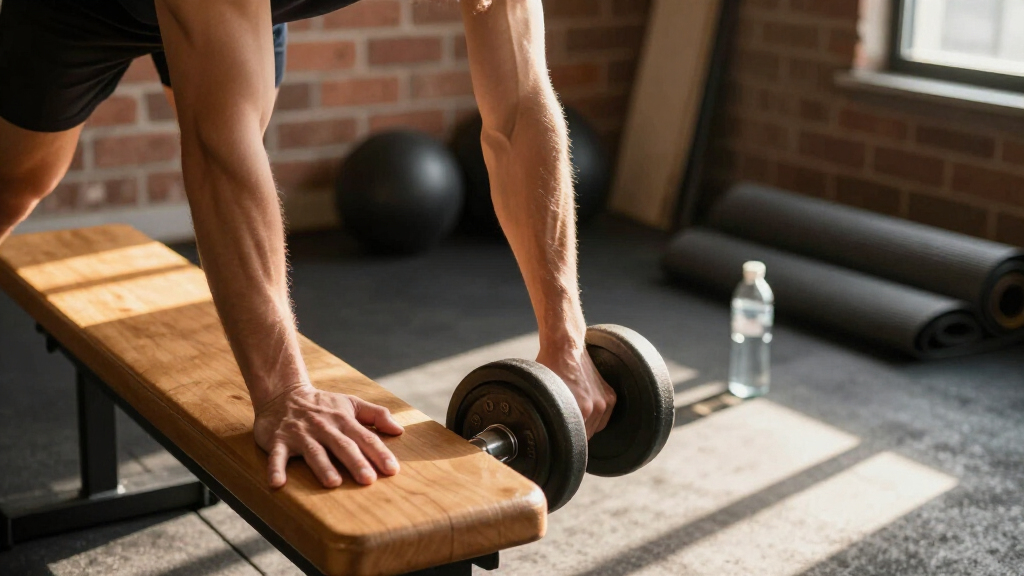
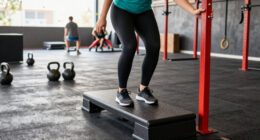
Learn how reverse hyperextension targets key muscle groups and discover who can benefit most from this powerful exercise. Keep reading to unlock its full potential.
Browsing Category
Equipment Education
43 posts
Belt Squat Basics: Why It Feels Different Than Back Squats
Jump into belt squat basics to discover why it feels different than back squats and how it can transform your workout routine.
Smith Machine Mechanics: Fixed Bar Path Pros and Cons
Smith machine mechanics offer controlled lifts and safety benefits, but understanding the pros and cons can help optimize your training—discover how.
Functional Trainer Setup: How to Position Pulleys for Better Lines
Proper pulley positioning enhances workout effectiveness, but the key to optimal setup lies in understanding how to adjust them correctly.
Cable Attachments: How to Match Handles to Muscle Targets
Honing your cable handle choices can maximize muscle engagement, but understanding which attachment suits each target is essential for optimal results.
Cable Machine Basics: Pulley Ratios and Real Load Explained
Optimize your understanding of pulley ratios to accurately gauge real load and enhance your workout safety and effectiveness.
Barbell Collars: Why Plates Slide and How to Prevent It
The truth about barbell collars and why plates slide can be surprising—discover how to prevent accidents and stay safe during lifts.
Kettlebell Shapes: Why Competition Bells Feel Different
The shape of kettlebells, especially competition-style designs, significantly affects how they feel and perform, prompting a closer look at what sets them apart.
Adjustable Dumbbell Mechanics: Why Some Feel Loose at Heavy Weight
Gaining insight into adjustable dumbbell mechanics reveals why some feel loose at heavy weights and how to prevent potential safety hazards.
Steel Plates vs Bumpers: How Noise, Bounce, and Space Change
Compare steel plates and bumpers to see how noise, bounce, and space considerations could influence your choice—discover the key differences that matter.