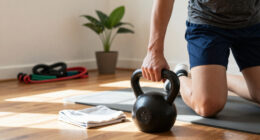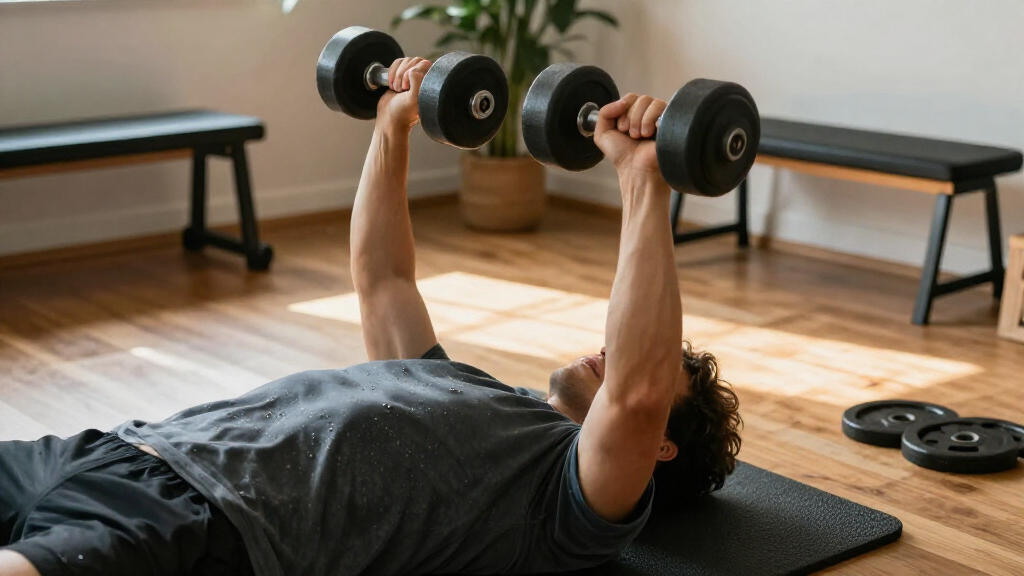

Choose a pair of adjustable dumbbells that suits your exercises, strength level, and available storage space, then set them up for a safe first workout. This guide is for beginners building a home gym or replacing several fixed-weight dumbbells. Allow 45-90 minutes to measure your space, compare models, assemble or adjust the weights, and check the result.

Get workout gear delivered free with Prime
- Fast, free delivery on millions of items
- Prime Video, Amazon Music and more included
- Member-only deals all year

BowFlex Results Series SelectTech Adjustable Dumbbells (Pair)
- ✔ Set: Pair
- ✔ Weight range: 5–52.5 lb per dumbbell
- ✔ Unit count: 2

LifeOG Adjustable Dumbbell Set with Storage Base, 5-in-1, 25 lb per Dumbbell
- ✔ Set: Pair
- ✔ Weight range: 4–25 lb per dumbbell
- ✔ Weight settings: 5 per dumbbell

FITPLAM 5-in-1 Adjustable Dumbbell Set, Up to 45 lb Pair
- ✔ Set configuration: 2 pieces
- ✔ Maximum pair weight: 45 lb
- ✔ Dumbbell options: 6, 8, 10, 13, 15, 17, and 22.5 lb each
Difficulty: Beginner | Time: 45-90 minutes to compare and set up
What You’ll Need
Tools & Materials:
- Tape measure
- Notebook or phone for recording measurements and prices
- Stable, level floor space
- The manufacturer’s instructions for any dumbbells you are considering
Knowledge:
- A general idea of the exercises you plan to do
- Your current working weights for a few common exercises, if known
Check the selected model’s adjustment method, weight increments, maximum weight per dumbbell, dimensions, and warranty before buying. Product names can use terms such as “pair weight” or “per dumbbell” differently, so verify what each listed weight means. Do not plan to use a dumbbell beyond its stated capacity.
BowFlex Results Series SelectTech Adjustable Dumbbells (Pair)
For a home gym centered on dumbbell workouts, BowFlex SelectTech makes the strongest all-around case. Its dial adjustment selects weights from 5 to 52.5 lb per dumbbell, the highest per-dumbbell ceiling in this lineup. That gives lifters more room to progress than the LifeOG set, which stops at 25 lb per dumbbell, while avoiding the manual plate assembly required by FITPLAM. A quick change can help keep a workout moving when sets alternate between lighter and heavier exercises.The pair replaces 15 separate weights and comes with storage trays, a practical advantage when a rack of fixed dumbbells is out of reach. Reinforced metal plates, a locking system, and ergonomic non-slip handles address stability and control during lifts. Still, this is a dedicated dumbbell option, so it cannot take FITPLAM’s place as a kettlebell or barbell. Its maximum is also finite, and the 110.6 lb listed set weight is substantial to move or store. Choose it when your priority is a broad dumbbell range and less friction between exercises; look elsewhere if you want several equipment types from one kit or need to lift beyond its limit.
Pros:
- Dial adjustment selects weights from 5 to 52.5 lb per dumbbell.
- Replaces 15 separate weights and includes storage trays.
- Reinforced metal plates and a locking system help secure the selected weight.
- Ergonomic non-slip handles support a controlled grip.
Cons:
- The 52.5 lb per-dumbbell maximum may limit stronger lifters.
- The listed total item weight is 110.6 lb, which can complicate moving or storage.
Best for: Home lifters who want a wide per-dumbbell range and fast changes for varied strength workouts.
Not ideal for: People who need a multi-format kit, have difficulty handling a 110.6 lb set, or expect to lift more than 52.5 lb per dumbbell.
Bottom line: For a home gym focused on progressive dumbbell training, BowFlex offers the broadest range and quickest adjustments in this comparison.
“For a home gym focused on progressive dumbbell training, BowFlex offers the broadest range and quickest adjustments in this comparison.”
LifeOG Adjustable Dumbbell Set with Storage Base, 5-in-1, 25 lb per Dumbbell
LifeOG’s storage-base adjustment suits a home routine where convenience matters more than a high maximum. Each dumbbell changes between five settings from 4 to 25 lb while resting on the included base. That avoids swapping loose plates by hand, and it makes this set easier to transition between exercises than FITPLAM. Compared with BowFlex, though, its range is narrower and offers less headroom for lifters who are steadily increasing strength.The cast-iron plates have a polyethylene outer layer, while a textured silicone handle is designed to resist slipping. Those choices make the set feel oriented toward regular indoor use, and the base gives the weights a designated storage place. The constraint is that changes only work while the dumbbells are on the base, so the base is part of the workout setup rather than an optional accessory. Five settings also mean fewer increments than some buyers may want for finely paced progression. LifeOG is a sensible middle pick for moderate lifting and tidy storage; skip it if you need a higher ceiling, more granular settings, or the freedom to reconfigure plates away from the base.
Pros:
- Changes between five weight settings without manual plate swapping.
- Included base provides a dedicated place for storage and adjustment.
- Dual-lock system secures plates when the dumbbells are lifted.
- Textured silicone handles are designed for a non-slip grip.
Cons:
- Weight changes can only be made while the dumbbells are on the base.
- The 25 lb per-dumbbell maximum offers less room to progress than BowFlex.
Best for: Beginners and intermediate home exercisers who want straightforward weight changes within a 25 lb per-dumbbell range.
Not ideal for: Lifters who need heavier dumbbells, many weight increments, or adjustment without placing the dumbbells on a base.
Bottom line: LifeOG is the practical choice for moderate home workouts when base-based adjustment and compact organization matter more than a high weight ceiling.
“LifeOG is the practical choice for moderate home workouts when base-based adjustment and compact organization matter more than a high weight ceiling.”
FITPLAM 5-in-1 Adjustable Dumbbell Set, Up to 45 lb Pair
FITPLAM is the most versatile set by exercise format: it converts into dumbbells, a kettlebell, a barbell, weight plates, and push-up stands. For a small home gym where buying several kinds of equipment is impractical, that range can matter more than rapid changes. Its listed storage footprint is under 2 square feet, and the dual-lock nuts help keep manually assembled plates from shifting. Textured grips and a foam-padded barbell connector add practical comfort to the varied setup.The compromise is time and resistance. Configurations require manual adjustment between exercises, so it is less convenient than the BowFlex dials or LifeOG base when a workout alternates weights frequently. Its listed 45 lb maximum is for the pair, with individual dumbbell options up to 22.5 lb each; that is a different measure from the per-dumbbell ranges listed for the other two sets. The barbell configuration reaches 45.8 lb, but the set may still fall short for heavier training. Choose FITPLAM when space and multiple exercise formats are the deciding factors. If you mainly want fast dumbbell changes or a higher per-hand load, BowFlex is a better fit, while LifeOG is simpler for moderate dumbbell-only sessions.
Pros:
- Converts into dumbbells, a kettlebell, a barbell, plates, and push-up stands.
- Listed storage footprint is less than 2 sq ft.
- Dual-lock nuts help prevent plates from loosening or shifting.
- Textured grips and a foam-padded barbell connector support comfort.
Cons:
- Weight configurations require manual adjustment between exercises.
- The listed maximum pair weight of 45 lb may not suit heavier lifting.
Best for: Space-conscious beginners or general fitness users who want one kit for several exercise formats.
Not ideal for: Lifters who prioritize fast transitions, need heavier dumbbells, or want a dedicated dial-adjustable set.
Bottom line: FITPLAM gives a small home gym the most exercise formats per set, provided manual changes and a modest dumbbell ceiling fit your training.
“FITPLAM gives a small home gym the most exercise formats per set, provided manual changes and a modest dumbbell ceiling fit your training.”
As an Amazon Associate we earn from qualifying purchases.
Before You Start
Set a realistic budget and check return terms before ordering. Adjustable dumbbells differ in price, weight range, adjustment speed, footprint, and included accessories. Confirm whether the price covers one dumbbell or a pair, and whether the stand is included or sold separately. Read the care and safety instructions: some models are designed to be picked up from a tray, while others use plates and collars that must be secured by hand.
Plan to keep the dumbbells on a firm, level surface with enough room to pick them up and move through your exercises. Avoid a location where weights could roll, fall from a shelf, or block an exit. If you have a specific injury or medical restriction, follow advice from a qualified health professional before starting a new exercise program.
Step-by-Step Instructions
Step 1: List the exercises you want to train
Write down the exercises you expect to do with dumbbells, such as rows, presses, curls, lunges, and Romanian deadlifts. Note whether you need a pair for each movement or expect to use one dumbbell at a time. Include any movements that require the weights to rest on your thighs or sit close to your body; bulky designs can feel awkward in those positions.
Choose equipment for the workouts you will actually do. A compact set can work well for general strength training, while heavy lower-body movements may call for a model with a higher capacity.
Tip: If you are unsure which exercises belong in your routine, start with a short list of familiar movements rather than buying for every possible future workout.
Check: You have a practical exercise list and know whether your workouts need one dumbbell or a pair.
Step 2: Estimate your weight range
For each exercise on your list, record the weight you can currently lift with steady control, if you know it. Use the heaviest exercise to estimate the maximum you may need per dumbbell. Use the lightest exercise to check whether the model offers small enough increments for controlled upper-body work.
Compare these needs with the product’s published minimum, maximum, and increments. Check whether listed weights apply to one dumbbell or the set as a whole. If you are new to lifting, choose a range that leaves room to progress while still offering manageable starting weights; ask a qualified trainer for help if you are uncertain about safe loads.
Tip: Do not rely on a single maximum-weight figure. A model may have a high top weight but jumps between settings that are too large for your current training.
Check: The proposed range covers your planned exercises, and the available increments include weights you can control.
Step 3: Measure the workout and storage area
Measure the floor area where you will pick up, set down, and use the dumbbells. Check the product dimensions at its lightest and heaviest settings, plus the tray or stand dimensions if included. Leave room to place the weights down without striking walls, furniture, or your feet.
Consider the floor and your storage surface. Keep heavy equipment on a stable surface rated for its load; do not store dumbbells on a narrow shelf or high ledge where they could fall. If the manufacturer recommends using a stand, include it in your space plan.
Tip: Measure doorways or closet openings if you plan to move the set between rooms.
Check: The dumbbells and any stand fit the intended location, with clear space for handling and exercise.
Step 4: Compare adjustment systems and build
Compare how each candidate changes weight. Dial and selector systems can change settings quickly, while plate-and-collar systems may take longer but can offer a simpler design. Check how the selected weight is locked in place, whether the handles feel comfortable, and whether the dumbbells can be lifted safely from their trays.
Read the manufacturer’s instructions and product details for permitted use, included components, warranty, and maintenance. Look for notes about dropping, impact, or floor use: do not assume an adjustable dumbbell can be dropped like a gym barbell. Check the return policy in case the handle width, shape, or adjustment process does not suit you.
Tip: When possible, handle a demo unit or watch a clear demonstration of the adjustment process before purchasing.
Check: You can explain how the model changes weight, what parts are included, and which handling rules apply.
Step 5: Select the set and confirm what is included
Choose the model that fits your exercise list, weight range, room, and budget. Before placing the order, confirm the number of dumbbells, weight per dumbbell, adjustment increments, tray or stand inclusion, and delivery requirements. Check that replacement parts or support are available through the manufacturer if the model depends on proprietary trays or locking pieces.
Save the product specifications and instructions where you can find them when the set arrives. If buying in person, inspect the packaging for damage and confirm that the listed components are present.
Tip: Treat accessories as part of the total cost if you need a stand, mat, or storage solution to use the set safely.
Check: Your order or purchase matches the planned weight range, includes the parts you need, and fits your budget.
Step 6: Set up and inspect the dumbbells
Place the tray or stand on a hard, level surface, following the manual. Unpack the dumbbells and inspect the handles, plates, selector, locking parts, and tray for cracks, bent pieces, or shipping damage. Do not use a unit with a damaged locking mechanism or missing component; contact the seller or manufacturer.
Read the adjustment instructions before changing weight. Set each dumbbell to the lightest setting and return it to the tray as directed. For plate-loaded models, install the plates in the stated order and tighten the collars as instructed. Keep fingers clear of moving parts and do not force a dial or selector that does not move smoothly.
Tip: Keep small collars, pins, and other loose parts in the designated storage place so they do not get lost.
Check: Both dumbbells sit correctly in their trays, show no visible damage, and adjust smoothly according to the manual.
Step 7: Test each weight setting before training
With the dumbbell resting in its tray, select a light setting and check the displayed weight or plate arrangement. Lift it a short distance using the method specified by the manufacturer, then return it fully to the tray before changing the setting. Repeat for each setting you plan to use, checking that the plates remain aligned and the selector or collar locks as described.
Test one dumbbell at a time and keep the movement controlled. Do not shake, drop, or swing a newly adjusted dumbbell to test its lock. If any part shifts, rattles unusually, or fails to engage, stop using it and follow the troubleshooting guidance or contact the manufacturer.
Tip: For dial systems, many designs require the handle to be seated fully in the tray before adjusting. Follow the model’s specific sequence.
Check: The selected weights engage and lift as the instructions describe, without loose plates or unexpected movement.
Step 8: Choose a starting load and store the set
Begin your first session with a light weight that lets you move through each planned exercise with control. Raise the load gradually over later sessions only when you can complete the movement with steady form. Follow the manufacturer’s guidance for setting down the dumbbells, and avoid dropping them unless the product explicitly permits it.
After training, return the dumbbells to their trays or another approved storage location. Check that both are set to a valid weight and keep the area clear so no one trips over the equipment.
Tip: If an exercise causes sharp pain, stop the movement and seek appropriate professional advice rather than testing a heavier load.
Check: You can start a controlled workout, change settings safely, and store the set without leaving parts or weights on the floor.
Common Mistakes to Avoid
- Changing settings while the dumbbell is lifted or not seated as directed. — Place the dumbbell in its tray or on a stable surface and follow the model’s adjustment sequence every time.
Troubleshooting
Problem: The available weight jumps are too large for steady progress.
Solution: Use the lower setting until you can complete the exercise with control, then progress when ready. Check whether the manufacturer offers compatible add-on weights; do not improvise weights or modify the locking system.
What Success Looks Like
Your adjustable dumbbells match the weight range and exercises you planned, fit in the workout and storage area, and have all required parts. Each setting engages according to the manual, the weights lift without shifting, and you can adjust, set down, and store them safely. Your first workout uses a load you can control through the full movement.
Next Steps
Keep the manufacturer’s instructions near your storage area and follow its cleaning, inspection, and maintenance schedule. Before each workout, check that selectors, pins, collars, plates, and trays are free of damage and engage correctly. Wipe the handles after use if the manual allows it, and store the set in its approved position. Revisit your exercise list and weight range as your training changes; replace or upgrade the set when it no longer supports your planned loads or safe handling needs.
Frequently Asked Questions
Should I buy one adjustable dumbbell or a pair?
A pair lets you train both sides at once for movements such as presses and lunges. One dumbbell can suit single arm exercises or a very limited space and budget. Check that the exercises you plan to do work with the number you buy.
How heavy should adjustable dumbbells be?
Choose a range that includes manageable loads for your lightest planned exercise and enough capacity for your heaviest. Use your current controlled working weights as a starting point, and check the increments as well as the maximum per dumbbell.
Are adjustable dumbbells safe for a beginner?
They can be suitable when you follow the model’s adjustment and handling instructions, choose a load you can control, and inspect the locking parts before use. Ask a qualified trainer to review exercises if you are unsure about technique.
Can I drop adjustable dumbbells after a set?
Only if the manufacturer explicitly says the model can be dropped. Many adjustable designs can be damaged by impact, so set them down with control and use the recommended surface.
Do I need a stand for adjustable dumbbells?
Use a stand if the manufacturer requires one or if it gives you a stable, practical way to lift and store the set. Confirm whether it is included, check its dimensions, and place it on a level surface rated for the load.