
TL;DR

Get workout gear delivered free with Prime
- Fast, free delivery on millions of items
- Prime Video, Amazon Music and more included
- Member-only deals all year
Hawaii plans to launch a Medicaid Food Is Medicine program in January, beginning with nutrition education and food boxes for eligible patients. The initiative could reach more than 100,000 residents, but its rollout, food sourcing and longer-term health effects remain developing.
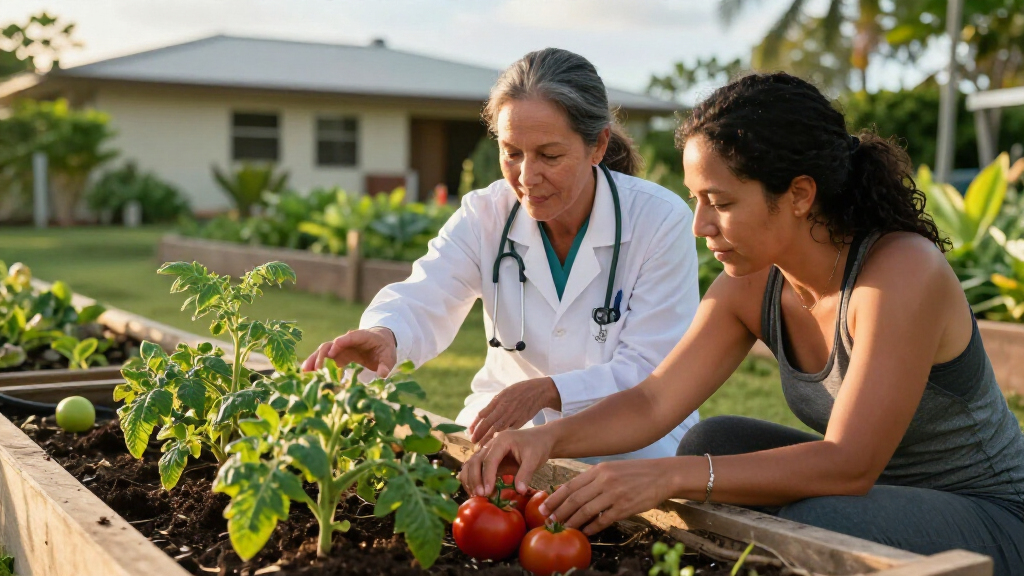
Hawaii plans to begin a Medicaid Food Is Medicine program as soon as January, allowing participating health providers to prescribe food boxes and nutrition education to eligible patients. The federally funded initiative could serve more than 100,000 residents and is intended to address diet-related health problems and limited access to nutritious food in low-income communities.
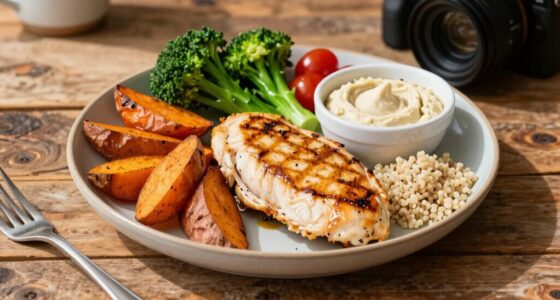
The state program is expected to roll out in three phases. Its first phase is set to include nutrition education and food boxes for eligible patients. The boxes may contain fresh fruit and vegetables as well as protein such as ahi, beef, chicken and eggs. The report does not specify which providers will participate or how each patient will qualify.
Hawaii’s plan operates under a Social Security Act Section 11-15 Medicaid waiver, which allows experimental and innovative health programs. Hawaii will join at least a dozen other states using the waiver for nutrition initiatives, according to the report. The state’s program has been in development for several years.
Advocates have proposed that at least 15% of produce and protein come from local sources. That target is aspirational, not binding, and the sourcing plan remains in development. Supporters say buying locally could benefit farmers and expand supply, but the report does not establish a guaranteed economic return or number of jobs.
Food Access Meets Medicaid Care
The program could change how some Medicaid patients receive support for diet-related health needs: instead of relying only on advice about healthy eating, eligible participants may receive food directly alongside nutrition education. That matters in a state where one in three households reportedly has limited access to safe, affordable and nutritious food.
The potential reach is substantial, but access to food is not the same as a demonstrated health outcome. Advocates say the initiative could help people whose food choices are shaped by affordability and availability. Local sourcing could also connect health spending with Hawaii’s agricultural sector, although the local-food goal is not mandatory and its economic effects are not yet established.
For readers, the key distinction is that this is a planned public program, not a universal food benefit or a guarantee that every Medicaid patient will receive a prescription. Eligibility rules, participating sites and the amount or duration of food support are not detailed in the source report.
Products Worth Considering

OMRON Complete 2-in-1 Upper Arm Blood Pressure Monitor with EKG

Garmin Venu 3S GPS Smartwatch with AMOLED Display, Soft Gold and French Gray Silicone Band

BowFlex Results Series SelectTech Adjustable Dumbbells (Pair)
As an affiliate, we earn on qualifying purchases.
Pilot Programs Offer Early Evidence
Food insecurity and access barriers are especially visible in some island communities. Hawaii Food Bank’s 2025 State of Food Security Report, as cited by MedPage Today, says one-third of state households report insufficient access to adequate, nutritious and affordable food. The report also describes Puna on the Big Island as a food desert. Those figures describe the source’s cited research and do not, by themselves, show what the new statewide program will achieve.
Some patients have already taken part in a pilot operating under the Medicaid waiver. Big Island residents Suzette and Moses Paio received weekly produce and protein boxes for five months through a program delivered by the Food Basket, Hawaii’s food bank. The report says Suzette Paio’s average blood sugar halved and Moses Paio lost more than 70 pounds. Those are individual accounts from a pilot, not proof that all participants will see similar results.
Researchers are still studying the approach. The University of Hawaii is conducting a five-year study on hypertension at healthcare centers on the islands, led by assistant professor of nutrition Monica Esquivel. Separate nutrition-focused programs have operated in West Oahu since 2017, according to the report. Their existence provides local experience, while the statewide Medicaid initiative will require further evaluation.
Eligibility, Supply and Outcomes
The source report does not give the program’s final eligibility criteria, how patients will be referred, which clinics will take part or how much food each person may receive. It also says the start is planned for as soon as January but does not specify the year, leaving the precise launch date unclear.
The local purchasing aspiration is not a requirement, and it remains unclear how much food can be sourced from Hawaii producers at launch. Supporters have forecast possible economic benefits, including new jobs, but the source provides no confirmed funding or results establishing those projections.
Health effects are also still being studied. The Paio family’s reported experience and early pilot data may inform the discussion, but they do not settle whether the statewide program will improve health across its potential patient population. The University of Hawaii study is expected to add evidence over time.
January Launch and Study Milestones
The state’s planned first phase is nutrition education and food boxes for eligible patients, beginning as soon as January. The initiative is intended to expand in three phases, but the source report does not list dates or specific services for the later stages.
As implementation proceeds, providers and program agencies will need to clarify enrollment, participating locations, food delivery and local sourcing. Researchers at the University of Hawaii will continue their five-year study of hypertension, while advocates say more evaluation is needed to understand the program’s effects. Those details will help show how far the plan reaches and whether its health and agricultural goals are met.
Key Questions
When is Hawaii’s food prescription program expected to start?
The first phase is planned to begin as soon as January. The source report does not specify the year or give an exact launch date.
Who may be eligible for the program?
The initiative is aimed at eligible Medicaid patients and could reach more than 100,000 Hawaii residents. Final qualification and referral rules were not provided in the report.
What food could patients receive?
The planned food boxes may include fresh fruit and vegetables and proteins such as ahi, beef, chicken and eggs. The program’s precise menus and delivery arrangements remain unclear.
Will the food have to come from Hawaii farms?
No. Advocates have proposed that at least 15% of produce and protein come from local sources, but the target is aspirational rather than binding.
Have health benefits been proven?
No statewide results are reported. Pilot participants have described individual improvements, and the University of Hawaii is conducting a five-year hypertension study; further evidence is still needed.
Source: medpagetoday.com