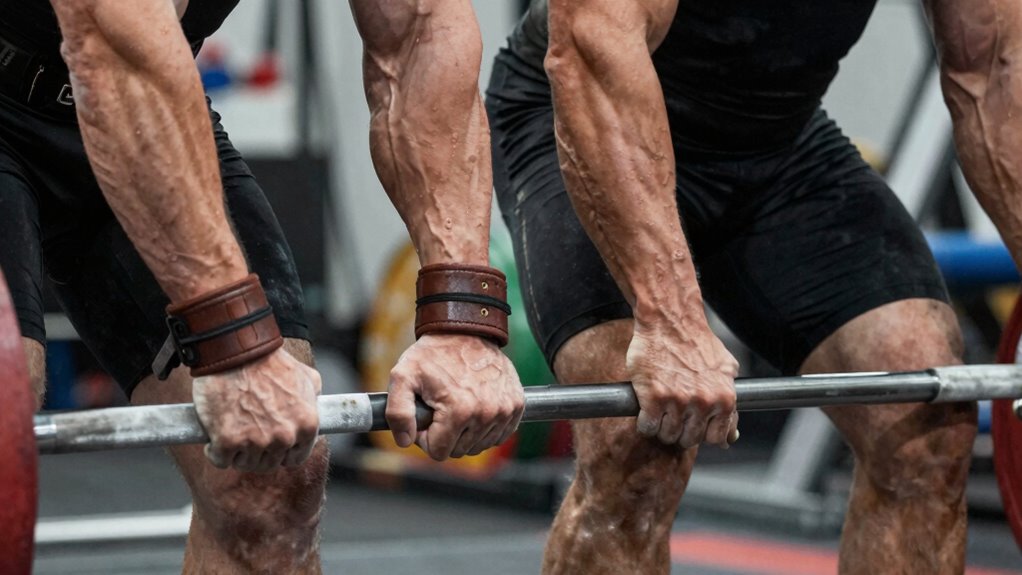

Choosing between straps and a mixed grip depends on your goals and safety needs. Straps help you hold heavier weights longer by reducing grip fatigue, but they don’t build grip strength themselves. A mixed grip offers a secure hold for max effort lifts and can prevent slipping, yet it might cause muscle imbalances. Understanding their pros, cons, and how to switch securely ensures you optimize performance while minimizing injury—keep going to learn more about making the best choice.

Get workout gear delivered free — and shop member deals
- Fast, free delivery on millions of items
- Access to Prime Big Deal Days deals on October 6–7
- Prime Video, Amazon Music and more included
Key Takeaways
- Straps improve grip security during high-rep or heavy lifts but may hinder grip strength development over time.
- Mixed grip offers a more secure hold for maximal lifts but can cause muscle imbalances and bicep strain.
- Straps reduce grip fatigue but risk over-reliance, limiting natural grip strength growth.
- Mixed grip distributes tension evenly, preventing bar rotation but may increase injury risk if misused.
- Choose based on your training goal: straps for safety and endurance, mixed grip for maximum strength.
As an affiliate, we earn on qualifying purchases.
What Are Deadlift Grips and How Do They Differ?
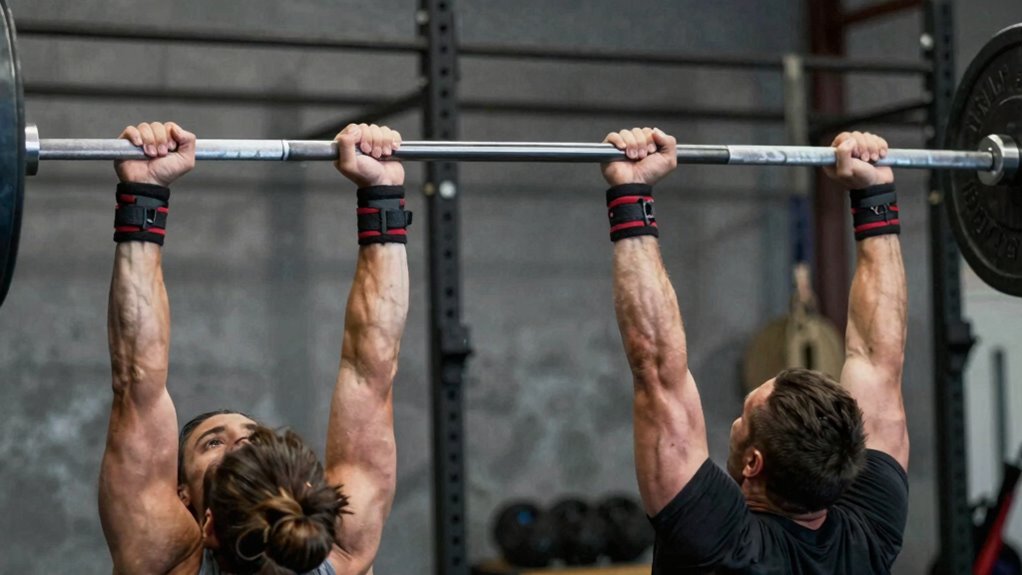
What exactly are deadlift grips, and how do they differ? Deadlift grips are the ways you hold the barbell during a lift, impacting grip mechanics and overall stability. The two main types are double overhand and mixed grip. Double overhand involves both palms facing your body, promoting even hand positioning but can limit grip strength as fatigue sets in. The mixed grip combines one palm facing you and the other away, enhancing grip security for heavier lifts. Hand positioning is essential because it affects how force is distributed and how long you can hold the bar. Your choice of grip influences your deadlift performance, grip fatigue, and risk of injury. Understanding these differences helps you select the right grip for your goals and lifting style. Additionally, using proper grip techniques can prevent injuries, and improving grip strength through targeted exercises can further enhance your lifting capacity and safety. Proper grip positioning can also influence muscle engagement and overall lift stability. Incorporating appropriate grip training can further strengthen your grip, allowing for better performance and reduced fatigue during heavy lifts. Moreover, integrating grip-specific exercises can help mitigate grip fatigue and enhance your capacity to handle heavier weights safely.
As an affiliate, we earn on qualifying purchases.
When Should You Use Deadlift Straps, and What Are Their Benefits?
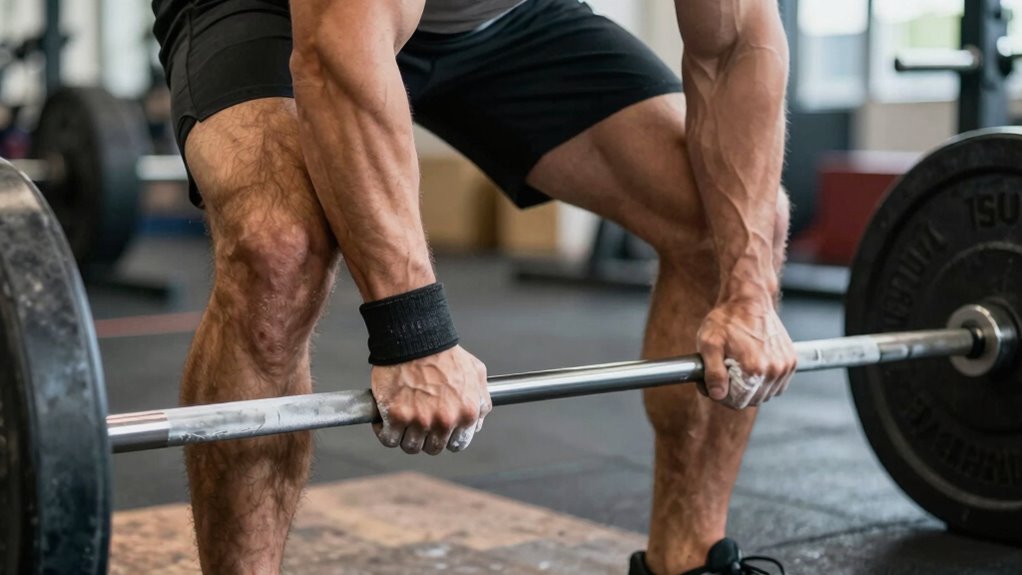
Deadlift straps become especially useful when your grip starts to weaken, and you need extra support to lift heavy loads. If you notice your grip strength fading during a set, straps can help you maintain a secure hold without risking a dropped bar. They’re particularly beneficial during high-rep or max-effort lifts, where grip fatigue sets in faster than your muscles. The straps benefits include reducing grip fatigue, allowing you to focus on target muscle groups and lift heavier weights safely. Using straps can also help you train with proper form when grip strength limits your progress. Keep in mind, however, that relying on straps too often might limit your grip development. For heavy, demanding lifts, straps can be a valuable tool to push your limits safely.
grip strength training equipment
As an affiliate, we earn on qualifying purchases.
As an affiliate, we earn on qualifying purchases.
Why Do Powerlifters Prefer a Mixed Grip for Heavy Deadlifts?
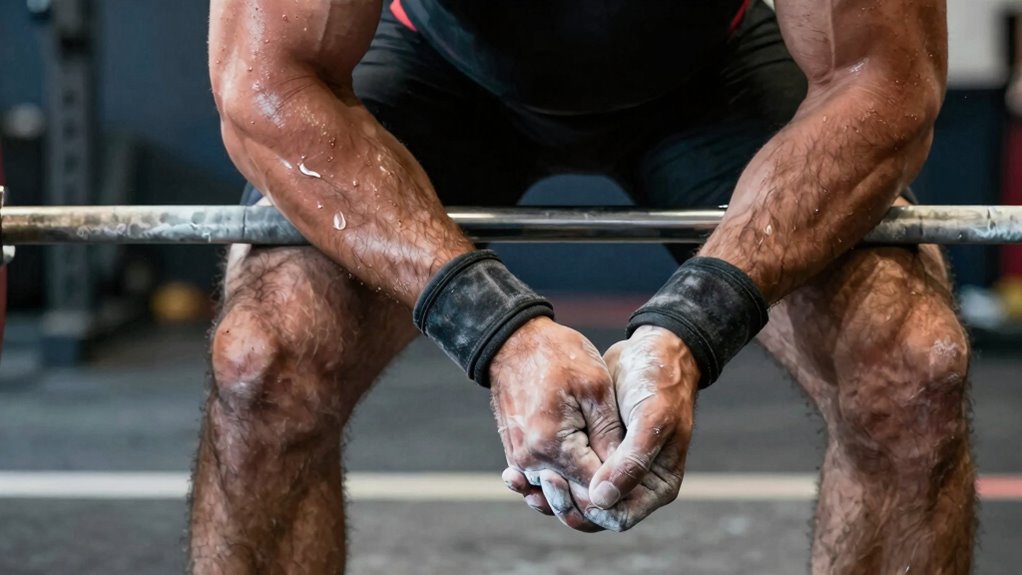
Powerlifters prefer a mixed grip for heavy deadlifts because it provides a more secure hold on the bar, reducing the risk of slipping during the lift. This grip enhances grip security, especially when lifting near maximum loads. It also helps combat grip fatigue, which can set in as your forearms tire with a double overhand grip. By alternating your hand position, you distribute tension more evenly across muscles and tendons. This prevents one side from becoming overworked. Additionally, a mixed grip minimizes the chance of bar rotation, maintaining stability throughout the lift. Many lifters find that this grip method allows them to push heavier weights with confidence, knowing their grip won’t give out prematurely. Proper safety precautions are essential when using a mixed grip to prevent injury and ensure proper technique. Using training accessories, like straps or chalk, can further improve grip security when needed. Incorporating technique variations can also help develop grip strength over time. Moreover, understanding the muscle engagement involved in grip techniques can assist lifters in tailoring their training for better performance. Overall, it’s a strategic choice to improve performance and safety during heavy deadlifts.
As an affiliate, we earn on qualifying purchases.
What Are the Risks and Drawbacks of Using Straps and Mixed Grip?
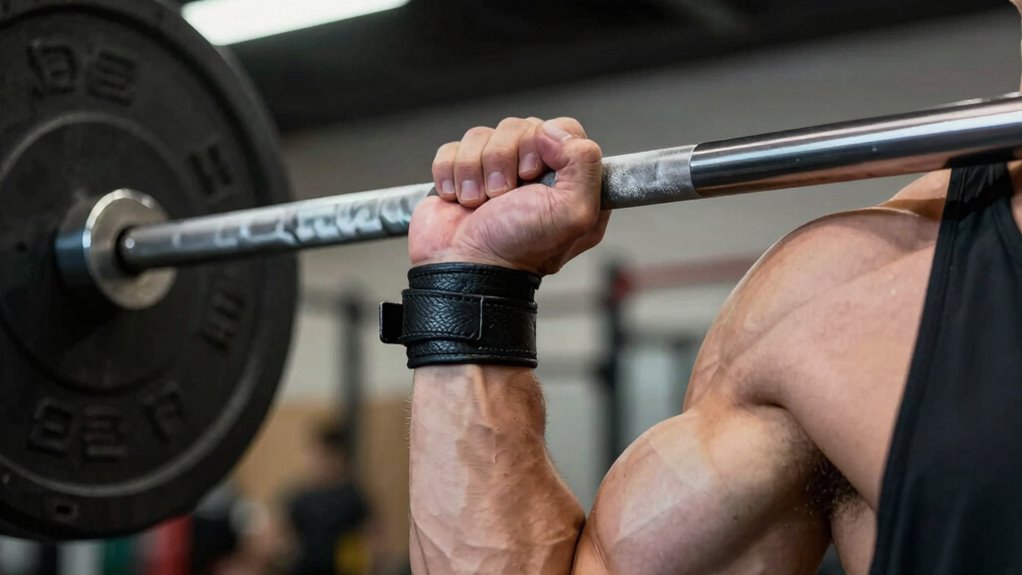
While straps and mixed grips can boost your lifting capacity, they also come with significant risks. Using straps may lead to hand fatigue over time, reducing your grip strength and making it harder to lift without assistance later. They can also mask grip slippage, giving a false sense of security that might cause you to overestimate your grip’s true strength. With a mixed grip, grip slippage is a real concern, especially if your grip fatigues or becomes uneven during a heavy lift. Additionally, a mixed grip can lead to muscle imbalances or even bicep tears on the supinated side due to uneven stress. Both methods can compromise your natural grip development, increasing the risk of injury and dependence on external aids rather than building raw grip strength. Regularly evaluating your training techniques can help prevent over-reliance on these aids and promote balanced strength development. Incorporating grip strengthening exercises into your routine can also mitigate some of these risks and improve overall grip durability. Furthermore, understanding the impact of grip aids on muscle symmetry can help you make more informed decisions about training methods to prevent long-term imbalances, especially considering how muscle imbalances can affect overall posture and performance. Paying attention to training cues and proper technique can also minimize the likelihood of injury associated with these grip methods.
How Do You Choose the Best Deadlift Grip for Your Goals?
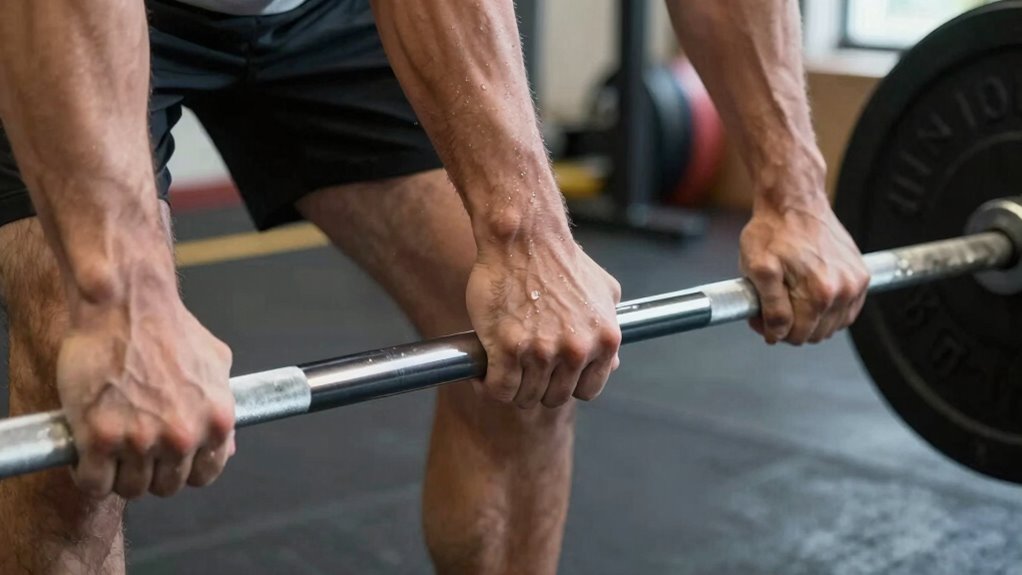
Choosing the right deadlift grip depends on your goals, experience level, and safety considerations. Your hand positioning influences grip strength, comfort, and injury risk. To find the best grip for your goals, consider these factors:
Selecting the right deadlift grip depends on your goals, experience, and safety to maximize performance and minimize injury risk.
- Grip consistency: Maintain the same grip style to develop muscle memory and improve performance.
- Type of deadlift: For max lifts, a mixed grip can prevent grip fatigue, but for beginners or high-rep sets, straps or a double overhand grip might be better.
- Safety: Prioritize a grip that minimizes strain and allows you to lift safely without compromising form. Using proper grip techniques can help prevent injuries and improve lifting efficiency.
- Equipment compatibility: Selecting a grip that works well with your training gear and setup can enhance safety and effectiveness. Additionally, understanding grip strength development can help you adapt your grip over time to match your increasing strength levels.
- Progressive overload: Incorporating grip training into your routine can help you build strength and durability in your hands and forearms, ultimately supporting your deadlift performance.
Ultimately, your choice should support your training objectives while ensuring safety and durability in your grip. Adjust as needed based on your progress and comfort.
How Can You Safely Switch Between Different Deadlift Grips?
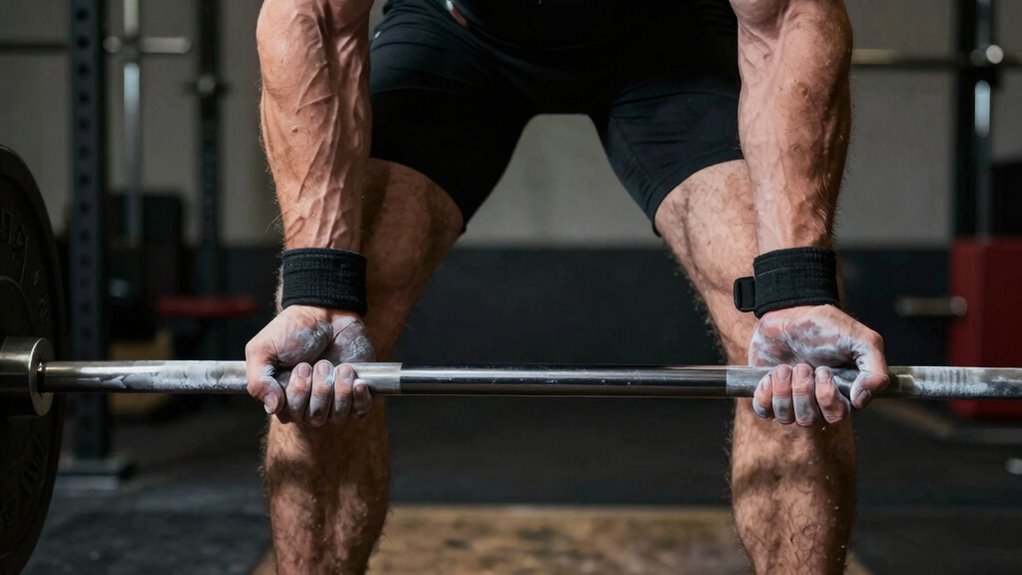
Switching between different deadlift grips can enhance your training and reduce injury risk, but doing so safely requires a deliberate approach. To guarantee proper hand positioning, always adjust your grip gradually, paying attention to grip security. When transitioning from a mixed grip to a double overhand grip, start by practicing with lighter weights to build confidence and stability. Maintain consistent hand positioning to prevent imbalance or slip. If you switch from straps to a bare grip, be cautious about grip security—straps can mask grip fatigue, so ensure your hands are secure before lifting heavy. Always listen to your body, and avoid abrupt grip changes during heavy lifts. Proper technique and gradual adjustments help protect your tendons and promote safe, effective deadlifting. Incorporating essential DIY tools and safety tips can also help prevent accidents and ensure your workout environment is safe.
What Are Some Alternatives to Straps and Mixed Grip to Prevent Injuries?
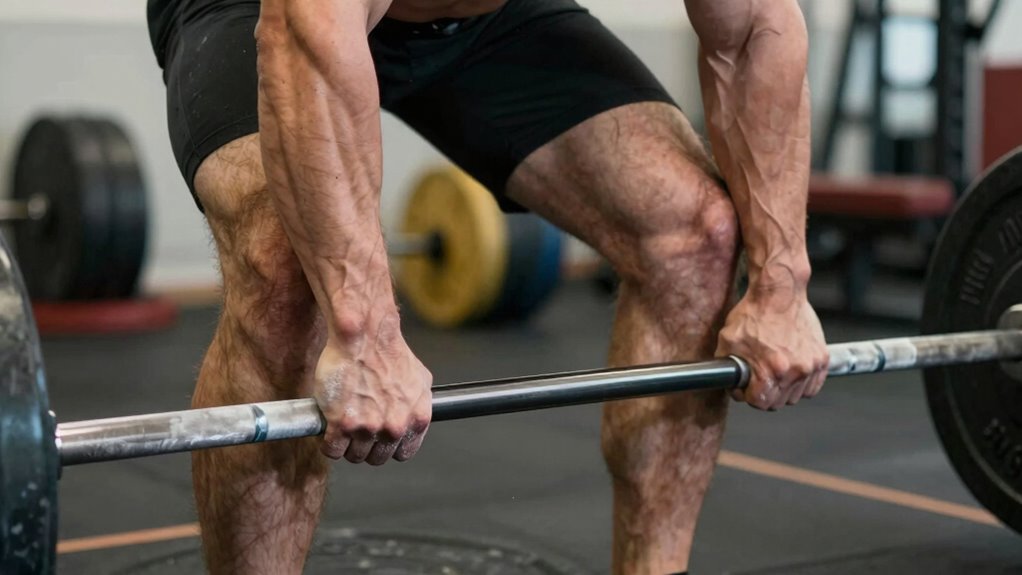
To reduce injury risk, focus on using proper grip techniques during your lifts. Incorporating grip strengthening exercises can also enhance your grip stability and prevent reliance on straps or mixed grips. These approaches help you lift safely and build a more resilient grip over time. Additionally, understanding how to manage stress and tension during workouts can improve overall safety and performance. Developing a free floating grip technique can further contribute to safer lifting by promoting natural hand positioning and reducing strain. Exploring smart lock technology can also provide added security for your workout space, ensuring equipment and personal belongings are protected. Building muscle endurance through consistent training can also support your grip strength and reduce fatigue during heavy lifts. Moreover, familiarizing yourself with halal fitness equipment options can ensure your training aligns with your values and safety standards.
Use Proper Grip Technique
When it comes to preventing injuries during heavy lifting, maintaining proper grip technique is essential. A secure grip improves grip stability and reduces hand fatigue, helping you lift safely and effectively. Focus on:
- Using a hook grip to lock your hands around the bar, increasing grip stability without over-relying on straps.
- Ensuring your hands are evenly spaced and gripping the bar firmly from the start to avoid uneven load distribution.
- Engaging your forearm muscles actively to support your grip, which lessens hand fatigue and maintains control during the lift.
- Incorporating adaptive grip training to strengthen your hands and forearms over time, enhancing overall lifting safety and performance. Additionally, paying attention to proper grip positioning can significantly reduce strain and injury risk during heavy lifts. Developing grip endurance through targeted exercises can also help sustain grip strength during extended sets or heavy loads.
These techniques help you build grip strength naturally and prevent slip-ups or strains. Consistently practicing proper grip forms guarantees safer lifts, reduces injury risk, and enhances overall lifting performance.
Incorporate Grip Strengthening Exercises
Building grip strength through targeted exercises can reduce your reliance on straps and mixed grips, lowering injury risks. Focus on improving grip endurance by doing exercises like farmer’s carries, plate pinches, and dead hangs. These activities challenge your grip muscles, helping you hold heavier weights longer without fatigue. Incorporate hand mobility drills to enhance flexibility and prevent strain during lifts. Strengthening your grip also promotes better control and stability during deadlifts, reducing the temptation to overuse straps or switch grips. Consistent training not only boosts your grip strength but also helps develop muscular balance, decreasing the chance of injuries caused by overcompensation. By prioritizing these exercises, you can safely lift heavier while preserving your grip health and overall muscle function.
Which Deadlift Grip Is Right for You? Final Tips and Recommendations
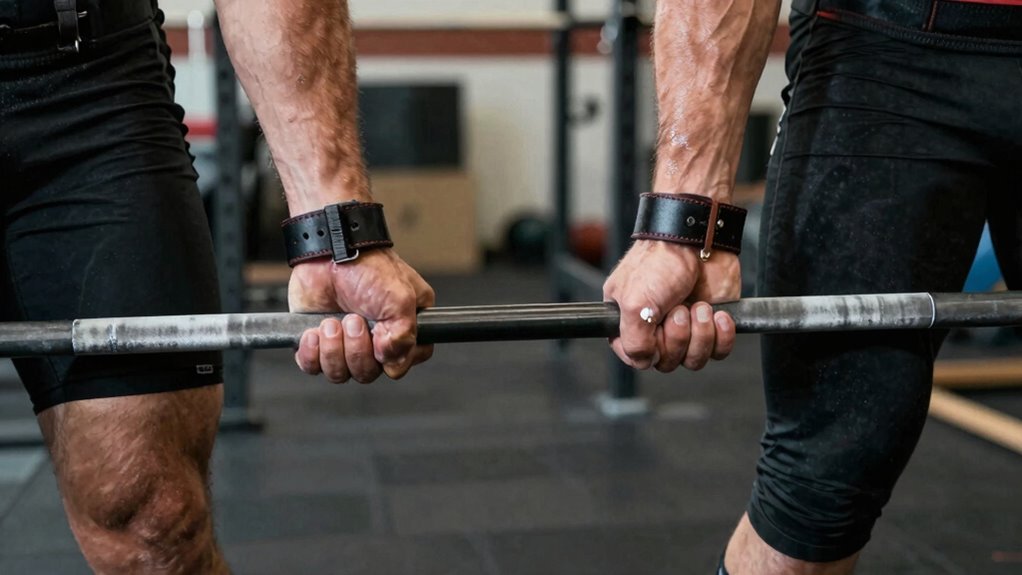
To choose the right deadlift grip, start by evaluating your grip strength—if you struggle to hold the bar, you might need additional support. Consider your training goals; whether you’re aiming for maximum lift or injury prevention can influence your choice. Ultimately, selecting the grip that matches your ability and objectives will help you lift safely and effectively.
Assess Your Grip Strength
Evaluating your grip strength is a crucial first step in choosing the right deadlift grip. To do this, test your grip endurance by holding a heavy weight for as long as possible, noting when hand fatigue sets in. Pay attention to signs like slipping or loss of control, which indicate your grip’s limit. Consider these points:
- How long can you maintain a secure grip before hand fatigue affects performance?
- Do your hands feel strained or weak after sets?
- Is your grip slipping despite effort?
This self-assessment helps identify whether your grip is strong enough for a mixed grip or if straps might be necessary. Knowing your grip endurance ensures you choose a grip that supports progress without risking injury or unnecessary fatigue.
Consider Your Training Goals
Your training goals should directly influence your choice of deadlift grip, as different grips offer distinct advantages depending on what you aim to achieve. If you focus on grip ergonomics and grip training, selecting the right grip becomes essential for performance and safety. For maximal strength, a mixed grip provides security and stability. For grip endurance or injury prevention, straps or a double overhand grip might be better. Consider this table:
| Goal | Recommended Grip | Key Benefit |
|---|---|---|
| Maximal strength | Mixed grip | Secure, reduces grip fatigue |
| Grip endurance | Overhand grip | Improves grip strength |
| Injury prevention | Straps | Reduces grip strain |
| Balanced development | Alternating grip | Promotes grip symmetry |
Align your grip choice with your goals to optimize grip ergonomics and training effectiveness.
Frequently Asked Questions
Can Grip Choice Affect Deadlift Injury Risk?
Yes, your grip choice can affect deadlift injury risk. A secure grip improves grip stability, preventing slips that could cause injury. Using straps can enhance grip security and wrist comfort, reducing strain, while a mixed grip offers stability but may increase uneven stress on your wrists and shoulders. Prioritize grip stability and wrist comfort to minimize injury risk, and switch grips periodically to avoid imbalances.
How Does Grip Impact Deadlift Technique and Form?
Grip impacts deadlift technique more than you might think. Proper grip mechanics guarantee your hands stay secure, while incorrect hand positioning can cause instability or imbalance. When your grip is solid, your core stays engaged, and your back remains straight. Conversely, a weak or uneven grip can lead to poor form, risking injury. Focus on your hand placement and grip strength to maintain ideal technique and maximize your deadlift performance.
Are There Grip Preferences for Specific Deadlift Variations?
You might prefer a mixed grip for heavy deadlifts to reduce grip fatigue and improve grip comfort during max lifts. For sumo deadlifts, a double overhand grip can work well for lighter sets, but straps help maintain grip without discomfort. Conventional deadlifts often benefit from mixed grip for better control, especially as weights increase. Choose your grip based on comfort, fatigue levels, and specific deadlift variation to optimize performance and safety.
Does Grip Style Influence Muscle Engagement During Deadlifts?
Your grip style does influence muscle engagement during deadlifts through grip mechanics and hand strength. A mixed grip allows for increased load, engaging your back and grip muscles more effectively, but may cause imbalances. Using straps reduces grip fatigue, letting you focus on your target muscles like glutes and hamstrings. Your choice impacts how muscles are recruited, so consider your grip strength and deadlift goals when selecting your grip style.
Can Grip Training Improve Overall Deadlift Performance?
Like forging a sword, training your grip can sharpen your deadlift. Improving your grip strength and endurance directly boosts your overall performance, allowing you to lift heavier and more confidently. By incorporating grip exercises into your routine, you reduce reliance on straps or mixed grips, leading to better muscle engagement and control. Strengthening your grip isn’t just about holding on; it’s about liberating your true deadlift potential.
Conclusion
Choosing your deadlift grip is like selecting the right steering wheel for your journey—each option guides you differently. Whether you opt for straps, a mixed grip, or another method, remember that the best choice keeps you balanced and safe on your path. Trust your instincts, experiment wisely, and listen to your body. With the right grip, you’ll navigate your lifting journey confidently, steering toward strength and progress.
Fall Picks
fall essentials
As an affiliate, we earn on qualifying purchases.