
To avoid burning out on the air bike, balance high- and low-effort intervals, incorporate rest, and listen to your body’s signals. Recognize signs of overtraining like persistent fatigue, irritability, or performance drops and adjust your intensity accordingly. Include proper warm-ups, recovery days, and hydration strategies to support progress. As you improve, gradually increase resistance and duration to stay challenged without overdoing it. If you keep exploring, you’ll discover more ways to optimize your program safely.
Key Takeaways
- Incorporate varied intensity levels and strategic rest periods to prevent overtraining and promote recovery.
- Use interval training with short, high-effort bursts followed by active recovery to boost endurance safely.
- Monitor fatigue and performance signs to adjust workouts promptly and avoid burnout.
- Set realistic goals and track progress to maintain motivation without overexertion.
- Prioritize proper warm-up, cool-down, and nutrition to support recovery and long-term training sustainability.

Letturn Exercise Bike Monitor Speedometer Replacement Display with Heart Rate Time Speed Calories Mileage Scan Function for Stationary Bike Elliptical Trainer
- Speed and Distance Tracking: Real-time speed, mileage, and calories burned
- Heart Rate Monitoring Ready: Includes sensors and cables for heart rate tracking
- Durable Construction: Made from high-quality plastic for longevity
As an affiliate, we earn on qualifying purchases.
As an affiliate, we earn on qualifying purchases.
Recognize the Signs of Overtraining and Prevent Burnout
Recognizing the signs of overtraining is essential to avoid burnout and maintain your progress. If you notice persistent muscle soreness that doesn’t improve with rest, it may indicate you’re pushing too hard. Pay attention to fatigue levels and any decrease in performance, which can signal your body needs a break. Proper hydration strategies play a key role in recovery; staying well-hydrated helps flush out toxins and supports muscle repair. If you find yourself feeling unusually tired or experiencing irritability, consider scaling back your workouts. Overtraining can lead to injuries and setbacks, so listening to your body is vital. Additionally, understanding training recovery techniques can help optimize your workout balance and prevent burnout. Incorporating rest days into your routine is crucial for allowing your muscles to recover fully and avoid overexertion. Ensuring a balanced intake of nutritional considerations can also support your recovery process and overall performance. Being aware of overtraining symptoms can enable early intervention and help you adjust your training accordingly. Recognizing early warning signs and implementing preventative measures can make a significant difference in your training journey.

VeloChampion Universal Bike Water Bottle Holder Mount & 2 Cages, Premium
- Dual Bottle System: Rear mounted for easy access
- Premium Material: Made from durable 6061 aluminium alloy
- Adjustable Height: 40mm vertical adjustment for optimal reach
As an affiliate, we earn on qualifying purchases.
As an affiliate, we earn on qualifying purchases.
How to Structure Balanced Air Bike Workouts to Avoid Fatigue
To prevent fatigue, you should vary your intensity levels throughout your workout, balancing high and low effort periods. Incorporating strategic rest breaks helps your body recover and maintain performance. Additionally, setting realistic goals keeps you motivated without pushing beyond your limits. Using appropriate car protection accessories can also help ensure your equipment stays in top condition during your training sessions. Understanding smart thermostat setup principles can assist in maintaining an optimal environment, reducing unnecessary strain on your body during exercise. Being aware of ergonomic workspace setup can further improve comfort and prevent overexertion. Staying mindful of work-life harmony strategies is essential to avoid burnout and sustain your motivation over time. Paying attention to contrast ratio in your environment can also help create optimal conditions that reduce eye strain and fatigue during extended training sessions.
Vary Intensity Levels Strategically
Varying your intensity levels throughout an air bike workout is essential for preventing fatigue and optimizing performance. Incorporate interval variation by alternating between high-intensity sprints and moderate effort to challenge your body without overexerting. This approach helps with effective intensity management, ensuring you push yourself enough to gain benefits while avoiding burnout. Use shorter bursts of maximum effort followed by active recovery to keep your muscles engaged and your heart rate regulated. Adjust the duration and intensity of each interval based on your fitness level, gradually increasing as you improve. Additionally, paying attention to your mental resilience can help you stay motivated and recover mentally from challenging sessions. Developing training variability can further enhance your adaptability and prevent plateaus. Incorporating proper recovery strategies is also crucial for sustaining progress and avoiding overtraining. To maintain a balanced workload, consider listening to your body and adjusting your efforts accordingly. Recognizing individual tolerance levels allows you to fine-tune your workout plan for optimal results. By strategically varying intensity levels, you create a balanced workout that promotes endurance, strength, and recovery, all while minimizing the risk of overtraining.
Incorporate Rest Periods Effectively
Balancing work and rest is key to maintaining energy and preventing burnout during your air bike workouts. Incorporate strategic rest periods between high-intensity intervals to allow your muscles to recover and avoid overexertion. Hydration tips are essential—drink water before, during, and after your session to stay energized and support recovery. Additionally, don’t skip warm-up routines; a proper warm-up prepares your body for activity, reducing the risk of fatigue. Use rest periods to catch your breath, hydrate, and mentally reset. Short, active recovery—such as light pedaling—can keep your muscles engaged without overtaxing your system. Structuring your workout with intentional rest guarantees sustained performance and helps you avoid burnout, making your sessions more effective and enjoyable. Incorporating an understanding of brewing science can also help you optimize your workout nutrition and hydration strategies for better results. Recognizing the importance of muscle recovery techniques can further enhance your endurance and reduce the likelihood of injury. Also, understanding training periodization can help you plan workouts that prevent overtraining and promote continuous improvement. Paying attention to training intensity levels during your sessions ensures you avoid excessive fatigue and maintain a balanced workload. Moreover, adjusting your workout progression gradually can help you build endurance without risking burnout.
Set Realistic Performance Goals
Setting realistic performance goals is essential for creating balanced air bike workouts that prevent fatigue and promote progress. When you focus on effective goal setting, you can tailor your workouts to match your current fitness level, making consistent improvements without overexertion. Use performance tracking to monitor your progress and identify patterns, helping you adjust your goals practically. Avoid pushing too hard too soon, which can lead to burnout. Instead, break your objectives into achievable milestones, celebrating small wins along the way. This approach keeps motivation high and ensures you stay within safe limits. Additionally, understanding your body’s capacity can help prevent overexertion and fatigue, ensuring a sustainable workout routine. By setting attainable goals backed by performance tracking, you create a sustainable workout routine that fosters growth without risking fatigue or injury.

Bike Seat Saddle for Men Women Comfortable Replacement
- Comfortable Cushioning Support: Reduces pressure on bumps and rough terrains
- Full Replacement Saddle: Includes saddle, adapter, wrench, and cover
- Ergonomic Design: High-density foam padding and airflow vent
As an affiliate, we earn on qualifying purchases.
As an affiliate, we earn on qualifying purchases.
Rest and Recovery Strategies to Keep You Going Strong
To keep your air bike training effective and sustainable, prioritizing rest and recovery is essential. Proper hydration tactics help replenish fluids lost during intense sessions, reducing fatigue and preventing cramps. Drinking water consistently before, during, and after workouts keeps your muscles functioning ideally. Equally important is mental relaxation; taking time to unwind helps reduce stress and prevent burnout. Incorporate deep breathing, stretching, or meditation to clear your mind and restore focus. Avoid overtraining by listening to your body’s signals, such as persistent soreness or fatigue. Rest days are crucial—they allow your muscles to repair and grow stronger. Additionally, soundproofing techniques can create a calmer environment that supports mental relaxation and recovery at home. Maintaining a balanced workout schedule that includes proper recovery strategies is vital for long-term progress and injury prevention. Incorporating rest and recovery into your routine can improve overall motivation and prevent burnout, ensuring your workouts remain effective and enjoyable. Also, understanding the importance of muscle repair can motivate you to prioritize recovery efforts. By balancing activity with intentional recovery, you’ll enhance performance, avoid injury, and maintain motivation over the long term. Incorporating rest periods during workouts can further optimize your recovery process.

LQ Industrial Red Motorcycle Brake Lever Exercise Bike Brake Lever Part Brake Knob Assembly Resistance Knob Fitness Equipment Accessories Suitable for Indoor Cycling and Stationary Exercise Bike
- Package Includes: 1 steel and PP brake lever
- Compatibility: Indoor cycling and stationary bikes
- Material: Steel and polypropylene
As an affiliate, we earn on qualifying purchases.
As an affiliate, we earn on qualifying purchases.
How to Design Your Air Bike Routine for Progress and Safety
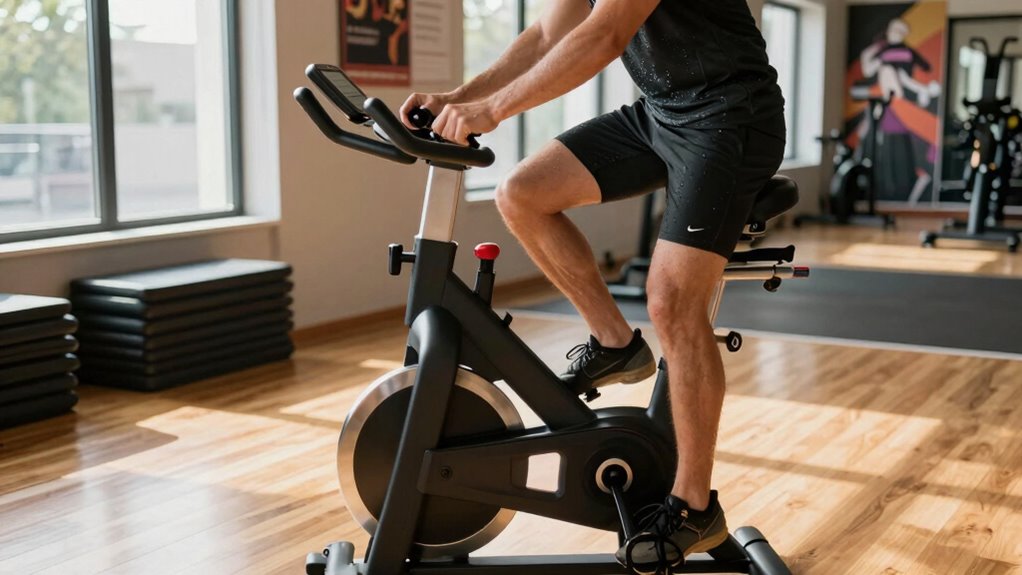
Designing your air bike routine with both progress and safety in mind involves setting clear goals and structuring workouts that challenge you without risking injury. Incorporate interval training to boost endurance and strength efficiently, alternating high-intensity bursts with recovery periods. This keeps workouts engaging and avoids overexertion. Equally important are hydration strategies; staying well-hydrated prevents fatigue and supports recovery. Plan your sessions to include warm-ups, cool-downs, and rest days to enhance safety. Listening to your body and adjusting intensity accordingly are essential for sustainable progress. Additionally, understanding essential oils for recovery can aid in post-workout relaxation and muscle relief. By balancing challenging intervals with proper hydration and recovery, you create a sustainable routine that promotes steady progress without burnout. This thoughtful approach helps you maximize gains while protecting your body from undue stress or injury.
Adjust Your Program as You Improve to Stay Challenged

As you become stronger and more accustomed to your air bike workouts, maintaining progress and preventing plateaus is vital. Regular progress tracking helps you see how far you’ve come and identify areas needing adjustment. As you improve, challenge yourself by increasing resistance, duration, or intensity. Focus on technique improvement to maximize efficiency and reduce fatigue. If you notice your progress slowing, tweak your program by adding interval training or varying your workouts to keep your body adapting. Listen to your body and adjust accordingly to stay motivated and avoid burnout. Consistently refining your routine ensures continuous growth, keeps workouts engaging, and helps you reach your fitness goals without hitting a plateau.
Motivation Tips to Keep You Consistent and Break Plateaus
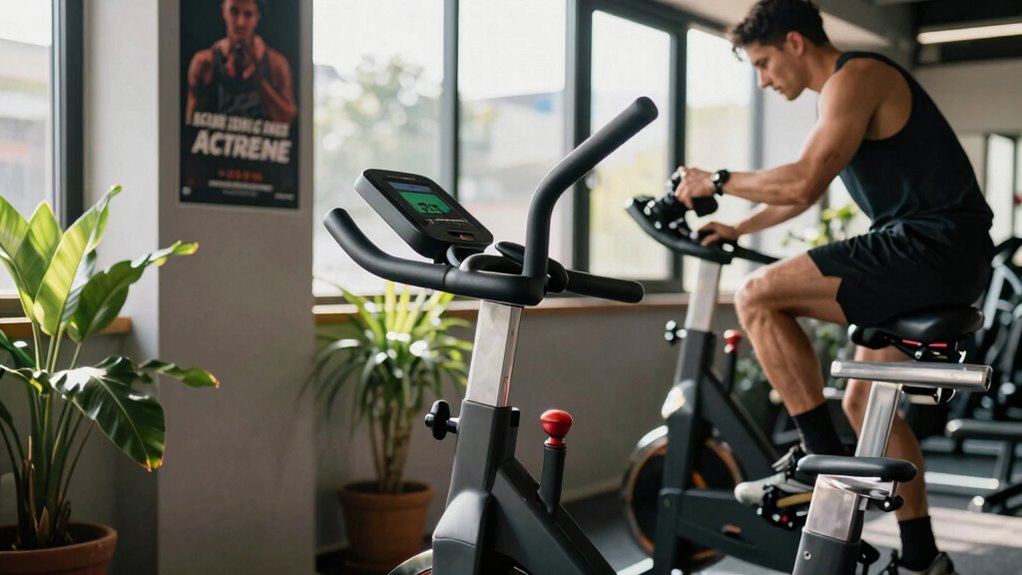
Staying motivated is key to maintaining consistency and breaking through plateaus on your air bike journey. To do this, focus on your nutrition and build mental resilience. Keep your nutrition focus balanced by fueling your body with nutrient-dense foods to boost energy and recovery. Celebrating small wins helps reinforce progress, no matter how minor. To stay inspired, try this chart:
| Motivation Tip | How It Helps |
|---|---|
| Set achievable goals | Maintains focus and prevents frustration |
| Track progress visually | Reinforces mental resilience and effort |
| Reward yourself responsibly | Boosts motivation without burnout |
Common Mistakes That Lead to Burnout and How to Avoid Them
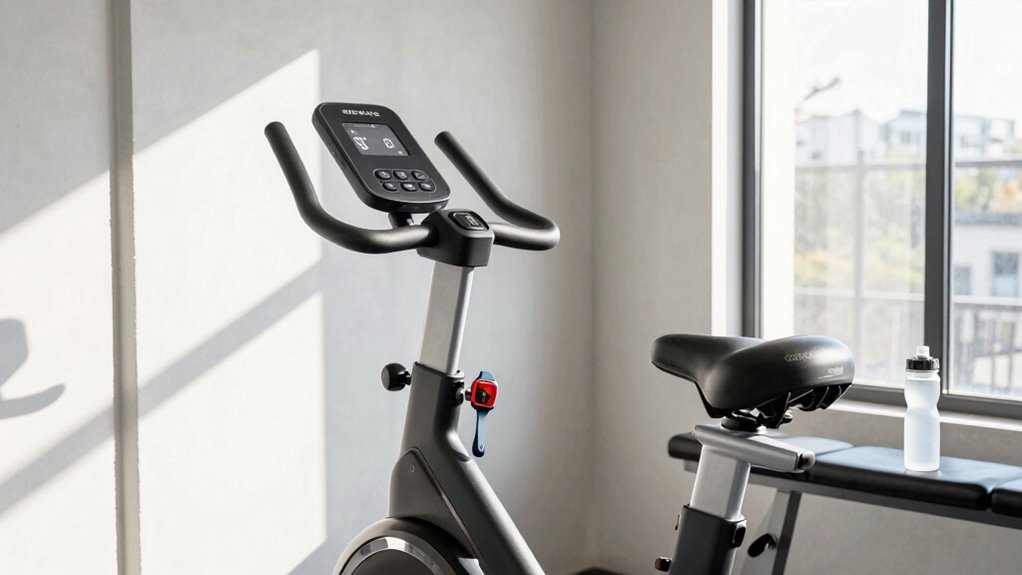
Pushing yourself too hard without recognizing overtraining signs can quickly lead to burnout. Make sure you prioritize proper rest and recovery to keep your energy levels up and avoid injury. Paying attention to these aspects helps you stay consistent and maximize your progress.
Overtraining Signs to Watch
Overtraining can sneak up on you if you’re not paying attention to the warning signs. You might feel persistent fatigue, irritability, or a drop in performance, signaling you’re pushing too hard. Ignoring these cues can lead to burnout and injury. To prevent this, focus on proper nutrition tips to support recovery and guarantee your gear is well-maintained for safety. Watch for signs like muscle soreness that doesn’t fade, trouble sleeping, or decreased motivation. Staying mindful helps you adjust your training before reaching burnout. Regularly check your gear for wear and tear, and incorporate rest days. Listening to your body is key to avoiding overtraining and maintaining sustainable progress.
Proper Rest and Recovery
Many exercisers overlook the importance of proper rest and recovery, mistakenly believing that more workout time equals faster progress. Without adequate recovery, your body can’t repair muscles or restore energy, leading to burnout. Prioritize nutrition balance by fueling your body with the right nutrients to support recovery and maintain mental resilience. Rest days are essential for mental clarity and physical strength, helping prevent mental fatigue and injury. Instead of pushing through exhaustion, listen to your body’s signals and schedule regular rest periods. Incorporating active recovery, like gentle stretching or light riding, can boost circulation and promote healing. Remember, consistent recovery enhances your overall performance, reduces burnout risk, and keeps you motivated for long-term progress on the air bike.
Frequently Asked Questions
How Often Should I Vary My Air Bike Intensity for Optimal Results?
You should vary your air bike intensity every 2-3 sessions to optimize results and prevent burnout. Incorporate different training frequencies and workout variations, such as high-intensity intervals and steady-state rides. This keeps your muscles challenged and your mind engaged. Listen to your body, and don’t hesitate to adjust intensity depending on how you feel. Consistent variation ensures steady progress without overtraining or risking injury.
What Are the Early Warning Signs of Mental Burnout During Training?
You’ll know you’re heading for burnout when emotional exhaustion hits like a tidal wave, making every pedal feel like climbing Everest. Motivation dips suddenly, like a switch flipping off in your brain. You might feel dread instead of enthusiasm, and your focus drifts away easily. These signs warn you that pushing too hard is draining your mental resilience. Recognizing these early, take breaks and reset to keep your training sustainable.
Can I Incorporate High-Intensity Intervals Without Risking Overtraining?
Yes, you can incorporate high-intensity intervals safely by focusing on proper interval pacing and recovery strategies. Start with shorter, manageable bursts and gradually increase intensity. Make certain you allow adequate recovery time between intervals to prevent overtraining. Listening to your body is key—if you feel excessive fatigue or signs of burnout, scale back and prioritize rest. Consistent, mindful adjustments help you boost performance without risking burnout.
How Do I Balance Cardio and Strength Training on the Air Bike?
To balance cardio and strength training on the air bike, focus on interval planning by alternating high-intensity sprints with moderate recovery periods. Incorporate strength exercises during low-intensity intervals or separate sessions. Prioritize recovery strategies, such as proper rest and hydration, to prevent burnout. Listening to your body helps you adjust intensity and duration, ensuring you build endurance and strength without overtraining.
What Role Does Nutrition Play in Preventing Fatigue and Burnout?
Imagine you’re training intensely on your air bike; proper nutrition keeps you energized. Meal timing guarantees your muscles receive fuel before workouts, preventing fatigue. Hydration strategies, like drinking water consistently, help avoid dehydration that can cause burnout. For example, a cyclist who eats a balanced snack an hour before rides and stays hydrated reports sustained energy and fewer crashes. Proper nutrition is essential to maintain performance and prevent exhaustion during your workouts.
Conclusion
To keep progressing without burning out, listen to your body and adjust your workouts accordingly. Did you know that overtraining can reduce performance by up to 50%? Staying mindful of signs like persistent fatigue or soreness helps you avoid setbacks. By balancing intensity, recovery, and motivation, you’ll sustain your fitness journey and reach your goals safely. Remember, consistency beats intensity—so pace yourself and enjoy the ride!