To set up a push/pull/legs routine without overtraining, guarantee you schedule workouts to give each muscle group enough recovery time between sessions, typically 48 hours. Balance your workload by adjusting intensity and volume, include rest days and active recovery, and incorporate strategies like stretching and foam rolling. Pay attention to how your body responds, avoid excessive training, and consider periodic deload weeks. Stay consistent and fine-tune the plan to optimize growth while preventing burnout—there’s more to master below.
Key Takeaways
- Schedule at least one rest day between push, pull, and legs workouts for adequate recovery.
- Incorporate deload weeks with reduced intensity and volume every 4-6 weeks to prevent overtraining.
- Balance workout volume and intensity with proper nutrition timing, focusing on post-workout protein and carbs.
- Monitor your body’s signals for fatigue or soreness to adjust workout frequency and avoid overuse injuries.
- Include active recovery, stretching, and foam rolling on rest days to promote blood flow and muscle repair.
A well-structured push/pull/legs workout setup can help you optimize your training and achieve balanced muscle development. To do this effectively, you need to focus on recovery strategies and nutrition timing. These elements are key to avoiding overtraining and ensuring your muscles recover properly between sessions. When planning your workouts, make sure you’re giving each muscle group enough time to recuperate; otherwise, fatigue can build up, reducing performance and increasing injury risk. Recovery strategies like proper rest, sleep, and active recovery days are essential. Incorporating rest days between push, pull, and legs sessions allows your muscles to repair and grow stronger, preventing burnout and overuse injuries.
Proper recovery and nutrition timing are essential for balanced muscle development and injury prevention.
Nutrition timing plays a pivotal role in supporting recovery. Consuming protein and carbohydrates within a window of 30 to 60 minutes post-workout helps replenish glycogen stores and kick-start muscle repair. Protein provides the amino acids necessary for muscle synthesis, while carbs help restore energy levels, making it easier to bounce back for your next session. Staying hydrated is also indispensable; water supports nutrient transport and waste removal, speeding up recovery. If you’re training intensely or frequently, consider small, balanced meals or snacks throughout the day to maintain energy and support muscle repair. Additionally, understanding the importance of recovery strategies like stretching, foam rolling, and light activity can significantly enhance your progress.
Structuring your push/pull/legs routine with recovery and nutrition in mind means paying attention to how your body responds. For example, if you notice persistent soreness or fatigue, it might be a sign to extend your rest periods or adjust your nutrition. Overtraining occurs when your body doesn’t get enough time or nutrients to recover, leading to stagnation or even regression in your progress. To prevent this, listen to your body and incorporate deload weeks periodically. During these lighter weeks, reduce intensity and volume to give your muscles a break while maintaining consistency.
Additionally, you can enhance recovery by integrating stretching, foam rolling, and light activity on rest days. These strategies improve blood flow, reduce muscle tightness, and promote quicker recovery. Remember, the goal of the push/pull/legs setup is to balance workload and recovery. By prioritizing recovery strategies and optimizing nutrition timing, you ensure your muscles get the nourishment and rest they need, preventing overtraining and helping you make steady gains. When you respect these principles, your training becomes more sustainable, effective, and less prone to setbacks caused by fatigue or injury.
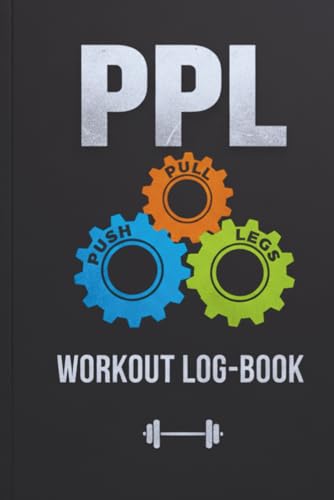
PPL Workout Log Book: 1-Year Push Pull Legs Gym Tracker: Track Workouts, Water Intake & Monthly Progress | Structured Planner for Strength Training and Consistency
As an affiliate, we earn on qualifying purchases.
As an affiliate, we earn on qualifying purchases.
Frequently Asked Questions
How Often Should I Rotate Between Push, Pull, and Legs?
You should rotate between push, pull, and legs workouts about 3 to 6 times per week, depending on your training frequency and recovery. Aim for each workout type 1-2 times weekly, allowing your muscles enough time to recover. Adjust your workout rotation based on how your body responds, ensuring you avoid overtraining while maximizing gains. Listening to your body is key for an effective and sustainable training schedule.
Can I Customize the Split for My Specific Goals?
Absolutely, you can customize your split for your specific goals. Focus on split customization by adjusting workout volume, intensity, and exercise selection to target your objectives, whether it’s muscle growth, strength, or endurance. Incorporate goal-specific adjustments like more volume for hypertrophy or added cardio for endurance. Listen to your body, make certain you get adequate rest, and tweak your plan regularly to stay aligned with your progress and prevent overtraining.
What Are Common Signs of Overtraining in This Setup?
You might notice overtraining signs like persistent muscle fatigue and excessive workout soreness that doesn’t improve with rest. If you feel exhausted, lose motivation, or see a decline in performance, it’s a red flag. Your muscles should feel tired but not painfully sore or drained constantly. Pay attention to these signs, and give yourself adequate recovery days to prevent overtraining and promote steady progress.
How Do I Adjust Volume for Different Fitness Levels?
Think of your training like tuning a guitar; too much tension can snap the strings. To adjust volume for different fitness levels, modify your training frequency and workout intensity. Beginners should start with fewer sessions and lighter weights, gradually increasing as strength builds. Advanced lifters can ramp up volume carefully, listening to their body’s signals. This tailored approach guarantees you push your limits without risking overtraining, keeping your progress harmonious.
Should I Include Rest Days Within the Split?
Yes, you should include rest days within your split. Rest days are essential for recovery and preventing overtraining, especially when customizing your split. Consider incorporating at least one or two rest days each week, based on your workout intensity and personal needs. Rest day considerations help you optimize performance, avoid burnout, and ensure your muscles recover properly, making your training more effective and sustainable over time.
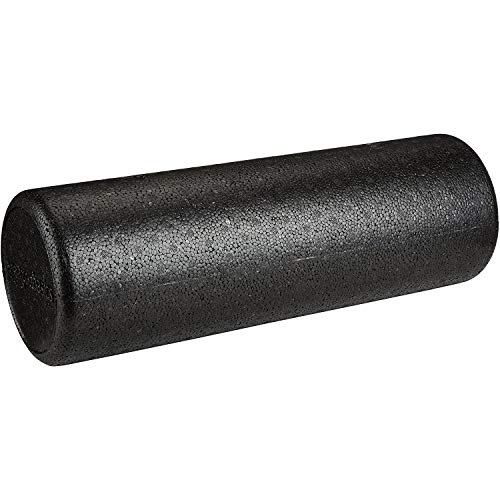
Amazon Basics High-Density Foam Roller for Exercise and Recovery, 18 Inches, Black
High-density foam roller in Black
As an affiliate, we earn on qualifying purchases.
As an affiliate, we earn on qualifying purchases.
Conclusion
Remember, like Icarus flying too close to the sun, pushing too hard can lead to burnout. By setting up your push, pull, and legs routine thoughtfully, you’ll build strength without risking overtraining. Stay mindful of your body’s signals and adjust as needed, trusting in the wisdom of balance. Ultimately, it’s about forging a sustainable path—one that echoes the steady, measured rhythm of the seasons, guiding you toward lasting progress.

Optimum Nutrition Gold Standard 100% Whey Protein Powder, Double Rich Chocolate 1.98 Pound (Packaging May Vary)
24 g High-Quality Whey Protein per Scoop – 100% of the protein from whey for a fast-absorbing, complete…
As an affiliate, we earn on qualifying purchases.
As an affiliate, we earn on qualifying purchases.

Krightlink 5 in 1 Foam Roller Set for Deep Tissue Muscle Massage, Trigger Point Fitness Exercise Foam Roller, Massage Roller, Massage Ball, Stretching Strap, for Whole Body (Orange Black)
Body Relaxation: Muscle stretches and massages can be performed before and after fitness, exercise, and reduce stiffness; Relieve…
As an affiliate, we earn on qualifying purchases.
As an affiliate, we earn on qualifying purchases.