This checklist is for anyone putting together a home cardio setup, from a first-time exerciser to someone adding a few focused tools to an existing routine. It covers simple starting points as well as larger equipment, so you can match each choice to your space and workouts.

Get workout gear delivered free with Prime
- Fast, free delivery on millions of items
- Prime Video, Amazon Music and more included
- Member-only deals all year
The sections move from compact, versatile gear to stationary cardio equipment, then cover a step platform and heart rate monitoring. Each product slot includes a named pick where provided; the jump rope and heart rate monitor sections offer shopping guidance only.
Use the checklist to decide what supports your routine before comparing individual options. Check available space, storage, intended workouts, and fit with your preferences, then prioritize the equipment you’ll use consistently.
Jump Rope
A jump rope is a compact option to consider when you want a cardio tool that takes little storage space. Start by thinking about where you plan to use it and whether you have enough clear room to swing the rope without hitting furniture, walls, or overhead fixtures. A tidy workout area makes it easier to use the rope comfortably and consistently.
A common buying mistake is choosing by appearance alone without checking length and handle comfort. Look for a rope that can be adjusted or selected to suit your height, and consider whether the handles feel secure in your hands. If you plan to use it on a hard floor, think about how the surface feels underfoot and whether you want a mat to define your workout area. Room to move matters as much as the rope itself.
Match the rope to your planned use: a straightforward option may suit occasional sessions, while frequent workouts can make comfortable grips and easy length adjustment more important. Before buying, check the listed rope length, adjustment method, and handle details. Choose for comfortable control and a suitable workout space rather than extra features you may not use.
What to look for:
- Rope length that suits your height or can be adjusted
- Comfortable handles with a secure grip
- Enough clear overhead and floor space
- A rope style suited to your planned workout
- Compatibility with your intended workout surface
Resistance Bands
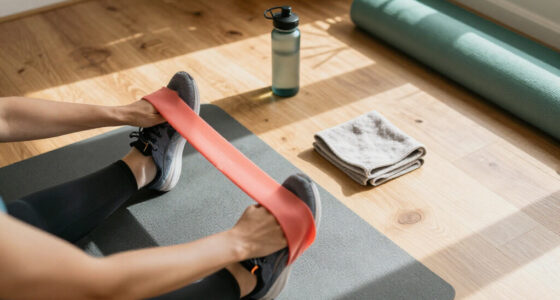
Resistance bands can support a range of workouts while taking up little storage space. The listed pick is “Resistance Bands, Pull Up Assist Bands – Workout Bands, Exercise Bands.” Before choosing, think through how you expect to use bands: for general exercises, stretching, or assistance with pull-ups. Those uses can call for different levels of resistance and band dimensions, so make your intended exercises the starting point.
A common mistake is treating every band as interchangeable. Check the product details for resistance levels, dimensions, material, and how the bands are intended to be used. If you want pull-up assistance, confirm that the set includes a band appropriate for that purpose and that you can secure it to your pull-up setup. For other exercises, consider whether the band length and resistance suit the movements you plan to do. Match resistance to use rather than relying on a broad product title.
Think about storage and handling as well: bands should be easy to organize and comfortable to grip or position during your routine. Check the available sizes and any included accessories before ordering, especially if you need a particular setup. A suitable set should fit your space and support your planned exercises, with clear product specifications to guide your selection.
What to look for:
- Resistance levels that suit your exercises
- Band dimensions and material details
- Clear confirmation of pull-up assistance use if needed
- Compatibility with your pull-up setup or anchor point
- Included accessories and practical storage
Resistance Bands, Pull Up Assist Bands – Workout Bands, Exercise Bands, Long Res

This set includes five natural latex resistance bands with varying resistance levels, a carrying bag, and a workout guide. Designed for versatility, these durable bands are suitable for strength training, physical therapy, and various workouts at home or on the go.
Pros:
- Versatile for all fitness levels and workout types
- Durable and made from high-quality natural latex
- Portable and suitable for travel or home use
- Includes a workout guide for effective training
Cons:
- Resistance levels may not be sufficient for advanced users
- Bands may wear out over time with heavy use
Best for: People seeking compact, adaptable workout equipment
Not ideal for: Anyone who needs a specific resistance level not listed
Bottom line: Confirm resistance, dimensions, and intended use before choosing this band set.
Exercise Bike
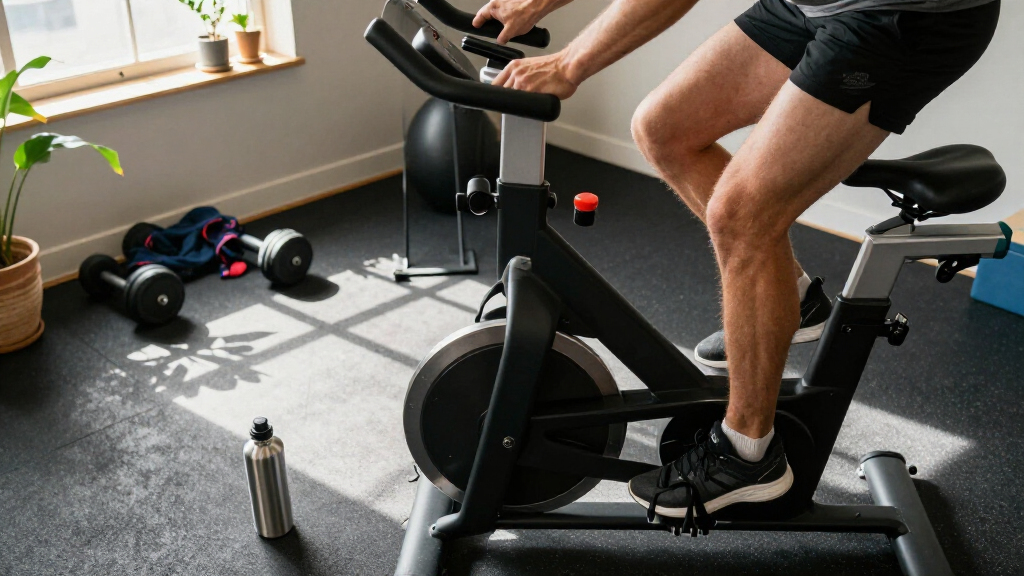
An exercise bike gives a home cardio routine a dedicated indoor cycling option. The listed pick is the Schwinn IC4 Indoor Cycling Bike. Before selecting an indoor bike, consider where it will sit, how much room you need to get on and off, and whether the space can accommodate your planned sessions. Leave enough clearance around the bike for comfortable access and routine use.
One common mistake is focusing on the bike name without checking whether its setup suits the rider. Review the listed seat and handlebar adjustment range, and compare it with the riders who will use the bike. Check the product specifications for dimensions and any stated user-fit guidance. If you expect multiple people to share it, make sure the adjustment process is practical for everyone. Fit and adjustability help determine whether a bike works for your household.
Also consider the kind of cycling sessions you want and whether the bike’s listed features support them. Confirm what is included, how the bike is assembled, and whether its footprint fits your room and storage plans. Avoid assuming that a particular feature or accessory is included unless the listing says so. Use the specifications to assess space, setup, and rider fit before settling on this pick.
What to look for:
- Bike dimensions and clearance needs
- Seat and handlebar adjustment range
- Fit guidance for each intended rider
- Included features and accessories stated in the listing
- Assembly and placement requirements
Schwinn IC4 Indoor Cycling Bike

The Schwinn IC4 is an indoor cycling bike with 100 micro-adjustable magnetic resistance levels and dual-sided pedals with SPD clips and toe cages. Its backlit LCD tracks workout metrics, while adjustable seating, app connectivity, transport wheels, a tablet holder, and included 3 lb.
Pros:
- 100 adjustable magnetic resistance levels
- Compatible with popular cycling apps such as Peloton and Zwift
- Console tracks multiple workout metrics
- Includes dumbbells and convenient accessory holders
Cons:
- Requires user assembly
- Separate subscriptions are required for compatible cycling apps
Best for: People with space for a dedicated cycling setup
Not ideal for: Anyone who needs equipment that stores compactly
Bottom line: Check the bike’s footprint and adjustment range against your space and riders.
Treadmill
A walking treadmill can make it easier to add indoor walking to a home routine. The listed pick is the “Folding Walking Pad Treadmill with Handle Bar.” Its folding design and handle bar are part of the product name, but check the listing for exact dimensions and how folding and storage work. Decide where you will use it and where it will go when not in use.
A frequent mistake is assuming that “folding” means the equipment will fit any storage spot or be easy to move. Compare the assembled and folded dimensions with your available space, and check the product details for the handle bar configuration and setup requirements. Consider the walking surface and whether it suits your stride and intended pace; use any dimensions provided to judge the fit. Measure before buying, including the room needed to walk safely and access the controls.
Review the stated user guidance, operating features, and any requirements for placement or assembly. If you plan to move the treadmill regularly, confirm how the listing describes storage and transport rather than relying on the product title. Keep your intended routine in mind, and ensure the walking area has clear space around it. A good match starts with safe clearance and practical storage.
What to look for:
- Assembled and folded dimensions
- Walking surface dimensions suited to your stride
- Handle bar configuration and setup details
- Stated user guidance and operating features
- Clearance, placement, and storage requirements
Folding Walking Pad Treadmill with Handle Bar

A compact folding treadmill for walking and light jogging at home or in the office, with removable handrails for under-desk use. It has a 440 W motor, speeds up to 4 mph, a 5-layer non-slip belt, and an LED display with remote control.
Pros:
- Folds compactly for storage in small spaces
- Removable handrails allow under-desk use
- LED display and remote control support workout tracking and adjustments
- Non-slip belt is designed for shock absorption
Cons:
- Maximum speed of 4 mph limits it to walking and light jogging
- Handrails must be removed by unscrewing bolts to use it flat
Best for: People who want an indoor walking option
Not ideal for: Anyone without space for safe use and storage
Bottom line: Verify folded dimensions, walking area, and placement requirements before buying.
Step Platform
A step platform can add a defined surface for step workouts and other routines. The listed pick is “The Original Step Exercise Platform with Stackable Risers for Adjustab.” The product name indicates stackable risers, but review the listing for its complete details, including the available height settings and what is included. Think about the exercises you plan to do and the platform height that feels appropriate for them.
A common mistake is buying a platform without considering both its footprint and riser configuration. Check the platform dimensions against your workout area, and confirm how the risers attach and whether the selected setup is stable on your floor. If you want to change the height, verify the adjustment options and how they affect the working surface. Stable setup and usable height matter for controlled movement.
Also check the surface description and any guidance about use or care. Make sure there is enough room to step on and off without crowding nearby furniture, and store the platform and risers where they will be easy to access. Do not assume extra risers or accessories are included unless the listing confirms it. Compare the stated dimensions and configuration with your routine for a practical fit at home.
What to look for:
- Platform dimensions for your workout area
- Available height settings and riser count
- How risers attach and adjust
- Stability guidance for your floor and use
- Included components and storage needs
The Original Step Exercise Platform with Stackable Risers for Adjustable Heights

This durable aerobic step platform is designed for total-body fitness at home, featuring a wide nonslip surface and four stackable risers for customizable height options. Made from high-density polyethylene, it supports up to 350 pounds and includes instructional videos for versatile workouts.
Pros:
- Sturdy construction supports up to 350 pounds
- Adjustable height with four stackable risers
- Wide nonslip surface for safety and comfort
- Includes instructional workout videos
Cons:
- Limited color options (pink and purple)
- No included DVD, only streaming videos
- Weight of the platform is 20 pounds, which may be heavy for some users
Best for: People adding step workouts to a home routine
Not ideal for: Anyone without floor space for stepping movements
Bottom line: Confirm platform size, riser setup, and included components before choosing.
Heart Rate Monitor
A heart rate monitor may be useful if tracking heart rate is part of how you structure workouts. Since this checklist has no specific product pick for this slot, begin with the information you want to see and how you plan to view it. Consider whether you prefer a display on the device itself or a connection to another device, and check that the listed monitor supports your intended setup.
A common buying mistake is assuming that all monitors connect to the same equipment or apps. Review compatibility details for your exercise bike, phone, watch, or other devices before purchasing. Check how the monitor is worn, how it is powered, and whether the listing describes the information it records. If comfort is important for longer sessions, pay attention to sizing and fit instructions. Compatibility comes first when you want data to appear in a particular place.
Look for clear setup instructions and a fit that suits the workouts you do. Confirm the monitor’s stated measurement and connection features rather than inferring them from its category. If several people may use it, check whether its sizing or adjustment supports that arrangement. Choose based on your tracking routine, the devices you already own, and the fit guidance in the product details.
What to look for:
- Compatibility with your intended devices or equipment
- Wear style and sizing guidance
- Stated tracking and display features
- Power and setup requirements
- Connection details for your preferred workout setup
Build your setup in a buying order that reflects your space and routine: start with compact equipment you expect to use often, then consider larger items such as a bike or walking treadmill once you have checked placement and fit. A step platform or monitor can follow when it supports the workouts you have planned. Prioritize regular use over filling every equipment slot at once.
You can make a useful cardio space with a few well-matched choices. Measure your available area, read the product details closely, and let your intended workouts guide each decision. Start where it feels manageable, then add equipment as your routine takes shape.
Halloween Picks
halloween
As an affiliate, we earn on qualifying purchases.