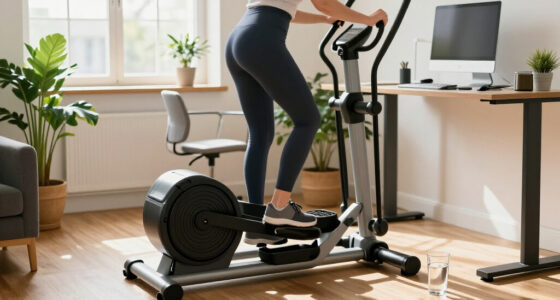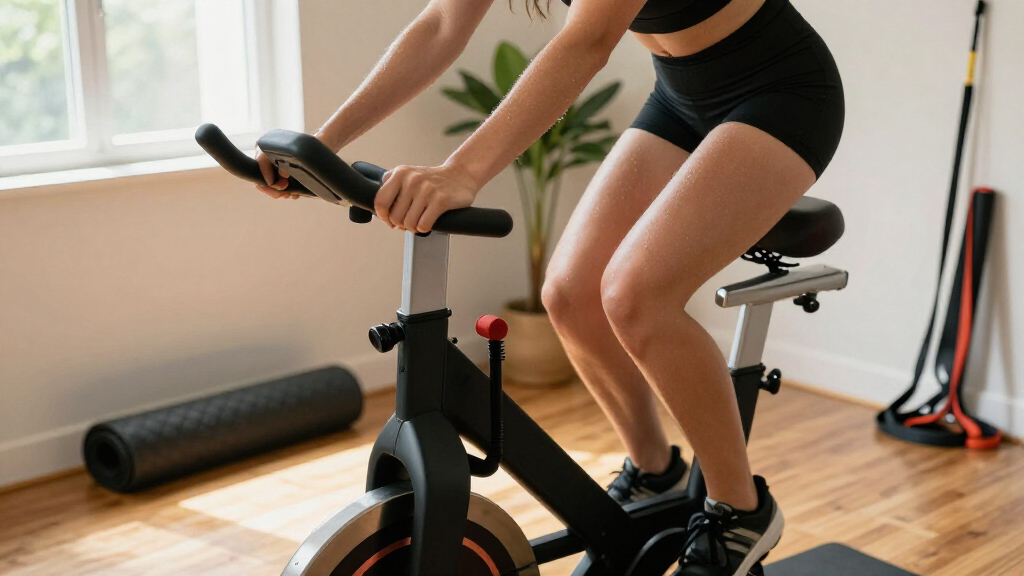

The Schwinn IC4 is my best overall pick among the best indoor cycling bikes because it balances adjustable resistance, workout data, and broad app compatibility without tying riders to one training service. The Keiser M3i stands out for riders who prioritize a polished, durable training setup, while the JOROTO X2PRO offers a simpler magnetic-resistance option for home use. The key tradeoffs are ride feel, fit, connected-training features, and how much space or setup each bike demands. A screen or app can add structure, but it is not worth paying for if you mainly want straightforward cardio. Read on for the full comparison, buying advice, and picks for different rider needs.

Get workout gear delivered free with Prime
- Fast, free delivery on millions of items
- Prime Video, Amazon Music and more included
- Member-only deals all year
Complete the kit


Key Takeaways
Versatility separates the Schwinn IC4: its combination of adjustable resistance and app compatibility makes it a stronger all-round choice than bikes built mainly around basic cardio or a single training ecosystem.
The Keiser M3i and Wahoo KICKR BIKE PRO serve different premium needs: Keiser is a dedicated indoor cycle, while Wahoo is aimed at riders seeking a more configurable, connected training setup.
Not every indoor bike is a spin bike: the Schwinn AD7 uses air resistance and moving arms, making it a full-body cardio alternative rather than a close substitute for a seated cycling workout.
App features vary in practical value: the YESOUL G1M Plus, MERACH S26, and app-compatible CHAOKE models may suit riders who want guided sessions, but buyers should check which features work without a subscription or phone connection.
Fit and adjustability matter as much as resistance: the YOSUDA Pro’s stated 300-pound capacity may appeal to some buyers, but every rider should check seat and handlebar adjustment, footprint, and stability against their own needs.
| JOROTO X2PRO Magnetic Indoor Exercise Bike |  | Best for Quiet, Flexible Home Training | Flywheel: 40 lbs | Resistance: Adjustable magnetic resistance | Maximum user weight: 350 lbs | VIEW LATEST PRICE | See Our Full Breakdown |
| NordicTrack Tour de France Indoor Bike |  | Best for Road-Style Terrain Simulation | Screen: 24-inch HD pivoting touchscreen | Resistance: 24 digital levels; Silent Magnetic Resistance | Incline/decline range: -10% decline to 20% incline | VIEW LATEST PRICE | See Our Full Breakdown |
| ProForm 225 CSX Indoor Exercise Bike |  | Best Compact Bike for Guided Workouts | Resistance mechanism: Magnetic | Resistance levels: 20 | Display: 5-inch LCD | VIEW LATEST PRICE | See Our Full Breakdown |
| Schwinn IC4 Indoor Cycling Bike |  | Best for Flexible App-Based Training | Resistance mechanism: Magnetic | Resistance levels: 100 micro-adjustable | Drive system: Belt | VIEW LATEST PRICE | See Our Full Breakdown |
| YESOUL G1M Plus Magnetic Stationary Exercise Bike with App Training |  | Best for an Immersive Screen-and-Sound Setup | Screen: 21.5-inch full HD | Resistance levels: 100 | Resistance and drive: Silent magnetic resistance with belt drive | VIEW LATEST PRICE | See Our Full Breakdown |
| Keiser M3i Indoor Cycle Bundle |  | Best for a Wide Range of Rider Heights | Resistance: Magnetic; 24 levels | Drive system: Belt | Rider height range: 4’10″–7′ | VIEW LATEST PRICE | See Our Full Breakdown |
| MERACH S26 Magnetic Exercise Bike with App |  | Best for Quiet App-Supported Home Workouts | Resistance: Adjustable magnetic, 0–100% | Noise level: Under 25 dB | Maximum user weight: 300 lb | VIEW LATEST PRICE | See Our Full Breakdown |
| Schwinn AD7 Airdyne Bike |  | Best for Full-Body, Self-Paced Training | Resistance mechanism: Air | Resistance levels: 100 | Drive system: Belt | VIEW LATEST PRICE | See Our Full Breakdown |
| Wahoo Fitness KICKR BIKE PRO Indoor Trainer |  | Best Premium Virtual-Ride Trainer | Resistance mechanism: Magnetic | Maximum power output: 2500 W | Power accuracy: ±1% | VIEW LATEST PRICE | See Our Full Breakdown |
| YOSUDA Pro Magnetic Exercise Bike, 300 lb Capacity |  | Best for a Quiet, Adjustable Everyday Ride | Resistance: Magnetic, 0–100 | Drive system: Belt drive | Noise level: ≤20 dB | VIEW LATEST PRICE | See Our Full Breakdown |
| CHAOKE Magnetic Resistance Exercise Bike with App Compatibility |  | Best App-Friendly All-Rounder | Resistance: Micro-adjustable magnetic | Flywheel: 35 lb | Drive: Belt drive | VIEW LATEST PRICE | See Our Full Breakdown |
| Sunny Health & Fitness Smart Indoor Cycling Bike for Home Cardio Exercise |  | Best for Tall Riders and Clip-In Training | Model: SF-B124069 | Flywheel: 40 lb | Resistance: 35 magnetic levels | VIEW LATEST PRICE | See Our Full Breakdown |
| RELIFE Exercise Bike for Home |  | Best Compact Pick for Shorter Riders | Model: EB801 (CA-EB801) | Drive system: Belt-driven | Operating noise: Below 25 dB | VIEW LATEST PRICE | See Our Full Breakdown |
| CHAOKE Magnetic Resistance Exercise Bike with App Compatibility |  | Best for Shorter Riders Seeking Virtual Training | Model: 520A | Resistance: Adjustable magnetic, 0–100% | Weight capacity: 300 lb | VIEW LATEST PRICE | See Our Full Breakdown |
| YOSUDA Magnetic Exercise Bike with Bluetooth App Integration |  | Best for App-Based Workout Tracking | Resistance: Contactless magnetic | Flywheel: Heavy front flywheel; weight not specified | Seat: Four-way adjustable memory foam | VIEW LATEST PRICE | See Our Full Breakdown |
| indoor cycling bike | Resistance |
|---|---|
| JOROTO X2PRO Magnetic Indoor E | Adjustable magnetic resistance |
| NordicTrack Tour de France Ind | 24 digital levels; Silent Magnetic Resistance |
| ProForm 225 CSX Indoor Exercis | — |
| Schwinn IC4 Indoor Cycling Bik | — |
| YESOUL G1M Plus Magnetic Stati | — |
| Keiser M3i Indoor Cycle Bundle | Magnetic; 24 levels |
| MERACH S26 Magnetic Exercise B | Adjustable magnetic, 0–100% |
| Schwinn AD7 Airdyne Bike | — |
| Wahoo Fitness KICKR BIKE PRO I | — |
| YOSUDA Pro Magnetic Exercise B | Magnetic, 0–100 |
| CHAOKE Magnetic Resistance Exe | Micro-adjustable magnetic |
| Sunny Health & Fitness Smart I | 35 magnetic levels |
| RELIFE Exercise Bike for Home | Adjustable from 0% to 100% |
| CHAOKE Magnetic Resistance Exe | Adjustable magnetic, 0–100% |
| YOSUDA Magnetic Exercise Bike | Contactless magnetic |
More Details on Our Top Picks
JOROTO X2PRO Magnetic Indoor Exercise Bike
The JOROTO X2PRO is a strong fit for households that want a quiet, adjustable bike without making a large screen the centerpiece. Its magnetic resistance runs below 20 dB, while the 40-pound flywheel and broad resistance range support steady rides as well as harder efforts. Four-way seat and handlebar adjustments cover riders from 4’9″ to 6’4″, and its 350-pound capacity exceeds the Schwinn IC4’s 330-pound limit.
App support for Zwift and Kinomap gives riders options beyond the included monitor, but connected training depends on pairing a device. Unlike the NordicTrack Tour de France, it does not provide a built-in touchscreen or simulated road inclines. Assembly is still required, even though most of the bike arrives pre-installed, and the 12-month warranty is relatively short. I’d choose it for quiet, adaptable basics rather than an integrated studio experience.
Pros:- Quiet magnetic resistance is suited to home workouts and shared living spaces.
- Four-way seat and handlebar adjustment fits a wide range of rider heights.
- Supports up to 350 pounds, more than the Schwinn IC4’s stated limit.
- Compatible with JOROTO, Zwift, and Kinomap apps.
Cons:- Connected training features require app pairing rather than a built-in touchscreen.
- Some assembly is required despite arriving 80% pre-installed.
- The 12-month warranty is shorter than the Schwinn IC4’s listed frame coverage.
Best for: Households with multiple riders who want quiet magnetic resistance, broad height adjustment, and app-based training on their own device.
Not ideal for: Riders who want a built-in workout screen, automatic terrain simulation, or connected training that works without app pairing.
- Flywheel:40 lbs
- Resistance:Adjustable magnetic resistance
- Maximum user weight:350 lbs
- Rider height range:4’9″–6’4″
- Noise level:Below 20 dB
- App compatibility:JOROTO app, Zwift, and Kinomap
- Adjustments:Four-way adjustable seat and handlebars
- Warranty:12 months
Our verdict“Choose the JOROTO X2PRO for quiet, adjustable indoor rides and app flexibility without a built-in screen.”
NordicTrack Tour de France Indoor Bike
The NordicTrack Tour de France is the most road-oriented pick here: its incline and decline range, freewheel design, drop handlebars, and shifters aim to make indoor sessions feel less like riding a stationary resistance wheel. The -10% decline to 20% incline changes the simulated terrain, a feature neither the Schwinn IC4 nor JOROTO X2PRO offers. Its pivoting 24-inch touchscreen can also serve for off-bike workouts, making the package broader than a bike-only training setup.
That immersive approach comes with clear limits. iFIT Pro is required for connected features and workouts, and the large screen needs room around the bike. Riders who mainly want adjustable resistance and app choice may find the Schwinn IC4’s simpler console more practical. SPD-compatible pedals accommodate cycling shoes, but the product data does not specify a maximum user weight or overall dimensions, making fit and room planning harder to confirm.
Pros:- Incline and decline settings add terrain changes not offered by the JOROTO X2PRO or Schwinn IC4.
- Freewheel design allows natural coasting.
- Pivoting 24-inch touchscreen supports on-bike and off-bike workouts.
- SPD-compatible pedals work with cycling shoes or regular workout shoes.
Cons:- iFIT Pro Membership is required for connected features and workouts.
- The large touchscreen calls for substantial space.
- The supplied product data does not state a maximum user weight or bike dimensions.
Best for: Cyclists who want simulated climbs and descents, road-style controls, and a large integrated screen for guided training.
Not ideal for: Buyers who want to avoid a required training membership, have limited floor space, or need a confirmed user-weight limit before choosing.
- Screen:24-inch HD pivoting touchscreen
- Resistance:24 digital levels; Silent Magnetic Resistance
- Incline/decline range:-10% decline to 20% incline
- Pedals:SPD-compatible, quick-swap design
- Handlebars:Road-style drop handlebars with shifters
- Connectivity:Syncs with Strava, Garmin Connect, and Apple Health
- Membership requirement:iFIT Pro Membership required for connected features
Our verdict“Pick the NordicTrack Tour de France if terrain simulation and guided workouts matter more than a compact, membership-free setup.”
ProForm 225 CSX Indoor Exercise Bike
The ProForm 225 CSX suits riders who want a smaller indoor bike with straightforward resistance controls and the option of guided sessions. Its 20 magnetic resistance levels and adjustment buttons make intensity changes simple, while the 5-inch LCD keeps basic workout information in view without the footprint of the NordicTrack Tour de France’s 24-inch screen. At 68.2 pounds, it is also lighter than the listed 112-pound Schwinn IC4.
The tradeoff is a less immersive setup: the LCD is a basic display, and iFIT Train membership is needed for connected workouts, automatic resistance adjustments, and related features. Compared with the Schwinn IC4’s 100 resistance levels and broader listed app compatibility, the ProForm offers fewer stated levels and more reliance on iFIT for smart training. Its dimensions are incomplete, with height omitted, so buyers should confirm the required space before ordering.
Pros:- Compact stated footprint takes less space than the NordicTrack Tour de France’s large-screen setup.
- Twenty magnetic resistance levels offer a clear range for changing workout intensity.
- Adjustment buttons make resistance changes straightforward.
- Adjustable foot straps and a device shelf support basic home sessions.
Cons:- Connected workouts and smart features require an iFIT Train membership.
- The 5-inch LCD is less immersive than the NordicTrack’s 24-inch touchscreen.
- Published dimensions omit the bike’s height.
Best for: Space-conscious beginners who prefer button-controlled resistance and want the option of iFIT-guided workouts on a compact bike.
Not ideal for: Riders seeking a large interactive display, extensive app choice without a membership, or complete published dimensions for room planning.
- Resistance mechanism:Magnetic
- Resistance levels:20
- Display:5-inch LCD
- Item weight:68.2 pounds
- Dimensions:35.1 × 21.2 inches (depth × width); height not provided
- Power source:Corded electric
- Membership requirement:iFIT Train membership required for connected workouts and features
Our verdict“Choose the ProForm 225 CSX for a compact, button-controlled bike if a basic display and optional iFIT membership fit your training plans.”
Schwinn IC4 Indoor Cycling Bike
The Schwinn IC4 is the most adaptable choice for riders who want to pair a bike with their preferred training app instead of committing to one built-in screen system. Its 100 micro-adjustable magnetic resistance levels allow finer changes than the ProForm 225 CSX’s 20 levels, while dual-sided pedals accept SPD cycling shoes or regular workout shoes with toe cages. The backlit console tracks core ride metrics, and included dumbbells, a tablet holder, and transport wheels add practical versatility.
Unlike the NordicTrack Tour de France, the IC4 has no large integrated touchscreen or simulated incline and decline; workouts rely on a separate device, and app subscriptions cost extra. It is also a substantial 112 pounds and requires user assembly. Its 330-pound maximum is below the JOROTO X2PRO’s 350-pound limit, so riders prioritizing higher listed capacity may prefer that model.
Pros:- One hundred magnetic resistance levels allow finer adjustments than the ProForm 225 CSX.
- Dual-sided pedals accommodate SPD cycling shoes and regular shoes with toe cages.
- Compatible with cycling apps such as Peloton and Zwift.
- Console tracks heart rate, speed, time, distance, calories, and RPM.
Cons:- Cycling app subscriptions are sold separately.
- User assembly is required.
- At 112 pounds, it is heavier than the listed ProForm 225 CSX and has a lower stated weight limit than the JOROTO X2PRO.
Best for: Riders who want precise resistance changes, flexible app choice, and pedals that work with either cycling shoes or regular shoes.
Not ideal for: Buyers who want built-in terrain simulation, an integrated touchscreen, a lighter bike, or a user-weight capacity above 330 pounds.
- Resistance mechanism:Magnetic
- Resistance levels:100 micro-adjustable
- Drive system:Belt
- Pedals:Dual-sided SPD clips and toe cages
- Maximum weight recommendation:330 pounds
- Dimensions:54.6″ D × 30.7″ W × 51.8″ H
- Console:Backlit LCD
- Warranty:1 year labor, 10 years frame, 3 years parts
Our verdict“Pick the Schwinn IC4 if you want detailed resistance control and app flexibility without paying for a bike-integrated touchscreen.”
YESOUL G1M Plus Magnetic Stationary Exercise Bike with App Training
The YESOUL G1M Plus puts its workout experience front and center: a 21.5-inch full HD screen pairs with the YESOUL app, and four speakers plus two subwoofers provide an audio setup none of the other listed bikes match. Its 100 resistance levels and silent magnetic belt drive give riders room to vary effort without relying on loud mechanical resistance. The triangular steel frame and H-shaped base are designed for stability, while the Schwinn IC4 takes a more flexible approach with a separate device holder and compatibility with multiple cycling apps.
The integrated experience also narrows the choice: buyers are oriented toward the YESOUL app rather than the Schwinn’s broader stated app options. The heavy steel construction can make repositioning difficult, and the supplied data does not list a maximum user weight, dimensions, or a membership requirement. I’d favor this model for a dedicated workout spot and a screen-led routine, not for frequent moving or buyers who need detailed fit and space specifications.
Pros:- 21.5-inch full HD screen is larger than the Schwinn IC4’s backlit LCD console.
- Four speakers and two subwoofers provide an unusually substantial built-in sound system.
- One hundred magnetic resistance levels support small intensity changes.
- Triangular steel frame and H-shaped base are designed for stability.
Cons:- Heavy steel construction can make the bike difficult to move.
- The supplied specifications do not state dimensions or a maximum user weight.
- Its screen-led training is tied to the YESOUL app, unlike the Schwinn IC4’s stated compatibility with multiple cycling apps.
Best for: Riders setting up a dedicated workout area who want a large integrated display, app-led sessions, strong audio, and many resistance steps.
Not ideal for: People who need to move their bike often, want broad third-party app choices, or require confirmed dimensions and a maximum user weight.
- Screen:21.5-inch full HD
- Resistance levels:100
- Resistance and drive:Silent magnetic resistance with belt drive
- Speakers:Four speakers with two subwoofers; 360° sound
- Frame material:Carbon steel
- Frame design:Triangular steel frame with H-shaped base
- App training:YESOUL app
Our verdict“Choose the YESOUL G1M Plus for a dedicated space where its large app-connected screen and powerful built-in audio matter more than easy relocation.”
Keiser M3i Indoor Cycle Bundle
The Keiser M3i earns its place for households or training spaces where rider fit is a bigger concern than easy portability. Its V-shape frame is listed for riders from 4’10” to 7′, a broader range than the MERACH S26’s 4’8″–6’2″ range at the upper end. Twenty-four magnetic resistance levels and a belt drive support controlled changes in effort, while the included M Connect display, media tray, and stretch pads make this bundle more complete out of the box than the Schwinn AD7. It also arrives fully assembled, which avoids the setup work required by several bikes here. The tradeoff is a 38.56 kg frame that is cumbersome to relocate, plus battery-powered electronics that need periodic charging. Choose it for adaptable fit and a ready-to-ride package, not frequent room changes.
Pros:- Listed rider-height range of 4’10″–7′ accommodates unusually tall and short riders.
- Twenty-four magnetic resistance levels allow gradual effort changes.
- Bundle includes an M Connect display, media tray, and stretch pads.
- Fully assembled on arrival, unlike the MERACH S26 and Schwinn AD7.
Cons:- At 38.56 kg, it is difficult to reposition around the home.
- Battery-powered electronics require periodic charging.
Best for: Households or shared training spaces with riders of substantially different heights who want a wide fit range and included workout accessories.
Not ideal for: People who need to move their bike often, or buyers who want an electronic display that does not rely on batteries.
- Resistance:Magnetic; 24 levels
- Drive system:Belt
- Rider height range:4’10″–7′
- Maximum user weight:350 lb
- Dimensions:51″ D × 26″ W × 49″ H
- Item weight:38.56 kg
- Included accessories:Media tray, stretch pads, and M Connect display
- Power source:Battery powered
Our verdict“Pick the M3i if a broad rider-height range and included accessories matter more than easy portability.”
MERACH S26 Magnetic Exercise Bike with App
The MERACH S26 is a practical choice for riders who want quiet sessions and app connectivity without stepping up to the Wahoo KICKR BIKE PRO’s more elaborate simulated terrain and training features. Its magnetic resistance is specified at under 25 dB, making it better suited to shared rooms or early workouts than an air-resistance bike such as the Schwinn AD7. Bluetooth compatibility with MERACH, Kinomap, and Zwift gives riders several ways to follow or track training, while the tablet holder, dumbbell rack, and dual bottle holders keep common workout gear close at hand. The listed 4’8″–6’2″ height range covers many riders but not the unusually tall users accommodated by the Keiser M3i. It arrives 80% pre-assembled, so some setup remains, and app use depends on compatible devices and configuration.
Pros:- Specified noise level under 25 dB suits shared living spaces.
- Bluetooth compatibility includes MERACH, Kinomap, and Zwift.
- Seat and handlebars adjust to fit a range of riders.
- Includes a tablet holder, dumbbell rack, and two bottle holders.
Cons:- Requires some assembly after delivery.
- App features depend on compatible devices and setup.
- Its listed upper rider-height limit is lower than the Keiser M3i’s.
Best for: Apartment dwellers and newer indoor cyclists who want a quiet magnetic bike with app options and built-in places for workout accessories.
Not ideal for: Very tall riders outside its listed 4’8″–6’2″ range, or buyers seeking a fully assembled bike or advanced gradient simulation.
- Resistance:Adjustable magnetic, 0–100%
- Noise level:Under 25 dB
- Maximum user weight:300 lb
- User height range:4’8″–6’2″
- Connectivity:Bluetooth; MERACH, Kinomap, and Zwift compatible
- Display:LED
- Assembly:80% pre-assembled
- Warranty:1 year
Our verdict“Choose the S26 for quiet, app-compatible workouts and useful storage if you are comfortable with some assembly.”
Schwinn AD7 Airdyne Bike
The Schwinn AD7 differs from the lineup’s magnetic spin bikes because its air resistance rises with your effort: push harder and resistance increases, making it a fit for self-paced intervals rather than finely selected resistance levels. Its multi-position hand grips add upper-body involvement, while the console tracks watts, RPM, heart rate, and other workout measures. That makes it more training-focused than the MERACH S26, whose appeal centers on app compatibility and quieter magnetic resistance. The AD7’s belt drive and optimized fan are designed for smoother, quieter operation, but air resistance still brings a different feel from the controlled magnetic systems on the Keiser M3i or YOSUDA Pro. It is also the heaviest option in this batch at 51.3 kg and requires assembly. Pick it for varied, effort-driven workouts, not easy relocation or a conventional spin-bike feel.
Pros:- Progressive air resistance responds directly to how hard you pedal.
- Multi-position hand grips support different riding and upper-body positions.
- Console tracks watts, RPM, heart rate, and other workout metrics.
- Belt drive and optimized fan are designed for smooth operation.
Cons:- At 51.3 kg, it is difficult to move once positioned.
- Assembly is required.
- Air resistance provides a different workout feel from the magnetic systems on the M3i and YOSUDA Pro.
Best for: Riders who want self-paced interval sessions, upper-body engagement, and console metrics such as watts and RPM.
Not ideal for: People who need a lightweight or easily moved bike, or those who prefer magnetic resistance with defined adjustment levels.
- Resistance mechanism:Air
- Resistance levels:100
- Drive system:Belt
- Item weight:51.3 kg
- Maximum user weight:348 lb
- Dimensions:53″ D × 26.5″ W × 53″ H
- Power source:Battery powered
- Console metrics:Calories, watts, time, distance, speed, RPM, and heart rate
Our verdict“Choose the AD7 for effort-responsive, full-body interval work if its weight and air-resistance feel suit your training space.”
Wahoo Fitness KICKR BIKE PRO Indoor Trainer
The Wahoo KICKR BIKE PRO is the specialist pick for cyclists who want indoor sessions to reflect changing terrain, rather than simply turn a flywheel against resistance. Its integrated motor simulates gradients and descents, and virtual shifting with custom gear mapping brings more control to app-based rides than the straightforward resistance adjustment on the MERACH S26 or YOSUDA Pro. Wi-Fi updates and broad training-app compatibility make it the most connected option in this batch, while its stated ±1% power accuracy supports riders who pay close attention to training data. Those capabilities come with real constraints: the 250 lb load capacity is lower than the Keiser M3i’s 350 lb, and the 42 kg bike is not easy to move. It makes most sense for dedicated virtual-training spaces, not casual riders who mainly want a simple indoor cycle.
Pros:- Integrated motor simulates gradients and downhill riding.
- Virtual shifting supports custom gear mapping.
- Wi-Fi firmware updates and compatibility with major training apps.
- Stated power accuracy of ±1% supports data-focused training.
Cons:- 42 kg weight makes the bike difficult to reposition.
- 250 lb load capacity is lower than the Keiser M3i’s 350 lb limit.
- Its terrain simulation and connected training features may be unnecessary for casual indoor rides.
Best for: Dedicated virtual cyclists who want simulated climbs and descents, configurable shifting, and power-focused app training.
Not ideal for: Riders over the listed 250 lb load capacity, people who need to move a heavy bike frequently, or buyers seeking a simple spin bike.
- Resistance mechanism:Magnetic
- Maximum power output:2500 W
- Power accuracy:±1%
- Load capacity:250 lb
- Weight:42 kg
- Dimensions:47 × 37 × 29 in
- Connectivity:Wi-Fi; compatible with major training apps
- Warranty:1 year
Our verdict“Choose the KICKR BIKE PRO if simulated terrain and connected, data-focused training justify a heavy, specialized setup.”
YOSUDA Pro Magnetic Exercise Bike, 300 lb Capacity
The YOSUDA Pro focuses on the basics that matter for regular home riding: quiet magnetic resistance, a belt drive, and multiple fit adjustments. Its stated noise level of ≤20 dB is quieter on paper than the MERACH S26’s under-25 dB figure, making it a strong match for homes where workout noise is a concern. The six-way seat and two-way handlebar adjustment offer useful positioning flexibility, while Bluetooth app support, an LCD, and holders for a tablet and water bottle cover everyday tracking and convenience. Compared with the more specialized Wahoo KICKR BIKE PRO, this is a simpler bike without simulated gradients or stated power accuracy. One data point needs verification before purchase: the supplied specifications list a 300 lb capacity, while the product notes mention a conflicting 350 lb figure. It is also 80% pre-assembled, not ready to ride straight from the box.
Pros:- Specified noise level of ≤20 dB suits noise-sensitive homes.
- Six-way seat and two-way handlebar adjustment support fit customization.
- Belt drive and magnetic resistance are designed for quiet riding.
- Includes an LCD, Bluetooth app support, tablet holder, bottle holder, and transport wheels.
Cons:- Capacity information conflicts: the specs list 300 lb, while the product notes mention 350 lb.
- Assembly is still required after delivery.
- No workout-class or app-subscription details are provided.
Best for: Home riders who prioritize quiet operation, adjustable fit, and basic Bluetooth-connected tracking over simulated terrain.
Not ideal for: Buyers who need a confirmed capacity above 300 lb, want a fully assembled bike, or expect detailed virtual-ride features.
- Resistance:Magnetic, 0–100
- Drive system:Belt drive
- Noise level:≤20 dB
- Weight capacity:300 lb listed; product notes also state 350 lb
- Seat adjustment:6-way
- Handlebar adjustment:2-way
- Connectivity and display:Bluetooth app support and LCD
- Assembly:80% pre-assembled
Our verdict“The YOSUDA Pro suits quiet everyday riding with flexible fit, provided you confirm its user-capacity limit before buying.”
CHAOKE Magnetic Resistance Exercise Bike with App Compatibility
I’d put this CHAOKE near the top for riders who want a quiet bike with room to grow into app-based training. Its micro-adjustable magnetic resistance and belt drive are specified to run under 25 dB, making it better suited to shared spaces than a louder, less controlled setup. Unlike the simpler RELIFE EB801, it connects with Zwift, Kinomap, and Z-Sport, while its 350 lb capacity and stated 4’8″–6’4″ height range serve a broader range of riders. The tradeoff is that the built-in LCD only covers basic metrics, so connected apps matter if you want richer workout data. I’d also account for assembly and the one-year warranty; this is a capable home-training choice, not a screen-led studio system.
Pros:- Magnetic resistance and belt drive are specified for operation under 25 dB
- Works with Z-Sport, Zwift, and Kinomap
- Broad stated fit range of 4’8″–6’4″ and 350 lb maximum user weight
- Includes a tablet holder, two bottle holders, and transport wheels
Cons:- LCD reports basic metrics rather than advanced training data
- Requires about 25–30 minutes of assembly despite arriving 80% pre-assembled
- One-year warranty is a limited ownership backstop
Best for: Households wanting a quiet indoor bike with broad rider fit and compatibility with several training apps
Not ideal for: Riders who want advanced workout data on a built-in console or a bike ready to ride with no assembly
- Resistance:Micro-adjustable magnetic
- Flywheel:35 lb
- Drive:Belt drive
- Noise level:Under 25 dB
- Maximum user weight:350 lb
- User height range:4’8″–6’4″
- App compatibility:Z-Sport, Zwift, and Kinomap
- Display:LCD: time, speed, distance, odometer, and calories
- Warranty:1 year
Our verdict“Choose this CHAOKE if quiet operation, broad fit, and multiple app options matter more than an advanced built-in display.”
Sunny Health & Fitness Smart Indoor Cycling Bike for Home Cardio Exercise
The Sunny Polaris is the strongest fit here for taller cyclists who want a more studio-like pedaling setup. Its 29.5–41.5-inch inseam range and 4-way seat adjustment suit riders from 5’3″ to 6’11”, while SPD-compatible pedals let cycling-shoe users clip in. The 40 lb magnetic flywheel and belt drive prioritize a smooth, quiet ride; compared with the CHAOKE 35 lb model, Sunny puts more emphasis on flywheel mass and cycling-specific fit than broad app compatibility. That focus comes with practical compromises: the listed dimensions make it a substantial bike, and there’s no built-in screen. I’d pick it for a dedicated cycling space and a rider who brings their own device, but not for a small room or anyone who wants workout information displayed directly on the bike.
Pros:- 40 lb magnetic flywheel and belt drive are designed for a smooth, quiet ride
- SPD-compatible pedals support cycling shoes
- Wide 29.5–41.5-inch inseam range and 4-way adjustable seat
- 330 lb maximum user weight
Cons:- Large 57.5″ x 25.2″ x 57.5″ footprint takes dedicated space
- No built-in screen for workout display
- Assembly may take time
Best for: Taller riders who want SPD-compatible pedals, a wide fit range, and a smooth magnetic ride for dedicated home cycling
Not ideal for: Apartment riders short on floor space or buyers who want a built-in screen and straightforward console-based workouts
- Model:SF-B124069
- Flywheel:40 lb
- Resistance:35 magnetic levels
- Drive:Belt
- Pedals:SPD-compatible
- Maximum user weight:330 lb
- Inseam range:29.5–41.5 inches
- Dimensions:57.5″ D x 25.2″ W x 57.5″ H
- Item weight:107.8 lb
Our verdict“Pick the Sunny Polaris if you’re tall, use cycling shoes, and have room for a substantial bike without a built-in display.”
RELIFE Exercise Bike for Home
Among these options, the RELIFE EB801 makes the most sense for a shorter rider who wants a compact, uncomplicated bike rather than a more cycling-focused setup like the Sunny Polaris. It accommodates riders from 4’8″ to 5’8″, with 6-way seat adjustment and height-adjustable handlebars to help dial in a comfortable position. The belt drive is specified below 25 dB, and transport wheels make it easier to move aside after a workout. A tablet mount and LED display cover basic at-home use, while adjustable resistance allows gentler sessions as well as harder efforts. Its limited stated height range is the key compromise: taller users should look at the Sunny or the broad-fit CHAOKE instead. The 280 lb capacity is also lower than either of those alternatives.
Pros:- Quiet belt-driven operation specified below 25 dB
- Six-way seat adjustment and height-adjustable handlebars
- Compact design with transport wheels
- Includes an LED display, tablet mount, and adjustable cage pedals
Cons:- Recommended rider height stops at 5’8″
- 280 lb weight capacity is lower than the CHAOKE and Sunny options here
- Some assembly is required
Best for: Shorter riders who want a compact, quiet bike with adjustable positioning and a tablet mount for home workouts
Not ideal for: Riders over 5’8″ or buyers who need a higher weight capacity and a more cycling-specific setup
- Model:EB801 (CA-EB801)
- Drive system:Belt-driven
- Operating noise:Below 25 dB
- Resistance:Adjustable from 0% to 100%
- Weight capacity:280 lb
- Rider height range:4’8″–5’8″
- Seat adjustment:6-way
- Handlebar adjustment:6-level height adjustment
- Display:LED
Our verdict“Choose the RELIFE if you’re 5’8" or shorter and value compact storage and basic quiet home cycling over a wider fit range.”
CHAOKE Magnetic Resistance Exercise Bike with App Compatibility
This CHAOKE 520A is a straightforward choice for shorter riders who want to add virtual workouts without moving up to a larger, more specialized bike. Its adjustable magnetic resistance, steel frame, and app compatibility—including Kinomap—cover the basics for indoor training. Compared with the RELIFE EB801, it has a higher stated capacity at 300 lb and a clear app-training angle; compared with the other CHAOKE in this batch, however, its recommended fit tops out at just 5.9 ft and the supplied details don’t spell out the display’s metrics. That makes fit checking especially important for taller households. The triangular frame and 2.00 mm steel are intended to support a stable ride, but riders wanting a known flywheel weight, multiple named apps, or a broadly specified height range should choose the other CHAOKE instead.
Pros:- Adjustable magnetic resistance supports varied workout intensity
- Steel frame and triangular design are intended to provide stability
- App compatibility includes Kinomap
- 300 lb maximum user weight
Cons:- Recommended height range stops at 5.9 ft
- Display features are not specified
- Flywheel weight and drive system are not provided in the product details
Best for: Riders within the stated 4.7–5.9 ft range who want magnetic resistance and Kinomap-compatible virtual training
Not ideal for: Taller riders, households needing a broad fit range, or buyers who want detailed console specifications before choosing
- Model:520A
- Resistance:Adjustable magnetic, 0–100%
- Weight capacity:300 lb
- Recommended user height:4.7–5.9 ft
- Frame:2.00 mm thick steel
- Connectivity:App compatible, including Kinomap
- Assembly time:About 30 minutes
- Warranty:1 year
Our verdict“Choose the CHAOKE 520A if you fit its shorter stated height range and want app-compatible magnetic training without needing a detailed console.”
YOSUDA Magnetic Exercise Bike with Bluetooth App Integration
The YOSUDA stands out for riders who care more about tracking workout data through a phone than reading it from a specified console. Its Bluetooth 5.0 app integration lists cadence, speed, distance, power, calories, and elapsed time—a richer metric set than the basic LCD on the 35 lb CHAOKE. The bike pairs those tracking options with contactless magnetic resistance, a high-tensile steel frame, and a four-way memory foam seat, giving it a clear focus on adjustable home training. There are important unknowns, though: the provided details don’t state dimensions, a rider weight limit, or console features, so it’s harder to judge fit and room requirements before buying. I’d favor it over the RELIFE for app-led tracking, but choose the CHAOKE if published capacity and height-range guidance matter more.
Pros:- Bluetooth 5.0 supports app-based workout tracking
- App metrics include cadence, speed, distance, power, calories, and elapsed time
- Contactless magnetic resistance is adjustable
- Four-way adjustable memory foam seat and high-tensile steel frame
Cons:- No console display details are provided
- No bike dimensions or rider weight limit are provided
- Flywheel weight is not specified
Best for: Phone-first riders who want Bluetooth workout tracking across cadence, speed, distance, power, calories, and time
Not ideal for: Buyers who need a stated rider weight limit, published dimensions, or a clearly specified built-in console
- Resistance:Contactless magnetic
- Flywheel:Heavy front flywheel; weight not specified
- Seat:Four-way adjustable memory foam
- Frame:High-tensile steel
- Connectivity:Bluetooth 5.0
- App metrics:Cadence, speed, distance, power, calories, and elapsed time
Our verdict“Choose this YOSUDA if app-based metrics are your priority and you can verify fit and capacity details before purchase.”

How We Picked
I compared these bikes by how well they serve the main reasons people shop for indoor cycling equipment: a convincing pedaling experience, useful resistance control, a fit that can be adjusted, stable construction, clear workout feedback, and manageable upkeep. I also looked at whether connected features add meaningful training options or mainly add setup and ongoing service requirements. The list includes dedicated indoor cycles, recumbent-style exercise equipment, and an air bike, so I considered each within its own use case rather than treating them as interchangeable.
The ranking favors bikes that balance ride quality, usability, and flexibility for a broad range of home riders. Models with a more specialized purpose rank lower as general recommendations, even when they may be a better fit for a particular training style. I also weigh practical tradeoffs: app dependence, limited adjustment, potential setup complexity, and the space a bike occupies. Since two CHAOKE listings appear under the same product name, I treat them as closely related options rather than assuming they offer meaningfully different capabilities.
Factors to Consider When Choosing Best Indoor Cycling Bikes
Before choosing a bike, I would match its ride style and training setup to the workouts I actually plan to do. A good fit depends on more than resistance type: space, adjustability, device compatibility, and the amount of maintenance you are willing to handle can shape daily use just as much.
Match the Bike Style to Your Workout
Indoor cycling bikes are built around seated pedaling, but not every machine in this roundup creates the same workout. A conventional cycle suits steady rides, cadence work, and spin-style sessions, while the Schwinn AD7’s air resistance and moving arms support a more full-body effort. Recumbent-style models such as the ProForm 225 CSX place the rider differently and may be a better match for people who prefer a supported seating position. A common mistake is buying by the word “exercise bike” without checking the riding posture. Think about whether you want cycling practice, low-impact cardio, or a broader conditioning session. Pick the machine that fits the workout you will repeat, not the one with the longest feature list.
Check Fit Before Comparing Workout Features
A bike can have plenty of resistance and still feel wrong if its seat, handlebars, or reach do not suit your body. Check the adjustment directions—not only whether the seat moves, but whether it adjusts vertically and horizontally and whether the handlebars can be positioned comfortably. If more than one person will ride, a broad adjustment range can make sharing easier and reduce time spent resetting the bike. Look for a stated user-height range and weight capacity, then compare those figures with your household rather than treating them as abstract specs. Also consider pedal compatibility and whether the stock saddle can be changed if needed. A brief fit checklist before purchase can prevent discomfort that no app or display can fix.
Decide How Much Connected Training You Will Use
App compatibility can add classes, structured plans, and workout tracking, but the label alone does not tell you which features are included. Check whether the bike sends useful ride data to the apps you already use, whether a phone or tablet is required, and whether core resistance control depends on a paid service. A screen-free bike may be the better buy if you prefer your own entertainment or already have a training routine. If you rely on guided sessions, confirm that the app works with your device and that its content suits your experience level. Buyers often focus on connectivity at purchase and overlook the recurring commitment it can create. Favor an ecosystem you are likely to use consistently rather than one that looks impressive on paper.
Think About Resistance, Ride Feel, and Noise Together
Magnetic resistance is common in this lineup and can offer controlled adjustments without the friction contact used by some other systems. Yet resistance labels alone do not tell you how smooth the pedal stroke feels or how quiet the bike will be in your home. Flywheel design, frame stability, drivetrain condition, and the rider’s cadence all affect the experience. If you live with others or ride during quiet hours, seek details about noise and plan for regular checks of pedals, bolts, and moving parts. Do not assume that a heavier-feeling ride automatically means better training; useful resistance should change in a way you can control. Prioritize consistent adjustment and a stable frame over headline claims that are hard to compare across brands.
Measure the Full Setup, Not Just the Bike
Before ordering, measure the bike’s footprint and leave room to mount, dismount, and move around it safely. The occupied area can grow once you add a mat, fan, water bottle, and a stand for a phone or tablet. Check how the machine arrives and whether moving it upstairs or through a narrow doorway will be manageable. Compact models may be easier to place, but a smaller frame can feel less stable for vigorous riding or taller users. Also think about where you will store accessories and how close the bike will be to a power outlet if its display or connected functions need one. Planning the entire workout corner avoids choosing a bike that technically fits but is awkward to use.
Set a Practical Maintenance and Ownership Plan
Even a home bike needs basic care, and the required work can affect whether you keep using it. Ask what needs periodic tightening, cleaning, lubrication, or inspection, and confirm that replacement parts and support information are available. A simpler bike can be appealing if you want fewer electronics or less app setup, while a connected model may offer better structure for riders who enjoy data-led training. Check the warranty terms and assembly instructions before treating a feature-rich machine as an easy setup. Do not choose solely by the number of programs or sensors; each added component is another part to configure and maintain. The best ownership fit is the one whose upkeep feels manageable alongside your routine.
Frequently Asked Questions
Can I use these indoor cycling bikes without a paid workout app?
Many bikes can still provide basic pedaling and resistance without a subscription, but connected features differ by model. Before buying, check whether resistance adjustments, workout metrics, and console functions remain available when an app is disconnected. A phone or tablet may be needed for display or class access even if the bike itself operates independently. If you want guided classes, confirm which services the bike supports and whether they require a separate membership. For riders who prefer independent workouts, a simpler setup can avoid paying for features they will not use.
Is an air bike a good replacement for a spin bike?
It can replace a spin bike for some cardio goals, but it creates a different kind of workout. The Schwinn AD7’s fan resistance rises with effort, and its moving arms bring the upper body into the session. A conventional indoor cycle is a closer fit for seated rides, cadence practice, and spin-class routines. If your goal is cycling-specific training, an air bike may not match the pedaling feel or workout structure you expect. Choose based on the movements you want to train, not just the fact that both machines raise your heart rate.
What should I check if several people will share one bike?
Start with the adjustment range for seat height, seat position, and handlebars, then compare it with every rider’s height and preferred posture. A bike that fits one person may force another into an uncomfortable reach, especially if its adjustments are limited. Check how quickly changes can be made if riders will alternate during the same day. You should also confirm the machine’s stated weight capacity and whether each person can use the pedals comfortably. Shared use favors a flexible fit more than a complicated training display.
How much room should I leave around an indoor cycling bike?
Measure the bike’s listed footprint, then allow extra space for getting on and off, pedaling safely, and reaching a bottle or device. A floor mat can help protect the surface, but it adds to the area you need. If the bike will sit in a shared room, check whether handlebars, pedals, or moving arms extend beyond the frame during use. Also plan for ventilation and access to cleaning or maintenance points. The exact clearance depends on the model and room layout, so use the manufacturer’s dimensions as a starting point rather than the whole plan.
Should I choose a screen-equipped bike or use my own tablet?
A built-in screen can make classes and metrics easier to view, but it may tie you to a particular software ecosystem or add features you do not need. Using your own device can offer more flexibility and may work well if you already have preferred apps or entertainment. Check whether the bike transmits workout data to that device and whether the holder remains stable during harder efforts. Also consider screen placement, glare, and whether you can see it while maintaining a comfortable riding position. The better choice depends on how you train and how much control you want over apps and displays.
Conclusion
For most riders, I recommend the Schwinn IC4 as the best overall because it brings together a versatile indoor-cycle format and connected training flexibility. The JOROTO X2PRO is my best value-style pick for shoppers who want a straightforward magnetic bike without making app features the center of the decision. For a more premium dedicated cycling setup, consider the Keiser M3i; riders seeking a more configurable connected training experience should compare it with the Wahoo KICKR BIKE PRO. The ProForm 225 CSX is better suited to beginners who want a more supported riding position than a traditional spin bike, while the Schwinn AD7 is the specific pick for full-body air-bike conditioning. If a compact or app-focused bike is your priority, compare the MERACH, YESOUL, and CHAOKE options against your room measurements and the app features you will actually use before deciding.
Halloween Picks

Thuodo 8 FT Tall Halloween Inflatable Three-Headed Dragon with LEDs

11.2-Foot Halloween Inflatable Pumpkin with LED Lights

12.5-Foot Lighted Halloween Inflatable Archway
As an affiliate, we earn on qualifying purchases.