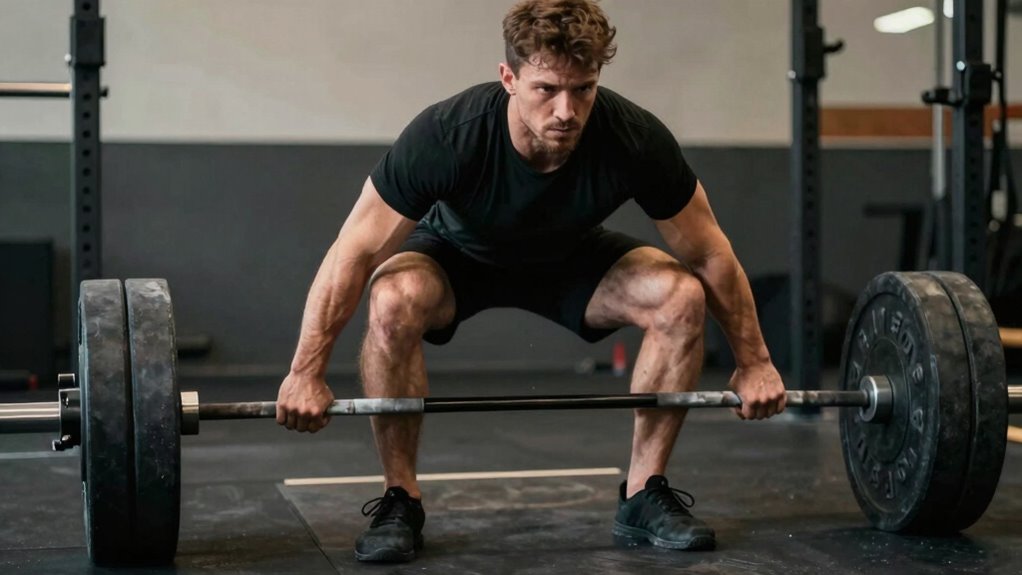

Using the trap bar deadlift isn’t cheating; it’s a legitimate exercise that offers a safer, more natural lifting position. It reduces strain on your lower back and helps you focus on engaging your glutes, hamstrings, and quads effectively. Many see it as an accessible way to build strength without sacrificing form. If you keep exploring, you’ll discover how proper technique and common mistakes impact your results and safety.
Key Takeaways
- Proper trap bar deadlift form emphasizes safety, control, and muscle engagement, not shortcutting or cheating on technique.
- Using correct form maximizes muscle activation and reduces injury risk, aligning with legitimate strength training practices.
- The trap bar’s design naturally promotes better posture, making proper form easier and not a sign of cheating.
- Maintaining proper form throughout the lift is essential for effective training, regardless of equipment used.
- Focusing on technique rather than weight or speed ensures legitimate progress and isn’t cheating.

CAP Barbell Olympic Hex / Trap /Shrug /Deadlift Bar with Combo Grips, Black – New Version (OBIS-89HB)
SPECS – This heavy-duty trap bar measures 55.71" L × 24.61" W × 5" H and weighs 49.26…
As an affiliate, we earn on qualifying purchases.
As an affiliate, we earn on qualifying purchases.
What Is a Trap Bar Deadlift & Why It’s Worth Knowing
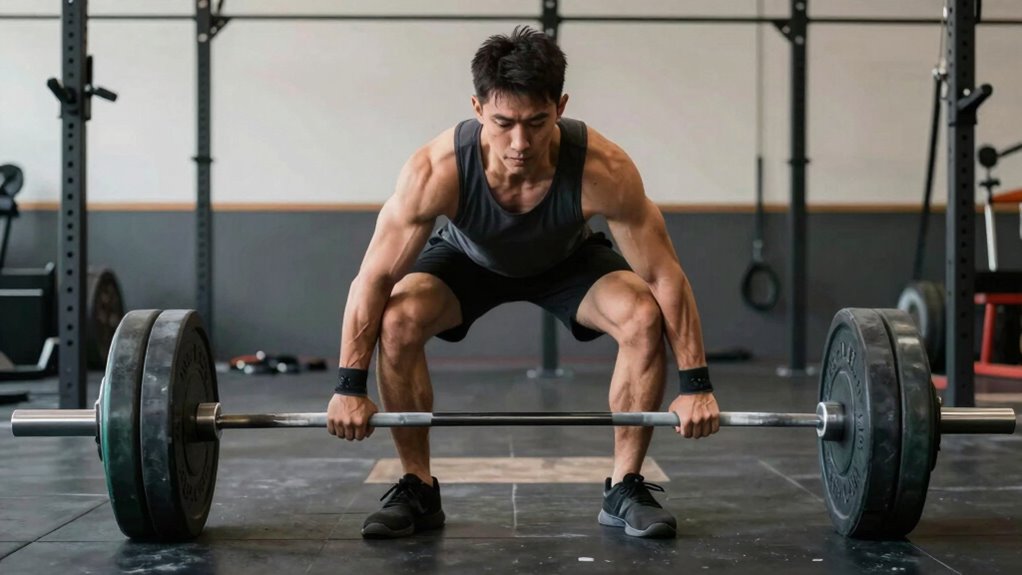
Have you ever wondered how to lift heavy weights safely and effectively? The trap bar deadlift is a popular alternative to the traditional barbell deadlift, offering a unique grip and stance. It’s a versatile piece of equipment that can be a great addition to your workout routine. If you’re looking for barbell alternatives, the trap bar provides a more natural lifting position, reducing strain on your lower back and improving stability. Equipment options like the trap bar are especially helpful if you’re new to deadlifting or recovering from injury. This exercise targets your glutes, hamstrings, and lower back while minimizing technical difficulty. Learning how to perform a trap bar deadlift can boost your strength and confidence without the complexity of traditional barbell setups. Incorporating home gym equipment into your training plan can also enhance your understanding of effective workout techniques. Additionally, understanding proper deadlift form is crucial for maximizing benefits and preventing injury during your lifts. Developing an awareness of proper lifting biomechanics can further improve your technique and safety, especially in understanding how proper lifting mechanics reduce injury risk and optimize performance.

CAP Barbell Olympic Trap Bar, Hex Bar, Shrug Bar, Deadlift Bar, Green , 50 inches
✔ FOR USE ONLY with CAP 2 Inch Olympic cast iron plates. NOT for use with Olympic Bumper…
As an affiliate, we earn on qualifying purchases.
As an affiliate, we earn on qualifying purchases.
How to Perform a Trap Bar Deadlift Correctly and Safely
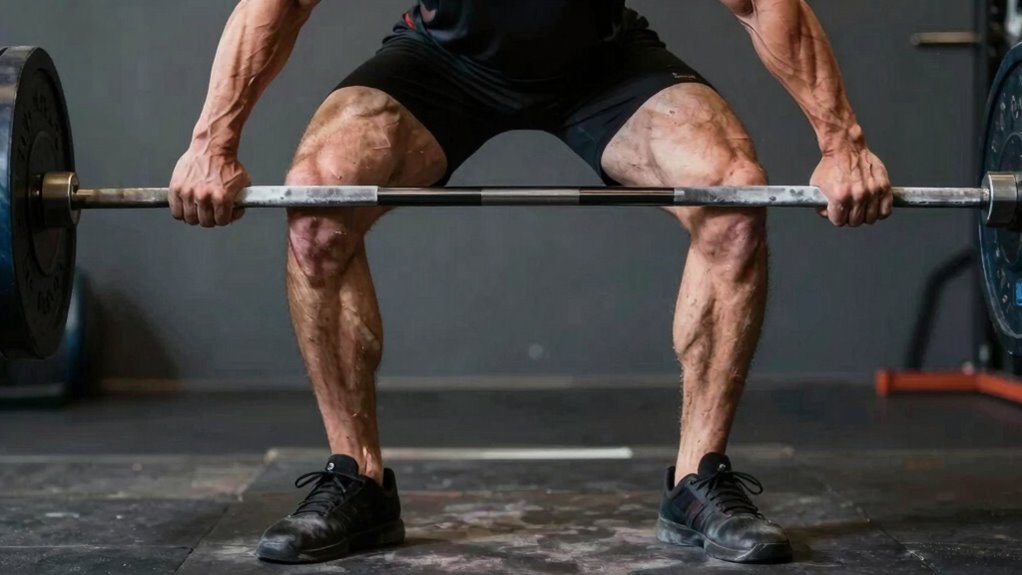
To perform a trap bar deadlift correctly and safely, start by standing inside the trap bar with your feet shoulder-width apart and toes pointing slightly outward. Choose equipment options that feel comfortable and stable, ensuring the handles allow for a natural grip. Engage your core and keep your chest up as you bend at the hips and knees, maintaining a neutral spine. As you lift, focus on muscle activation in your glutes, hamstrings, and quads, driving through your heels. Keep the bar close to your body throughout the movement to reduce strain on your lower back. Lower the weight with control, reversing the motion. Proper form minimizes injury risk and maximizes muscle engagement, making your workout effective and safe. Additionally, inspecting your equipment regularly ensures weatherproof tool storage and safety during your lifts.
CAP Barbell Olympic Hex / Trap /Shrug /Deadlift Bar with Combo Grips, Black – New Version (OBIS-89HB)
SPECS – This heavy-duty trap bar measures 55.71" L × 24.61" W × 5" H and weighs 49.26…
As an affiliate, we earn on qualifying purchases.
As an affiliate, we earn on qualifying purchases.
Avoid These Common Trap Bar Deadlift Mistakes

One of the most common mistakes in trap bar deadlifts is rounding the back instead of maintaining a neutral spine. Technique errors like this compromise your safety and reduce effectiveness. Another frequent issue is equipment misuse, such as standing too close or too far from the bar, which can cause poor form and unnecessary strain. Make sure you set your feet correctly and grip the handles firmly without overextending your arms or shoulders. Avoid jerking or bouncing the weight, as this indicates poor control. Also, check that you’re not collapsing your chest or over-arching your lower back. Proper form depends on awareness of these mistakes; focusing on technique and proper equipment setup helps prevent injury and maximizes results. Additionally, using proper footwear can enhance stability during the lift and improve overall form. Paying attention to body alignment throughout the movement is crucial to maintain safety and effectiveness. Maintaining spinal neutrality is essential to prevent injury and ensure optimal muscle engagement.
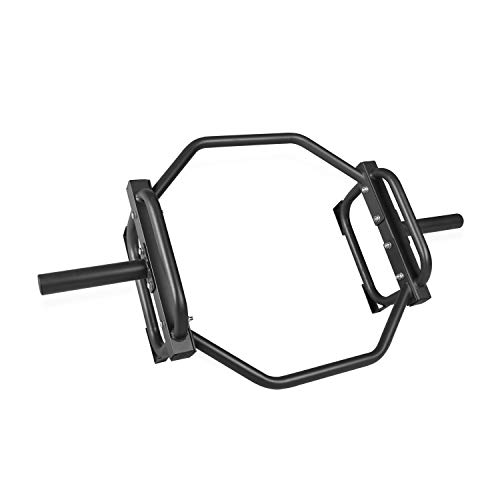
CAP Barbell Olympic Trap Bar, 500lbs, Alloy Steel, Black, 50x29x14 inches
SPECS: Dimensions are 50” L x 29” W x 14” H; Loadable sleeve length is 9.5 inches; Total…
As an affiliate, we earn on qualifying purchases.
As an affiliate, we earn on qualifying purchases.
Trap Bar Deadlifts vs. Traditional Deadlifts: Which Should You Do?

Choosing between trap bar deadlifts and traditional deadlifts depends on your goals, experience, and physical capabilities. Trap bar deadlifts often feature equipment differences that make them more beginner-friendly, reducing stress on the lower back. They also change muscle engagement, emphasizing quads and glutes more than a conventional deadlift. Traditional deadlifts involve a straight bar, requiring more core stabilization and engaging posterior chain muscles like hamstrings and lower back. Additionally, understanding free floating mechanics can help optimize your lifting technique and safety. Recognizing lifting mechanics can further enhance performance and reduce injury risk.
Benefits of the Trap Bar Deadlift for Your Training
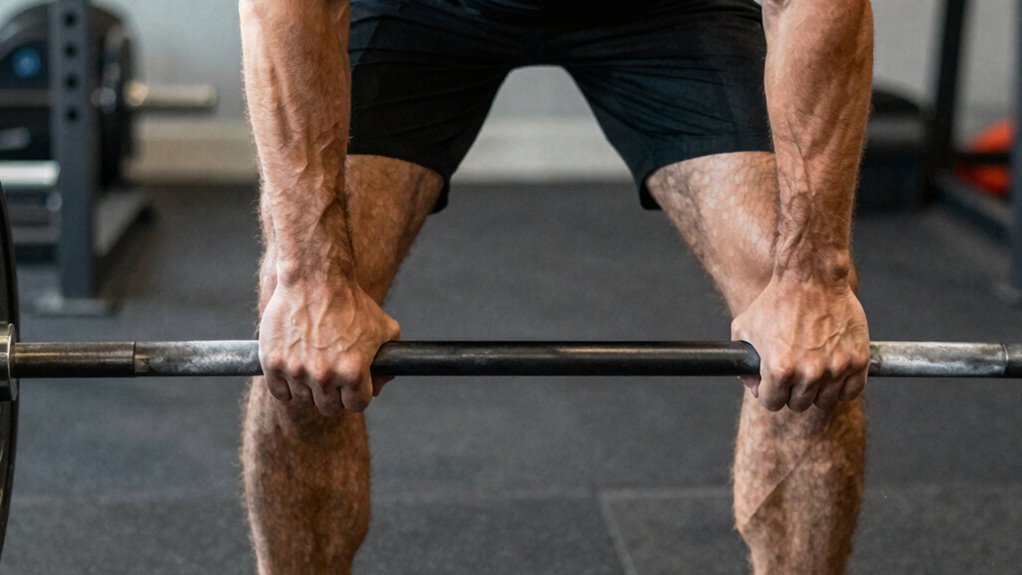
The trap bar deadlift offers several key benefits that can enhance your training routine. One major advantage is its ability to support steady training progression, allowing you to lift heavier safely as your strength improves. Its design encourages balanced muscle engagement, targeting your glutes, hamstrings, quads, and lower back more evenly. This balanced activation helps reduce the risk of injury and promotes overall strength development. Because the movement is more natural and less stressful on your lower back, you can focus on proper form and progressively increase weight without sacrificing safety. Incorporating trap bar deadlifts into your routine can lead to better muscle engagement, improved power, and a solid foundation for advancing your lifting performance. proper form is essential to maximize benefits and minimize injury risk. Additionally, the ergonomic design of the trap bar can make the exercise more accessible for beginners and those with mobility concerns. Using equipment with specialized features can further enhance safety and effectiveness during your lifts. Incorporating muscle activation techniques can also help optimize your training outcomes and prevent imbalances, especially as they relate to balanced muscle engagement.
Safe Ways to Incorporate Trap Bar Deadlifts Into Your Workout
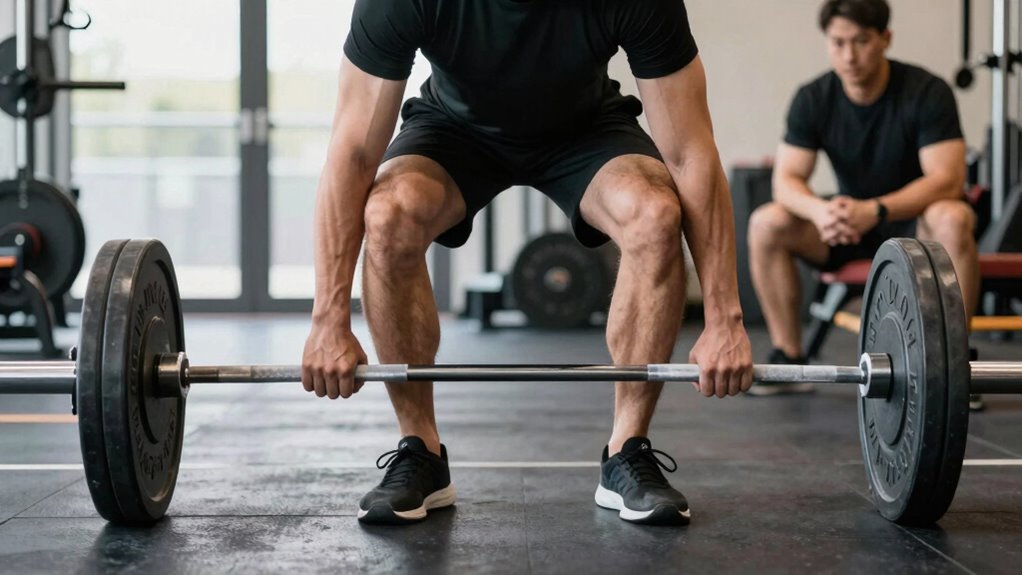
To safely incorporate trap bar deadlifts into your workout, start by mastering proper form with lighter weights. Focus on your technique before adding heavy loads, and consider using weightlifting accessories like belts or straps if needed for extra support. Always include thorough workout warm ups, such as dynamic stretches and light sets, to prepare your muscles and joints. Gradually increase weight over time, listening to your body and avoiding sudden jumps. Incorporate trap bar deadlifts into your routine 2-3 times per week, ensuring proper rest between sessions. Be mindful of your posture and avoid overtraining to prevent injury. Additionally, understanding the importance of proper form can significantly reduce injury risk and enhance your lifting effectiveness. Incorporating training progression principles can help you safely build strength and prevent setbacks. Paying attention to aviation regulations and seeking guidance from qualified trainers can further improve your technique and safety. Remember that training consistency is key to long-term progress and injury prevention. Additionally, selecting the appropriate yarn weight and pattern can optimize your workout outcomes when incorporating deadlifts into your routine. With consistent practice and attention to safety, you’ll maximize benefits while minimizing risks.
Frequently Asked Questions
Can Trap Bar Deadlifts Help Improve My Athletic Performance?
Yes, trap bar deadlifts can boost your athletic performance by building strength, which translates to better power and stability. They also complement plyometric training, helping improve explosive movements. Plus, incorporating them into your routine can enhance cardiovascular endurance by increasing workout intensity. Regularly performing trap bar deadlifts develops overall athleticism, making you quicker and more resilient during sports or physical activities.
Are Trap Bar Deadlifts Suitable for Beginners?
Trap bar deadlifts are suitable for beginners because they promote proper technique and reduce strain on your lower back. You can incorporate technique modifications, like lighter weights or slower reps, to build confidence. If you’re uncomfortable, alternative exercises like goblet squats or kettlebell swings can help develop similar muscles. As you progress, gradually increase weight and complexity to improve your strength safely and effectively.
How Do Trap Bar Deadlifts Target Different Muscle Groups?
Trap bar deadlifts target different muscle groups through enhanced muscle activation and exercise variation. You engage your glutes, hamstrings, and quads more effectively, while also activating your core and back muscles. The design allows for a more upright torso, shifting focus from lower back to the legs and hips. This exercise variation helps improve overall strength and reduces injury risk, making it a versatile addition to your workout routine.
What Equipment Is Needed to Perform a Trap Bar Deadlift Safely?
To perform a trap bar deadlift safely, you need a trap bar, lifting accessories like weight plates, and proper footwear. Think of it like assembling a safety net—each piece supports your lift. Always use safety precautions like a lifting belt or wrist straps if needed, and guarantee the bar is stable. This setup minimizes injury risk and helps you lift confidently, just like practicing proper form ensures a successful workout.
How Often Should I Incorporate Trap Bar Deadlifts Into My Training Routine?
You should incorporate trap bar deadlifts into your training routine about 1 to 2 times per week, depending on your goals and recovery. Focus on progressive overload with proper form, gradually increasing weight or reps. Use progression strategies like adding volume or intensity over time, but make certain you allow enough recovery. Balancing trap bar deadlifts with other exercises will help prevent overtraining and promote continuous strength gains.
Conclusion
Now that you know the ins and outs of trap bar deadlifts, don’t write them off as “cheating.” They’re a solid addition to your routine, helping you build strength safely. Just remember, mastering proper form is key—don’t let the fear of looking less “serious” hold you back. Think of it as planting seeds for long-term gains; with patience and practice, you’ll see results that speak for themselves.