To target your quads on the leg press, place your feet lower on the platform, keeping them just below shoulder width, and focus on knee extension. For glute focus, position your feet higher and wider, emphasizing hip movement. Make sure your form stays controlled to avoid injury. Adjusting foot placement is key, and if you keep exploring, you’ll discover how to optimize your setup for effective muscle engagement.

Get workout gear delivered free with Prime
- Fast, free delivery on millions of items
- Prime Video, Amazon Music and more included
- Member-only deals all year
Key Takeaways
- Place feet lower on the platform to target quads, emphasizing knee extension and front thigh engagement.
- Position feet higher on the platform to activate glutes, promoting hip flexion and posterior chain involvement.
- Keep feet just below shoulder width for balanced muscle activation and to avoid strain.
- Adjust foot placement gradually while monitoring form to ensure proper alignment and prevent injury.
- Use wider stances and heel driving to focus more on glutes during the leg press.
As an affiliate, we earn on qualifying purchases.
Understanding How Foot Placement Changes Muscle Activation in the Leg Press
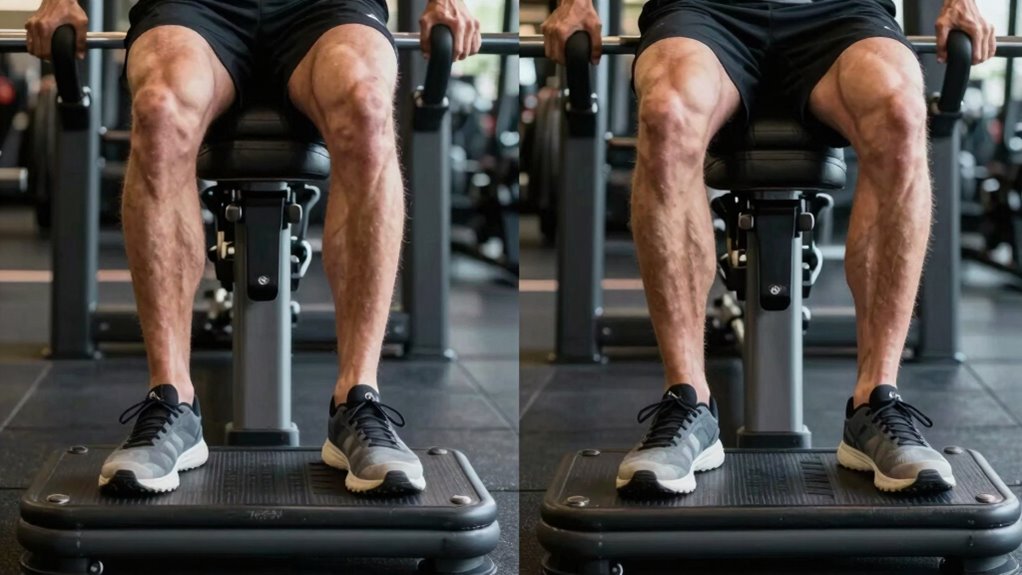
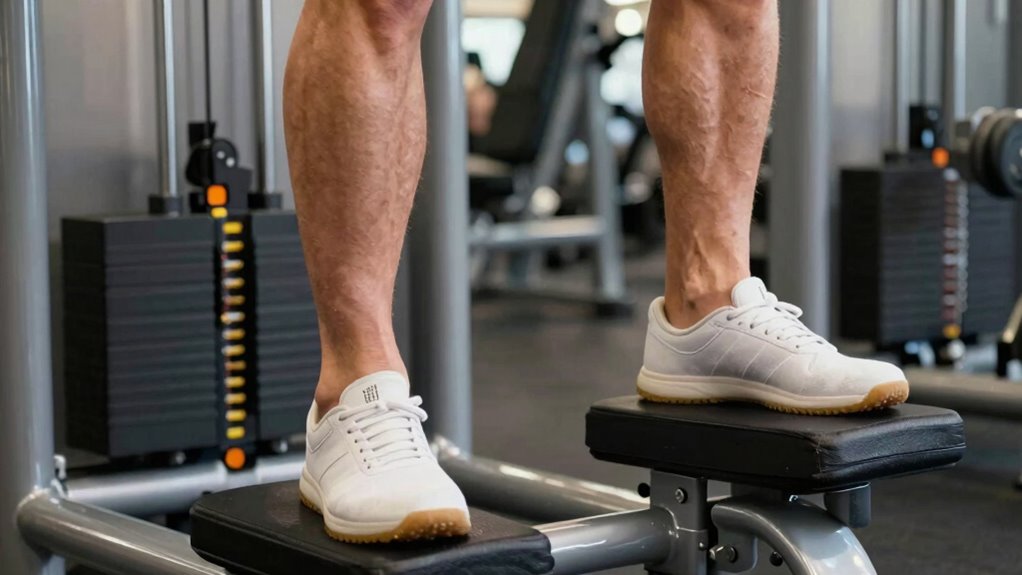
Your foot placement on the leg press considerably influences which muscles are targeted and how intensely they’re activated. When your feet are positioned higher on the platform, you engage your glutes and hamstrings more, while a lower stance emphasizes your quads. Ankle flexibility plays a role here; if your ankles are flexible, you can adjust your foot placement for better foot stability, reducing strain and improving control. Proper foot stability ensures you maintain balance and prevent injury, allowing you to focus on the targeted muscles. A wide stance increases activation of inner thigh muscles, whereas a narrow stance targets your quads more directly. Understanding muscle activation and how foot placement impacts it allows you to fine-tune your setup for ideal results and safer, more effective workouts. Additionally, being aware of foot placement can help you optimize your form and prevent unnecessary stress on your joints, especially by considering joint health and proper technique. Recognizing proper technique can further reduce the risk of injury and enhance overall workout effectiveness, especially when considering joint stress management.
adjustable foot platform for leg press
As an affiliate, we earn on qualifying purchases.
As an affiliate, we earn on qualifying purchases.
The Best Foot Position on the Leg Press to Target Your Quads Effectively
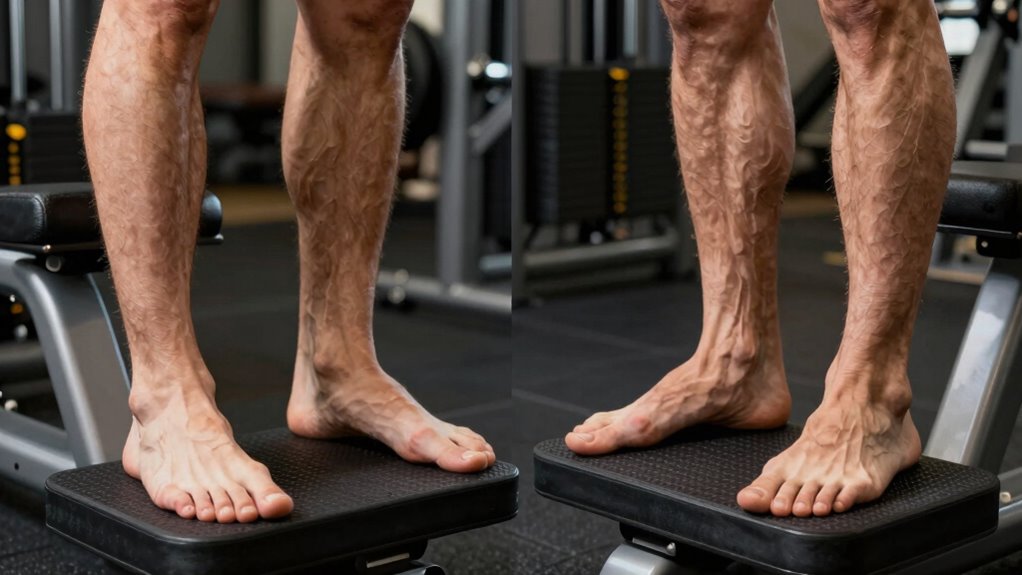
For targeting your quads effectively on the leg press, positioning your feet lower on the platform is the key. This setup emphasizes knee extension, engaging your quads more than other muscles. Make sure your ankle flexibility and hip mobility are adequate to avoid strain. A wider stance can also help, but keep your feet just below shoulder width for ideal quad focus. This position reduces glute involvement and shifts work to your front thigh. Adjusting your foot placement requires some trial, but staying mindful of your mobility will help prevent injury. Practice controlled movements with proper form to maximize quad activation and minimize discomfort. Additionally, understanding how muscle engagement varies with foot placement can help you tailor your workout for better results.
As an affiliate, we earn on qualifying purchases.
How to Adjust Your Foot Placement on the Leg Press for Glute Engagement
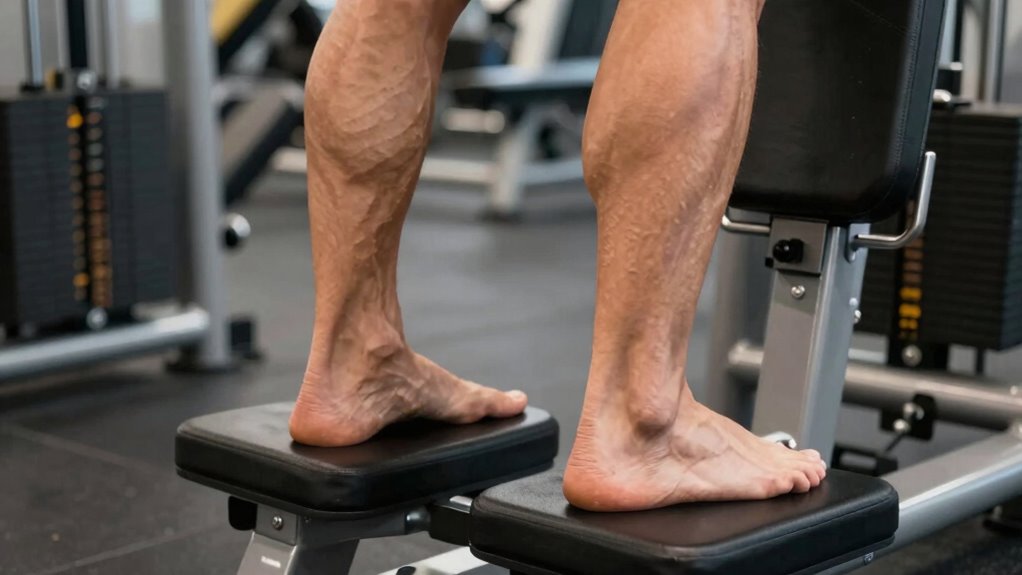
Adjusting your foot placement on the leg press can substantially increase glute activation. To target your glutes, place your feet higher on the platform, which encourages hip flexion and engages the glutes more effectively. Make sure your feet are firmly planted to maintain foot stability during the movement, preventing unnecessary shifting or discomfort. Improved hip flexibility allows for a greater range of motion, making it easier to position your feet higher without strain. Keep your heels flat and avoid lifting your toes to maximize glute engagement. Experiment with different foot positions within this range to find what feels most natural and effective for activating your glutes while maintaining stability throughout the movement.
As an affiliate, we earn on qualifying purchases.
Common Mistakes in Leg Press Foot Setup and How to Avoid Them
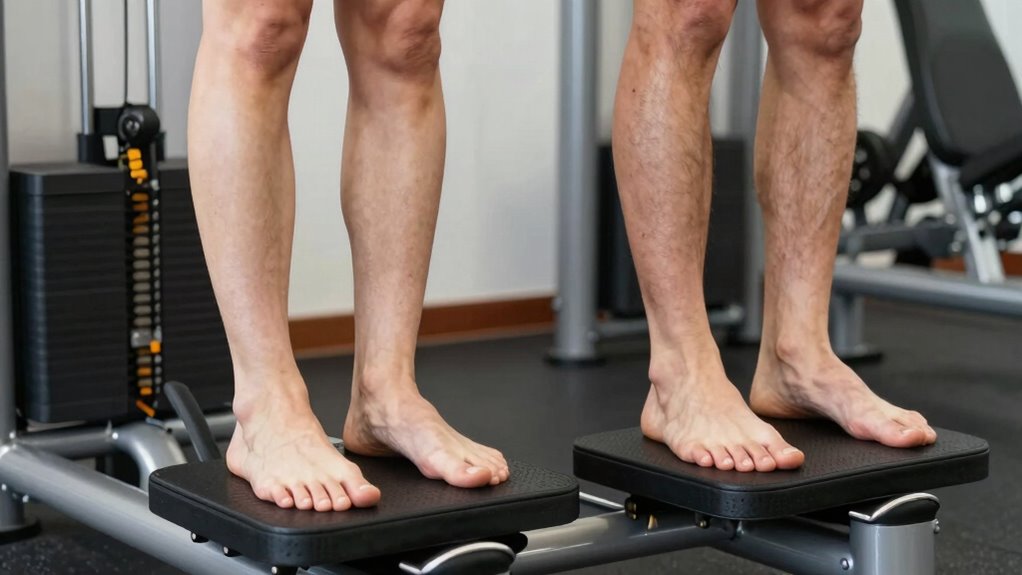
Many people make mistakes with foot placement on the leg press that can lead to injury or less effective workouts. Placing your feet too high or low can cause unnecessary strain, while overemphasizing knee alignment might increase joint stress. Being mindful of your foot position helps you avoid these common pitfalls and get the most out of each session. Additionally, understanding how different training techniques influence muscle activation can help optimize your setup for specific goals like targeting quads or glutes.
Incorrect Foot Placement Risks
Incorrect foot placement on the leg press machine can lead to serious injuries and hinder your progress. Poor foot positioning increases risk factors such as strain on your knees, hips, and lower back. If your feet are too low or too high on the platform, you may place undue stress on joints and muscles, risking ligament strain or muscle imbalance. Wide or narrow foot placement can also cause instability, increasing the chance of slips or misalignment during the movement. Additionally, improper foot positioning can lead to uneven load distribution, which may cause joint or tissue injuries over time. To avoid these risk factors, always position your feet correctly based on your goals and body mechanics, ensuring safety and effective muscle engagement during each rep. Optimizing foot placement can also enhance your overall workout efficiency and prevent unnecessary strain. Proper alignment and foot positioning are crucial for maximizing muscle activation and reducing injury risk, supporting long-term progress. Being aware of body mechanics during setup can help you maintain safer and more effective form throughout your training. Ensuring correct stability during exercises is essential for injury prevention and optimal muscle development. Developing awareness of proper technique can further contribute to safer and more effective training sessions.
Overemphasizing Knee Alignment
Focusing too much on aligning your knees perfectly during the leg press can lead to other issues if you neglect proper foot placement. Overemphasizing knee safety may cause you to ignore foot stability, which is vital for a safe, effective workout. Instead of obsessing over perfect knee alignment, focus on maintaining a balanced foot position that supports your goal—whether targeting quads or glutes. Misaligned knees can increase strain and risk injury, but improper foot placement compromises stability and reduces control. To avoid this mistake, prioritize a comfortable, stable foot setup that allows natural knee movement and proper foot placement. Additionally, understanding the importance of foot positioning in performance can further enhance your training effectiveness. Recognizing the role of equipment safety and proper maintenance can also contribute to a safer workout environment.
Safe Tips for Experimenting With Foot Placement During Your Workout
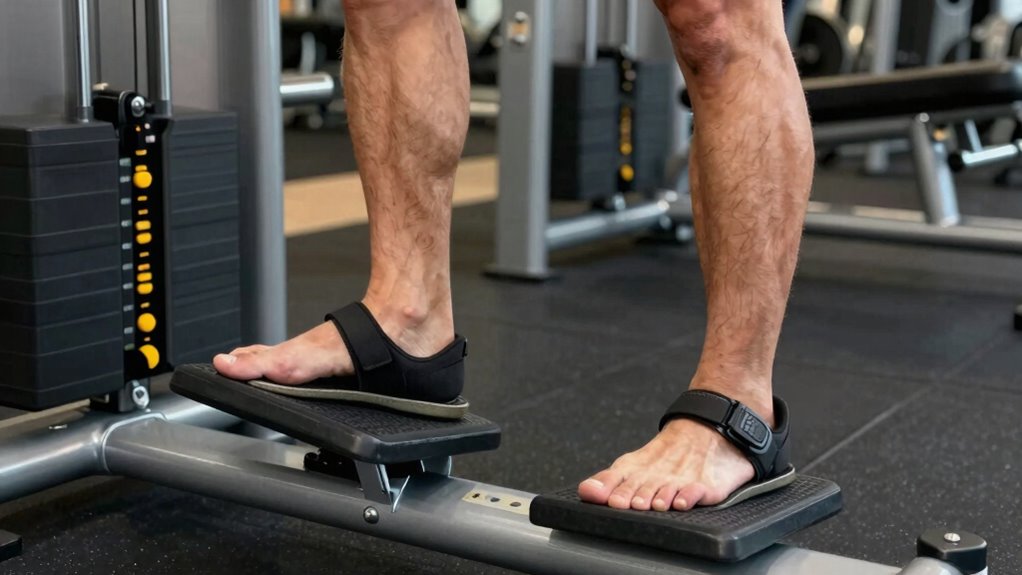
Before experimenting with different foot placements, make sure to warm up properly to prevent injury. As you adjust your foot position, do so carefully to maintain good body alignment and avoid strain. Keep an eye on your form throughout to make certain you’re staying safe while exploring new setups.
Warm Up Properly
Warming up properly is essential before experimenting with foot placement on the leg press, as it prepares your muscles and reduces injury risk. Start with a few warm-up routines like light cardio to increase blood flow and loosen your muscles. Incorporate stretching techniques targeting your hamstrings, quads, and glutes to enhance flexibility and prevent strains. Focus on dynamic stretches, such as leg swings or bodyweight lunges, to activate the muscles you’ll use during your workout. Proper warm-up *guarantees* your joints and muscles are ready for more intense movements, making it safer to adjust foot positions. Additionally, understanding muscle activation can help you target specific muscle groups effectively during your exercises. Incorporating a comprehensive warm-up routine can further improve your workout performance and reduce the risk of injury. Research shows that a proper warm-up can also improve exercise efficiency, allowing you to get the most out of each session. Engaging in a thorough warm-up increases your body’s readiness, which can positively influence your training outcomes. For optimal results, pay attention to body awareness during your warm-up, which can help you identify and address any potential imbalances or tightness. Don’t skip this step; a well-prepared body allows you to experiment confidently without risking overstretching or injury.
Adjust Foot Placement Carefully
Adjusting your foot placement carefully during the leg press is essential to prevent injury and maximize effectiveness. Your foot placement influences which muscles activate most during the exercise. If you position your feet higher on the platform, you’ll target your glutes and hamstrings more intensely. Conversely, placing your feet lower emphasizes your quads. Experimenting with slight variations allows you to find what works best for your goals while maintaining safety. Be mindful not to shift your feet too abruptly or too far apart, as this can strain joints or lead to improper form. Focus on maintaining a stable, balanced position that aligns with your body’s mechanics. Adjust your foot placement gradually, paying attention to how each change affects muscle activation and comfort. Understanding muscle activation patterns can help you optimize your foot positioning for specific muscle engagement during the exercise. Incorporating body mechanics awareness can further enhance safe and effective training. Additionally, monitoring movement quality ensures that your adjustments promote proper technique and reduce injury risk. Being mindful of joint alignment can also help prevent discomfort and promote longevity in your training. Incorporating proper stabilization techniques can further support safe execution and muscle engagement during the movement.
Monitor Body Alignment
Monitoring your body alignment while experimenting with foot placement guarantees you stay safe and effective during the leg press. Keep a close eye on your overall posture to prevent injury and ensure proper muscle engagement. Focus on maintaining foot alignment with your knees and hips, avoiding inward or outward twisting. To support ankle stability, keep your feet flat and evenly distributed across the platform. Here are some tips to help:
- Check that your knees track directly over your toes during movement.
- Keep your heels planted firmly to promote ankle stability.
- Avoid letting your feet roll inward or outward during reps.
- Maintain a neutral spine and tight core for balanced alignment.
- Pay attention to your body mechanics to enhance safety and effectiveness.
Staying mindful of these cues helps you optimize your workout while reducing strain or misalignment risks.
When and How to Switch Between Quads and Glutes Focus in Your Leg Press Routine
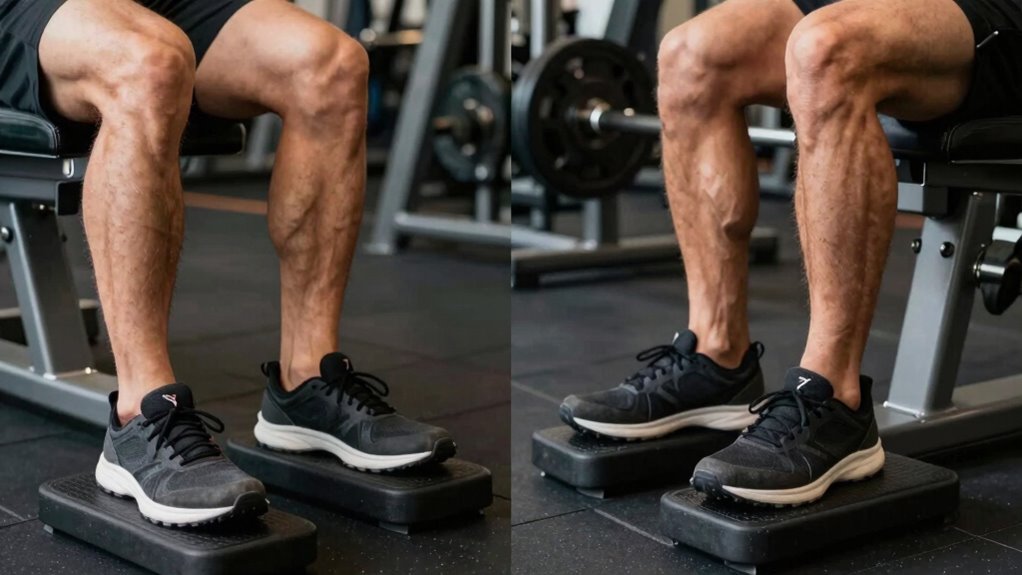
Knowing when and how to shift your focus between your quads and glutes during leg presses can enhance your workout effectiveness. If you want to emphasize your quads, start with a narrower foot width and ensure good ankle mobility for proper form. To target your glutes, widen your stance and focus on pushing through your heels. Use this table to guide your transition(s):
| Focus Area | Foot Position | Key Technique | When to Switch | Benefits |
|---|---|---|---|---|
| Quads | Narrow stance | Ankle mobility | Early reps | Quads activation |
| Glutes | Wide stance | Heel drive | Later reps | Glutes engagement |
| Transition | Moderate width | Controlled reps | Mid workout | Balanced development |
| Repetition | Vary stance | Mindful focus | As needed | Prevent plateaus |
| Recovery | Rest phase | Light loads | End of routine | Muscle recovery |
Adjust based on your goals and comfort, paying attention to foot width and ankle mobility.
Knowing When to Consult a Trainer About Your Leg Press Foot Position
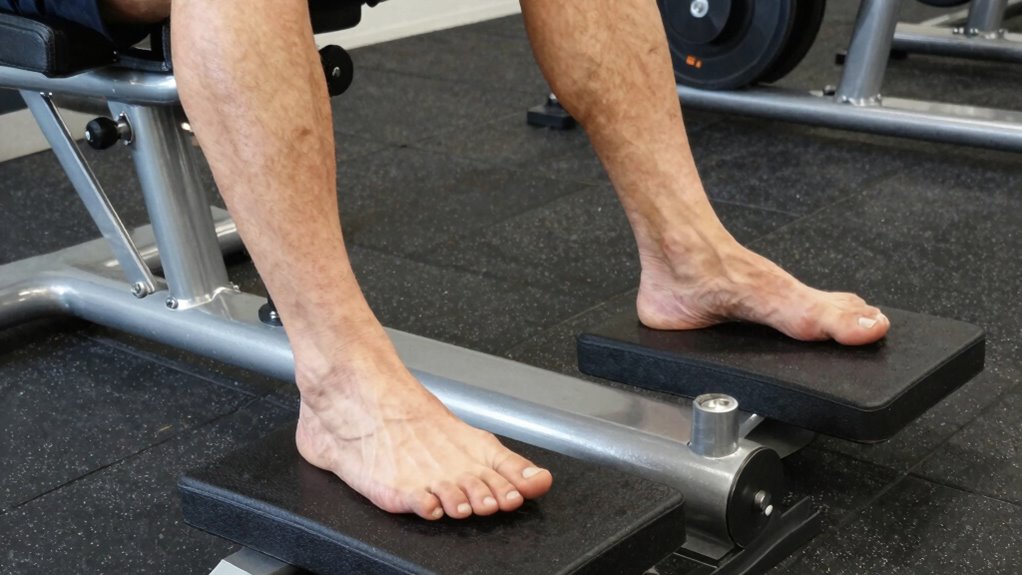
Recognizing when to seek guidance from a trainer can prevent improper form and reduce injury risk during your leg press workouts. If you’re unsure about your foot positioning or experience discomfort, it’s time for a trainer consultation. Proper foot placement is key for leg press safety and effectiveness. Consider consulting a trainer if:
- You feel persistent pain or discomfort during your sets
- You’re unsure if your foot position targets the right muscle groups
- Your form feels unsteady or inconsistent
- You’re not making progress despite following your routine
A trainer can assess your technique, suggest adjustments, and ensure you’re performing the exercise safely. Don’t hesitate to seek expert advice to optimize your leg press setup and avoid injury.
Frequently Asked Questions
Can I Combine Different Foot Positions in One Workout?
Yes, you can combine different foot positions in one workout to target various muscles and keep your routine varied. Switching foot positions, like high for glutes or low for quads, creates effective workout variations. Just make sure you listen to your body and avoid overdoing it, especially if you experience discomfort. Incorporating different foot positions can boost your overall strength and muscle development while keeping workouts interesting.
How Often Should I Change My Foot Placement for Best Results?
You should change your foot placement every 4 to 6 weeks to optimize muscle engagement and prevent plateaus. Regular variation guarantees you’re targeting different muscles and reduces the risk of injury from repetitive strain. Pay attention to how your body responds and adjust accordingly. Incorporating changes gradually helps you maintain proper form, improve strength, and avoid overuse injuries, leading to better overall results.
Do Personal Body Factors Influence Optimal Foot Positioning?
Remember, “every body is different,” and your personal body factors do influence ideal foot positioning. Biomechanical variations like limb length and joint mobility affect how you recruit muscles during the leg press. By adjusting foot placement based on your unique structure, you can target quads or glutes more effectively. Pay attention to how your muscles feel and perform, and tweak your stance accordingly for the best results.
Is There an Ideal Foot Position for Beginners on the Leg Press?
For beginners, an ideal foot position on the leg press involves foot alignment shoulder-width apart, with ankles in a neutral position. Keep your feet flat and guarantee your ankles are stable, avoiding rolling inward or outward. This setup helps distribute weight evenly, reduces injury risk, and targets your quads or glutes effectively depending on your foot placement. Focus on maintaining proper ankle positioning for comfort and safety during your workout.
How Do I Know if My Foot Placement Is Causing Discomfort?
Did you know that about 20% of gym injuries come from improper form? To see if your foot placement causes discomfort, pay attention to foot pain during or after the exercise. If you experience any sharp or persistent discomfort, adjust your foot position—wider, narrower, or higher on the platform. Proper foot placement helps prevent discomfort and injury, ensuring you get the most out of your leg press workout.
Conclusion
By tweaking your foot placement, you can tailor your leg press to target your quads or glutes effectively. Remember to remain mindful, maneuver mindfully, and avoid mistakes. Mix and match your foot positions for maximum muscle mastery, and don’t hesitate to seek support if you’re stuck. Stay safe, stay strategic, and supercharge your strength journey with smart, specific stance shifts that shape and strengthen your lower body.
Halloween Picks
halloween
As an affiliate, we earn on qualifying purchases.