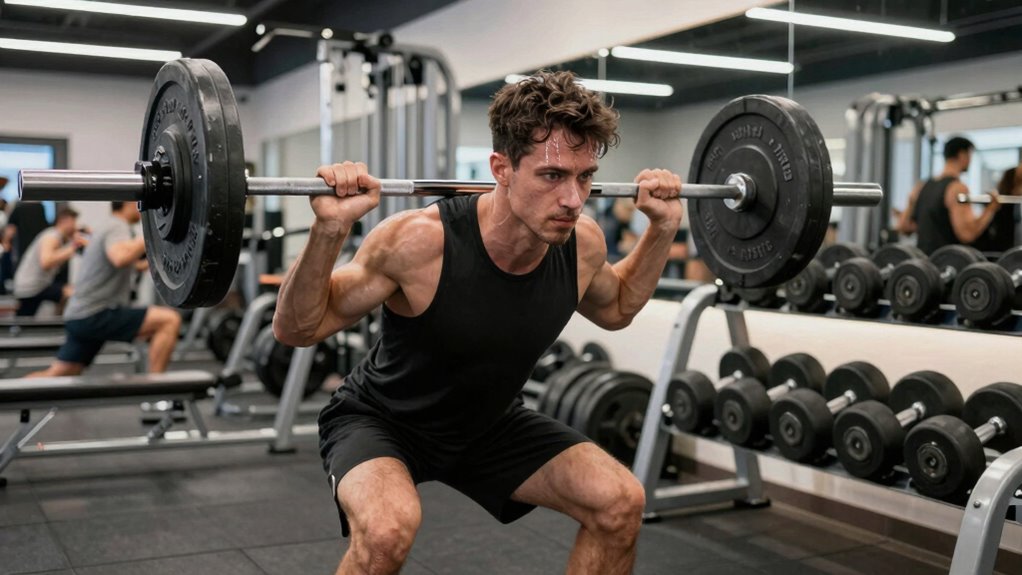

To use drop sets without chaos, choose a weight that challenges you near failure and reduce it by 10-25% when fatigue hits. Avoid rushing the weight drops or doing too many drops, and focus on controlled movements to prevent injury. Stick to 2-3 drops per exercise, listen to your body, and balance drop sets with other training methods. Want to open the full potential of drop sets? Keep going to find out more.
Key Takeaways
- Plan drop sets with 2-3 drops per exercise to maintain control and prevent excessive fatigue.
- Start with a challenging weight that allows proper form, then gradually reduce weight in small increments.
- Limit drop sets to specific exercises or training days to avoid overtraining and burnout.
- Focus on proper technique and controlled movement throughout to minimize injury risk.
- Regularly monitor fatigue levels and adjust drop set intensity to balance growth and recovery.

Have you ever wondered how to push your muscles to their limits and break through plateaus? Drop sets are a powerful tool to do just that, but only if you use them wisely. The key to *unleashing* their full potential lies in understanding muscle fatigue and managing training intensity. When you perform drop sets, you intentionally push your muscles to fatigue by decreasing the weight after each set, forcing your muscles to work beyond their usual limits. This technique amplifies training intensity, stimulating growth and endurance, but it can also lead to overtraining if not properly controlled. The goal is to challenge your muscles just enough to promote progress without turning every workout into chaos.
To incorporate drop sets effectively, start with a weight that allows you to complete your target reps with good form, but leaves you feeling close to failure. As soon as you reach fatigue—when your muscles struggle to maintain proper technique—reduce the weight by about 10-25%. Continue performing reps with the lighter load until you hit fatigue again. This process can be repeated multiple times, but always listen to your body. Overdoing it can cause excessive muscle fatigue, increasing the risk of injury and impairing recovery.
Start with a challenging weight, then reduce it by 10-25% at fatigue to maximize drop set effectiveness.
Controlling training intensity during drop sets is *vital*. You want to push your muscles hard enough to stimulate growth, but not so hard that you compromise form or overtrain. A common mistake is to drop the weight too quickly or perform too many drops in one set, which can turn your workout into chaos. Instead, plan your drop set sequences carefully—generally 2-3 drops per set are enough. Use a timer or a coach’s guidance if needed to *guarantee* consistent rest periods and weight reductions. Remember, the purpose of drop sets is to extend the time under tension and increase muscle fatigue, not to exhaust yourself entirely.
Another tip is to limit drop sets to certain exercises or training days, especially if you’re new to them. Overusing drop sets can lead to burnout and diminish their effectiveness over time. Balance your workout with traditional sets and other intensity techniques. Always prioritize proper form and adequate recovery to prevent injury and optimize results. When used correctly, drop sets can be a game-changer, helping you push your muscles further, break through plateaus, and achieve your fitness goals more efficiently—just don’t let the pursuit of intensity turn your workout into chaos.
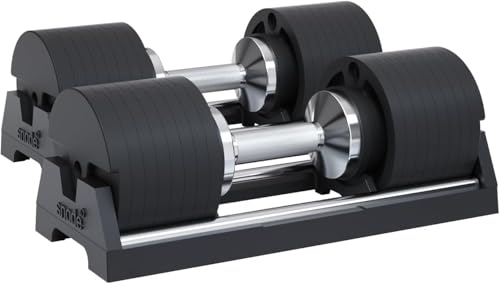
SNODE AD80 Drop Resistance 80 lbs Adjustable Dumbbell Set- Exhaustion Training Weights Adjustable Dumbbells- Cast Iron Plates, Iron Cradle, Anti-Slip Metal Handle, Compact Design, Fast Adjust
One pair of adjustable dumbbells. They will be shipped out in two separate packages.
As an affiliate, we earn on qualifying purchases.
As an affiliate, we earn on qualifying purchases.
Frequently Asked Questions
Can Drop Sets Help Build Muscle Faster Than Traditional Sets?
Yes, drop sets can help you build muscle faster than traditional sets by increasing training intensity and promoting muscle hypertrophy. When you reduce weight after reaching failure, you push your muscles beyond typical limits, encouraging growth. This method intensifies your workout, stimulates more muscle fibers, and accelerates gains. Incorporate drop sets strategically to maximize muscle development without overtraining, ensuring consistent progress over time.
How Often Should I Incorporate Drop Sets Into My Routine?
You should incorporate drop sets into your routine sparingly, about once or twice a week, balancing intensity with recovery. While they boost muscle fatigue, overdoing them can hinder your progress and recovery. Consider your training frequency and listen to your body—if you’re sore or fatigued, give yourself extra rest. Using drop sets strategically keeps your workouts challenging without risking overtraining, ensuring consistent gains and prime recovery.
Are Drop Sets Suitable for Beginners or Only Advanced Lifters?
Drop sets can be suitable for beginners’ adaptation if you start slowly and focus on proper form. They help with workout progression by gradually increasing intensity. However, don’t overdo it early on; use drop sets sparingly to avoid burnout. As you gain strength and confidence, you can incorporate them more regularly. Always listen to your body and prioritize recovery to prevent injury and ensure steady progress.
What Are Common Mistakes to Avoid When Using Drop Sets?
Avoid formulation errors and overtraining risks by not turning drop sets into chaos. You might think more is better, but rushing through reps or neglecting proper form leads to injury and burnout. Keep your weight decreases controlled, and don’t sacrifice quality for quantity. Remember, overdoing it can turn your workout into a nightmare, so listen to your body, maintain good form, and limit drop set intensity to prevent setbacks.
Do Drop Sets Increase the Risk of Injury or Overtraining?
Drop sets can increase your injury risk if you push too hard or ignore proper form, especially when fatigue sets in. They also raise overtraining concerns if you overuse them or neglect recovery. To stay safe, listen to your body, avoid sacrificing technique, and limit drop set frequency. Incorporate them gradually into your routine, balancing intensity with adequate rest to prevent injury and overtraining.
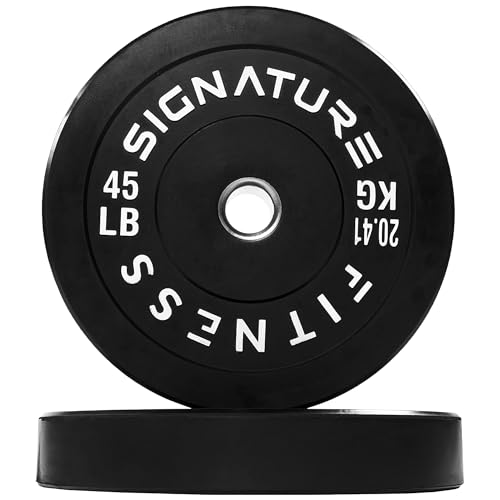
Fitvids Olympic Bumper Plates Set – 2" Weight Plates for Strength Training & Weightlifting – 45 lbs – Black
Made of virgin rubber with a 2-inch center hole, it fits Olympic bars with diameter of 2".
As an affiliate, we earn on qualifying purchases.
As an affiliate, we earn on qualifying purchases.
Conclusion
Incorporating drop sets can boost your gains without overwhelming your workout, but moderation is key. Did you know that overtraining increases injury risk by up to 50%? By using drop sets wisely, you maximize muscle fatigue and growth while minimizing burnout. Keep your sessions focused and controlled, and you’ll see progress without turning your workout into chaos. Remember, quality over quantity always wins—so listen to your body and adjust accordingly.
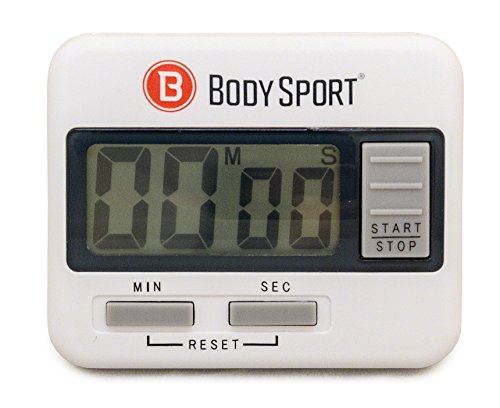
Body Sport Digital Timer Stopwatch for Fitness & Exercise Routines – Easy to Use, Battery Operated, Multifunctional Time Tracker for Home, Gym, Kitchen, Classroom, and Office Settings
EASY TO USE. Featuring an easy-to-read digital timer interface, keep in time without missing a beat with the…
As an affiliate, we earn on qualifying purchases.
As an affiliate, we earn on qualifying purchases.
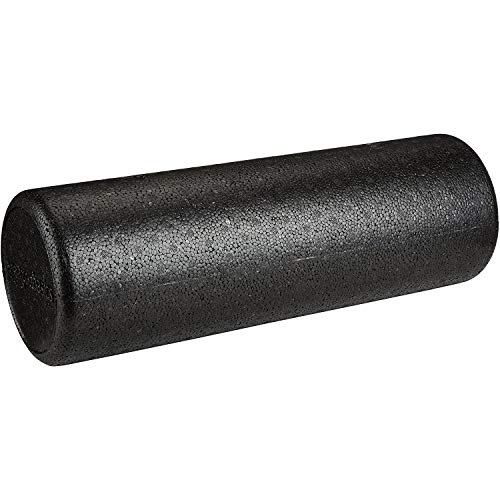
Amazon Basics High-Density Foam Roller for Exercise and Recovery, 18 Inches, Black
High-density foam roller in Black
As an affiliate, we earn on qualifying purchases.
As an affiliate, we earn on qualifying purchases.