
TL;DR
Prime for Young Adults — start your free trial
Fast free delivery, streaming and member deals for eligible 18–24 year olds.
Try it freeAs an affiliate, we earn on qualifying purchases.
The U.S. Food and Drug Administration has approved the first wearable device that tracks both ketone and blood sugar levels. This innovation aims to improve diabetes management by providing real-time data through a non-invasive method. The device’s approval marks a significant step in health monitoring technology, though some details about its long-term use remain unclear.
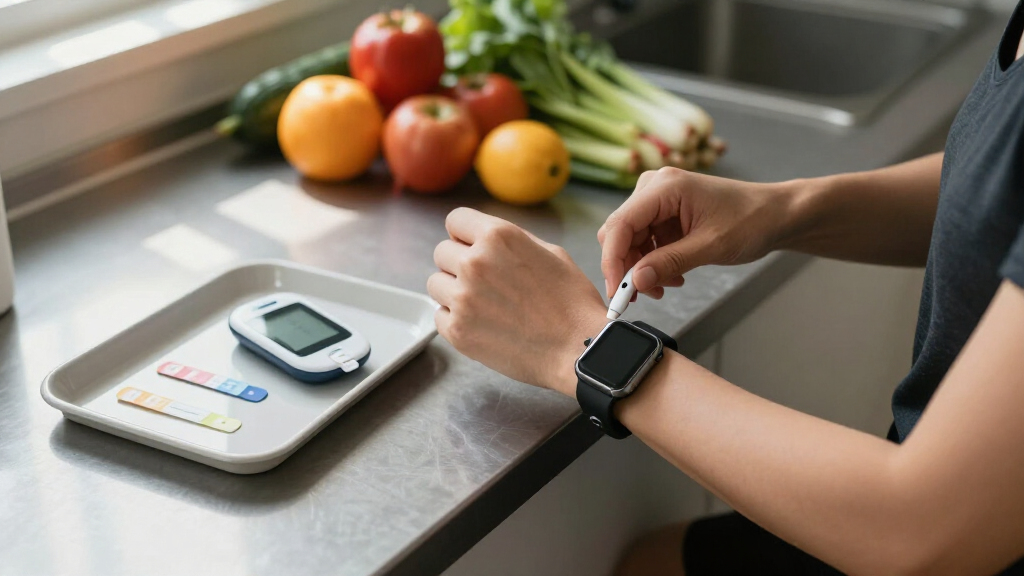
The U.S. Food and Drug Administration (FDA) has approved the first wearable device capable of simultaneously monitoring ketone and blood sugar levels. This device, developed by a biotech company, offers a non-invasive alternative to traditional blood tests, potentially transforming diabetes management for millions of patients. The approval underscores a significant advancement in health monitoring technology, with the device designed to provide real-time data for individuals with diabetes or those at risk of ketoacidosis.
The device, called KetoCheck Wear, uses a sensor embedded in a patch worn on the skin to measure levels of ketones and glucose without the need for blood samples. According to the FDA, the device has undergone clinical trials demonstrating its accuracy and reliability, with results indicating comparable performance to standard invasive testing methods. The approval allows for continuous, real-time tracking, which could enable users to better manage their condition and alert them to dangerous fluctuations before symptoms develop.
Developed by a startup in partnership with medical researchers, KetoCheck Wear received FDA clearance after meeting safety and efficacy standards. The company stated that the device is intended for use by adults with diabetes or those at risk for ketoacidosis, a serious complication that can occur when ketone levels rise dangerously high. The device connects wirelessly to a smartphone app, providing users with immediate feedback and historical data to inform their health decisions.
Potential Impact on Diabetes Management and Patient Safety
The FDA’s approval of KetoCheck Wear marks a notable milestone in non-invasive health monitoring. For people with diabetes, especially those prone to ketoacidosis, real-time data on ketone and glucose levels can facilitate earlier intervention, potentially reducing hospitalizations and serious health outcomes. The device’s ability to provide continuous monitoring may also improve adherence to treatment plans, as it removes the discomfort and inconvenience of frequent finger-prick tests.
While the device is not a cure, its availability could shift the standard of care toward more proactive management, especially in outpatient settings. Healthcare providers may incorporate such technology into routine diabetes care, and it could also empower patients to take greater control of their health. However, experts caution that further long-term studies are needed to assess its durability, accuracy over time, and integration into clinical practice.
non-invasive ketone and blood sugar monitor
As an affiliate, we earn on qualifying purchases.
As an affiliate, we earn on qualifying purchases.
Advances in Wearable Health Tech and Regulatory Approvals
The approval of KetoCheck Wear follows a broader trend of integrating wearable technology into health management. Over the past decade, devices measuring heart rate, activity, and blood oxygen levels have become commonplace, but non-invasive blood glucose monitors have faced technical challenges. The FDA has approved a handful of glucose monitoring devices, mostly invasive or minimally invasive, but this is the first to combine ketone and glucose tracking in a wearable format.
Previous efforts to develop non-invasive glucose sensors faced issues with accuracy and consistency, delaying widespread adoption. The recent approval signals increased confidence in emerging sensor technologies, driven by advancements in biosensors, miniaturization, and wireless communication. Regulatory agencies have emphasized safety and reliability, requiring rigorous clinical testing before approval.
Industry analysts see this as a pivotal development that could pave the way for more integrated, user-friendly health devices, especially for chronic disease management. The device’s approval also raises questions about future regulatory pathways for similar innovations, including potential use in other metabolic or infectious disease monitoring.
wearable device for diabetes management
As an affiliate, we earn on qualifying purchases.
As an affiliate, we earn on qualifying purchases.
Long-Term Effectiveness and Clinical Integration Unclear
While the device has demonstrated accuracy in clinical trials, it is not yet clear how it will perform in long-term, real-world use. Questions remain about its durability, user adherence, and potential technical issues over extended periods. Additionally, how healthcare providers will incorporate this technology into standard care protocols is still being evaluated, and reimbursement policies are not yet established.
continuous glucose and ketone monitor
As an affiliate, we earn on qualifying purchases.
As an affiliate, we earn on qualifying purchases.
Monitoring Adoption and Ongoing Research on Device Performance
Following approval, the manufacturer plans to conduct post-market studies to assess long-term performance and gather user feedback. Healthcare providers will begin integrating the device into patient management plans, and insurance companies may evaluate coverage policies. Future research will likely focus on expanding the device’s capabilities, such as tracking additional metabolic markers or adapting it for pediatric use.
FDA approved wearable diabetes device
As an affiliate, we earn on qualifying purchases.
As an affiliate, we earn on qualifying purchases.
Key Questions
How does the KetoCheck Wear device work?
The device uses a skin-embedded sensor to measure ketone and glucose levels continuously, transmitting data wirelessly to a smartphone app for real-time monitoring.
Who can use this device?
The FDA approved it for adults with diabetes or those at risk for ketoacidosis. Use by children or specific medical conditions requires further evaluation and guidance from healthcare providers.
Is this device a replacement for traditional blood tests?
It is intended as a supplementary tool for continuous monitoring, not a replacement for laboratory testing or medical advice. Users should follow their healthcare provider’s recommendations.
When will this device be available to consumers?
The manufacturer has announced plans for commercial release within the next few months, pending final distribution and insurance coverage arrangements.
Are there any safety concerns with using this device?
As with all medical devices, users should follow instructions carefully. The FDA’s approval indicates it has met safety standards, but ongoing monitoring and reporting of any issues are essential.
Source: hn
Fall yard work Picks
leaf blowers
As an affiliate, we earn on qualifying purchases.