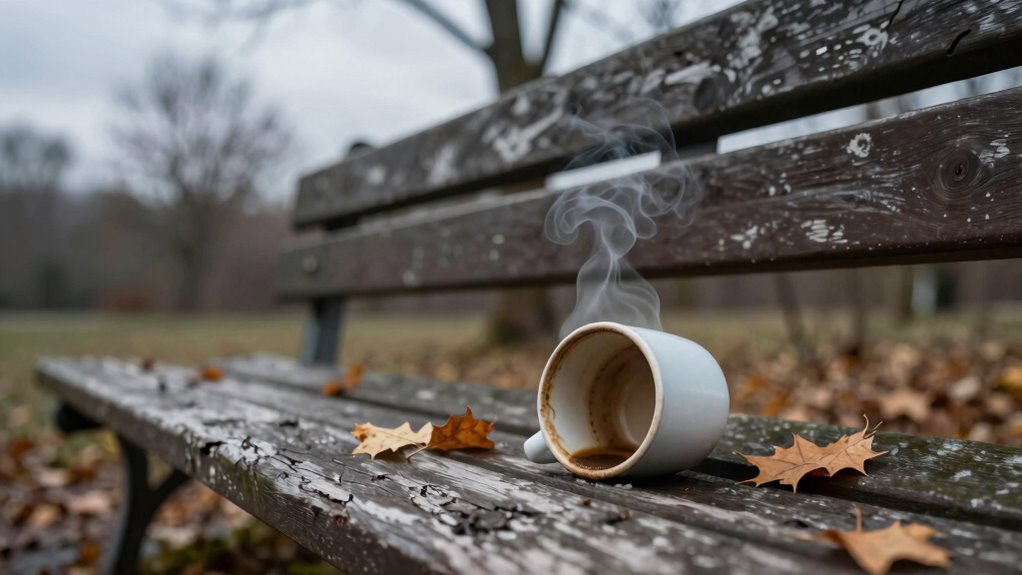

During stressful weeks, you often feel weak and exhausted because stress affects your body’s energy, disrupts sleep, and lowers your mental resilience. When stress levels rise, it becomes harder to recover, making fatigue more noticeable. Poor sleep and high stress create a cycle that drains your strength and hampers your recovery. Understanding how stress impacts your body and mind can help you find effective ways to rebuild your energy—keep exploring to learn more.
Key Takeaways
- Elevated stress during tough weeks depletes physical and mental energy, leading to feelings of weakness.
- Poor sleep caused by stress impairs recovery, cognition, and emotional stability, intensifying fatigue.
- Lack of resilience reduces effective stress management, making recovery slower and symptoms more pronounced.
- Developing resilience strategies like mindfulness and relaxation can accelerate recovery and restore strength.
- Prioritizing sleep hygiene and stress reduction techniques supports quicker healing and overall well-being.
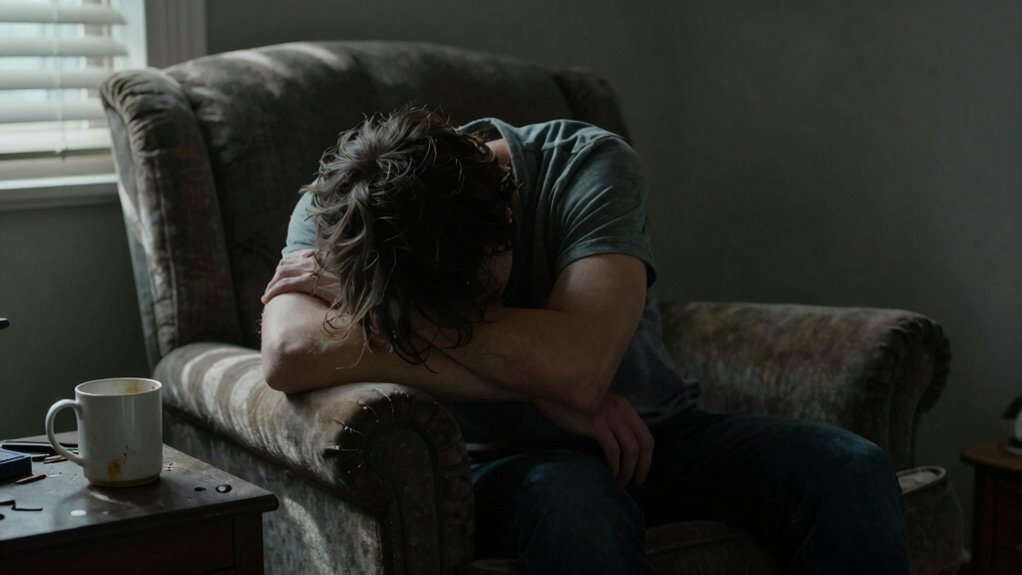
Stress is an inevitable part of life, but how you handle it determines your overall well-being. When you’re going through a tough week, feeling physically and mentally drained is common. That sense of weakness isn’t just in your head—it’s rooted in how stress impacts your body and mind. Your mental resilience, or your ability to bounce back from stress, plays a critical role here. When stress levels rise, your resilience is put to the test, and if it’s not strong enough, you’ll notice increased fatigue, irritability, and difficulty concentrating. Building mental resilience isn’t about ignoring stress but rather developing strategies to manage it effectively. Techniques like mindfulness, deep breathing, and positive self-talk can help you stay grounded, even during chaotic times.
Equally important is your sleep quality. When stress peaks, your sleep often suffers, creating a vicious cycle. Poor sleep makes it harder to cope with stress, which in turn worsens your sleep quality. You might find yourself tossing and turning, waking up multiple times, or feeling unrested despite hours spent in bed. This lack of restorative sleep diminishes your ability to think clearly, impairs your emotional regulation, and reduces your physical energy. Over time, poor sleep and chronic stress weaken your immune system and increase vulnerability to illness. To combat this, prioritize good sleep hygiene—maintain a consistent sleep schedule, avoid screens before bedtime, and create a calming environment. Incorporate relaxation techniques such as meditation or gentle stretches to signal your body it’s time to wind down. Recognizing how stress impacts your body can motivate you to implement healthier habits.
Understanding the connection between mental resilience and sleep quality is essential during rough weeks. Strengthening your resilience helps you manage stress more effectively, reducing its impact on your sleep. Conversely, improving sleep quality boosts your mental resilience, enabling you to face challenges with greater ease. It’s a two-way street. When you’re aware of this, you can take proactive steps—like carving out time for rest, practicing stress management techniques, and maintaining a balanced routine—to support your recovery. Remember, feeling weak during stressful times is a natural response, but it’s also a signal that you need to nurture your mental resilience and sleep health. By doing so, you’ll enhance your ability to recover faster and emerge stronger from the tough weeks. Your body and mind are interconnected, and caring for both is the key to managing stress more effectively.

Black Velvet Embroidered Meditation Cushion – Buckwheat Filled with Lavender and Removable Foam Pad – Ideal for Yoga, Stress Relief, Mindfulness, and Holistic Living
Premium Make and Feel – Experience comfort and tranquility with our black velvet meditation pillow. It is delicately…
As an affiliate, we earn on qualifying purchases.
As an affiliate, we earn on qualifying purchases.
Frequently Asked Questions
Can Stress Affect My Immune System Long-Term?
Yes, stress can affect your immune system long-term. Chronic stress weakens your immune health by increasing cortisol levels, which suppress immune responses. Over time, this makes you more vulnerable to infections and illnesses. To protect your immune system, manage stress through relaxation techniques, exercise, and proper sleep. Ignoring chronic stress can lead to sustained immune suppression, so prioritize recovery and self-care to maintain your overall health.
How Can I Tell if I Need More Recovery Time?
You’ll know you need more recovery time if your mental resilience feels drained and stress indicators like persistent fatigue, irritability, or difficulty concentrating stick around. Pay attention to how your body reacts; if you’re feeling physically weak or mentally overwhelmed despite normal routines, it’s a sign you should prioritize rest. Listening to these signals helps you avoid burnout and keeps your stress levels manageable for better recovery.
Are There Specific Foods That Help With Stress Recovery?
Yes, certain nutrient-rich foods and calming beverages can help with stress recovery. You should include foods like leafy greens, nuts, and berries that supply essential vitamins and minerals to support your body’s resilience. Drinking calming beverages such as herbal tea or warm milk can soothe your nerves and promote relaxation. Incorporate these into your routine to aid your recovery, reduce stress, and restore your energy naturally.
How Does Sleep Quality Influence Stress and Weakness?
Good sleep quality directly impacts how you handle stress and feel weak during tough weeks. When you practice proper sleep hygiene, you reduce stress hormones like cortisol, helping your body recover faster. Poor sleep raises stress hormones, leaving you drained and more vulnerable to fatigue. Prioritize consistent sleep routines, limit screen time before bed, and create a relaxing environment to improve sleep quality, so your body can better manage stress.
Can Regular Exercise Reduce Feelings of Weakness During Stressful Weeks?
Yes, regular exercise can help reduce feelings of weakness during stressful weeks by building mental resilience. It boosts your energy levels and improves overall mood, making you less prone to exercise burnout. Consistent activity strengthens your body and mind, helping you recover faster from stress. Just be sure to listen to your body, avoid overtraining, and incorporate rest days to prevent burnout and maintain your resilience during tough times.

MZOO Luxury Sleep Eye Mask for Side Sleeper Men Women, Zero Eye Pressure 3D Sleeping Mask, Light Blocking Patented Design Night Blindfold, Soft Eye Shade Cover for Travel, Black
Zero Eye Pressure: The Deepest 13mm arc-shaped widened eye cups provide makeup-safe space and allow natural blinking
As an affiliate, we earn on qualifying purchases.
As an affiliate, we earn on qualifying purchases.
Conclusion
Think of your body like a car—when you’re under heavy stress, it’s like driving over rough terrain. Without proper recovery, your engine struggles and your performance drops. But when you give yourself time to rest and heal, you’re oiling the engine, smoothing out the bumps. Remember, just like a car needs maintenance, your body needs recovery to stay strong. Embrace the pauses—they’re the fuel that keeps you moving forward, even on the toughest weeks.

Breathing Control Trainer for Deep & Slow Breaths | Adjustable Resistance Device for Focus, Relaxation & Daily Breath Practice | Compact Silicone Breathwork Tool
1️⃣ Adjustable Breathing Resistance Regulate airflow with simple rotation to personalize your breathing practice and develop better breath…
As an affiliate, we earn on qualifying purchases.
As an affiliate, we earn on qualifying purchases.

CBT, DBT & ACT – The Complete 3-in-1 Workbook: 12 Weeks Program in Cognitive, Behavioral, and Acceptance Therapy to Overcome Anxiety, Defeat Depression and Reclaim Confidence (Mental Resilience Book)
As an affiliate, we earn on qualifying purchases.
As an affiliate, we earn on qualifying purchases.