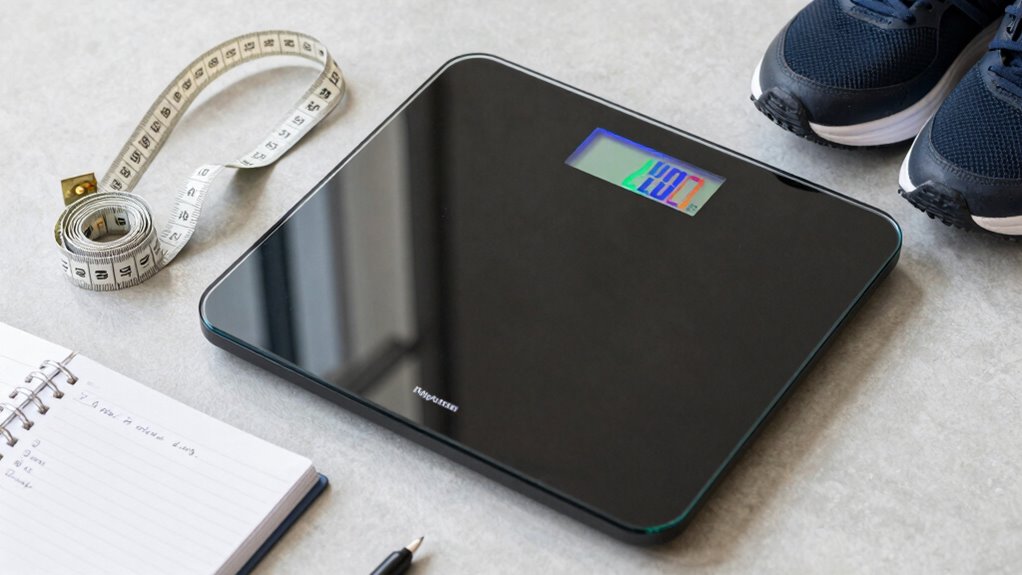

To use body composition tracking safely and effectively, focus on consistent measurements over time, not daily changes. Use simple tools like bioelectrical impedance scales or skinfold calipers and interpret trends instead of reacting to small fluctuations. Avoid overreacting or relying on a single method, and set realistic goals. Maintaining a balanced perspective helps prevent stress and keeps you motivated. Stay tuned for practical tips that will guide you toward sustainable, healthy progress.

Get workout gear delivered free with Prime
- Fast, free delivery on millions of items
- Prime Video, Amazon Music and more included
- Member-only deals all year
Key Takeaways
- Focus on long-term trends over daily fluctuations to maintain a balanced perspective.
- Use multiple measurement methods, like scales and calipers, for more accurate insights.
- Interpret data within context, avoiding overreactions to minor or short-term changes.
- Prioritize consistency in measurement conditions to improve data reliability.
- Emphasize progress toward health and fitness goals rather than solely numerical results.
bioelectrical impedance scale for body composition
As an affiliate, we earn on qualifying purchases.
As an affiliate, we earn on qualifying purchases.
Why Tracking Your Body Composition Matters for Your Goals
Tracking your body composition is essential because it provides a clear picture of how your body is changing beyond just weight. When you monitor your body fat, muscle mass, and hydration levels, you gain insights into your overall progress toward your goals. Understanding your metabolic rate helps you tailor your diet and exercise plans more effectively, ensuring you’re fueling your body properly. Hydration levels influence your performance and how your body stores fat and burns calories. By keeping track of these factors, you can identify whether your efforts are improving muscle gain or fat loss, rather than relying solely on the scale. Incorporating minimalist tracking tools can help you focus on what truly matters without overcomplicating your routine. Recognizing the importance of body composition data allows you to make more accurate adjustments to your fitness strategy. Additionally, tracking these components can help you recognize metabolic rate fluctuations that impact your progress. Staying consistent with tracking habits helps you stay committed and see long-term results. Developing a routine for regular assessments enables you to stay informed about your body’s responses and adjust accordingly. This all-encompassing approach keeps you motivated and helps you make informed adjustments, ultimately bringing you closer to your fitness aspirations.
skinfold calipers for body fat measurement
As an affiliate, we earn on qualifying purchases.
As an affiliate, we earn on qualifying purchases.
The Safest and Easiest Ways to Measure Your Body Composition
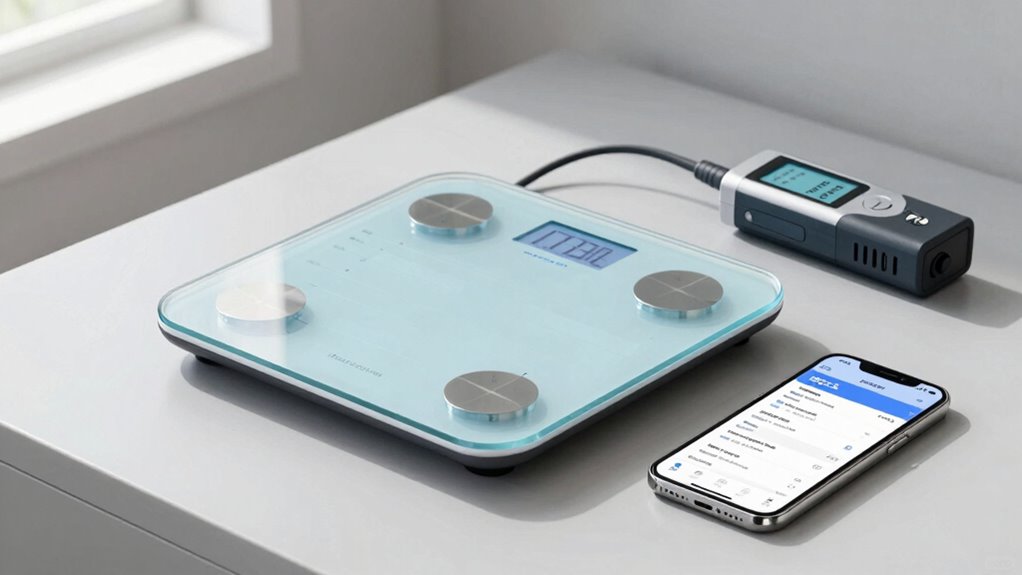
Measuring your body composition safely and easily is key to understanding your progress without risking injury or discomfort. Simple methods like bioelectrical impedance scales or skinfold calipers can give you reliable data without invasive procedures. These methods complement calorie counting and help you gauge how your diet affects your body fat and muscle mass. Monitoring workout intensity also plays a role; as you increase effort, your body composition shifts. Regularly tracking with these safe tools prevents unnecessary stress and keeps you focused on your goals. Avoid complicated or costly equipment that may cause frustration or inaccuracies. Instead, stick to straightforward techniques you can do at home or in a gym, ensuring consistent, safe measurements that support your progress without overcomplicating the process. Incorporating body composition tracking into your routine helps you make informed adjustments and stay motivated throughout your fitness journey. Paying attention to cultural artifacts like traditional masks can also serve as motivational decor, inspiring your health and wellness goals in a meaningful way.
Additionally, understanding the accuracy of different methods ensures you select the most suitable tools for your needs and maintain confidence in your progress.
body composition tracking device
As an affiliate, we earn on qualifying purchases.
As an affiliate, we earn on qualifying purchases.
How to Read Your Body Composition Data Without Obsessing
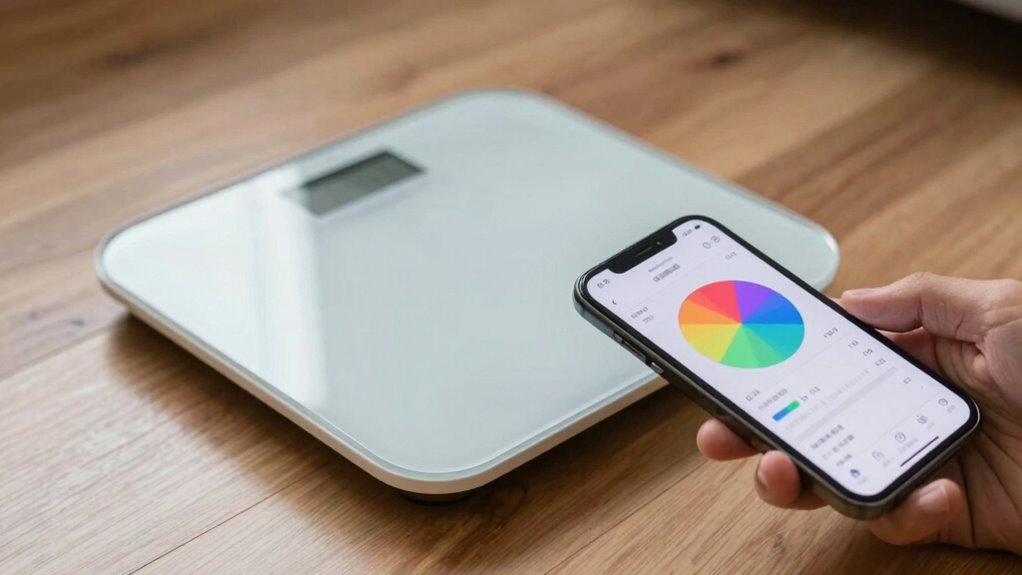
Although it’s easy to become fixated on daily fluctuations in your body composition data, it’s important to remember that these numbers are just one part of the bigger picture. Emotional reactions to small changes can lead to unnecessary stress or frustration, so try to stay objective. Keep in mind that measurement inaccuracies are common, especially with home scales or handheld devices, and don’t reflect your true progress. Instead of obsessing over every reading, focus on trends over weeks or months. Use your data as a guide, not a definitive answer. Accept that some variability is normal, and avoid making major decisions based solely on single measurements. Staying balanced keeps you motivated without falling into the trap of over-analysis. Remember that free floating body composition assessments can vary significantly, so consider multiple measurements for a more accurate picture. Additionally, understanding the measurement techniques can help you interpret your data more effectively and avoid misjudging your progress. Recognizing the importance of mindset can further support a healthy approach to tracking your body composition over time. Being aware of measurement technology limitations can also improve your understanding and patience with your data. Incorporating a long-term perspective can ultimately lead to more sustainable and positive health outcomes.
As an affiliate, we earn on qualifying purchases.
Common Mistakes in Tracking Body Composition and How to Avoid Them
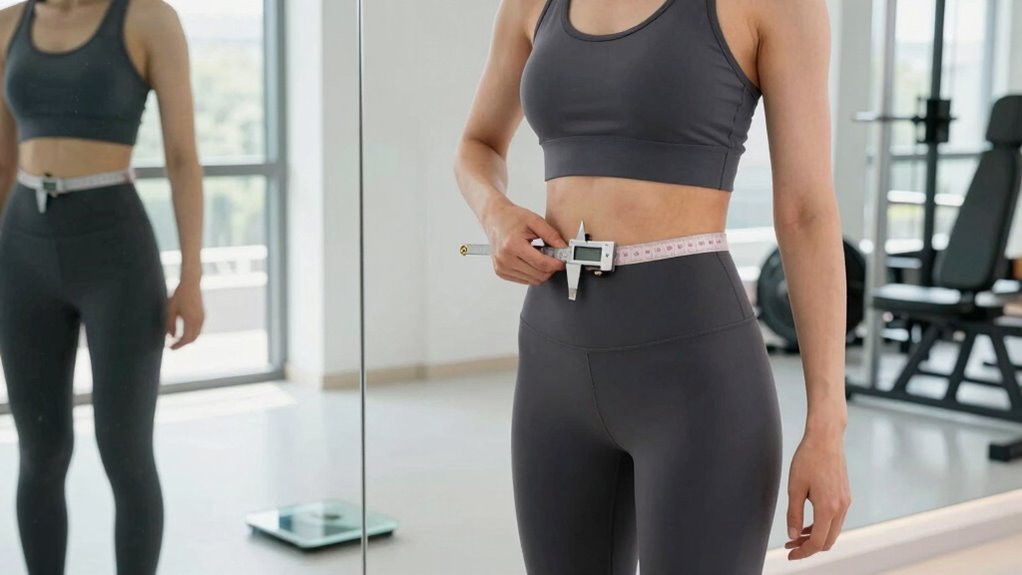
One common mistake people make when monitoring their body composition is relying on a single measurement or device for validation. This can lead to false assumptions about muscle gain or fat loss, especially if you only track one metric like a scale or skinfold calipers. Body composition is dynamic, and fluctuations happen naturally. Using multiple methods—such as bioelectrical impedance, DEXA scans, or progress photos—gives a clearer picture of your progress. Avoid making decisions based solely on one reading, which can mislead you into thinking you’re not making progress or overestimating gains. Additionally, understanding the accuracy of different measurement methods can help you interpret your data more effectively. Incorporating measurement consistency by tracking under similar conditions and over time ensures more reliable insights into your muscle gain and fat loss efforts. Understanding the emotional needs of your body can help you stay motivated and committed to your tracking routine. Recognizing the natural fluctuations in body composition can prevent unnecessary frustration and promote a balanced perspective on your progress.
How to Set Realistic Expectations and Use Data for Safe Progress
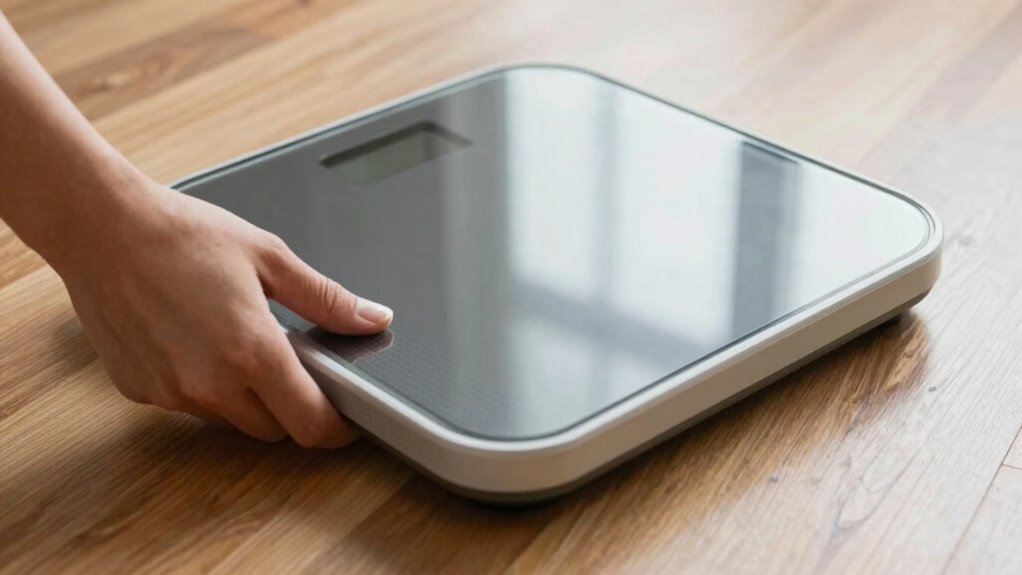
Setting realistic goals helps you stay motivated and avoid frustration. By objectively interpreting your data, you can make informed adjustments without overreacting to short-term fluctuations. Remember, progress is a journey—focusing too much on every change can lead to unnecessary stress. Incorporating ergonomic principles can also support your overall wellness and make tracking progress more sustainable. Using the right DIY tools safely can prevent injuries and ensure accurate measurements, making your tracking efforts more reliable. Additionally, understanding digital content formats can improve how you analyze and visualize your progress over time. Being aware of global disruptions like outages can help you develop contingency plans for your tracking routines during unforeseen events. Applying data analysis techniques can further enhance your ability to interpret your progress objectively and make smarter adjustments.
Set Achievable Goals
Establishing realistic goals is essential for making steady progress in body composition tracking. When setting goals, focus on small, achievable steps that keep you motivated. Use data from calorie counting and monitor how changes affect your body. Keep in mind that improvements in sleep quality can enhance your results, so don’t overlook rest. To paint a clearer picture, consider these points:
- Aim for gradual weight or muscle gains rather than quick fixes
- Track daily habits like calorie intake and sleep patterns
- Adjust goals based on how your body responds over time
- Incorporate drone insights to gain a broader perspective on your progress and stay inspired.
Interpret Data Objectively
To make meaningful progress with body composition tracking, you need to interpret your data objectively. It’s easy to fall into the trap of data bias or emotional reactions, which distort your view. Use the following table to keep perspective:
| Data Insight | Emotional Reaction | Objective Response |
|---|---|---|
| Small change in weight | Disappointment | Evaluate trends, not daily shifts |
| Fat percentage fluctuates | Frustration | Consider measurement variability |
| Progress slows down | Impatience | Reassess goals and consistency |
| Data shows improvement | Overconfidence | Stay humble, keep progressing |
Avoid Overemphasizing Changes
While tracking body composition provides valuable insights, it’s common to place too much emphasis on every small change. This can lead to emotional reactions and data overemphasis, which distort your perspective. Remember, daily fluctuations are normal and don’t define your progress. Instead, focus on larger trends over weeks or months. Be aware that:
- Minor changes shouldn’t trigger frustration or disappointment
- Emotional responses can cloud objective judgment
- Overreacting to small shifts hampers long-term consistency
Tips to Stay Consistent and Keep Your Sanity While Tracking
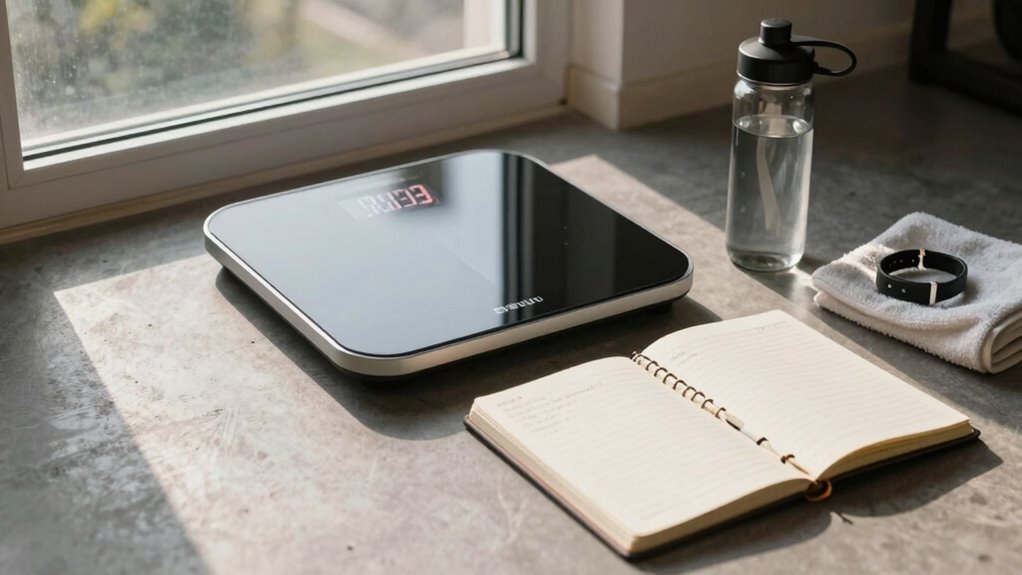
Staying consistent with body composition tracking can be challenging, especially when life gets busy or progress stalls. To stay on track without losing your mind, practice mindful tracking—pay attention to how data makes you feel, rather than obsessing over every fluctuation. Set realistic goals and celebrate small wins to maintain emotional balance. Keep your tracking routine simple and avoid overanalyzing daily changes; instead, look at long-term trends over weeks. Take breaks when needed to prevent burnout, and remind yourself that progress isn’t always linear. Remember, this process is about long-term health, not perfection. By staying mindful and maintaining emotional balance, you’ll find it easier to stick with your tracking without feeling overwhelmed or discouraged. Additionally, regularly reviewing and adjusting your goals based on changing circumstances can help you stay adaptable and motivated. Incorporating passive voice detection tools into your writing can further enhance clarity and keep your messages direct and engaging. Recognizing the importance of consistent storytelling can also reinforce your commitment to your health journey, making it more sustainable and enjoyable.
Frequently Asked Questions
How Often Should I Update My Body Composition Measurements?
You should update your body composition measurements every 4 to 6 weeks to guarantee measurement consistency and track progress accurately. This ideal update frequency allows your body enough time to respond to changes without being affected by daily fluctuations. Regular updates help you stay motivated and make informed adjustments to your fitness plan. Remember, consistency in measurement timing is key to getting reliable data and making smart decisions.
Can Body Composition Tracking Replace Traditional Weight Scales?
Think body composition tracking can fully replace traditional scales? Not quite. While it offers more detailed insights, scale accuracy and measurement consistency are essential. You might get better info about fat and muscle, but the scale still provides quick weight updates. Use both tools together for a complete picture. Relying solely on body composition tracking can be misleading if measurement consistency isn’t maintained regularly.
What Are the Best Tools for Tracking Body Composition at Home?
You should consider devices like bioelectrical impedance scales or skinfold calipers for at-home body composition tracking. To guarantee accurate results, focus on proper calibration techniques and use the device consistently under similar conditions. Keep in mind that device accuracy can vary, so it’s best to track trends over time rather than obsess over single readings. Regularly calibrate your tools and follow manufacturer instructions for the most reliable data.
How Do Hormonal Changes Affect Body Composition Readings?
Hormonal fluctuations can markedly skew your body composition readings. When estrogen effects spike or dip, they influence water retention, fat distribution, and muscle mass, making measurements less reliable. You might notice misleading increases in fat or water weight during hormonal shifts. To stay savvy, track your readings consistently over time, noting hormonal changes, and don’t rely solely on numbers—listen to how your body feels and responds.
Is It Necessary to Track Body Composition During Every Workout Cycle?
You don’t need to track your body composition during every workout cycle. Instead, focus on measurement accuracy and tracking consistency over time. Regularly monitoring every few months helps you spot trends without getting overwhelmed by minor fluctuations. This approach guarantees you stay motivated, avoid unnecessary stress, and make informed adjustments to your fitness plan, keeping your progress balanced and realistic without obsessing over constant data.
Conclusion
Remember, tracking your body composition is about progress, not perfection—think of it as your personal quest for better health, like the knights of old seeking the Holy Grail. Keep it simple, stay consistent, and don’t let the data turn you into a modern-day Sisyphus. Use your results wisely, set realistic goals, and celebrate small victories. With patience and a clear head, you’ll see steady progress without losing your sanity in the process.
Halloween Picks
halloween
As an affiliate, we earn on qualifying purchases.