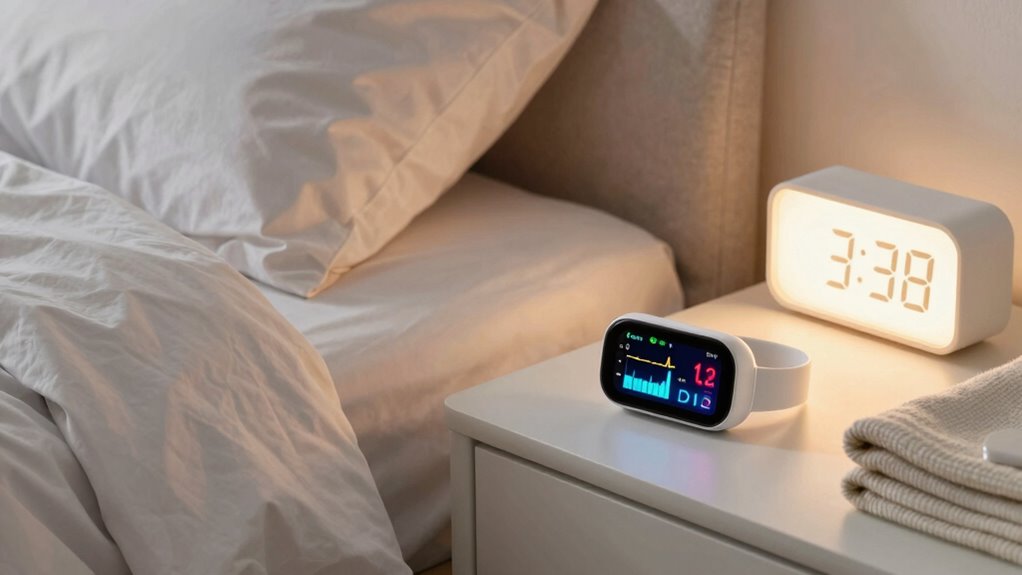

When tracking your sleep beyond just hours, focus on sleep stages like REM and deep sleep, which show if you’re truly resting and recovering. Keep an eye on your heart rate variability and breathing patterns, as they reveal your body’s stress levels and potential issues like sleep apnea. Movement data and sleep efficiency help identify disruptions, so you can adjust your habits. If you want to optimize your rest even further, there’s more to explore.

Get workout gear delivered free — and shop member deals
- Fast, free delivery on millions of items
- Access to Prime Big Deal Days deals on October 6–7
- Prime Video, Amazon Music and more included
Key Takeaways
- Monitor sleep stages (REM, deep, light) to assess sleep quality and ensure restorative sleep cycles.
- Track heart rate variability (HRV) and breathing patterns for insights into stress and sleep health.
- Watch for sleep fragmentation by analyzing movement and awakenings during the night.
- Evaluate sleep efficiency and wake after sleep onset (WASO) to identify disturbances and overall quality.
- Use data trends to optimize sleep environment, habits, and address issues like sleep apnea or stress.
sleep tracking device with sleep stages
As an affiliate, we earn on qualifying purchases.
As an affiliate, we earn on qualifying purchases.
Why Sleep Stages Matter More Than Just Hours

While getting enough sleep is important, understanding the different sleep stages is even more crucial for your health. Knowing your sleep stages helps you see beyond just hours slept and understand how restorative your sleep really is. For example, REM sleep is vital for memory and mood, while deep sleep supports physical recovery. To optimize these stages, focus on your sleep environment—keep it dark, cool, and quiet. Dream journaling can also help you recognize patterns and see if you’re reaching REM sleep regularly. Tracking sleep stages reveals whether you’re getting enough quality sleep, not just enough hours. Additionally, sleep stage analysis can inform you about your overall sleep architecture, which is essential for optimal recovery. Using smart sleep tracking devices can provide detailed insights into your sleep cycles and help you make targeted adjustments. Recognizing the importance of sleep stages encourages a more holistic approach to sleep health, leading to better daily functioning. This awareness empowers you to make targeted changes, improving overall rest and well-being. Prioritizing sleep quality over quantity can make a noticeable difference in your daily life. Incorporating sleep cycle awareness into your routine can further enhance your understanding and management of sleep quality.
heart rate variability monitor for sleep
As an affiliate, we earn on qualifying purchases.
As an affiliate, we earn on qualifying purchases.
What Are Sleep Cycles and How Do They Affect Rest
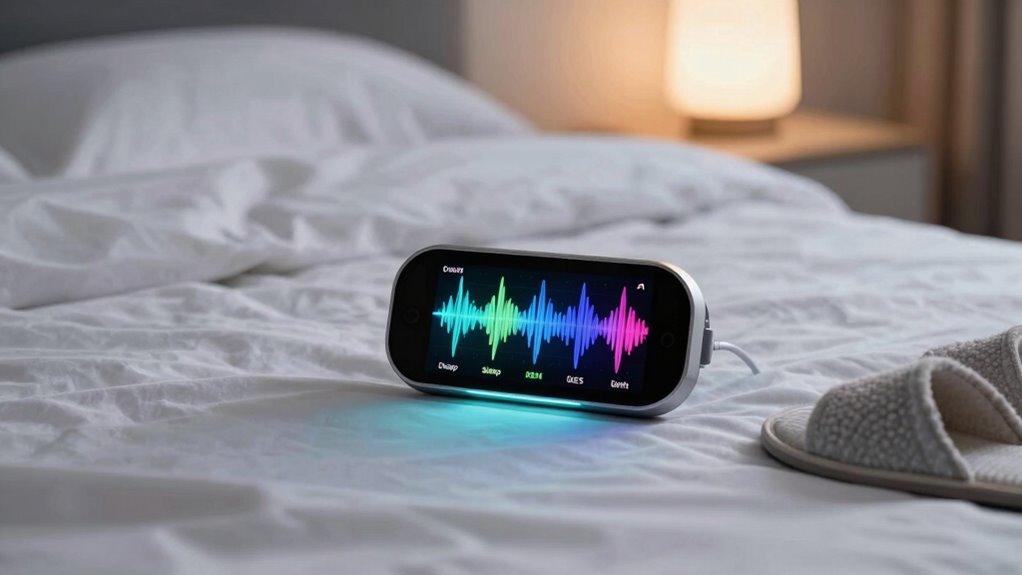
Have you ever wondered why your sleep feels more invigorating some nights than others? That’s because your sleep occurs in cycles, typically lasting about 90 minutes each. During these cycles, you move through different stages, including light sleep, deep sleep, and dream sleep or REM (Rapid Eye Movement) cycles. REM sleep is essential because it’s when most dreaming happens and your brain processes emotions and memories. The quality of your rest depends on completing multiple cycles with sufficient time in each stage, especially REM and deep sleep. Interrupting these cycles can leave you feeling tired, even if you’ve technically slept enough hours. Understanding sleep cycles helps you optimize your sleep quality, ensuring you wake up refreshed and ready. Proper sleep ergonomics also plays a role in supporting these cycles by promoting comfortable and uninterrupted rest. Additionally, investing in high-quality sleep environments can help maintain consistent sleep patterns and improve overall sleep health. Recognizing natural sleep rhythms can further help you develop routines that align with your body’s needs for restorative sleep. Being aware of your sleep architecture can empower you to make informed adjustments to your habits and environment for better rest. For example, understanding how external factors like light exposure influence your sleep cycles can help you create a more conducive sleep setting.
As an affiliate, we earn on qualifying purchases.
How Heart Rate Variability Reveals Your Sleep Quality
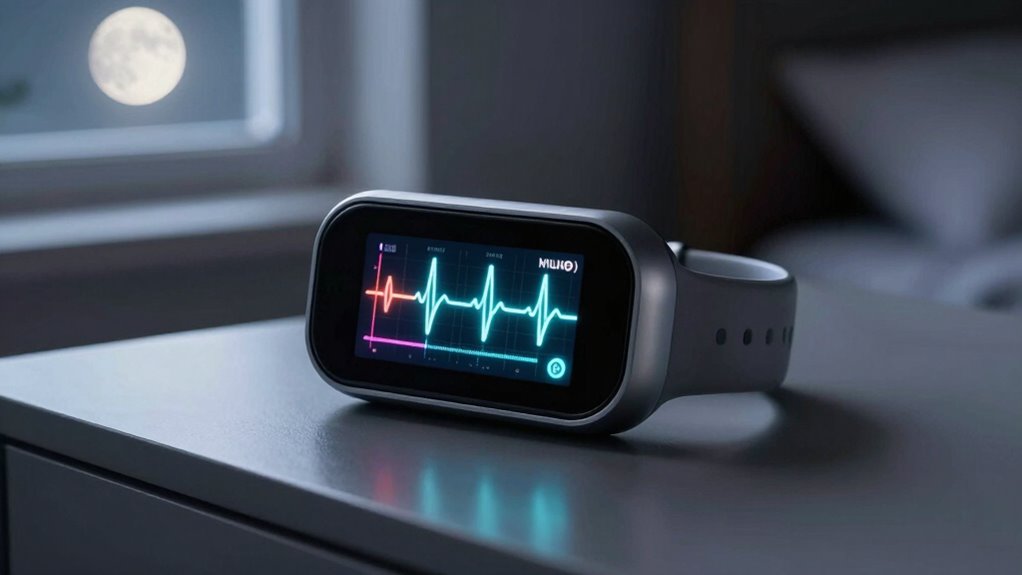
Heart rate variability (HRV) offers valuable insights into your sleep quality by measuring the fluctuations in your heartbeats. A higher HRV typically indicates better autonomic nervous system balance and restorative sleep, while lower HRV suggests stress or poor sleep quality. Monitoring HRV helps you understand how restful your sleep truly is, beyond just hours slept. Incorporating passive voice detection can further enhance your writing clarity by highlighting areas that may need revision. Key indicators include:
- Increased HRV during deep sleep stages
- Decreased HRV during stress or disrupted sleep
- Consistent HRV patterns signaling healthy sleep cycles
Additionally, understanding HRV fluctuations can help you identify patterns related to lifestyle factors affecting sleep quality. Recognizing sleep quality markers enables a more comprehensive approach to improving sleep health. Being aware of essential oils for sleep support may also aid in creating a more favorable sleep environment. Regularly tracking these indicators can provide a more nuanced view of your overall sleep health and help tailor strategies for better rest.
As an affiliate, we earn on qualifying purchases.
Tracking Your Breathing Patterns During Sleep
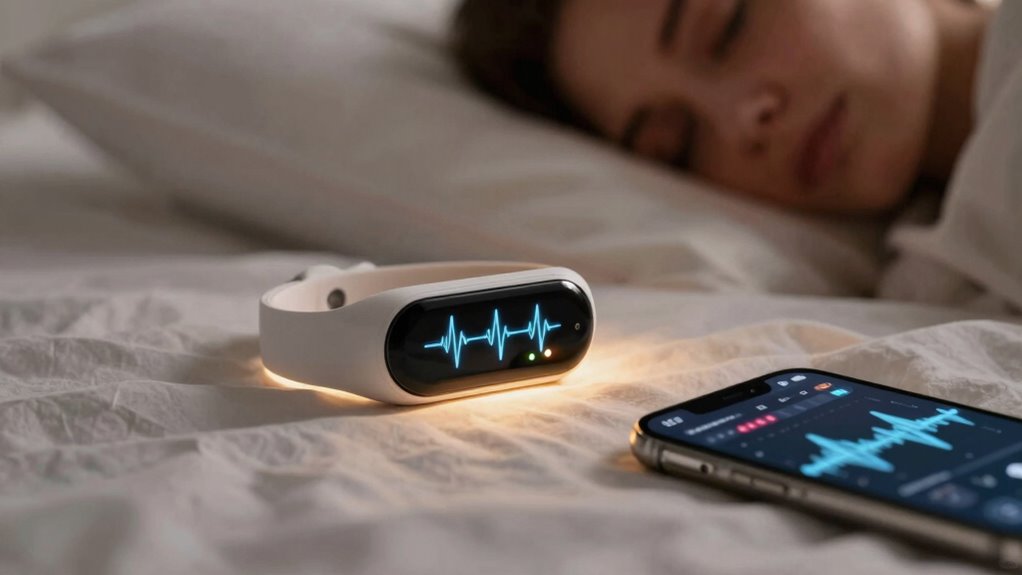
Tracking your breathing patterns during sleep helps you understand how well you’re breathing overnight. By monitoring your breathing rate, you can identify irregularities that may affect your rest. Detecting sleep apneas early allows for timely interventions and better sleep health. Sleep disorders can often go unnoticed without proper tracking, so being aware of breathing irregularities can lead to earlier diagnosis and treatment. Recognizing sleep-related breathing issues can be crucial for overall health, especially since they are often linked to other health conditions. Using advanced sleep monitoring devices can provide more accurate data for better insights into your breathing patterns. Incorporating proper sleep environment adjustments, such as controlling room temperature and reducing noise, can also improve breathing quality during sleep. LED skincare masks can also be used to promote skin recovery after sleep disruptions.
Monitoring Breathing Rate
Ever wondered how your breathing changes throughout the night? Monitoring your breathing rate can reveal important insights into your sleep breathing patterns. By tracking how often you breathe per minute, you can identify irregularities or consistent rhythms that impact sleep quality. Some key aspects to watch for include:
- Consistent or irregular breathing patterns
- Sudden increases or decreases in breathing rate
- Periods of shallow or rapid breathing
Using sleep tracking devices or apps, you can gather data on your sleep breathing, helping you understand if your breathing is stable or if issues like shallow breaths occur. Respiratory health is closely linked to sleep quality, and awareness of breathing patterns can support early detection of potential problems. This awareness can also help you recognize potential impacts of indoor air quality on your respiratory health during sleep. Improving air circulation and maintaining a healthy environment may support more stable breathing patterns. Being mindful of factors such as air quality can influence your breathing during sleep and contribute to overall wellness. This information can guide you to seek further evaluation if needed, ensuring your sleep is as restorative as possible. Monitoring your breathing rate is a simple yet powerful way to improve your overall sleep health, especially considering the importance of sleep breathing patterns in overall well-being.
Detecting Sleep Apneas
Monitoring your breathing patterns during sleep can help you detect potential issues like sleep apneas, which disrupt restful sleep. Sleep apnea causes breathing irregularities, often leading to fragmented sleep and daytime fatigue. By tracking your breathing, you can identify signs of pauses or shallow breaths that suggest apnea episodes. Many sleep trackers monitor respiratory rate and detect irregularities, alerting you to potential problems. Recognizing these patterns early can prompt you to consult a healthcare professional for proper diagnosis and treatment. Additionally, support breakfast options at accommodations can help ensure you start your day with proper nutrition, which is essential for overall health. Understanding the zodiac traits and personalities can also influence sleep habits, as certain signs may be more prone to sleep disturbances. Incorporating respiratory monitoring technologies can enhance the accuracy of sleep assessments and facilitate early intervention.
How Movement Data Shows Restlessness and Sleep Fragmentation
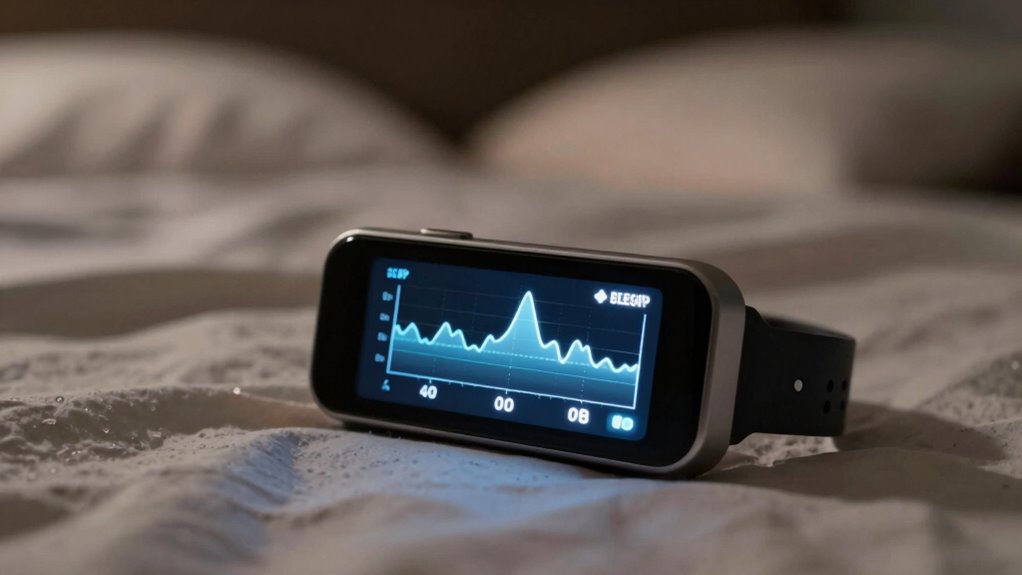
Movement data reveals a lot about how restful your sleep truly is. By analyzing your movement patterns, you can identify signs of restlessness and sleep fragmentation. Frequent shifts or sudden bursts of activity may indicate difficulty staying asleep. These restlessness indicators often signal lighter sleep stages or interruptions that can affect overall rest quality.
Look for:
- Frequent tossing and turning throughout the night
- Short bursts of movement indicating awakenings
- Inconsistent movement patterns that suggest fragmented sleep
Tracking these subtle signals helps you understand if your sleep is disturbed regularly, even if you’re technically in bed for enough hours. Recognizing restlessness and sleep fragmentation enables you to make targeted changes for better sleep health and deeper rest.
Understanding Sleep Efficiency and Wake After Sleep Onset (WASO)
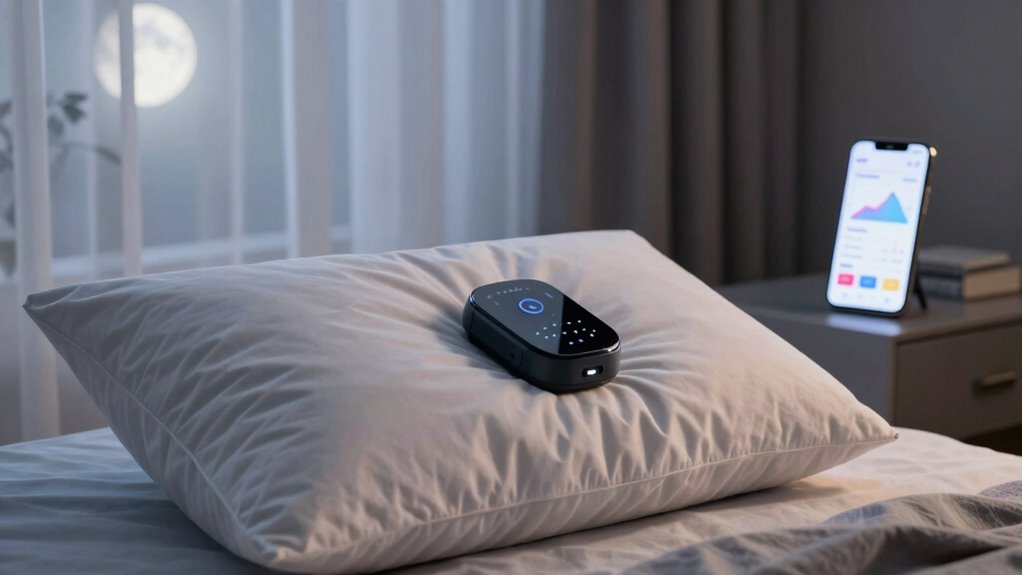
While tracking movement provides insights into sleep disruptions, understanding how efficiently you sleep offers a clearer picture of your overall rest quality. Sleep efficiency measures the percentage of time spent asleep while in bed, highlighting how restful your sleep truly is. Wake After Sleep Onset (WASO) indicates how much time you spend awake after initially falling asleep, which can substantially impact your sleep quality. Poor sleep efficiency often correlates with frequent awakenings or fragmented sleep, making dream analysis useful for identifying subconscious disturbances. Your sleep environment plays an essential role—light, noise, and temperature can all influence WASO and efficiency. By monitoring these factors, you can better understand what affects your sleep and make targeted adjustments for more restorative rest.
Using Sleep Data to Improve Your Rest and Recovery
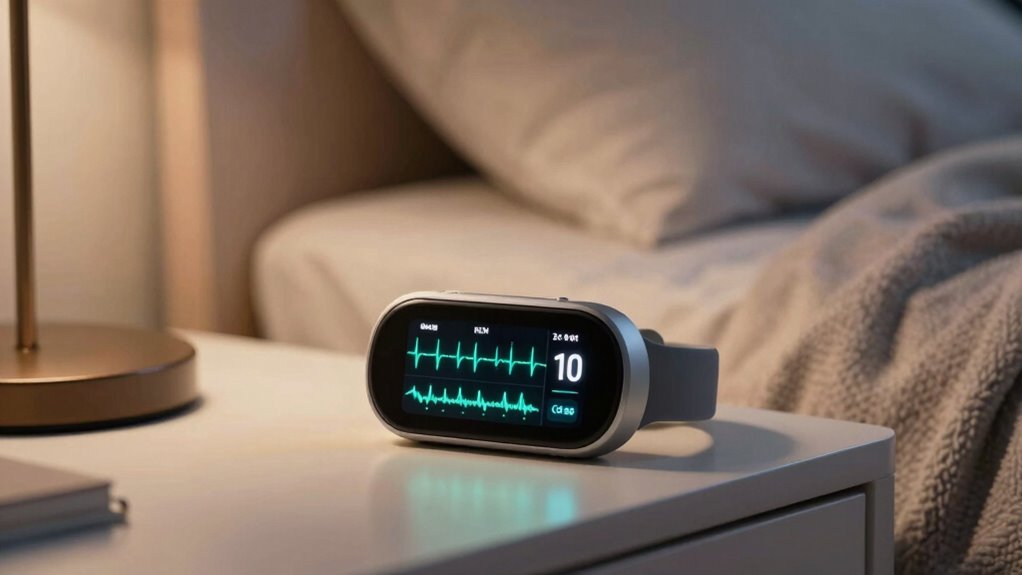
By analyzing your sleep data, you can identify patterns and factors that affect your rest and recovery. For example, noticing frequent awakenings or irregular sleep stages can guide adjustments. Incorporate dream analysis to understand how your subconscious might influence sleep quality, revealing stress or unresolved issues. Improving your sleep environment—such as enhancing room temperature, reducing noise, or using blackout curtains—can enhance rest. Consider these actions:
- Adjust sleep schedule based on your natural rhythms
- Modify your sleep environment for comfort
- Explore dream analysis to uncover underlying stressors
Using this data, you can make targeted changes that promote deeper, more restorative sleep, leading to better recovery and overall well-being. Staying attentive to these insights helps you fine-tune your habits for ideal rest.
How to Interpret Your Sleep Tracking Data and Make Changes
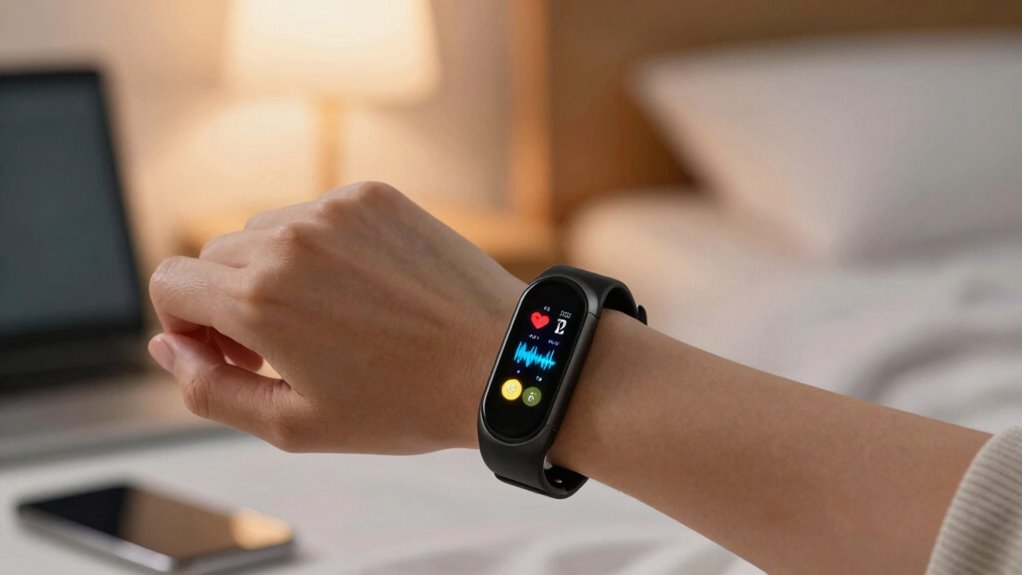
To improve your sleep, you need to understand what your tracking data shows about your patterns. Look for consistent trends, like how long you sleep or how often you wake up, to identify areas for change. By adjusting your habits based on this information, you can enhance your overall rest and recovery.
Analyzing Sleep Patterns Effectively
Ever wondered how to make sense of the sleep data your tracker provides? To interpret your patterns effectively, focus on more than just total hours. Look at sleep stages, noting how much REM and deep sleep you get. Consider how your sleep environment influences quality—lights, noise, and temperature can all play a role. Dream analysis can give clues about your emotional health and stress levels, which impact sleep quality. To optimize your sleep, try these strategies:
- Track changes in sleep stages over several nights
- Identify environmental factors that disrupt your rest
- Reflect on dreams for insights into emotional well-being
Adjusting Habits Based Data
Understanding your sleep data is the first step toward making meaningful changes. Once you see patterns, you can start adjusting your habits. For example, if your data shows frequent awakenings, consider improving your sleep environment—like reducing noise or light, or adjusting room temperature. Dream journaling can also help identify stressors or recurring thoughts that interfere with rest. If you notice inconsistent sleep times, aim for a consistent schedule to reinforce your body’s natural rhythms. Track how these changes impact your sleep quality over time. Remember, small adjustments based on your data can lead to significant improvements. Keep analyzing your sleep patterns regularly, and stay flexible—what works today might need tweaking tomorrow.
Tips for Better Sleep Based on Your Tracker Insights
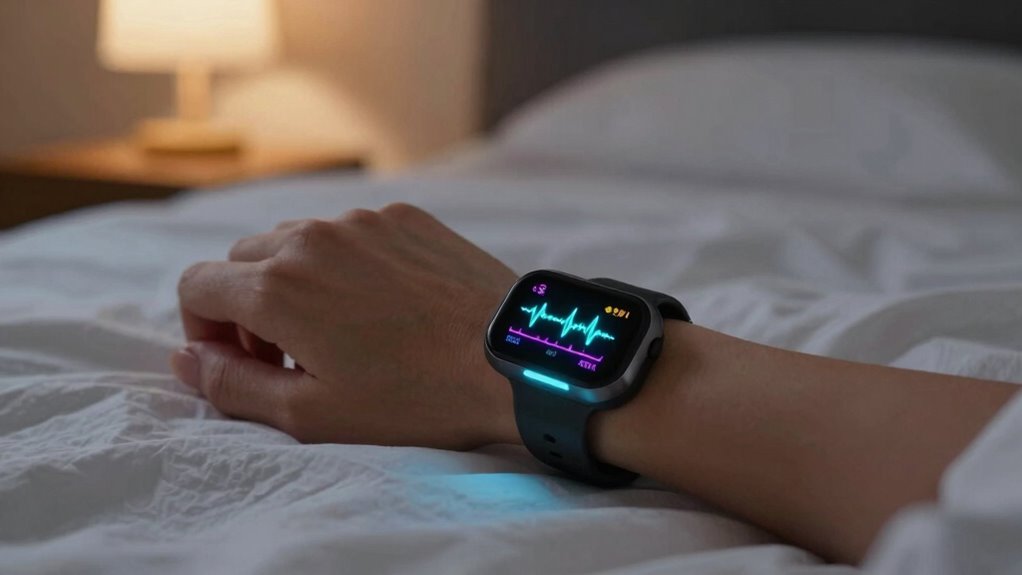
Using your sleep tracker insights can reveal patterns that help you improve your rest. For example, analyzing your dream patterns through dream analysis might indicate stress or anxiety affecting your sleep quality. Additionally, examining your sleep environment—such as noise levels, light, or temperature—can highlight areas for improvement. To optimize your sleep, consider these tips:
- Adjust your sleep environment by creating a cool, dark, and quiet space.
- Use your tracker data to identify nights with frequent awakenings and target those disruptions.
- Incorporate relaxation techniques before bed, especially if your tracker shows restless sleep or vivid dreams, which may signal stress.
Frequently Asked Questions
How Accurate Are Consumer Sleep Trackers Compared to Clinical Assessments?
Consumer sleep trackers generally offer decent wearable accuracy but aren’t as precise as clinical assessments. They can reliably estimate your sleep cycle stages, like light and deep sleep, but may misjudge movement or wakefulness. While helpful for general insights, don’t rely solely on them for medical diagnosis. If you want detailed, accurate data on your sleep, consult a healthcare professional or undergo a sleep study.
Can Sleep Tracking Devices Detect Underlying Sleep Disorders?
Around 80% of sleep disorders go undetected with consumer sleep trackers, so they can’t reliably identify underlying issues. While these devices monitor sleep quality and patterns, they lack the clinical precision needed for diagnosis. If your sleep patterns are consistently poor or irregular, consider consulting a healthcare professional. Sleep trackers can alert you to potential problems, but they shouldn’t replace professional evaluation for underlying sleep disorders.
How Does Environmental Noise Influence Sleep Tracking Data?
Environmental noise can profoundly influence your sleep tracking data by causing ambient interference that disrupts your sleep patterns. When noise levels fluctuate, your device may interpret these disturbances as wakefulness or lighter sleep stages, skewing results. To improve accuracy, focus on noise mitigation strategies like using white noise machines or earplugs, which help reduce ambient interference and create a more stable environment for reliable sleep tracking.
What Features Should I Prioritize When Choosing a Sleep Tracker?
When choosing a sleep tracker, prioritize features that monitor sleep quality and consistency. Look for devices that analyze your sleep stages, detect disturbances, and provide insights to enhance your rest. You want a tracker that offers reliable data over time, helping you identify patterns and improve your sleep habits. Focus on ease of use, battery life, and compatibility with your devices to guarantee consistent, meaningful tracking.
How Do Different Sleep Trackers Compare in Tracking REM Sleep?
You might think all sleep trackers detect REM sleep equally well, but in reality, their sleep cycle accuracy varies. Higher-quality devices tend to offer better REM detection reliability, giving you more precise insights into your sleep patterns. Cheaper models often struggle with accurately identifying REM stages, so if tracking REM sleep is a priority, invest in a tracker with proven sleep cycle accuracy. This way, you’ll get more trustworthy data to improve your sleep habits.
Conclusion
By paying attention to these deeper layers of your sleep data, you become the navigator of your own restorative voyage. Don’t just count hours; immerse yourself in the nuances of your sleep’s symphony—its cycles, heart rhythms, and movements. With each insight, you craft a more harmonious rhythm, turning restless nights into a steady drumbeat of renewal. Embrace your data’s melody, and let it guide you toward nights of truly restorative sleep.
Halloween Picks
halloween
As an affiliate, we earn on qualifying purchases.