TL;DR

Get workout gear delivered free with Prime
- Fast, free delivery on millions of items
- Prime Video, Amazon Music and more included
- Member-only deals all year
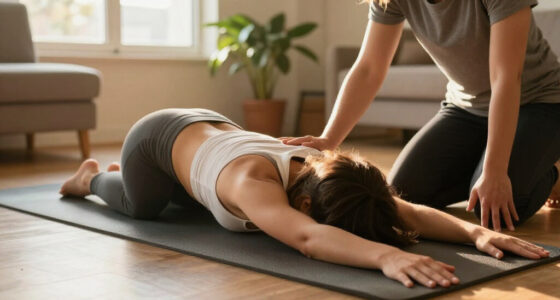
Fit&Well published a 10-minute Pilates routine by instructor Victoria Repa, designed for gentle movement between more intense workouts or as a break from sitting. It includes five exercises, with Repa advising readers to complete one round and keep the effort low enough to talk comfortably.
Fit&Well has published a 10-minute gentle Pilates routine designed by instructor Victoria Repa for people seeking light movement on recovery days or a break from prolonged sitting. The five-exercise session is intended to stay low intensity: Repa recommends one round, with pauses as needed, and says participants should remain able to hold a conversation.
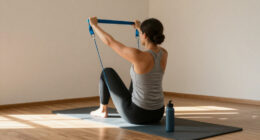
The sequence moves from breathing exercises to controlled movements for the arms, legs, spine and chest. It begins with relaxed rib breathing for five or six breaths, followed by a modified version of the Pilates hundred, performed with the head and shoulders resting on the floor. The instructions call for three to five breath cycles of small, controlled arm pumps.
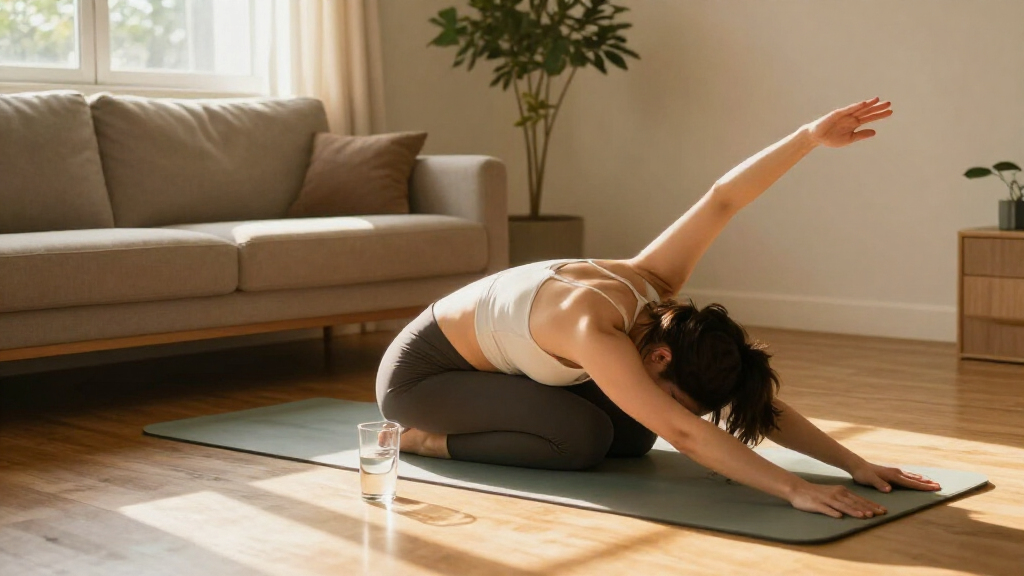
The remaining exercises are single-leg circles, cat-cow and a swan preparation. The routine specifies three circles in each direction on each leg, six slow cat-cow repetitions and four to six swan-prep repetitions. Its instructions emphasize keeping movements small and controlled, resting between exercises and avoiding a high-effort workout.
Repa describes active recovery as planned, easier activity between more intense workouts. She says the routine can be adapted by changing the pace, range of motion and exercises. Fit&Well presents it as a short option rather than a substitute for rest, sleep, balanced eating or other recovery practices.
A Low-Intensity Option for Rest Days
The routine offers readers a defined way to move on a day when a full workout may not be appropriate. Its 10-minute length and single-round recommendation may also make it easier to fit into a daily schedule, though the source does not report research testing this particular sequence or its outcomes.
Fit&Well’s report frames light movement as one possible part of recovery and says it may help with stiffness after exercise. That is guidance attributed to the report and Repa, not evidence that this routine prevents injury or treats soreness. Readers should use comfort and their own circumstances to judge whether the movements suit them.
The approach may also be relevant to people who spend long periods sitting. Repa says gentle movement can be an accessible way to get used to physical activity, but the article does not claim that this session addresses a specific health condition or produces a measured fitness benefit.
Products Worth Considering

Garmin Forerunner 55 GPS Running Smartwatch, Black

BowFlex Results Series SelectTech Adjustable Dumbbells, Pair

Withings Body Scan Smart Scale with Segmental Body Composition and ECG, Black
As an affiliate, we earn on qualifying purchases.
How the Five-Move Sequence Works
The source describes active recovery as easier activity between harder workouts, rather than complete inactivity. Repa says Pilates can fit that role because its pace, range of motion and exercises can be adjusted for different fitness levels. The article also places movement alongside sleep, balanced eating and downtime as parts of a broader recovery routine.
In the published sequence, participants lie on their backs for breathing and arm work before adding single-leg circles. They then move to hands and knees for cat-cow and lie face down for a low chest lift. The instructions repeatedly favor a comfortable range of motion: keep the pelvis steady during circles, avoid forcing the back into a large arch, and keep the neck comfortable during the swan preparation.
The source does not identify a required training history, equipment beyond a mat and optional small pillow, or a particular schedule for repeating the routine. It presents the exercises as a gentle session that can be adapted, not as a standardized treatment plan.
“Active recovery refers to days when you plan easier activities between more intense workouts.”
— Victoria Repa, Pilates instructor and founder of the BetterMe workout app, quoted by Fit&Well
Evidence and Individual Suitability
The Fit&Well report provides exercise instructions and instructor guidance, but it does not cite a study measuring whether this five-move routine reduces soreness, stiffness or injury risk. Repa’s comments about active recovery are presented as expert advice; the source does not supply outcome data for this specific session.
It is also unclear how often readers should repeat the routine or which modifications are appropriate for particular injuries, medical conditions or stages of recovery. The article does not offer individualized medical guidance. Anyone with pain, an injury, a pre-existing condition or concerns about exercise should seek advice from a qualified health professional and stop if a movement causes discomfort.
Using the Session Safely
The source’s practical next step is to follow the five movements for one round over about 10 minutes, allowing rests and keeping the effort easy enough for conversation. Readers can use the described modifications, such as placing a pillow under the head if that feels more comfortable, and should avoid forcing range of motion. Fit&Well does not announce a follow-up study or a scheduled update, so further evidence or guidance about the routine is not specified.
Key Questions
What is the 10-minute Pilates routine for?
Fit&Well presents it as gentle movement for active recovery between harder workouts, or as a movement break for people who sit for long periods. The report does not claim it treats an injury or medical condition.
Which exercises are included?
The sequence includes rib breathing, a modified hundred, single-leg circles, cat-cow and swan preparation. The instructions set low repetition counts and encourage controlled movements.
How hard should the session feel?
Instructor Victoria Repa advises keeping the effort light enough to hold a conversation comfortably. She recommends one round, with time to rest between movements.
Does the routine have proven effects on soreness or injury?
The source does not provide research measuring outcomes for this particular routine. Fit&Well reports Repa’s view that light movement can help with stiffness, but that is not presented as a proven treatment or guarantee.
Who should seek advice before trying it?
People with an injury, pain, a pre-existing condition or concerns about exercise should consult a qualified health professional about suitable activity. Stop any movement that causes discomfort.
Source: fitandwell.com