
When you’re stressed, opt for gentle, mindful movements like yoga, tai chi, or slow stretches instead of intense workouts. Focus on your breath, sensations, and staying present to calm your nervous system. Modifying your routine by reducing intensity and duration helps prevent additional fatigue and anxiety. Consistent, calming movements support emotional regulation and resilience over time. Keep exploring ways to use mindful exercise—there’s more to discover that can truly help you find balance.

Get workout gear delivered free with Prime
- Fast, free delivery on millions of items
- Prime Video, Amazon Music and more included
- Member-only deals all year
Key Takeaways
- Opt for gentle, mindful movements like yoga or tai chi to stay present and avoid overstressing your body.
- Reduce workout intensity and duration, focusing on quality and consistency rather than pushing hard.
- Incorporate breathing exercises during movement to activate relaxation responses and calm the nervous system.
- Listen to your body, and modify or skip high-intensity sessions when feeling overwhelmed.
- View exercise as a calming, intentional practice that supports emotional regulation and resilience over time.

When you’re feeling stressed, sticking to your training routine can seem intimidating, but it’s often more beneficial than you think. Exercise isn’t just about physical fitness; it’s a powerful tool for stress management. Instead of pushing yourself into high-intensity workouts that might leave you exhausted or overwhelmed, consider incorporating mindful movement into your routine. Mindful movement encourages you to focus on the present moment, paying close attention to your breath, muscles, and sensations as you exercise. This approach helps you stay connected to your body, reducing anxiety and preventing the typical stress-related urge to overtrain or push through discomfort.
Stress can be managed through mindful movement, helping you stay present, reduce anxiety, and avoid overtraining.
When you’re stressed, it’s tempting to skip workouts entirely or to jump into vigorous activities to “burn off” tension. However, gentle, mindful movement can be more effective and safer. Activities like yoga, tai chi, or slow, deliberate stretches foster a sense of calm and help regulate your nervous system. These practices encourage breathing exercises that activate your parasympathetic nervous system, promoting relaxation rather than the fight-or-flight response that stress triggers. By focusing on controlled, intentional movements, you’re not just exercising your body but also training your mind to stay present and centered. This form of stress management supports resilience, helping you handle future stressors more calmly.
It’s important to listen to your body when you’re stressed. Don’t force yourself into intense sessions if you’re feeling overwhelmed. Instead, modify your workouts by reducing intensity or duration, emphasizing quality over quantity. For example, if you normally run for an hour, opt for a 20-minute walk with mindful breathing instead. This shift keeps you moving without adding additional stress or fatigue. Remember, consistency matters more than pushing hard every session. Small, manageable movements practiced regularly can markedly improve your stress response over time.
Incorporating mindfulness into your training isn’t just about easing tension; it also enhances your overall well-being. It helps you gain awareness of how stress impacts your body and mind, enabling you to respond more effectively. Over time, this can lead to better emotional regulation and improved sleep, both essential for stress management. So, when stress hits, don’t view exercise as a chore or something to endure. Instead, see it as an opportunity to practice mindful movement—an intentional, calming way to support your mental health and physical resilience. This balanced approach ensures you stay consistent and healthy without making stress worse.
Products Worth Considering

Therabody Theragun Relief Massage Gun, 3-Speed, Black

Withings Body Scan Smart Scale with Segmental Body Composition and ECG, Black
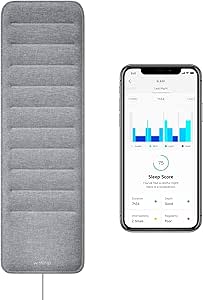
Withings Sleep Under-Mattress Sleep Tracking Pad
As an affiliate, we earn on qualifying purchases.
Frequently Asked Questions
Can Stress Improve My Workout Performance Temporarily?
Yes, stress can temporarily boost your workout performance by activating your mind-body connection, increasing adrenaline and focus. When managed well with stress management techniques like deep breathing or mindfulness, this heightened state can enhance strength and endurance. However, avoid overdoing it, as chronic stress hampers recovery and progress. Use stress wisely to tap into that fleeting energy boost, but prioritize balance and recovery for long-term gains.
What Are Signs I Should Stop Exercising Due to Stress?
If you experience mental exhaustion or emotional overload during exercise, it’s time to stop. Signs include feeling overwhelmed, losing focus, or noticing increased fatigue that doesn’t improve. You might also feel irritable or emotionally unstable. Pushing through these feelings can worsen stress and mental fatigue. Listen to your body, take a break, and prioritize recovery to prevent burnout and maintain your overall well-being.
How Does Stress Affect Muscle Recovery?
When stress hits, it’s like walking a tightrope—muscle recovery slows down as cortisol levels spike, causing muscle fatigue and delaying healing. Elevated cortisol, your stress hormone, breaks down muscle tissue and hampers repair, making recovery feel tougher. To prevent this, prioritize rest, manage stress, and avoid overtraining. By doing so, you give your muscles a fighting chance to rebuild stronger, rather than getting caught in a downward spiral.
Are Certain Types of Exercise Better for Stressed Individuals?
Yes, certain exercises are better for stressed individuals. Opt for mindful stretching and calming activities like yoga or gentle walks, which can help reduce stress and promote relaxation. These exercises keep your body active without overloading your nervous system. Avoid intense workouts that might increase cortisol levels. Instead, focus on activities that calm your mind and body, allowing you to recover better and lower stress levels effectively.
How Long Should I Wait After Stress to Resume Training?
You should wait until your stress levels subside before resuming your workout. Typically, give yourself at least a few hours or until you feel calmer, as part of stress management and ideal workout timing. Rushing back too soon can worsen stress or cause injury. Listen to your body, and if stress persists, consider gentle activities like walking or stretching until you’re ready for more intense exercise.
Conclusion
Remember, pushing through stress isn’t about breaking yourself; it’s about finding balance. Listen to your body, adapt your workouts, and don’t be afraid to take a step back when needed. Sometimes, a little rest can be the best medicine to come back stronger. Keep in mind, Rome wasn’t built in a day, and your progress is a marathon, not a sprint. Stay patient, stay kind to yourself, and let your resilience shine through.