TL;DR

Get workout gear delivered free with Prime
- Fast, free delivery on millions of items
- Prime Video, Amazon Music and more included
- Member-only deals all year
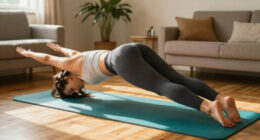
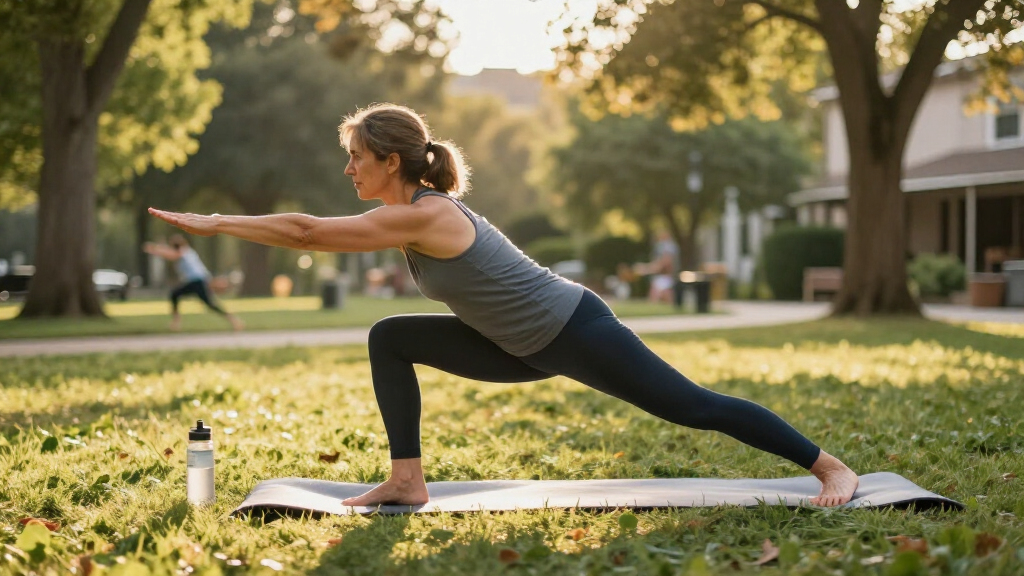
An Arizona State University study using data from more than 55,000 U.S. adults found that yoga and Pilates were associated with lower risk of death during roughly a decade of follow-up. The observational findings do not show that either practice causes people to live longer, and researchers say other differences between participants may help explain the association.
An analysis by Arizona State University researchers found that U.S. adults who reported practicing yoga or Pilates had a lower risk of death during about a decade of follow-up than those who did not report those practices. The study examined 21 alternative health practices using data on more than 55,000 adults; its results show an association, not proof that either activity extends lifespan.
The researchers linked nationally representative survey data to mortality records and assessed whether participants reported using a range of alternative health practices. Of the 21 practices examined, yoga and Pilates were the only ones associated with a statistically significant lower risk of death, according to the study report. The analysis covered deaths recorded over approximately 10 years.
Yoga practice was associated with a 27% lower risk of death, while Pilates was associated with a 36% lower risk, the report said. Those figures describe relative associations in the study population; they are not estimates of how many years participants lived longer, nor do they establish that starting either practice reduces an individual’s risk by those amounts. The source material does not provide the underlying absolute death rates.
The team accounted for several factors, including income, education, exercise, smoking, body mass index and participants’ self-rated health. Study co-author Connor Sheehan, an associate professor at ASU, said other influences could remain. The analysis therefore cannot rule out the possibility that people who practice yoga or Pilates differ in relevant ways from those who do not.
Movement Practices Show a Mortality Link
The findings put a measured research result behind two widely practiced forms of movement, but they do not amount to a prescription for longer life. For readers weighing wellness claims, the central point is that yoga and Pilates stood out in this analysis, while the other practices assessed did not show the same statistically significant association.
Both activities involve physical movement, and Sheehan pointed to potential benefits such as strength, balance and cardiovascular fitness. He also noted breath work, stress reduction and the social contact some people gain in classes. Those are possible ways the practices may support well-being, but this study did not establish which factors, if any, account for the mortality association. It also did not test whether one practice is more effective than the other.
The result matters amid growing interest in longevity and complementary health practices. It can help guide questions for future research, while the observational design means consumers should not read the reported percentages as guaranteed personal benefits or as evidence that yoga or Pilates can replace medical care.
As an affiliate, we earn on qualifying purchases.
Researchers Surveyed 21 Practices
Sheehan said the study was motivated by the popularity of complementary and alternative health practices and the limited long-term evidence about how they relate to survival. The research used a large U.S. adult sample and linked participants’ reported practices with later mortality records, rather than assigning people to take up a specific activity.
That distinction is central: people were not randomly assigned to yoga, Pilates or another practice. The researchers adjusted for a number of measured characteristics, but statistical controls cannot account for every difference between groups. The report also situates yoga and Pilates among a broad set of practices, rather than offering a direct comparison of class formats, session frequency, duration or intensity.
Sheehan said the physical and social elements of classes could be relevant, describing a combination of physical activity, stress management and community. The study did not isolate those components or determine whether they explain the association. Its results add to the evidence base but leave those mechanisms open for further study.
“Of all the alternative health practices out there, the two with the strongest longevity signal are ones rooted in physical movement, not the more exotic-sounding therapies.”
— Connor Sheehan, ASU associate professor and study co-author
Pilates reformer machines for home
As an affiliate, we earn on qualifying purchases.
As an affiliate, we earn on qualifying purchases.
Cause and Effect Remain Unknown
The study cannot show that yoga or Pilates caused lower mortality. People who choose these activities may differ from nonparticipants in ways the analysis did not capture, including health-care access, genetics, economic circumstances or other health behaviors. Sheehan also raised the possibility that people in poorer health may be less able to take part, which could affect the comparison.
The source report does not specify the frequency or duration of participants’ practice, the absolute mortality rates in each group, or how the association varied across different types of yoga and Pilates. It also does not establish whether attending classes, rather than practicing alone, made a difference. The reported risk percentages should be understood as relative associations within this analysis, not as individual forecasts.
As an affiliate, we earn on qualifying purchases.
Further Studies Needed on Longevity
The findings point to a need for further research that can test whether the associations persist across different populations and account for more potential sources of bias. Studies with more detail about practice frequency, duration and format could help clarify which aspects of yoga or Pilates participation matter, if any, for long-term health outcomes.
Sheehan said wellness behaviors are changing quickly and called for research into practices that have gained public interest. For now, the study provides an observational signal rather than a causal answer. It does not establish a change in clinical guidance, and the source material does not identify a specific follow-up study or publication date for additional results.
Pilates core strength training equipment
As an affiliate, we earn on qualifying purchases.
As an affiliate, we earn on qualifying purchases.
Key Questions
Did the study prove yoga or Pilates makes people live longer?
No. It found an association between reporting yoga or Pilates and lower risk of death during follow-up. The observational study cannot establish that either practice caused the difference.
What mortality associations did the researchers report?
The report said yoga was associated with a 27% lower risk of death and Pilates with a 36% lower risk. These are relative associations; the source material does not give absolute death rates or added years of life.
How many people and practices were included?
The analysis used nationally representative data from more than 55,000 U.S. adults, linked to mortality records covering about a decade. Researchers examined 21 alternative health practices; yoga and Pilates were the only two reported to have a statistically significant lower mortality association.
Could other factors explain the findings?
Yes. Researchers adjusted for several characteristics, including income, education, exercise, smoking, body mass index and self-rated health, but other differences may remain. The study also cannot rule out that people in poorer health were less likely to practice yoga or Pilates.
Source: rss
Halloween Picks
halloween
As an affiliate, we earn on qualifying purchases.