

Your nighttime hunger is driven by hormonal shifts, like increased ghrelin and decreased leptin, which signal hunger and fullness differently at night. Your internal clock also influences these cues, especially if your sleep is irregular or poor. Emotional triggers and habits can make you crave snacks when you’re stressed or bored. To fix this, focus on balanced meals and good sleep routines—learning more can help you better manage these late-night cravings.

Get workout gear delivered free with Prime
- Fast, free delivery on millions of items
- Prime Video, Amazon Music and more included
- Member-only deals all year
Key Takeaways
- Hormonal fluctuations, like increased ghrelin and decreased leptin, stimulate hunger signals at night.
- Irregular sleep patterns disrupt hunger-regulating hormones, leading to increased nighttime cravings.
- Habitual or emotional triggers, such as stress or boredom, can condition late-night snacking behaviors.
- Consuming a balanced dinner and healthy snacks can stabilize blood sugar and reduce nighttime hunger.
- Establishing consistent sleep routines supports hormonal balance and helps control bedtime cravings.

Feeling hungry at night is a common experience, but it often leaves you wondering what’s behind that late-night craving. Many times, it’s not just about needing calories but about your body’s internal signals and hormonal influence. Bedtime cravings are real, and understanding what drives them can help you manage your nighttime hunger more effectively. When evening approaches, your body’s hormonal balance shifts, which can increase your desire to eat. Hormones like ghrelin, known as the hunger hormone, may spike, making you feel hungrier than usual. Simultaneously, levels of leptin, the hormone that signals fullness, drop, leaving you with the sense that you need sustenance even if you’ve eaten enough earlier. This hormonal tug-of-war can make it feel like you’re craving snacks, sweets, or comfort foods just before bed. Recognizing that these cravings are partly hormonally driven helps you avoid unnecessary guilt or frustration and instead focus on strategies to address them.
Your circadian rhythm, or internal clock, also plays a role in nighttime hunger. As night falls, your body prepares for rest, but that doesn’t mean your hunger cues shut off. Instead, your body might be signaling a need for energy to sustain you through the night or to compensate for earlier missed nutrients. Sometimes, late-night hunger isn’t about actual energy deficits but a response to habits or emotional triggers. If you tend to eat late at night regularly, your body adapts to this routine, and the craving becomes a conditioned response. That’s why establishing a consistent eating schedule can help regulate these bedtime cravings over time. It’s also important to note that poor sleep or irregular sleep patterns can mess with your hormones, especially those related to hunger and fullness, making nighttime cravings more intense. Additionally, understanding hormonal fluctuations can help you develop better strategies to manage your nighttime hunger effectively.
To curb bedtime cravings, focus on creating a balanced evening meal that includes protein, fiber, and healthy fats. These nutrients help stabilize blood sugar levels and keep you feeling full longer. Avoid high-sugar snacks or processed foods close to bedtime, as they can cause blood sugar spikes and crashes, triggering more hunger. If you find yourself craving something late at night, opt for a small, nutritious snack like nuts, Greek yogurt, or a piece of fruit. Sometimes, hydration is also key—thirst can mimic hunger, so drinking a glass of water might ease those cravings. Remember, understanding the hormonal influence behind bedtime cravings empowers you to make mindful choices, helping you manage nighttime hunger and improve your overall sleep and health.
Products Worth Considering
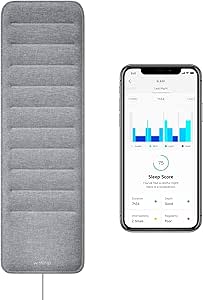
Withings Sleep Under-Mattress Sleep Tracking Pad

Hyperice Normatec Elite Wireless Compression Boots Recovery – Standard Size
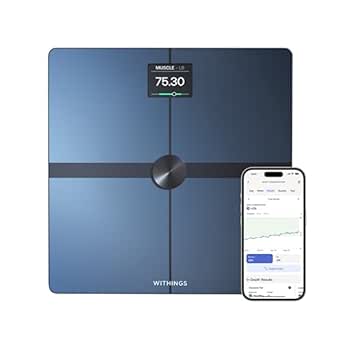
Withings Body Smart Wi-Fi and Bluetooth Smart Scale
As an affiliate, we earn on qualifying purchases.
Frequently Asked Questions
Can Stress Cause Nighttime Hunger?
Yes, stress can cause nighttime hunger. When you’re stressed, your body releases hormones like cortisol, which can trigger increased appetite and hormonal fluctuations, especially late at night. Managing stress through relaxation techniques and proper stress management can help regulate these hormonal changes. By reducing stress, you may find it easier to control nighttime hunger and improve your overall sleep quality.
Does Skipping Meals During the Day Increase Night Cravings?
Skipping meals during the day can turn your hunger into a roaring beast by evening. When you miss out on proper meal timing, your calorie intake drops drastically, signaling your body to crave high-energy foods later. This hunger surge isn’t just a mild pang — it’s an intense craving that feels unstoppable. To avoid this, eat balanced meals throughout the day, keeping your calorie intake steady and preventing nighttime hunger from taking over.
Are Certain Foods More Likely to Trigger Nighttime Hunger?
Certain food combinations can trigger nighttime hunger, especially if they cause blood sugar spikes followed by crashes. Foods high in refined carbs or sugar often lead to this effect. If you extend your eating window with balanced meals, you’re less likely to experience late-night cravings. Focus on protein, fiber, and healthy fats, which keep you full longer and stabilize blood sugar, helping you avoid unnecessary hunger at night.
How Does Hydration Affect Late-Night Hunger Sensations?
Think of your body as a garden that needs the right hydration balance to thrive. When you’re dehydrated, thirst cues can mimic hunger signals, tricking you into feeling hungry at night. Drinking enough water helps reset these signals, reducing false hunger sensations. Staying well-hydrated guarantees your body’s communication stays clear, so you don’t mistake thirst for hunger, helping you avoid unnecessary late-night snacking and maintain better overall health.
Does Exercise Influence Nighttime Appetite Levels?
Exercise impact your nighttime appetite levels by boosting your body’s appetite regulation. When you engage in physical activity, especially earlier in the day, it can help control late-night hunger signals, making you less likely to snack unnecessarily. Regular exercise balances hormones like ghrelin and leptin, which influence hunger. So, staying active not only benefits your overall health but also helps manage your evening cravings effectively.
Conclusion
So, next time you find yourself craving a midnight snack, remember it’s often your body’s gentle way of sending signals, not just a mischievous urge. By tuning in to what your body truly needs and nourishing it wisely, you can turn those restless nights into peaceful, satisfying rest. Embrace the opportunity to listen more closely and treat yourself kindly—after all, a little mindful care can turn evening hunger into a moment of quiet self-love.