When deciding whether to turn up volume or intensity first, it really depends on your goals. If you’re aiming for muscle growth and endurance, increasing volume (more sets and reps) is your best bet. If strength and power are your priority, focus on boosting intensity (heavier weights and fewer reps). Balance is key, so adjusting both over time works best. Keep exploring to discover how to tailor your training for maximum results.
Key Takeaways
- Define your primary goal: hypertrophy benefits from increased volume; strength gains favor higher intensity.
- For beginners, prioritize volume to build a foundation before adding intensity.
- Experienced athletes should adjust based on plateaus, focusing on either volume or intensity accordingly.
- Recovery capacity influences whether to increase volume gradually or push with higher intensity.
- Balance both over time; turn the dial based on progress, fatigue, and specific training objectives.
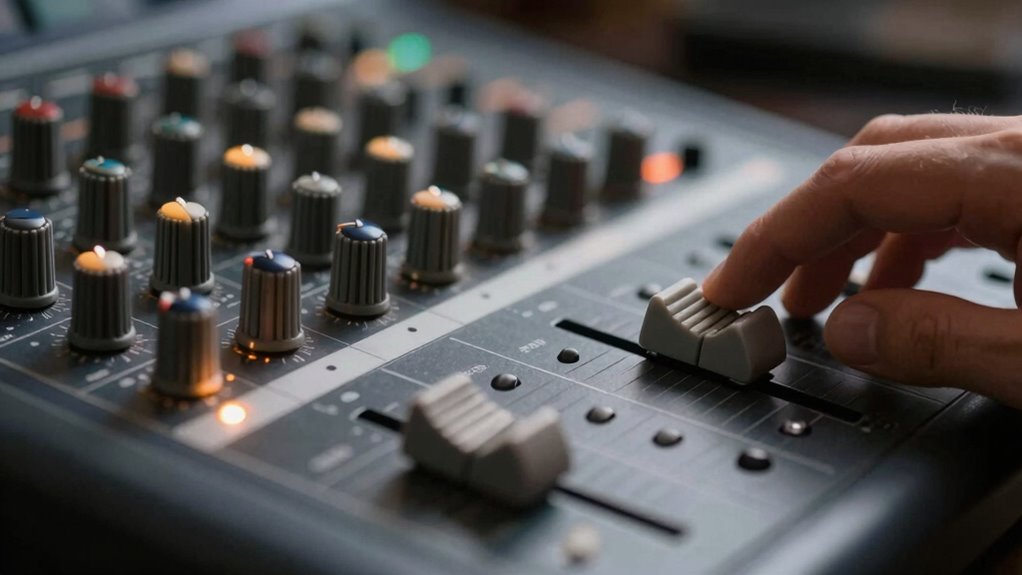
Have you ever wondered whether increasing your workout volume or intensity yields better results? It’s a common question among fitness enthusiasts trying to optimize their training. The answer depends on your goals, but understanding how to balance volume and intensity starts with knowing how each influences your progress. Before making any changes, it’s vital to consider your current training methods and recovery strategies. These factors shape how your body adapts to increased workload and help prevent injury or burnout.
When you focus on training methods, you’re fundamentally choosing how to structure your workouts—whether it’s doing more sets and reps (volume) or lifting heavier weights or reducing rest times (intensity). Increasing volume involves adding more exercises or extending your sessions, which can improve muscular endurance and hypertrophy. On the other hand, ramping up intensity pushes your muscles to work harder in a shorter period, promoting strength gains and power. Deciding which to prioritize depends on what you want to achieve. If your goal is to build muscle size, gradually increasing volume can be effective, but it’s essential to listen to your recovery strategies. Overloading with volume without proper recovery can lead to fatigue, overtraining, or injury.
Focusing on volume or intensity depends on your goals and recovery strategies.
Conversely, if you’re after maximum strength or power, intensifying your lifts with heavier weights or shorter rest periods can be more beneficial. However, increasing intensity too quickly can strain your nervous system and muscles. That’s why integrating proper recovery strategies is vital regardless of your focus. Adequate sleep, nutrition, and rest days help your body repair and adapt to new training stresses. Without these recovery strategies, pushing your workout volume or intensity can backfire, leading to burnout or setbacks.
Additionally, understanding how to effectively manage training stress can help prevent overtraining and optimize your results. Choosing the right dial to turn first often comes down to your current fitness level and goals. If you’re new to training, gradually increasing volume allows your body to adapt without overwhelming your recovery capacity. More experienced athletes might benefit from focusing on intensity to break through plateaus, but even then, recovery strategies need to be prioritized to handle the increased stress. Remember, the key isn’t just about pushing harder but doing so intelligently. Listening to your body, adjusting your training methods, and supporting your efforts with proper recovery strategies will ensure sustained progress. In essence, turning the volume or intensity dial isn’t a one-time decision; it’s a dynamic process that requires balance and mindfulness to maximize results while keeping your body healthy.
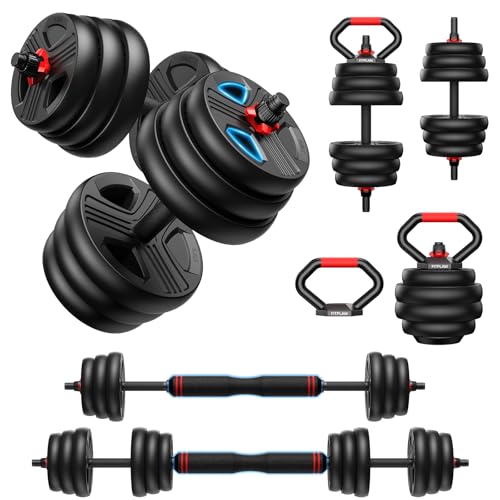
FDS1 Adjustable dumbbell set, 45lbs Free Weights set with upgraded nut, 5 in 1 Weight Set Used as Kettlebells, Barbell, Push up Stand, Fitness Exercise for Home Gym Suitable Men/Women
- Versatile 5-in-1 Design: Transforms into dumbbells, kettlebells, barbells, and more
- Secure Dual-Lock Nuts: Red and black locking system prevents weight shifting
- Adjustable Weight Options: Customize weights from light to heavy for all levels
As an affiliate, we earn on qualifying purchases.
As an affiliate, we earn on qualifying purchases.
Frequently Asked Questions
How Do I Determine My Optimal Volume and Intensity Levels?
To find your ideal volume and intensity, start by adjusting your training frequency based on your goals and recovery. Incorporate a variety of exercise selection to target different muscle groups effectively. Pay attention to how your body responds; if you’re sore or fatigued, reduce volume or intensity. Gradually increase these variables as your strength and endurance improve, ensuring your workouts challenge you without risking injury.
Can Adjusting Volume and Intensity Prevent Workout Plateaus?
Think of your workouts as a garden; adjusting volume and intensity is like watering and fertilizing to prevent weeds—plateaus. Yes, tweaking these factors with smart progression strategies and training variability keeps your muscles guessing and growing. Regularly changing your volume or intensity prevents stagnation, much like rotating crops, ensuring continuous progress and avoiding plateaus. Keep experimenting, and your gains will flourish.
How Do Recovery Needs Change With Different Volume and Intensity?
Your recovery needs change based on your training frequency, volume, and intensity. When you train more often or push harder, you’ll need extra rest and varied exercises to prevent overtraining. Incorporate rest days, listen to your body, and vary your workouts to promote recovery. This guarantees you avoid burnout and keep progressing. Adjusting recovery based on these factors helps maintain balance and prevents setbacks.
What Are Signs of Overtraining Related to Volume and Intensity?
You might notice signs of overtraining like persistent fatigue, decreased performance, and hormonal imbalance. If you’re constantly sore, have trouble sleeping, or feel unusually irritable, these are red flags. You could also experience a loss of motivation or increased susceptibility to illness. Pay attention to these signs and adjust your volume and intensity accordingly, giving your body the time it needs to recover and prevent further overtraining.
How Do Goals Influence Whether I Should Prioritize Volume or Intensity?
Your goals directly influence whether you should prioritize volume or intensity. If you’re aiming for muscle growth, focus on increasing volume while tracking progress carefully to prevent injury. For strength or power, emphasize intensity and monitor how your body responds to avoid overtraining. Consistently progress and track your results, adjusting the dial accordingly to optimize gains and safeguard injury prevention. Your goals help determine the right balance for safe, effective training.

WHATAFIT Resistance Bands,Exercise Bands,Workout Bands with Handles,Door Anchor and Ankle Straps,5 Resistance Levels Fitness Bands,for Strength,Training, Physical Therapy, and Home Gym Equipment
- Five Adjustable Resistance Levels: 10 to 50 lbs, up to 150 lbs combined
- High-Quality Natural Latex Material: Elastic, durable, and resilient
- Includes Handles, Door Anchor, Ankle Straps: Versatile workout accessories
As an affiliate, we earn on qualifying purchases.
As an affiliate, we earn on qualifying purchases.
Conclusion
Think of your workout as a dial on a radio—you can turn up the volume (volume) or boost the bass (intensity). If progress stalls, it’s like the song hitting a dull note; adjusting one knob can bring harmony back. Start by turning the volume up for endurance or crank the intensity for strength. Finding the right balance is your playlist’s secret to hitting all the right notes on your fitness journey.
weightlifting gloves for strength training
As an affiliate, we earn on qualifying purchases.
As an affiliate, we earn on qualifying purchases.
training journal for workout tracking
As an affiliate, we earn on qualifying purchases.
As an affiliate, we earn on qualifying purchases.