
TL;DR

Get workout gear delivered free — and shop member deals
- Fast, free delivery on millions of items
- Access to Prime Big Deal Days deals on October 6–7
- Prime Video, Amazon Music and more included
Personal trainer and Pilates instructor Jill Brown says some people find familiar workouts produce less progress in their 40s and 50s, citing changes in daily movement, lifestyle and the body’s adaptation to exercise. Her suggested adjustments include adding a little workout time or daily walking, increasing session intensity gradually, or changing exercise types.
Personal trainer and Pilates instructor Jill Brown told Fit&Well that people in their 40s and 50s may find familiar workouts produce less progress, with some reporting weight gain despite exercising as much as before. She points to possible changes in daily activity and lifestyle, as well as the body’s adaptation to repeated routines, and advises adjusting exercise gradually rather than assuming one cause applies to everyone.
Brown told Fit&Well that she often hears from people who have followed the same exercise pattern for about five years and then feel it stops working as they reach their 40s or 50s. She said a common issue is lower daily calorie expenditure, which she linked mainly to reduced movement and lifestyle changes, while hormones may also play a part. The report does not provide clinical data or establish how much each factor contributes.
Brown also described a possible fitness plateau: as the body becomes more accustomed to a workout, a session that once felt challenging may feel easier, and progress may stall. She suggested adding 10 to 15 minutes to a workout or one extra weekly gym session, or increasing everyday movement with more steps and a longer weekend walk.
For people short on time, Brown suggested making sessions more demanding by lifting heavier weights, adding faster intervals to walks or doing more repetitions. She cautioned against raising both workout volume and intensity at once, advising people to let their bodies adjust to one change before adding another. Other options include changing equipment or mixing strength training with different forms of exercise.
Adjusting Midlife Training Gradually
The report offers practical options for people who feel that a long-standing routine has stopped challenging them. Its central point is that more exercise is not the only adjustment: changing the effort, duration, daily movement or type of activity may provide a different stimulus. This may help readers think about training habits without treating age alone as a complete explanation for changes in weight or fitness.
Brown’s recommendations are general trainer advice, not a personalized exercise prescription or proof that a particular change will lead to weight loss. People’s health, schedules and training histories differ. A gradual approach matters because adding volume and intensity together can make a routine harder to sustain and may increase physical strain.
As an affiliate, we earn on qualifying purchases.
Why Familiar Routines Can Plateau
The Fit&Well report describes two related explanations from Brown: people may move less outside planned workouts as their routines or lifestyles change, and repeated exercise can become more familiar to the body. These are presented as her observations and guidance, not as findings from a new scientific study. The article does not quantify how common these experiences are.
Brown’s suggestions follow a stepwise approach: first add a modest amount of time or movement, or make one aspect of a session more challenging; then allow time to adjust. She also recommends changing the exercise stimulus, such as using different equipment or combining strength work with cardio. The report does not prescribe a specific program or schedule for making those changes.
“People say that they’re exercising just as much, or exercising more, but your body’s not burning [the same] calories.”
— Jill Brown, speaking to Fit&Well
adjustable dumbbells for strength training
As an affiliate, we earn on qualifying purchases.
As an affiliate, we earn on qualifying purchases.
What the Report Does Not Establish
The supplied article does not include a study, data on how frequently workouts plateau in midlife, or evidence isolating the effects of age, hormones, daily movement and lifestyle. Brown’s account is an expert’s explanation based on people she has worked with, and her recommendations are broad suggestions rather than individualized guidance.
It is also unclear from the report what “workouts don’t work anymore” means in each case: readers may be referring to weight, strength, endurance, energy or another goal. It does not offer a target amount of exercise, explain how long to wait before changing a routine, or address how medical conditions, medications, injuries or sleep may affect results.
As an affiliate, we earn on qualifying purchases.
Choose One Training Adjustment
Brown’s advice is to identify whether the routine has become comfortable and then make one gradual change—for example, a little more walking, a slightly longer session, a modest increase in effort or a different exercise. Her guidance is to give the body time to adjust before increasing another part of the workload.
The report does not announce a formal program or further research. People with health conditions, persistent pain or uncertainty about safe exercise changes can seek advice from a qualified health professional or exercise specialist before changing their training.
As an affiliate, we earn on qualifying purchases.
Key Questions
Why might a familiar workout feel less effective in your 40s or 50s?
Trainer Jill Brown told Fit&Well that reduced everyday movement and lifestyle changes may lower daily calorie expenditure, while hormones may also play a part. She also says the body can adapt to repeated workouts. The report does not establish one explanation for everyone.
What is one change Brown recommends?
Brown suggests adding 10 to 15 minutes to a workout or adding one gym session in the week. She also offers more daily walking as an option for people who do not want to increase formal workout time.
Can you increase workout duration and intensity together?
Brown advises against increasing both at the same time. Her recommendation is to make one change and give the body time to adapt before adding another.
How can you add a new stimulus to training?
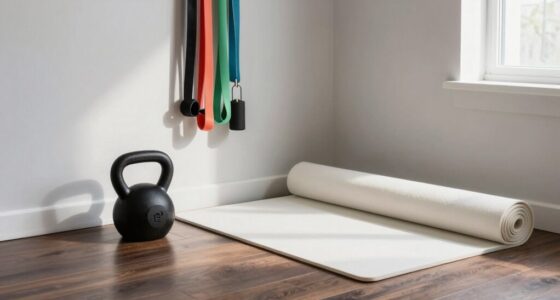
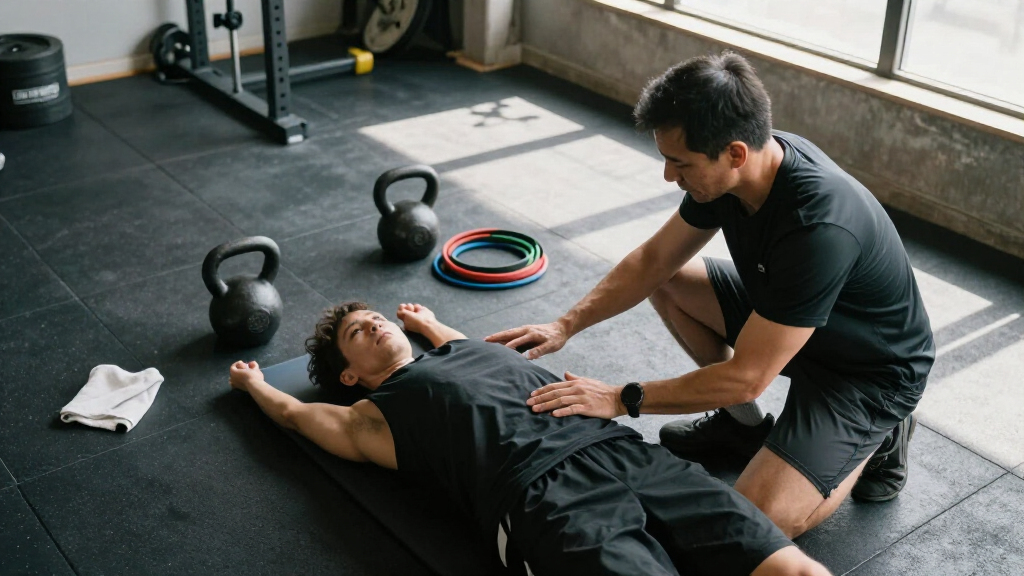
Brown suggests trying different equipment, such as kettlebells or a suspension trainer, or adding cardio to strength training. The report does not prescribe a particular combination or schedule.
Does the report prove that age causes weight gain?
No. The report presents Brown’s observations and possible explanations, including changes in movement and lifestyle, workout adaptation and hormones. It provides no study or data proving that age alone causes weight gain or stalled progress.
Source: rss
Halloween Picks
halloween
As an affiliate, we earn on qualifying purchases.