

To maintain strength during a calorie deficit, focus on progressive overload by gradually increasing weights or reps, and prioritize recovery through quality sleep, proper hydration, and rest days. Keep your training sessions challenging but manageable, and listen to your body to avoid overtraining. Managing stress and ergonomics also support consistent progress. Staying disciplined and patient will help you preserve muscle and strength; if you continue, you’ll discover more effective strategies.
Key Takeaways
- Prioritize progressive overload to stimulate muscle adaptation despite calorie reduction.
- Maintain adequate protein intake and recovery strategies to support muscle repair and strength.
- Ensure consistent training with gradual intensity increases, avoiding overtraining or injury.
- Manage stress and ergonomics to optimize recovery and prevent setbacks during calorie deficits.
- Practice patience and track progress for sustainable strength maintenance over time.

Training for strength while on a calorie deficit might seem challenging, but it’s definitely achievable with the right approach. Your primary goal is to maintain muscle mass and strength, even when your calorie intake is lower than usual. To do this effectively, you need to prioritize progressive overload, which involves gradually increasing the intensity of your lifts. This means consistently pushing yourself with heavier weights, more reps, or more challenging sets. By doing so, you signal to your muscles that they need to adapt and stay strong, despite the caloric shortfall. This approach prevents your strength from plateauing or declining as you cut calories.
Prioritize progressive overload to maintain strength during a calorie deficit.
Alongside progressive overload, recovery strategies are essential. When you’re eating less, your body has fewer resources to repair and build muscle. Hence, maximizing recovery helps you avoid overtraining and injury, which can derail your progress. Make sure you’re getting enough sleep each night, aiming for at least 7-9 hours. Sleep is when your body repairs muscle tissue and consolidates strength gains. Incorporate rest days into your training schedule, especially after heavy lifting sessions, to allow your muscles to recover fully. Nutrition also plays an important role—focus on consuming sufficient protein to support muscle repair and growth, even on a calorie deficit. Protein intake should be optimized to help your body repair damaged tissues and maintain muscle mass.
Hydration is another critical recovery strategy. Staying well-hydrated supports muscle function and reduces fatigue. Additionally, consider active recovery methods such as light stretching, foam rolling, or low-intensity cardio, which can promote blood flow and help your muscles recover faster. Managing stress levels is also significant; high stress can impair recovery and hinder strength gains. Incorporate relaxation techniques like meditation or deep breathing exercises to keep stress in check. Furthermore, understanding the importance of ergonomics and proper workspace setup can help reduce physical stress and prevent discomfort during your training and recovery routines.
Balancing these priorities—progressive overload and recovery strategies—requires careful planning. Track your workouts to make sure you’re gradually increasing the challenge without overdoing it. Listen to your body; if you’re feeling excessively sore or fatigued, give yourself extra rest. Remember, consistency is key, but so is patience. Strength gains on a calorie deficit won’t happen overnight, but with focused effort, proper recovery, and steady progression, you can maintain or even improve your strength while losing fat. Stay disciplined, prioritize your recovery, and keep challenging yourself safely to make the most of your training during a calorie deficit.

Rendpas Adjustable Dumbbells 55lbs for Men, 10-in-1 Free Weights Dumbbells with Knurled Steel Handle, Home Gym Dumbbell Set for Progressive Overload
- Quick 1-Second Weight Adjustment: Switch weights instantly with one hand
- Durable Steel Knurled Handle: Provides a secure, non-slip grip
- Space-Saving 10-in-1 Design: Replaces 10 fixed dumbbell pairs
As an affiliate, we earn on qualifying purchases.
As an affiliate, we earn on qualifying purchases.
Frequently Asked Questions
Can I Build Muscle While Losing Fat Simultaneously?
Yes, you can build muscle while losing fat by focusing on muscle preservation and effective fat loss strategies. Keep your protein intake high to support muscle growth, even on a calorie deficit. Incorporate strength training to stimulate muscles and maintain strength. Prioritize consistent workouts, manage your calorie deficit carefully, and guarantee you’re getting enough rest. This approach allows you to lose fat and build muscle simultaneously, though progress may be slower than with bulking.
How Long Should I Rest Between Sets During Strength Training?
You should rest between 1 to 3 minutes during strength training, depending on your workout pacing and goals. Shorter rest intervals (around 1 minute) keep intensity high for hypertrophy, while longer rests (up to 3 minutes) allow better recovery for maximum strength. Adjust your rest interval based on the weight you’re lifting and how fatigued you feel, ensuring you maintain proper form and effective training intensity.
Is Cardio Necessary When Training on a Calorie Deficit?
Cardio necessity? Well, it depends. If you’re aiming for a calorie deficit, cardio can speed up fat loss, but it’s not a must. You can shed pounds through diet alone or lift heavy to burn calories. Just remember, overdoing cardio might compromise your strength gains. So, if your goal’s a lean, strong physique, balance your calorie deficit with some cardio—without turning into a hamster on a wheel.
What Supplements Support Strength Gains on a Calorie Deficit?
You should focus on creatine supplementation and proper protein timing to support strength gains on a calorie deficit. Creatine helps boost your power and recovery, making it easier to lift heavier. Meanwhile, spreading protein intake evenly throughout the day maximizes muscle repair and growth. Combining these supplements with consistent training can help you maintain strength even while cutting calories.
How Does Hydration Impact Strength Training During Calorie Restriction?
Hydration is your secret weapon—without it, your strength gains can vanish faster than a flash! Proper hydration maintains electrolyte balance, preventing cramps and fatigue. Timing matters too; drink water before, during, and after workouts to optimize performance. Staying well-hydrated keeps your muscles fueled and your mind sharp, even on a calorie deficit. Don’t underestimate hydration’s power—it’s the foundation that keeps your strength training unstoppable!

SlimFast Protein Shake, Chocolate- 20g Protein, Meal Replacement Shake Ready to Drink, High Protein with Low Carb and Low Sugar, 24 Vitamins and Minerals, 12 Count (Pack of 1) (Packaging May Vary)
- Quantity: 12 bottles of 11 oz each
As an affiliate, we earn on qualifying purchases.
As an affiliate, we earn on qualifying purchases.
Conclusion
Remember, balancing strength training on a calorie deficit is like rowing upstream—you’ll face resistance, but with steady effort and focus, you’ll carve your path forward. Prioritize your lifts, listen to your body, and stay committed to your goal. Every rep is a step closer to your strength journey, even when the current feels tough. Keep pushing, stay disciplined, and trust that, with patience, you’ll turn that effort into unstoppable momentum.

TriggerPoint Grid 1.0 Foam Roller – 13" Multi-Density Massage Roller for Deep Tissue & Muscle Recovery – Relieves Tight, Sore Muscles & Kinks, Improves Mobility & Circulation – Targets Key Body Parts
- Enhances Muscle Recovery: Promotes tissue aeration and blood flow
- Comfortable Foam Construction: Designed for sore muscles and soft tissue
- Customizable Massage Feel: Varied ridges mimic therapist's hands
As an affiliate, we earn on qualifying purchases.
As an affiliate, we earn on qualifying purchases.
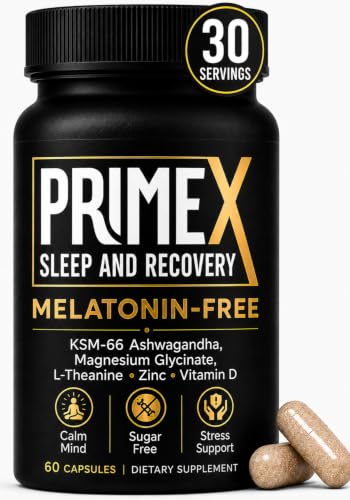
Sleep Aid Without Melatonin- Sleep Recovery Supplement with KSM-66® Ashwagandha and Magnesium Glycinate for Nighttime Relaxation & Restful Sleep- with L-Theanine, Zinc & Vitamin D3 (30 Servings)
- Relaxation Support: Helps unwind for quality sleep
- Melatonin-Free: Promotes natural, dependency-free rest
- Stress Relief: Eases nighttime tension and anxiety
As an affiliate, we earn on qualifying purchases.
As an affiliate, we earn on qualifying purchases.