
Lower back tightness after lifting often results from muscle fatigue, poor form, or overexertion. When you don’t maintain proper technique or neglect to engage your core, muscles strain and become tight. Overloading weights or skipping warm-up routines can also cause strain and overstress the muscles. Muscle imbalances and weak stabilizers make it harder to support your spine. Keep going, and you’ll find ways to prevent and relieve this discomfort effectively.

Get workout gear delivered free with Prime
- Fast, free delivery on millions of items
- Prime Video, Amazon Music and more included
- Member-only deals all year
Key Takeaways
- Muscle fatigue and strain from overexertion weaken support and cause tightness in lower back muscles.
- Poor lifting form, such as rounding or arching the back, increases spinal stress and tightness.
- Weak core muscles and muscle imbalances disrupt proper movement, leading to lower back tightness post-lift.
- Inadequate warm-up, dynamic stretching, or foam rolling before lifting can leave muscles unprepared and tight.
- Overloading weights beyond capacity or skipping recovery strategies cause muscle fatigue and persistent tightness.
lower back support belt for lifting
As an affiliate, we earn on qualifying purchases.
As an affiliate, we earn on qualifying purchases.
Why Does My Lower Back Feel Tight After Lifting?

After lifting weights, your lower back might feel tight because your muscles are working hard to stabilize your spine during the exercise. This tightness often results from muscle fatigue and strain, especially if your muscles aren’t used to the activity. Incorporating stretches and mobility exercises before and after lifting can help loosen tight muscles and improve flexibility. Additionally, using ergonomic equipment, like supportive belts or proper lifting platforms, can reduce unnecessary stress on your lower back. Poor mobility or neglecting to warm up can cause your muscles to tighten up as a protective response. When your muscles are well-prepared and supported, they’re less likely to become excessively tight or strained after lifting, promoting quicker recovery and reducing discomfort. Proper warm-up routines are essential for activating muscles and decreasing the risk of tightness and injury.
As an affiliate, we earn on qualifying purchases.
How Improper Form and Technique Lead to Back Tightness

When you lift with poor posture or incorrect technique, your back muscles have to work harder to stabilize your spine. If you neglect engaging your core, your lower back takes on more strain, increasing tightness. These mistakes can quickly lead to discomfort and potential injury, so proper form is essential.
Poor Posture During Lifts
Poor posture during lifts often causes back tightness because improper form puts unnecessary strain on your lower back muscles. When you neglect proper alignment, your muscles work harder to stabilize your spine, leading to tightness and discomfort. To prevent this, focus on posture correction by maintaining a neutral spine and engaging your core throughout the lift. Equipment adjustments, such as using a belt or proper footwear, can also support better posture and reduce strain. Pay attention to your body’s signals, ensuring your shoulders, hips, and feet stay aligned. Small changes in your setup and technique make a big difference in reducing back tightness and avoiding injury. Additionally, understanding the importance of regional flavors and techniques can inform better lifting practices and support proper form. Consistent posture correction and appropriate equipment use are key to lifting safely and minimizing lower back issues.
Incorrect Lifting Techniques
Incorrect lifting techniques can substantially contribute to back tightness by placing undue stress on your lower back muscles. When you lift improperly, you risk straining your spine and overloading supporting muscles. To avoid this, focus on proper form, including correct breathing techniques—inhale before lifting and exhale during exertion. Your footwear choices also matter; supportive shoes help maintain stability and alignment. Be mindful of these common mistakes:
- Rounding or arching your back during lifts
- Bending at the waist instead of hips
- Using poor footwear that lacks support
- Ignoring proper breathing techniques
- Failing to engage your legs and core during lifts
Paying attention to proper lifting techniques can significantly reduce your risk of injury. Addressing these issues can reduce back tightness and prevent injury, ensuring safer, more effective workouts.
Lack of Core Engagement
Lack of core engagement during lifting can considerably contribute to lower back tightness because your core muscles are essential for stabilizing your spine. When you neglect to activate your core, your back bears more stress, leading to tightness and discomfort. Strengthening your abdominal muscles improves core stability, which helps distribute the load evenly during lifts. Proper form involves engaging your abdominal strength to support your spine, reducing unnecessary strain. Here’s a quick overview:
| Key Aspect | Impact |
|---|---|
| Core Stability | Prevents excessive movement and strain |
| Abdominal Strength | Enhances support for the lower back |
| Proper Technique | Ensures proper muscle engagement |
| Technique Consistency | Maintains safe lifting habits |
| Avoiding Overexertion | Reduces risk of tightness and injury |
Prioritize core engagement to minimize back tightness and optimize your lifting form.
core strength training equipment
As an affiliate, we earn on qualifying purchases.
As an affiliate, we earn on qualifying purchases.
Common Exercise Mistakes That Cause Lower Back Strain

One of the main causes of lower back strain is poor form technique during lifts. Overloading weights beyond your capacity can also put unnecessary stress on your back muscles. Additionally, skipping an adequate warm-up leaves your muscles unprepared, increasing the risk of tightness and injury. Proper kitchen gear care and ensuring your equipment is well-maintained can help prevent strain and injury during workouts.
Poor Form Technique
Poor form during lifting is a common culprit behind lower back tightness. When your technique is off, it can place unnecessary stress on your spine, leading to discomfort and injury. Poor posture may also cause knee pain or shoulder discomfort, compounding issues. To avoid these problems, pay attention to your form and alignment. Additionally, practicing proper technique and safety measures can help prevent injury and improve your lifting effectiveness.
Common mistakes include:
- Rounding your back during lifts
- Not engaging your core
- Using excessive weight beyond your capacity
- Failing to maintain proper knee tracking
- Ignoring shoulder positioning during overhead movements
These errors not only strain your lower back but can also cause misalignment elsewhere, increasing the risk of pain in other areas. Proper technique safeguards your muscles, joints, and overall lifting performance.
Overloading Weights Too Much
Overloading weights beyond your current strength level is a common mistake that can lead to lower back strain. When you lift too much, you may compromise your form and neglect necessary technique adjustments. Proper equipment selection also plays a role; using weights that are too heavy can hinder control and stability. To avoid injury, start with manageable loads and focus on gradual progression. Consider these factors:
| Technique Adjustment | Equipment Selection | Risk Level |
|---|---|---|
| Maintain proper form | Use appropriate weight | Increased back strain |
| Engage core muscles | Use supportive gear | Higher injury risk |
| Control movement | Avoid ego lifting | Strain on lower back |
Choosing the right weights and making technique adjustments helps prevent overloading and reduces lower back tightness.
Inadequate Warm-Up Routine
Skipping a proper warm-up increases your risk of lower back strain during lifting. An inadequate warm-up can lead to tight muscles and reduced flexibility, making you more prone to injury. Incorporate dynamic stretching routines to activate your muscles and improve blood flow. Remember to stay hydrated with effective hydration strategies, which help maintain muscle elasticity. Failing to warm up properly often results in stiff lower back muscles that are vulnerable during heavy lifts. Here are key elements to include:
- Dynamic stretching routines targeting hips and hamstrings
- Light cardio to elevate core temperature
- Activation exercises for glutes and core
- Hydration strategies to prevent muscle cramps
- Gradual increase in lifting intensity
Ensuring proper muscle preparation can also be supported by understanding 16PF traits, which highlight individual differences in physical resilience and adaptability. Taking these steps ensures your muscles are prepared, reducing lower back strain and enhancing overall performance.
As an affiliate, we earn on qualifying purchases.
How Overexertion and Fatigue Contribute to Back Tightness
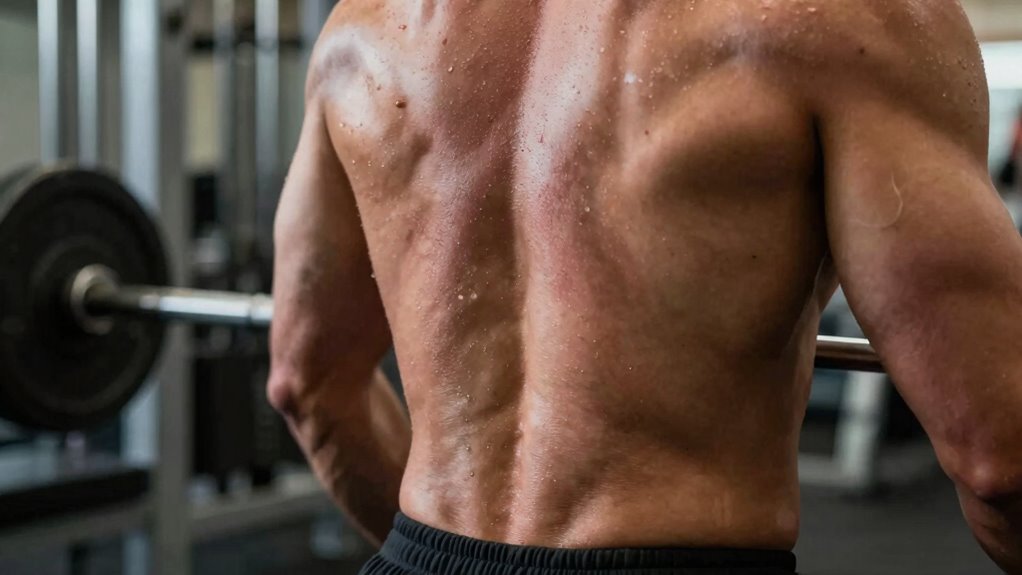
When you push your muscles too hard during lifting, fatigue sets in quickly, increasing the risk of back tightness. Overexertion weakens your muscles, making them less effective at supporting your spine. As your muscles tire, you might unknowingly adopt poor form, further stressing your lower back. To combat this, focus on proper breathing techniques to improve oxygen flow and reduce fatigue. Staying hydrated through effective hydration strategies ensures your muscles perform at their best and recover faster. When your muscles are well-nourished and oxygenated, they’re less prone to tightness and injury. Recognizing your limits and avoiding overexertion helps prevent fatigue-induced back tightness, keeping your lower back healthier and more resilient during lifts. Additionally, understanding how proper muscle support can influence back health emphasizes the importance of strength and conditioning in preventing tightness.
Warm-Up and Cool-Down Routines to Prevent Back Tightness

A proper warm-up and cool-down routine are essential for preventing lower back tightness after lifting. Starting with dynamic stretching routines helps increase blood flow and prepares your muscles for activity. Incorporate foam rolling to release muscle tension and improve flexibility, especially targeting the hips and lower back. After your workout, perform gentle stretching routines to relax tight muscles and restore mobility. Cool-down exercises should include light cardio to gradually reduce heart rate, followed by static stretches for the lumbar region. Consistently applying these routines minimizes muscle stiffness, enhances recovery, and reduces the risk of back tightness. Remember, a disciplined warm-up and cool-down are key to maintaining a healthy lower back and optimizing your lifting performance.
- Dynamic stretching routines before lifting
- Foam rolling for muscle release
- Static stretching post-workout
- Light cardio for gradual recovery
- Focused stretches on hips and lower back
Muscle Imbalances and Weaknesses That Increase Back Discomfort

Muscle imbalances and weaknesses often contribute to back discomfort by causing uneven stress on the spine and surrounding tissues. When your core stability is lacking, certain muscles may overcompensate, leading to strain and tightness in your lower back. Weakness in the abdominals, glutes, or back muscles can disrupt proper movement patterns, increasing the risk of tightness after lifting. Incorporating targeted flexibility exercises can help correct these imbalances, improving muscle coordination and reducing strain. Strengthening weak areas and maintaining flexibility guarantees that your muscles work harmoniously, supporting your spine during lifts. Addressing muscle imbalances is essential for preventing lower back tightness and promoting long-term back health. Proper muscle activation techniques can further enhance muscle coordination and stability during lifting.
Practical Tips to Prevent and Relieve Lower Back Tightness After Lifting
To prevent and relieve lower back tightness after lifting, adopting a combination of proper technique and post-workout routines is essential. Focus on maintaining correct form during lifts and incorporating ergonomic adjustments to your workout space. Recovery nutrition plays a vital role in supporting muscle repair and reducing soreness. Additionally, gentle stretching and foam rolling can ease muscle tension. Prioritize hydration and balanced meals rich in protein and anti-inflammatory foods to promote faster recovery. Rest days are crucial to prevent overtraining. Incorporate these tips for lasting relief and injury prevention:
- Ensure proper ergonomic setup during workouts
- Consume recovery nutrition with an emphasis on protein and antioxidants
- Use foam rolling and gentle stretching post-exercise
- Stay hydrated throughout the day
- Schedule adequate rest and recovery periods
- Consider incorporating airless paint spraying techniques to reduce strain and improve ergonomic comfort during repetitive tasks.
Frequently Asked Questions
Can Poor Footwear Cause Lower Back Tightness After Lifting?
Yes, poor footwear can cause lower back tightness after lifting. When your shoes lack proper support, it affects your posture and stability during lifts, leading to uneven weight distribution. This puts extra strain on your lower back muscles, causing tightness and discomfort. Make sure you wear shoes with good support and cushioning to help maintain proper alignment and reduce the risk of back tightness post-workout.
How Does Hydration Impact Lower Back Recovery Post-Exercise?
Hydration is like oil for a machine, essential for smooth muscle recovery after lifting. When you stay well-hydrated, it helps maintain electrolyte balance, which is vital for preventing cramps and injuries. Proper hydration speeds up muscle recovery and reduces lower back tightness by supporting tissue repair. Drinking enough water ensures your muscles function at their best, lowers strain, and keeps your back pain-free after your workout.
Are There Specific Stretches to Ease Back Tightness?
Yes, there are specific stretches to ease back tightness. You should try stretching routines like child’s pose, cat-cow, and hamstring stretches, which help loosen tight muscles. Incorporate flexibility exercises daily to improve your range of motion and reduce discomfort. Focus on gentle, controlled movements, and avoid overstretching. Consistent stretching routines can markedly alleviate back tightness, promote recovery, and prevent future strain after lifting.
What Role Does Core Strength Play in Preventing Back Tightness?
Core strength plays a vital role in preventing back tightness by enhancing core stability and supporting your lower back during lifts. When you activate your core muscles properly, you reduce strain on your lumbar region, decreasing the risk of tightness and injury. Focus on engaging your abs, obliques, and lower back muscles during workouts to improve muscle activation, which helps maintain proper posture and balance, ultimately protecting your back from tightness.
When Should I See a Doctor for Persistent Back Discomfort?
Think of your back like a warning siren; if it blares persistently, it’s time to take action. You should see a doctor if you experience early warning signs like persistent pain, numbness, or weakness that doesn’t improve. Chronic pain management is essential to prevent further injury. Don’t ignore these signals—consult a healthcare professional promptly to identify underlying issues and develop an effective treatment plan.
Conclusion
To keep your lower back feeling its best, pay close attention to your form, listen to your body’s signals, and avoid pushing beyond your limits. Gentle routines and proper technique serve as gentle guides, helping you stay balanced and comfortable. Remember, consistency and awareness are your best allies—sometimes, a small adjustment can make a world of difference and keep your back happy and healthy for the long haul.
Halloween Picks
halloween
As an affiliate, we earn on qualifying purchases.