
Many people think shoulder impingement is just about repetitive overhead motions or a narrow acromion. But it’s more complex—poor shoulder mechanics, muscle imbalances, and subtle anatomical differences often play a bigger role. Impingement isn’t only caused by overuse or structural issues; faulty movement patterns and weak muscles can also trigger it. To truly understand and prevent it, you need to look beyond common myths. Keep exploring to learn what really drives shoulder impingement.
Key Takeaways
- Impingement is often blamed solely on structural issues like a narrow acromion, but muscle imbalances and poor mechanics are major causes.
- Repetitive overhead activities are not the only trigger; everyday movements and posture also contribute to shoulder impingement.
- Strengthening rotator cuff muscles and improving biomechanics are more effective than just addressing structural abnormalities.
- Many believe impingement results from overuse; however, it can develop from subtle movement dysfunction and muscle support failure.
- The high mobility of the shoulder means complex muscular support, not just structural factors, plays a critical role in preventing impingement.
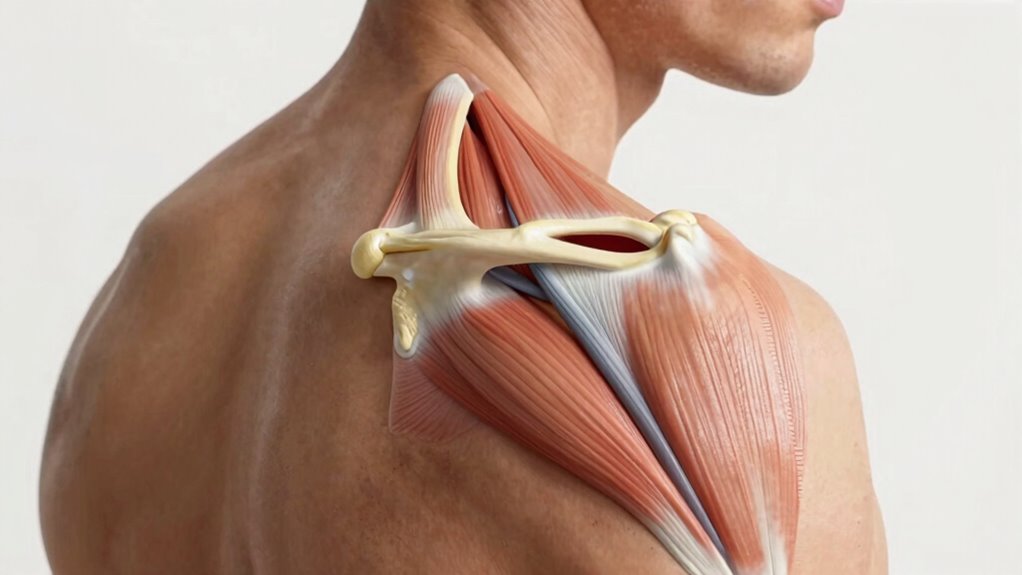
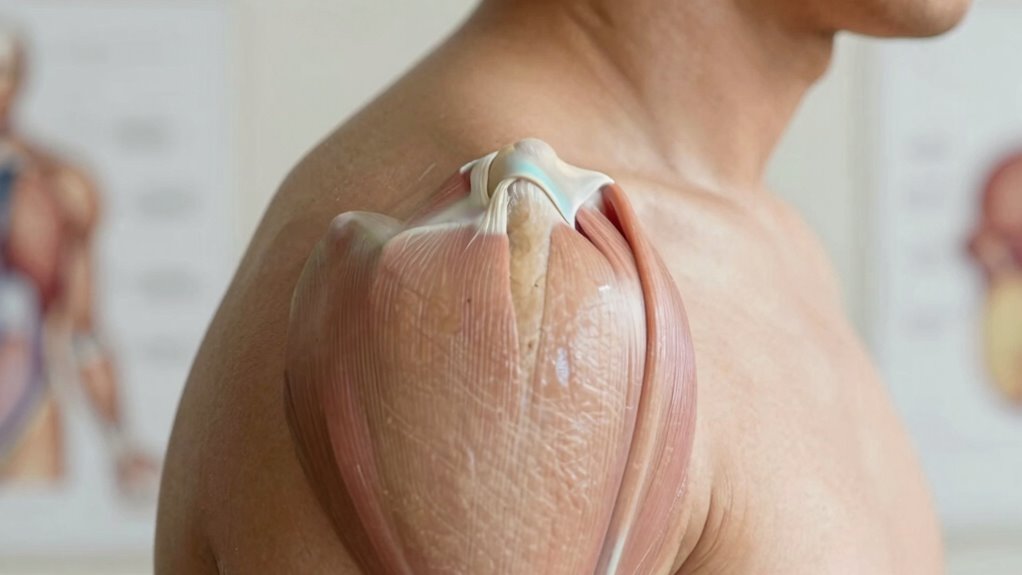
Shoulder impingement is often misunderstood, leading many to believe it’s solely caused by structural issues or overuse. In reality, it’s a complex condition rooted in the intricate anatomy of your shoulder. To truly grasp what causes impingement, you need to understand the shoulder’s anatomy, especially the rotator cuff and how it functions within the shoulder joint. Your shoulder is a highly mobile joint, made up of several bones, muscles, and tendons working together. The rotator cuff, a group of four muscles and tendons, stabilizes your shoulder and allows for smooth, controlled movement. When these tendons become inflamed or damaged, they can get pinched beneath the acromion, a part of your shoulder blade, leading to impingement.
Many people assume that shoulder impingement results only from repetitive overhead activities or structural abnormalities. While overuse can contribute, it’s not always the root cause. For example, poor shoulder mechanics, muscle imbalances, or even subtle changes in shoulder anatomy can predispose you to impingement without any obvious overuse. You might think that a narrow acromion is the main culprit, but research shows that impingement often results from functional issues like weak rotator cuff muscles or tight shoulder muscles that alter normal biomechanics. When your rotator cuff muscles aren’t working at their best, they fail to keep the humeral head centered in the shoulder socket during movement. This misalignment causes the tendons to rub against the acromion, leading to inflammation and pain.
It’s a misconception that shoulder impingement only affects athletes or people who do a lot of overhead work. Anyone can develop it, especially if they have poor posture or muscle imbalances. Even daily activities like reaching overhead to grab something from a high shelf or sleeping awkwardly can trigger symptoms if your shoulder isn’t functioning correctly. The focus should be on understanding that impingement isn’t just about structural issues but also about how your shoulder moves and how well your muscles support that movement.
Additionally, integrating targeted exercises that strengthen the rotator cuff and improve shoulder mechanics can significantly reduce symptoms and prevent future issues. In essence, shoulder impingement is often a result of compromised shoulder anatomy and dysfunctional movement patterns, not just bone shapes or repetitive strain. Recognizing that the rotator cuff muscles and shoulder biomechanics play a critical role helps you approach treatment more effectively. You shouldn’t only think about structural fixes; strengthening your rotator cuff and improving shoulder mechanics can often resolve or prevent impingement altogether. This broader perspective helps dispel myths, letting you focus on practical steps to maintain healthy, pain-free shoulders.
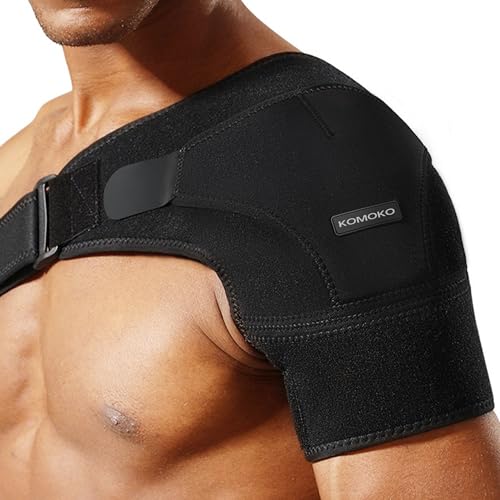
Komoko Shoulder Brace, Rotator Cuff Support Brace and Arm Sling for Pain Relief, Shoulder Compression Sleeve for Preventing Strains and Dislocation, Adjustable Fits Left and Right Arm, Men & Women
- Supports Shoulder Recovery: Accelerates rehabilitation and stabilizes shoulder
- Durable Construction: Made from abrasion-resistant neoprene with strong stitching
- Enhances Athletic Performance: Improves mobility and flexibility for sports
As an affiliate, we earn on qualifying purchases.
As an affiliate, we earn on qualifying purchases.
Frequently Asked Questions
Can Shoulder Impingement Resolve Without Treatment?
Yes, shoulder impingement can resolve without treatment through natural healing, but it often takes time. You can support this process with conservative management, like rest, ice, and gentle stretching. However, ignoring symptoms might worsen your condition. It’s best to consult a healthcare professional to develop a tailored plan, ensuring proper healing and preventing future issues. While some cases improve naturally, proper care accelerates recovery and reduces risks.
Is Surgery Always Necessary for Shoulder Impingement?
Think of shoulder impingement as a storm that may pass with gentle breezes or require a thunderstorm intervention. Surgery isn’t always necessary; many find relief through conservative options like physical therapy, rest, and anti-inflammatory medications. Surgical interventions are typically reserved for persistent or severe cases. You should explore these options first, as many shoulder impingements improve without the need for invasive procedures.
Do Age and Activity Level Determine Impingement Risk?
Age factors and activity influence your impingement risk, but they don’t solely determine it. Younger active individuals might experience impingement due to repetitive overhead movements, while older adults may develop it from degenerative changes. Your specific activities and overall shoulder health play significant roles. Staying mindful of proper technique and maintaining shoulder strength can help reduce your risk, regardless of age or activity level.
Are Specific Sports More Prone to Shoulder Impingement?
Think of sports as different terrains for your shoulder to travel. Sports risks vary, and some, like baseball, swimming, or tennis, put more strain on your shoulder due to repetitive overhead motions, increasing impingement chances. Athletic differences matter too—those who train intensely or lack proper technique are more prone. So, while certain sports heighten the risk, your individual approach and injury prevention strategies can make a big difference.
Can Stretching Alone Fix Shoulder Impingement?
Stretching alone typically won’t fix shoulder impingement because muscle flexibility isn’t the only factor involved. While stretching can improve flexibility, its effectiveness depends on addressing underlying issues like muscle imbalances, improper movement patterns, or inflammation. You need an all-encompassing approach that includes strengthening exercises and proper therapy, not just stretching. Relying solely on stretching might temporarily ease tightness but won’t resolve the root cause of shoulder impingement.

Figure 8 Resistance Bands Set: for Shoulder Rehabilitation Exercises
- Calibrated Resistance Levels: Three color-coded tension tiers
- Precise Therapeutic Tension: Lab-calibrated to ±0.5LB
- Suitable for Post-Op Recovery: Designed for injury and shoulder rehab
As an affiliate, we earn on qualifying purchases.
As an affiliate, we earn on qualifying purchases.
Conclusion
Now that you know the truths behind shoulder impingement myths, don’t assume you’ve got all the answers. There’s still so much about your shoulder’s pain that might surprise you. Could the next piece of advice change everything? Stay curious, stay vigilant, and keep questioning what you think you know. Because the real solution might be closer than you realize — but only if you’re willing to look beyond the myths. Are you ready to uncover the truth?
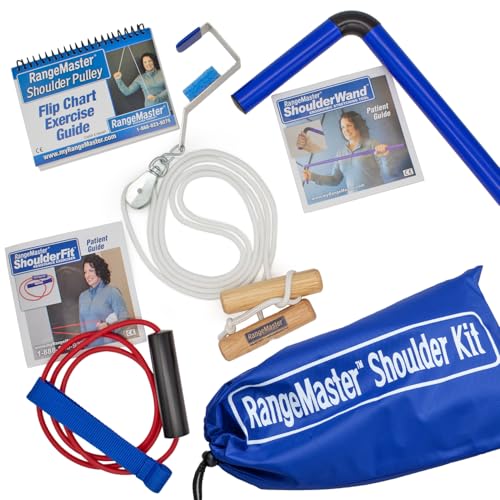
RangeMaster All in one Shoulder Strengthening and Home Recovery Basic Kit │ Surgery Recovery │ Frozen Shoulder Recovery │Guided Shoulder Recovery
- All-in-One Recovery Kit: Includes pulley, wand, resistance exerciser, guide, and bag
- Durable Shoulder Pulley: Zinc-coated metal housing with smooth nylon roller
- Collapsible Shoulder Wand: 38-inch ergonomic stretching tool for shoulder mobility
As an affiliate, we earn on qualifying purchases.
As an affiliate, we earn on qualifying purchases.

TriggerPoint Grid 1.0 Foam Roller – 13" Multi-Density Massage Roller for Deep Tissue & Muscle Recovery – Relieves Tight, Sore Muscles & Kinks, Improves Mobility & Circulation – Targets Key Body Parts
- Enhances Muscle Recovery: Promotes tissue aeration and blood flow
- Comfortable Foam Construction: Designed for sore muscles and soft tissue
- Customizable Massage Feel: Varied ridges mimic therapist's hands
As an affiliate, we earn on qualifying purchases.
As an affiliate, we earn on qualifying purchases.