

You can only reliably control discipline, not motivation, which tends to fluctuate based on external feelings and can fade when you need consistency most. Motivation sparks initial energy but isn’t enough for long-term progress. Discipline, supported by emotional awareness and habit formation, creates steady routines that become automatic. Building this control helps you stay on track despite mood swings or setbacks. If you want to discover how discipline truly drives success, keep exploring what’s possible beyond fleeting feelings.
Key Takeaways
- Discipline is within your control and can be cultivated, unlike motivation which depends on fluctuating external feelings.
- Discipline involves establishing habits that become automatic, providing consistent progress regardless of motivation levels.
- Motivation is temporary and unreliable for long-term goals; discipline offers a steady foundation for sustained effort.
- Emotional intelligence enhances discipline by helping manage emotions and setbacks strategically.
- Focusing on developing discipline ensures consistent achievement, making it the more controllable and dependable factor.

Have you ever wondered whether discipline or motivation is more effective for achieving your goals? The truth is, motivation can be fleeting. One day, you feel inspired and ready to conquer the world; the next, that energy might fade, leaving you stuck or discouraged. That’s where discipline comes into play. Unlike motivation, which hinges on external feelings, discipline is something you can cultivate and control. It’s the steady engine behind habit formation, helping you create lasting change even when enthusiasm wanes. When you develop discipline, you set routines that become automatic, reducing the reliance on that unpredictable burst of motivation. Over time, these habits become ingrained, making progress feel natural rather than forced. Interestingly, tools like electric bikes demonstrate how consistent effort and strategic choices can lead to impressive performance, even without relying solely on raw motivation.
But building discipline isn’t just about willpower; emotional intelligence plays a vital role. When you understand and manage your emotions, you can navigate setbacks and frustrations more effectively. For instance, if you’re feeling overwhelmed or impatient, emotional intelligence helps you pause, analyze your feelings, and respond thoughtfully rather than react impulsively. This self-awareness strengthens your ability to stick with your routines, even during tough times. It allows you to recognize the patterns that derail you and adjust your approach accordingly. As you learn to regulate your emotions, discipline becomes less about brute force and more about strategic consistency. You start to see setbacks as learning opportunities rather than failures, which keeps you motivated in a different, more sustainable way.
Furthermore, emotional intelligence enhances your capacity to form habits that align with your long-term goals. When you’re aware of your emotional triggers, you can design routines that minimize their impact. For example, if stress tends to make you skip workouts, recognizing that emotion allows you to develop coping strategies — maybe meditation or journaling — that support your habit rather than sabotage it. This awareness makes your discipline more resilient, enabling you to maintain progress through emotional ups and downs. Over time, these small, purposeful adjustments deepen your habit formation, reinforcing your ability to stay consistent without relying solely on motivation. And because emotional intelligence fosters self-compassion, you’re less likely to give up after setbacks, which is essential for sustained success.
In essence, discipline rooted in emotional intelligence creates a stable foundation for achievement. While motivation can spark initial enthusiasm, it’s discipline—shaped by self-awareness and emotional regulation—that keeps you moving forward. By focusing on cultivating discipline, you gain a powerful tool you can control, making your goals more attainable regardless of how motivated you feel in the moment.

Daily Habit Tracker: Habit Tracking Notebook | One Month to a Page | Small
As an affiliate, we earn on qualifying purchases.
As an affiliate, we earn on qualifying purchases.
Frequently Asked Questions
Can Motivation Be Permanently Lost or Regained?
Motivation can fluctuate, but it’s not permanently lost or regained. You experience ups and downs, but maintaining discipline consistency helps you stay on track even when motivation dips. When you rely on discipline, you create habits that keep you moving forward regardless of motivation levels. So, while your motivation may ebb and flow, your ability to stay disciplined guarantees you keep progressing toward your goals.
How Do I Stay Disciplined During Setbacks?
When setbacks happen, stay disciplined by relying on your habits and accountability partners. Reinforce your habit formation by sticking to small, consistent actions, even when motivation dips. Connect with accountability partners who motivate and hold you responsible, making it easier to stay on track. Remember, discipline isn’t about perfection but persistence. Keep pushing forward, learn from setbacks, and use your routines to maintain steady progress.
Is Discipline More Effective Than Motivation Long-Term?
Discipline is like a sturdy bridge that supports your long-term success, unlike fleeting motivation. It’s more effective for lasting change because it’s rooted in habit formation and consistent effort. When you set clear goals, discipline helps you stick to routines even when motivation wanes. Over time, discipline becomes second nature, making your progress steady and reliable, whereas motivation can ebb and flow unpredictably.
Can Discipline Develop Without Motivation?
Yes, discipline can develop without motivation. When you focus on habit formation and strengthen your self-control, discipline becomes automatic over time. Consistently practicing small, achievable actions helps you build routines, making discipline less reliant on fleeting motivation. By establishing these habits, you create a foundation of self-control that sustains your progress even when motivation wanes. This process makes discipline a steady, controllable part of your life.
What Role Does Environment Play in Discipline and Motivation?
Your environment plays a pivotal role in shaping discipline and motivation by providing strong habit formation cues. When you create surroundings that support your goals, like having workout clothes ready or a dedicated workspace, it becomes easier to stay disciplined. Environmental cues trigger automatic behaviors, reducing reliance on motivation. By optimizing your environment, you set yourself up for consistent habits, making discipline more sustainable and less dependent on fluctuating motivation levels.
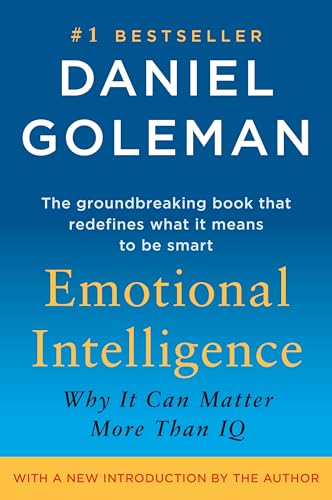
Emotional Intelligence: Why It Can Matter More Than IQ
As an affiliate, we earn on qualifying purchases.
As an affiliate, we earn on qualifying purchases.
Conclusion
Remember, discipline is within your control, even when motivation wanes. Studies show that 92% of top performers rely on disciplined habits rather than fleeting motivation. So, instead of waiting for motivation to strike, focus on building discipline—it’s the steady force that keeps you moving forward. When challenges come, your discipline will carry you through, proving that consistency beats temporary sparks of desire every time. Take charge today; your future self will thank you.

ADHD Daily Planner for Neurodivergent Adults – Productivity Daily Planner & Task Management to Stay Organized and Focused (Rainbow)
- ADHD Friendly Design: Structured planner for neurodivergent adults
- Task Prioritization: Guided prompts to identify top tasks
- Brain Dump Space: Dedicated area for capturing thoughts and ideas
As an affiliate, we earn on qualifying purchases.
As an affiliate, we earn on qualifying purchases.

YeeBeny Breathing lamp Guided 3 Color 478s Meditation for Stress Relief
- Breathing Lamp Function: Reduces stress and promotes relaxation
- High-Quality Silicone: Soft surface with elegant white design
- Ideal Gift Choice: Perfect for family and friends
As an affiliate, we earn on qualifying purchases.
As an affiliate, we earn on qualifying purchases.