The hip hinge is a crucial movement pattern that helps protect your lower back by teaching you to bend at the hips with a straight spine and engaged core. It’s essential for lifting safely, improving posture, and building strength. Learning proper technique involves hinging from your hips, avoiding rounded backs or excessive knee bending. Mastering this pattern boosts confidence and reduces injury risk—keep going, and you’ll discover how to integrate it into your workouts and daily life effortlessly.
Key Takeaways
- The hip hinge teaches proper hip movement, reducing strain on the lower back during lifting and bending.
- Maintaining a neutral spine and engaged core is essential to protect your lower back when performing the pattern.
- Correct hip hinge technique involves pushing hips back while keeping the back straight, not bending from the waist.
- Regular practice of hip hinge movements builds strength and confidence, preventing injuries and improving posture.
- Applying the hip hinge in daily tasks ensures safe lifting, reduces lower back pain, and enhances overall functional movement.

ERGOLIFE Hip Abductor Machine for Home Gym, Adjustable 6 Levels Resistance Inner Thigh Exercise Equipment, Glute Training Machine for Women/Sedentary/Postpartum Recovery
6 levels of resistance from light to strong (20/40/60/80/>80lbs): The ERGOLIFE home hip abductor machine has 6 levels…
As an affiliate, we earn on qualifying purchases.
As an affiliate, we earn on qualifying purchases.
What Is the Hip Hinge and Why It’s Crucial for Your Back
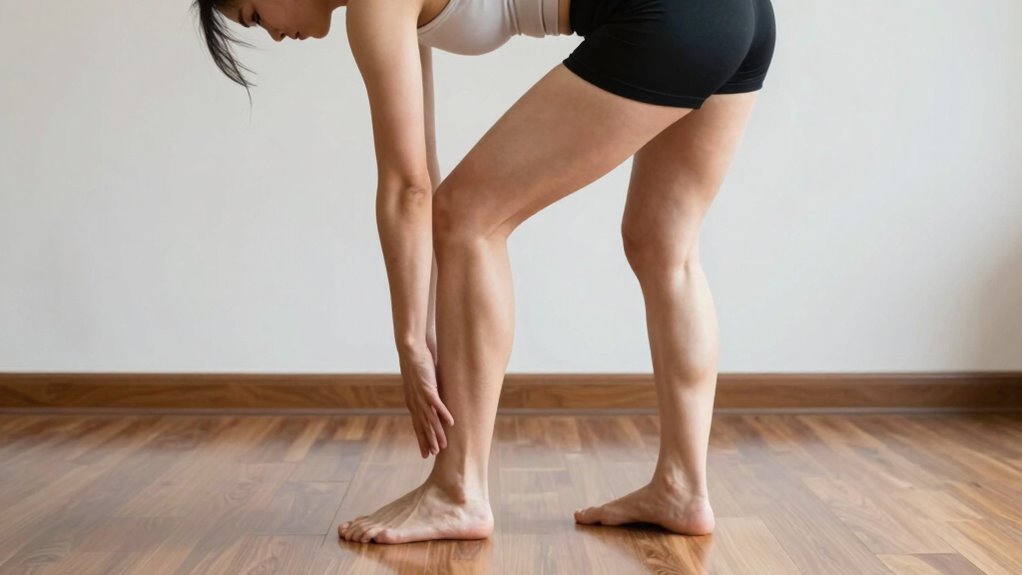
The hip hinge is a fundamental movement pattern that involves bending at the hips while keeping your back straight and your core engaged. This movement is essential for maintaining proper spinal alignment, preventing unnecessary strain on your lower back. When you perform the hip hinge correctly, your core stability supports your spine, reducing the risk of injury during lifting or bending activities. It teaches you to move from your hips rather than your lower back, promoting safer and more efficient movement. Developing a strong hip hinge also improves posture and functional strength, making daily tasks easier. Proper technique in performing the hip hinge maximizes its benefits and minimizes injury risk. By mastering this pattern, you protect your back and build a foundation for more advanced lifts and exercises. It’s a simple, yet crucial, skill for long-term back health.

FEATOL Back Brace Support Belt-Lumbar Support Back Brace for Back Pain, Sciatica, Scoliosis, Herniated Disc Adjustable Support Straps-Lower Back Brace with Removable Lumbar Pad for Men & Women
[CHOOSE YOUR SIZE] – Pay attention to measure your waist at the level of your navel, not your…
As an affiliate, we earn on qualifying purchases.
As an affiliate, we earn on qualifying purchases.
How to Perform the Hip Hinge Correctly: Step-by-Step

To perform the hip hinge correctly, start by standing with your feet shoulder-width apart and toes pointed slightly outward. Keep a slight bend in your knees and engage your core for stability. Hinge at your hips by pushing them back, not down, maintaining a straight back to guarantee hip hinge safety. Focus on feeling the stretch in your hamstrings, which helps improve hip hinge flexibility. As you move, keep your chest lifted and shoulders back, avoiding rounding your spine. Lower your torso until you feel a gentle stretch but stop before your lower back rounds. To come back up, drive through your hips, squeezing your glutes. This controlled movement promotes proper hip hinge technique, reducing injury risk and increasing effectiveness. Proper form also benefits kitchen knife safety, ensuring you move confidently and securely while handling sharp tools.

ProsourceFit Core Balance Disc Trainer, 14" Diameter with Pump for Fitness, Balance Training, or Seating; Wobble Board for Core Stability; Flexible Floor Cushions for Kids, Gray
IMPROVE CORE STRENGTH & BALANCE – Strengthens and engages multiple core muscles at once to maintain balance during…
As an affiliate, we earn on qualifying purchases.
As an affiliate, we earn on qualifying purchases.
Common Mistakes and How to Fix Them

Many people struggle with common mistakes during the hip hinge that can compromise safety and effectiveness. One common mistake is rounding your back instead of maintaining a neutral spine, which puts strain on your lower back. To fix this, focus on engaging your core and keeping your chest lifted. Another error is bending too much from the knees, turning the movement into a squat rather than a hinge. Correct this by pushing your hips back and maintaining a slight bend in your knees. Some also lean forward excessively, losing the hip-dominant pattern. To fix this, practice hinging from your hips rather than your waist. Paying attention to your form and making these adjustments will help you perform the hip hinge safely and effectively. Using proper airless paint spraying techniques can also reinforce good body mechanics during prep and cleanup.
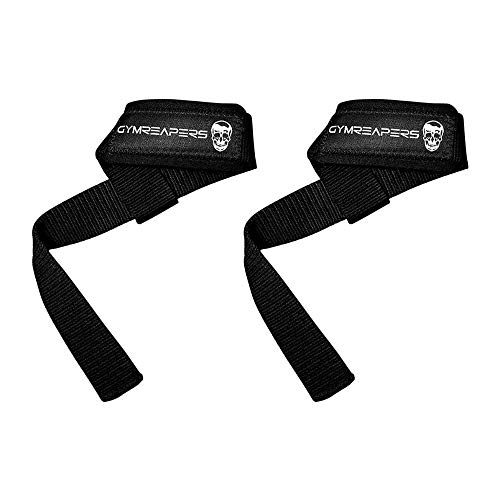
Gymreapers Lifting Wrist Straps for Weightlifting, Bodybuilding, Powerlifting, Strength Training, & Deadlifts – Padded Neoprene with 18" Cotton (Black)
𝗚𝗬𝗠𝗥𝗘𝗔𝗣𝗘𝗥𝗦 𝗟𝗜𝗙𝗧𝗜𝗡𝗚 𝗦𝗧𝗥𝗔𝗣𝗦 – Built for lifters who refuse to let grip fatigue limit performance. These classic cotton…
As an affiliate, we earn on qualifying purchases.
As an affiliate, we earn on qualifying purchases.
Hip Hinge Progressions to Build Strength and Confidence

Building strength and confidence in the hip hinge starts with mastering foundational progressions that gradually increase in complexity and load. Begin with bodyweight exercises like hip hinge drills to perfect form before adding resistance. Once comfortable, incorporate kettlebell swings to develop explosive hip extension and coordination. Progress to deadlift techniques with light weights, focusing on maintaining a neutral spine and hip hinge mechanics. As your control improves, increase the load gradually to build strength without sacrificing form. These progressions help you develop muscle memory and confidence, reducing injury risk. Remember, consistency is key. Focus on proper technique at each stage, and don’t rush the process. With patience and practice, you’ll master the hip hinge and release its full benefits for your strength and back health. Incorporating movement pattern mastery early on ensures a safer and more effective progression.
How to Use the Hip Hinge in Your Workouts and Daily Life

Incorporating the hip hinge into your workouts and daily routines can substantially improve movement efficiency and reduce injury risk. Use it to lift objects safely at work or while doing household chores, emphasizing proper posture correction. Practice maintaining a neutral spine, engaging your hips, and avoiding excessive bending from the waist. Incorporate ergonomic habits by setting up your workspace to promote good posture, and use the hip hinge to pick up heavy items instead of bending over. In your workouts, integrate the hip hinge into deadlifts or kettlebell swings to build strength and reinforce proper movement patterns. Over time, consistent use of this pattern will enhance your overall functional movement, minimize lower back strain, and help you maintain better posture throughout the day. Adopting ergonomic habits can further support spinal health and improve daily comfort.
Frequently Asked Questions
How Long Does It Take to Master the Hip Hinge?
It usually takes a few weeks of consistent hip hinge progress to master the technique. You’ll notice improvement as you focus on proper form, engaging your hips and glutes correctly. Everyone’s different, but with regular practice, you’ll develop muscle memory and control. Keep practicing intentionally, and you’ll find mastering the hip hinge becomes second nature, helping protect your lower back and improve your overall movement.
Can the Hip Hinge Prevent Lower Back Injuries Long-Term?
Think of your lower back as a fortress, with the hip hinge as its sturdy gate. Yes, it can prevent long-term injuries when you focus on core stability and muscle activation. By mastering proper form, you guarantee your muscles work together, supporting your spine and reducing strain. Over time, this active engagement acts like a shield, safeguarding your back against injury and helping you move confidently and safely.
Is the Hip Hinge Suitable for All Fitness Levels?
Yes, the hip hinge suits most fitness levels, but you should consider age and mobility. If you’re younger or have good mobility, you can safely incorporate it into your routine with proper form. However, if you have limited mobility or joint issues, modify the movement or consult a professional. Always listen to your body, progress gradually, and focus on technique to prevent injury and maximize benefits.
What Equipment Is Necessary to Practice the Hip Hinge?
You only need minimal equipment essentials to practice the hip hinge safely. A sturdy, flat surface like a bench or box helps you master proper form, and a light barbell or dumbbell can add resistance when you’re ready. Always prioritize safety precautions by starting with light weights and focusing on correct technique. As you progress, gradually increase weight, but never compromise form to prevent injury.
How Often Should I Incorporate Hip Hinge Drills Into My Routine?
You should incorporate hip hinge drills into your routine 2 to 3 times a week, following typical frequency guidelines. Start with adaptive modifications if you’re a beginner or recovering from an injury, gradually increasing intensity and volume. Consistency is key to mastering the pattern and preventing lower back issues. Pay attention to your body’s response, and adjust your training frequency as you improve and become more comfortable with the movement.
Conclusion
Mastering the hip hinge is like planting a sturdy foundation for a house—you build strength where it counts. I once watched a client improve her back health dramatically after just a few weeks of practicing it daily. Remember, small consistent steps create lasting change. So, focus on perfecting your form, and over time, you’ll find yourself lifting, bending, and moving with newfound confidence and ease—your back will thank you for it.