To prevent rounding during your deadlift, start with a quick 60-second setup focusing on proper foot and hand placement—hip-width apart with slightly outward toes, grip just outside the legs, and keep your chest up. Engage your core fully by taking a deep breath and squeezing your abs, maintaining a flat back and neutral spine. Consistently practicing this routine builds muscle memory and confidence, helping you lift safely. Keep going to discover how perfecting your setup can boost your confidence and strength.
Key Takeaways
- Double-check grip and foot placement to establish a solid, balanced foundation before lifting.
- Engage core muscles by taking a deep breath and tightening the abdomen to support the spine.
- Perform a hip hinge, position hips correctly, and keep chest up with shoulders back for proper alignment.
- Maintain a flat back and neutral spine throughout the setup to prevent rounding during the lift.
- Use proper breathing, keep shoes flat and stable, and regularly review setup to reinforce proper technique.

PULLUP & DIP Neoprene Grip Pads Lifting Grips, The Alternative to Gym Workout Gloves, Lifting Pads for Weightlifting, Calisthenics & Powerlifting, No More Sweaty Gym Gloves
✅ PERFECT GRIP – Increased grip during training for exercises such as pull-ups, rows or other pull-exercises. Suitable…
As an affiliate, we earn on qualifying purchases.
As an affiliate, we earn on qualifying purchases.
Why a Proper Deadlift Setup Is Key to Safety and Performance
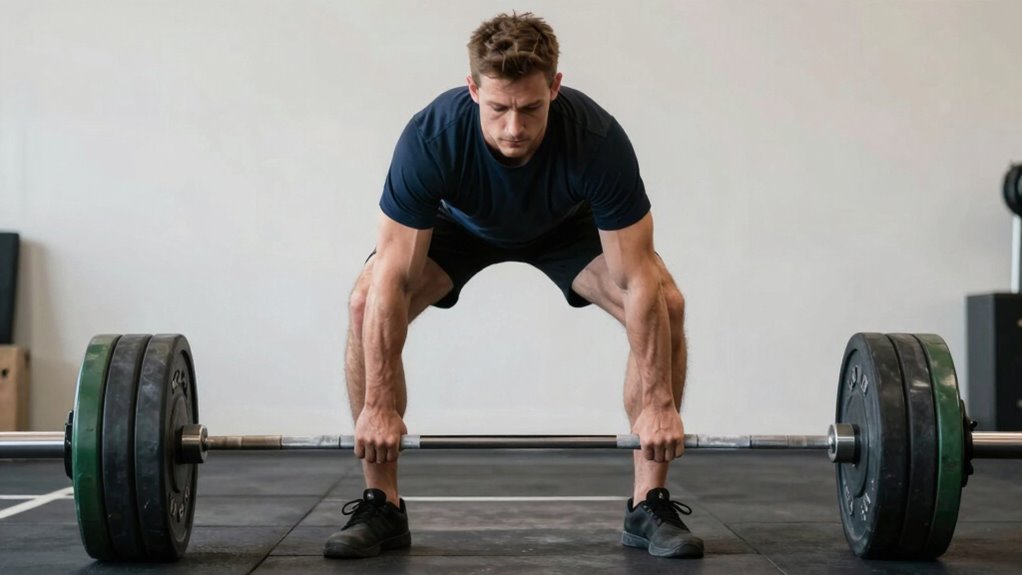
A proper deadlift setup is essential because it directly affects both your safety and your ability to lift effectively. Your breathing techniques play a crucial role; taking a deep breath and bracing your core before lifting helps stabilize your spine and generate maximum power. Equally important are footwear choices—wearing flat, stable shoes provides a solid foundation, preventing your feet from shifting and maintaining balance. Proper setup ensures your body is positioned correctly, reducing the risk of injury from rounding or improper alignment. When you focus on your breathing and choose appropriate footwear, you create a strong, secure base for every lift. This not only enhances performance but also keeps you safe, allowing you to lift heavier with confidence.

relxfeet Men's Minimalist Barefoot Shoes Wide Toe Zero Drop Sole Cross-Trainer Lightweight Slip-on Walking Shoes Trail Running Sneakers Fitness Gym Jogging Wrestling Hiking Lifting Army Green 10.5
WIDE TOE BOX–Compared to the toe of traditional running shoes, relxfeet barefoot shoes have a wider toe design….
As an affiliate, we earn on qualifying purchases.
As an affiliate, we earn on qualifying purchases.
What Makes a Strong, Flat Back Before You Deadlift?

What exactly creates a strong, flat back before you deadlift? It all comes down to proper back positioning and core engagement. To achieve this, focus on these key points:
- Engage your core muscles fully, tightening your abdominal and lower back muscles to support spinal stability.
- Maintain a neutral spine by aligning your head, shoulders, and hips, avoiding rounding or hyperextension.
- Keep your back flat by actively pulling your shoulder blades back and down, creating a stable, strong position.
- Incorporate awareness of posture correction techniques to ensure consistent back alignment during your lift.
These steps ensure your back remains flat and strong, reducing injury risk and optimizing power. Proper back positioning combined with core engagement forms the foundation of an effective deadlift setup.

Terra Core Balance Trainer – Inflatable Home Gym Fitness Platform for Core, Strength, Balance, HIIT and Conditioning, Full Body Functional Training Tool for Stability and Cardio Workouts at Home
4X MUSCLE ACTIVATION – Scientifically designed to engage up to four times more muscle groups than exercises performed…
As an affiliate, we earn on qualifying purchases.
As an affiliate, we earn on qualifying purchases.
How to Quickly Set Up Your Deadlift in 60 Seconds
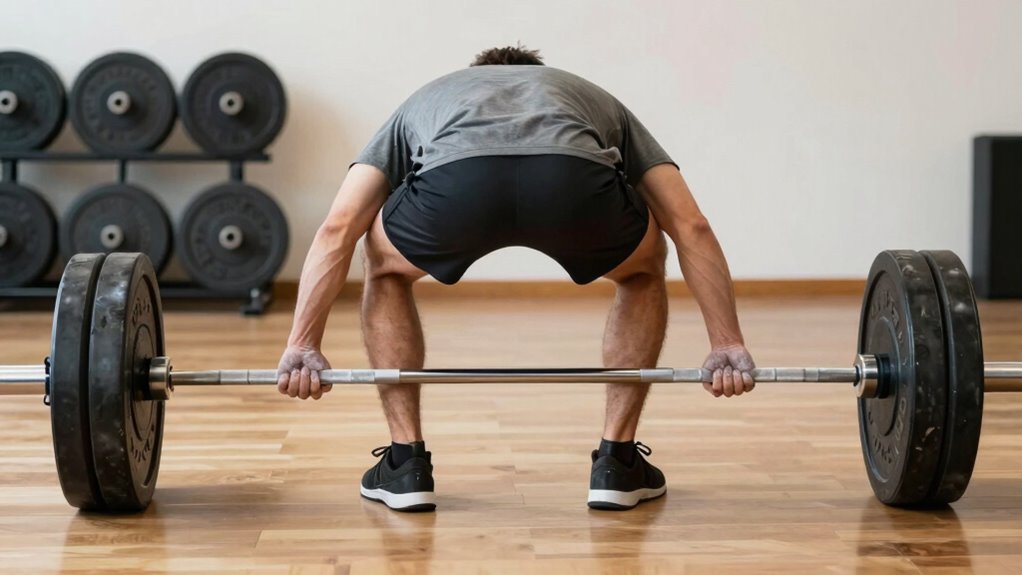
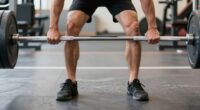
With a focused and efficient approach, you can set up your deadlift in just 60 seconds by following a streamlined sequence. Start by performing a quick hip hinge to position your hips correctly and guarantee your back remains flat. Next, step up to the bar with your feet hip-width apart, aligning your grip width so your arms hang naturally. Grip the bar firmly, just outside your legs, maintaining a strong, even hold. Keep your chest up and shoulders back as you pull your hips back slightly, ready to lift. Avoid wasting time adjusting your stance or grip; instead, trust your setup and focus on proper alignment. This quick routine assures you’re prepared to lift safely and effectively, preventing rounding and maximizing strength. Remember, understanding the fundamentals—ergonomics, posture, and setup—are crucial for safe and effective lifting.
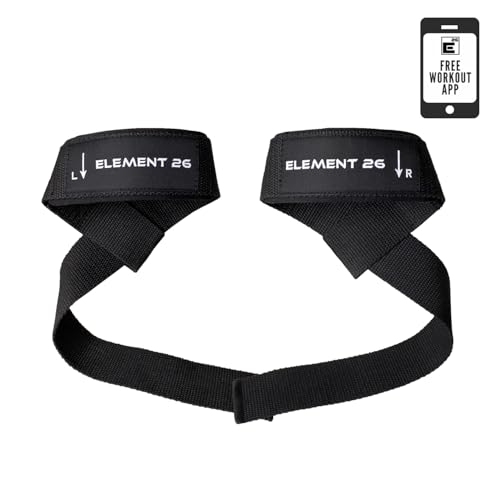
Element 26 Lifting Straps (Pair) With Guide – Wrist Straps For Weightlifting, Bodybuilding, Powerlifting, Strength Training, & Deadlift Support – Gym Straps For Men And Women
BUILT TO LAST – Made from 100% heavy-duty cotton, these lasso lifting straps are tightly woven for maximum…
As an affiliate, we earn on qualifying purchases.
As an affiliate, we earn on qualifying purchases.
How to Engage Your Core for Better Deadlift Stability
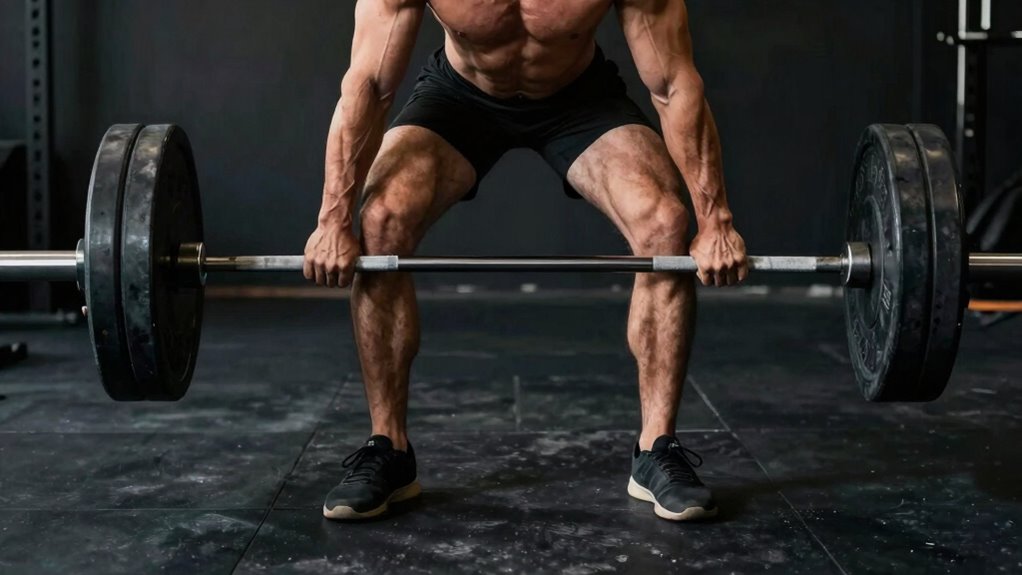
Engaging your core is essential for maintaining stability and preventing injury during the deadlift. To do this effectively, focus on core activation through a solid abdominal brace. Follow these steps:
Engage your core with a solid abdominal brace to ensure stability and safety during deadlifts.
- Take a deep breath and fill your belly with air, creating intra-abdominal pressure.
- Squeeze your abdominal muscles as if preparing for a gentle punch, maintaining the tension.
- Keep this abdominal brace throughout the lift, ensuring your core stays tight and engaged.
- Incorporate core stabilization exercises into your training routine to enhance overall strength and support during lifts.
This process stabilizes your spine and improves deadlift stability, helping you lift safely and efficiently. Remember, a strong core isn’t just about strength—it’s about maintaining tension and control. Consistently practicing core activation will enhance your deadlift performance and reduce the risk of rounding or injury.
How to Place Your Hands and Feet Correctly for a Safe Lift
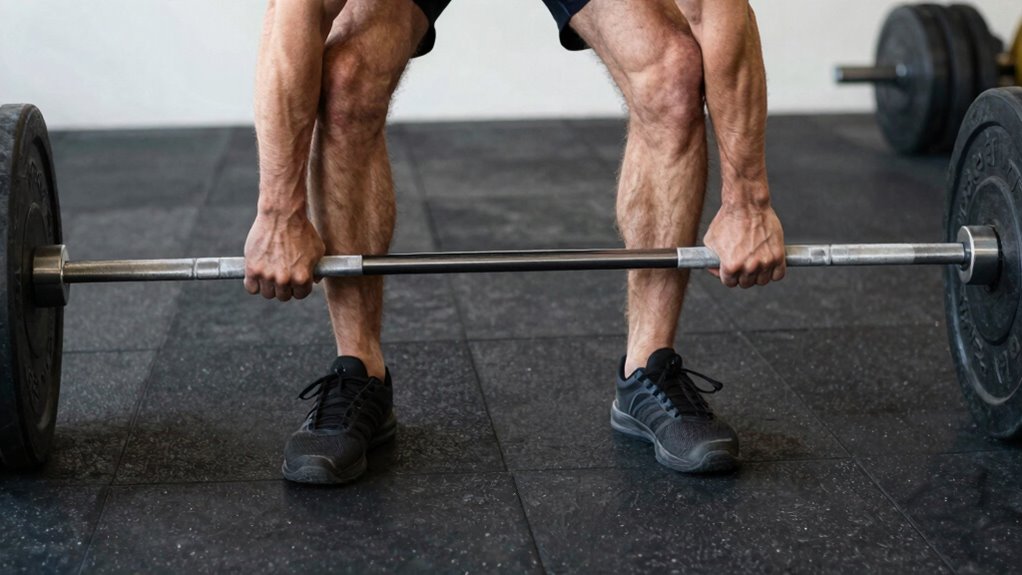
To lift safely, you need to set your hands and feet correctly. Focus on using a proper grip technique and placing your feet shoulder-width apart for stability. Keep your spine aligned throughout to avoid injury and make certain a powerful lift. Incorporating connected fitness technology can help track your form and ensure proper positioning during each lift.
Proper Hand Grip Technique
Your hand placement is essential for a safe and effective deadlift. Proper grip technique ensures grip strength and steady hand positioning. To optimize your grip:
- Use a double overhand grip initially, keeping hands shoulder-width apart for balance.
- For heavier lifts, switch to a mixed grip—one palm facing you, the other away—to enhance grip strength.
- Keep your hands close to your legs, maintaining a firm but relaxed grip to prevent unnecessary tension.
- Incorporate balance exercises into your routine to improve overall stability and control during lifts.
Focus on hand positioning that allows you to grip the bar tightly without overextending your arms. A secure grip reduces the risk of slipping and helps maintain proper form throughout the lift. Consistently practicing these techniques ensures a safer, more efficient deadlift.
Optimal Foot Placement
Proper foot placement is essential for maintaining balance and ensuring a safe, efficient deadlift. Your foot positioning influences stability and power transfer during the lift. Start by choosing a stance width that feels comfortable and allows you to maintain control. Typically, your feet should be about shoulder-width apart, but this can vary based on flexibility and body proportions. Your toes should point slightly outward, around 10 to 15 degrees, to optimize movement and reduce strain. Make certain your stance remains consistent throughout each set to develop muscle memory and prevent injury. Remember, a solid stance provides a stable foundation, helping you keep your weight centered and your body aligned. Proper foot placement is a simple but critical step toward a safe, effective deadlift.
Maintaining Spinal Alignment
Placing your hands and feet correctly helps you keep your spine in a safe, neutral position during the lift. To maintain spinal alignment, focus on posture awareness and spinal flexibility. First, grip the bar with your hands shoulder-width apart to avoid uneven pulling. Second, position your feet hip-width apart, with toes slightly pointed outward for stability. Third, engage your core and keep your chest up, ensuring your back stays flat throughout the lift. These steps help prevent rounding and keep your spine aligned. Remember, maintaining spinal flexibility allows you to adapt your posture as needed without sacrificing safety. Proper technique is essential for both safety and effective strength development. By paying close attention to hand and foot placement, you enhance your deadlift form, reducing injury risk and promoting strength development.
Common Deadlift Setup Mistakes: and How to Fix Them

Many lifters make common mistakes during their deadlift setup that can hinder performance and increase injury risk. One frequent error is choosing an improper grip width; a grip that’s too wide or narrow can cause imbalance and strain. Adjust your grip so that your hands are just outside your knees, providing stability without overextending your arms. Additionally, foot positioning matters—placing your feet too close or too far apart affects leverage and balance. Aim for a stance where your shins are nearly vertical at the start, with toes pointed slightly outward. Correcting these issues ensures better control and power transfer during the lift. Always double-check your grip and foot placement before pulling to set a solid foundation and prevent rounding or other form breakdowns. Ensuring proper body alignment during setup is essential for maintaining good technique throughout the lift.
Tips to Maintain Proper Deadlift Form During Each Lift
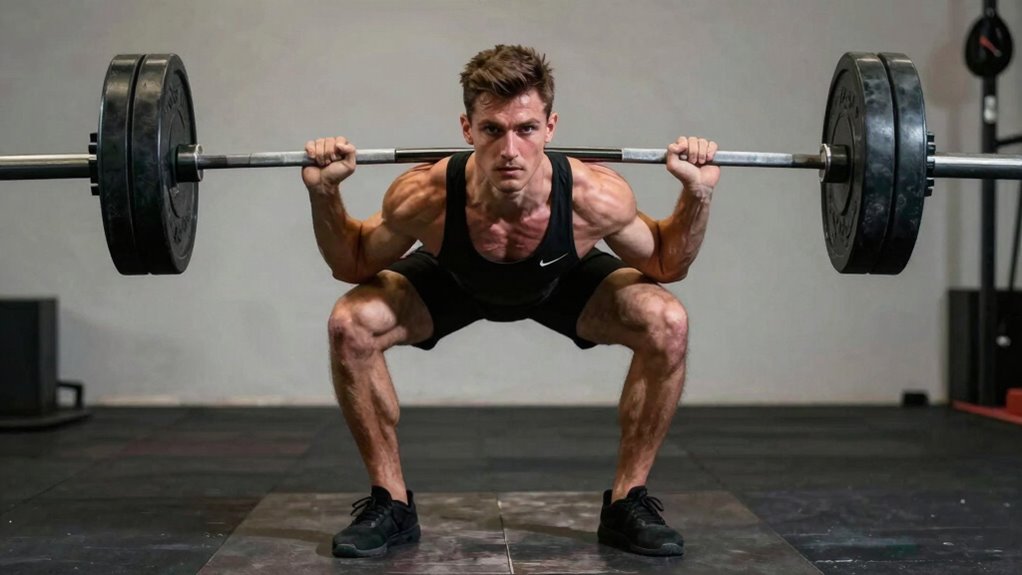
To keep your deadlift form on point throughout each lift, focus on maintaining consistent technique from start to finish. First, use proper breathing techniques—inhale deeply before lifting to brace your core, then exhale slowly as you complete the lift. Second, pay attention to footwear choices; wear flat, stable shoes to ensure a solid, grounded stance. Third, stay mindful of your grip and posture—keep your chest up, shoulders back, and core tight. Regularly check your setup, especially your foot placement and bar path, to prevent rounding. Incorporating technique reinforcement during your training can further help maintain proper form under load. By integrating these tips, you’ll maintain proper form, reduce injury risk, and lift more effectively. Consistency in your approach helps build strength and confidence with every deadlift.
The Benefits of Consistent Deadlift Setup Practice Over Time

Practicing your deadlift setup consistently helps you develop better technique and move with more confidence. Over time, this reduces your risk of injury and keeps you lifting safely. Plus, it supports steady strength gains as your form becomes more reliable. Incorporating work-life harmony strategies can also help maintain your motivation and prevent burnout during training routines.
Improved Technique Consistency
Consistently practicing your deadlift setup helps your muscle memory improve, making your technique more reliable over time. With regular practice, you’ll notice greater consistency in your form, reducing errors like rounding. To enhance this, focus on:
- Mastering breathing techniques to maintain core stability during each lift.
- Incorporating warm-up routines that prepare your muscles and reinforce proper positioning.
- Repeating your setup routine precisely every time to build ingrained habits.
- Tracking your progress through performance metrics to identify areas for further improvement.
These steps reinforce proper technique and keep you focused on key cues. Over time, your body automatically adopts the correct posture, reducing variability. This consistency increases confidence and allows you to lift heavier safely, knowing your form is solid. Regular practice is the key to long-term technique mastery.
Increased Injury Prevention
When you develop a habit of precise deadlift setup, you considerably reduce the risk of injury. Consistent practice improves your hip mobility and grip strength, key factors in maintaining proper form. Over time, this reduces strain on your lower back and prevents rounding. Your body becomes more confident in the correct movement pattern, lowering the chance of acute injuries or long-term damage.
| Benefits of Consistent Setup | Emotional Impact |
|---|---|
| Better hip mobility | Feel confident and in control |
| Stronger grip | Trust in your strength |
| Reduced injury risk | Stay motivated to lift longer |
Enhanced Strength Progression
Maintaining a precise deadlift setup over time directly boosts your strength progression by ensuring each lift is performed with ideal form. Consistent practice helps you develop muscle memory, making your lifts more efficient. Focus on incorporating proper breathing techniques to stabilize your core and maximize power. Experiment with grip variations—such as mixed grip or hook grip—to find what enhances control and reduces fatigue. Regularly refining your setup also allows you to:
- Increase lift weight safely by maintaining perfect positioning.
- Improve your ability to activate supporting muscles efficiently.
- Track progress more accurately, adjusting techniques for continued gains.
What to Do If You Still Round Your Back: Troubleshooting Tips
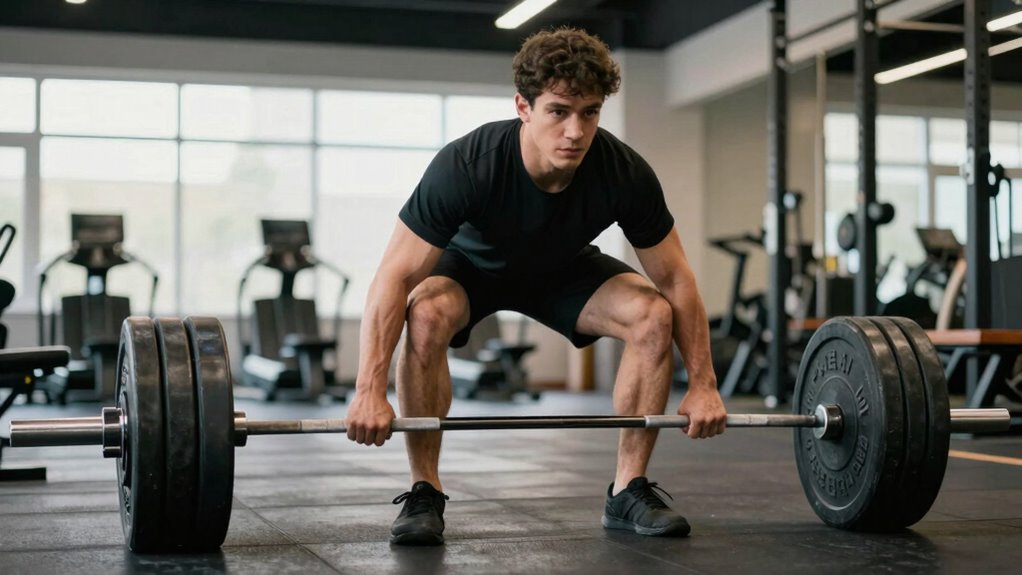
If your back still rounds during deadlifts, it’s a sign that your form isn’t quite right yet. Focus on improving core engagement and flexibility drills to fix this. Strengthening your core helps stabilize your spine, making it easier to maintain a neutral back. Incorporate targeted flexibility drills to loosen tight muscles that may restrict proper positioning.
| Issue | Solution |
|---|---|
| Lack of core engagement | Practice planks and dead bug exercises daily |
| Tight hamstrings or hips | Incorporate dynamic stretching and mobility drills |
| Mindless lifting | Focus on deliberate, controlled movements |
| Fatigue | Rest adequately before lifting heavy |
Stay consistent, listen to your body, and adjust your routine to prevent rounding and lift safely.
Frequently Asked Questions
How Does Proper Deadlift Form Prevent Injuries?
Proper deadlift form prevents injuries by ensuring you maintain core engagement and correct grip positioning throughout the lift. When you keep your core tight, you support your spine, reducing strain. Proper grip positioning helps you control the bar and prevents rounding your back, which can cause injury. Focus on these key elements during your setup, and you’ll lift safely, minimizing the risk of strains or other accidents.
Can Deadlift Setup Routines Vary for Different Lifters?
Yes, your deadlift setup routines can vary based on your individual needs. You should incorporate personalized techniques, adjusting your grip, stance, and back angle to suit your body type. Equipment adjustments, like changing the bar height or using supportive gear, can also enhance your form and safety. Tailoring your routine ensures the best performance and reduces injury risk, making each lift safer and more effective for you.
What Are Signs of Poor Deadlift Setup?
You might notice your grip strength slipping or your hip mobility feeling restricted during the deadlift, signaling a less-than-ideal setup. Poor form often shows as rounding your back, uneven weight distribution, or a shaky start. If your hips feel stiff or your grip weakens, it’s a sign to reevaluate your positioning. Addressing these issues ensures a safer lift and better progress, keeping your technique tight and effective.
How Often Should I Practice My Deadlift Setup?
You should practice your deadlift setup at least 2-3 times a week to build consistency. Focus on equipment adjustments and maintaining mental focus during each session. By regularly practicing, you’ll develop muscle memory, reduce the chance of rounding, and improve your technique. Keep your mind engaged, check your form, and make small adjustments as needed to stay aligned and confident for every lift.
Is It Necessary to Film My Deadlift for Correction?
Think deadlift filming is just for Instagram fame? Think again! It’s your secret weapon for corrective feedback. Watching your lifts helps spot flaws you miss in real-time—like rounding or shaky form. Plus, it’s easier to fix issues when you see them clearly. So, yes, filming your deadlift isn’t vanity; it’s your personal coach in disguise, ready to help you lift smarter and safer every single time.
Conclusion
Mastering your deadlift setup is like laying a strong foundation for a skyscraper—everything depends on it. With just 60 seconds of focused routine, you can prevent rounding and boost your safety and performance. Keep practicing these steps daily, and you’ll find your form becoming second nature. Remember, a solid setup isn’t just a starting point; it’s the springboard to lifting heavier and safer—like building your strength on a sturdy, unshakeable ground.