Adjusting the bench angle changes which chest muscles work hardest. At flat, you target the middle pectorals for overall development. A moderate incline (30-45°) emphasizes the upper chest, engaging the clavicular head more. Steeper inclines focus more on your shoulders, reducing chest activation. Decline presses target the lower chest and outer fibers. For balanced growth, combining these angles is key—keep exploring to find the best approach for your goals.
Key Takeaways
- Flat benches emphasize overall chest development, engaging middle and lower pectoral fibers.
- Incline benches target the upper chest (clavicular head) and anterior deltoids more than flat presses.
- Decline benches focus on the lower chest, emphasizing fibers in that region.
- Steeper inclines (around 60°) shift focus toward the shoulders, reducing chest engagement.
- Dumbbell presses at various angles allow natural grip and greater activation of specific chest fibers.

NICEPEOPLE Adjustable Weight Bench for Home Gym, 660LBS Capacity Workout Bench with 8 Backrests for Chest Shoulders Arms, Compact and Foldable Strength Bench for Small Space Apartment Room
Ideal for Home Gyms: NICEPEOPLE basic weight bench is easy to set up and fully functional, making it…
As an affiliate, we earn on qualifying purchases.
As an affiliate, we earn on qualifying purchases.
How Bench Angles Affect Your Chest Muscles

The angle of the bench plays a crucial role in targeting different areas of your chest muscles. When you change the bench angle, you alter how your muscles engage during various bench press variations. Flat benches emphasize overall chest development, engaging both the middle and lower portions. Slight incline angles increase muscle engagement in the upper chest, while steeper inclines shift focus further upward. This variation allows you to customize your workout to target specific areas more effectively. Adjusting the bench angle influences the range of motion and muscle activation, making your exercises more efficient. By understanding how different angles impact muscle engagement, you can optimize your training and develop a well-rounded, balanced chest. Proper bench angles can enhance muscle activation and lead to better results. Additionally, understanding the muscle activation patterns can help you tailor your workouts for maximum effectiveness. Recognizing how angle variations influence muscle recruitment enables you to create more focused and effective training routines. For example, aligning exercises with specific angles can further improve targeted muscle growth and strength gains.

Adjustable Dumbbell, 20 lb Free Weight Set with Connector, 3-in-1 Dumbbells Set for Dumbbell, Barbell, Weight Plate Training, Home Gym Fitness Equipment for Men and Women
3-in-1 Multifunctional Weight Set: Quickly and easily converts into dumbbells, a barbell, or kettlebell for exercises like curls,…
As an affiliate, we earn on qualifying purchases.
As an affiliate, we earn on qualifying purchases.
Which Bench Angles Target Your Upper Chest?

Adjusting the bench angle can help you focus more on your upper chest muscles. When performing incline presses, your dumbbell positioning plays a key role in maximizing upper chest activation. Keep the dumbbells slightly above your shoulders at the start to target the clavicular head effectively. An incline of about 30 to 45 degrees is ideal; this angle creates a better muscle stretch across the upper chest fibers, stimulating growth. Higher angles, like 60 degrees, shift more focus to the shoulders, so stick to moderate inclines for upper chest emphasis. Remember, maintaining proper form ensures you engage the right muscles and avoid unnecessary strain. By fine-tuning your bench angles and dumbbell positioning, you can optimize upper chest development and create a balanced, powerful look.

GOIMU Chest Press Machine, Z1-PRO Weight Bench Press Machine with Independent Arms, Adjustable Flat Incline Bench Press for Chest, AB Workout Home Gym Equipment (Red Bench Only)
【Perfect for Upper Body Workout】: GOIMU chest press machine features independent arms, which made of high-quality steel, and…
As an affiliate, we earn on qualifying purchases.
As an affiliate, we earn on qualifying purchases.
Flat and Decline Presses for Middle and Lower Chest Development

Flat and decline presses are essential for targeting the middle and lower regions of your chest, helping you build a well-rounded, muscular pectoral area. These variations allow for better muscle isolation, ensuring you engage specific parts of your chest without unnecessary involvement of other muscles. Incorporating both flat and decline presses into your workout variety maximizes muscle development by hitting different angles and fibers. Flat presses emphasize the central chest, while decline presses focus on the lower pecs, creating balanced strength and aesthetics. Using a mix of these angles prevents plateaus and promotes continuous growth. Keep your form strict and control the movement to optimize muscle activation and avoid injury. These exercises are key components of an extensive chest routine. Additionally, understanding muscle activation at different angles can help you tailor your training for more effective results.
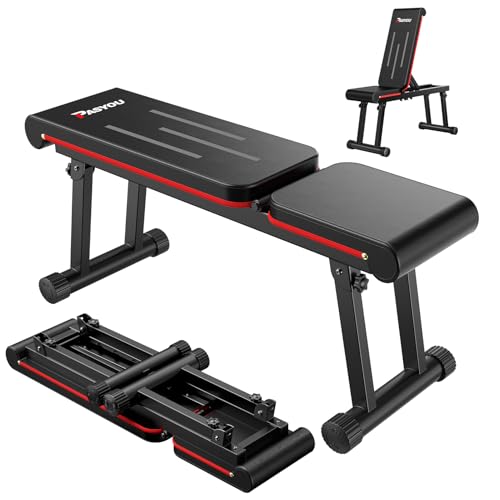
PASYOU Adjustable Flat Weight Bench, Foldable Bench Press for Home Gym, Multi-Angle Incline Workout Bench for Full Body Strength Training with 660LB Capacity, Free-Assembly Dual-Frame
Multiple Training Positions for Full Body Workouts: PASYOU flat weight bench offers 6 backrest angles, allowing you to…
As an affiliate, we earn on qualifying purchases.
As an affiliate, we earn on qualifying purchases.
Which Muscles Are Activated During Incline Bench Presses?

Ever wonder which muscles get activated during incline bench presses? This exercise variation targets more than just your chest; it emphasizes muscle isolation of the upper pectorals. When you perform incline presses, your anterior deltoids and triceps also participate, supporting pressing movement. The angle shifts focus, engaging the upper chest muscles more effectively than flat benches. You’ll notice increased activation in the clavicular head of the pectoralis major, making it a great choice for upper chest development. Incorporating incline presses into your routine allows you to vary exercise angles, ensuring balanced muscle growth. This variation improves overall strength and muscle isolation, preventing plateaus. Remember, different angles recruit different fibers, making incline bench presses essential for extensive upper-body training. Additionally, understanding muscle activation patterns can help optimize your workout efficiency. To maximize benefits, paying attention to exercise form and technique is crucial for targeted muscle engagement. Recognizing the importance of exercise variations can further enhance your training outcomes and prevent adaptation. Exploring training variability helps keep your muscles challenged and promotes continuous progress. Being aware of angle-specific muscle recruitment can guide you in designing a more effective workout routine.
How Decline Bench Presses Focus on the Lower Chest and Supporting Muscles

Decline bench presses shift the focus downward, targeting the lower part of your pectorals more than flat or incline presses. This angle emphasizes the lower chest muscles, helping build a fuller, more defined look. Using dumbbell variations can enhance this effect by allowing natural grip differences and greater range of motion, engaging supporting muscles like the triceps and shoulders more effectively. Your grip choice impacts muscle activation; a narrower grip emphasizes the inner chest, while a wider grip targets the outer muscles. Whether you’re doing barbell or dumbbell declines, focusing on proper form maximizes results. Here’s a breakdown of how different setups influence muscle engagement:
| Variation | Focus Area | Supporting Muscles |
|---|---|---|
| Decline Dumbbell | Lower chest, inner fibers | Triceps, shoulders |
| Flat Bench | Middle chest | Traps, biceps |
| Incline Bench | Upper chest | Shoulders, triceps |
| Decline Grip | Lower chest, outer fibers | Triceps, anterior delts |
Flat, Incline, or Decline: Which Bench Press Is Best for Your Chest?

Your choice of bench angle influences which chest muscles you activate most and how stable you need to stay. Each position targets different areas and affects your range of motion and control. Understanding these differences helps you select the best bench press for your goals. Additionally, adjusting the bench angle can impact the amount of muscle engagement and the difficulty of the exercise. Varying the bench position can also prevent plateaus and promote balanced muscle development. Incorporating proper form is crucial regardless of the incline to maximize benefits and minimize injury risk.
Muscle Activation Differences
Understanding how different bench angles influence muscle activation can help you optimize your chest workouts. Each incline, flat, or decline press targets muscles differently, offering unique benefits. Incline presses emphasize the upper chest and shoulder involvement, promoting muscle isolation for that area. Flat bench presses provide balanced activation across the entire chest, making them versatile for overall development. Decline presses focus more on the lower chest, providing a different stimulus. Incorporating various angles adds workout variation, preventing plateaus and engaging muscles in new ways. This variety ensures you’re hitting your chest from multiple angles, improving strength and aesthetics. By understanding these activation differences, you can tailor your routine to meet specific goals more effectively. bench angles help target different chest regions and maximize muscle engagement.
Chest Focus Variations
Choosing the right bench position depends on which part of your chest you want to emphasize. For upper chest development, incline benches are your best choice; they shift the barbell path to target the clavicular head more effectively. When using dumbbell grip, keep your hands slightly wider to maximize engagement in that area. Flat benches provide a balanced workout, hitting the entire chest evenly, while decline benches focus more on the lower chest. Pay attention to your barbell path: a lower trajectory during decline presses emphasizes the lower fibers, while a steeper incline targets the upper fibers. Adjust your grip width and bench angle based on your goals, ensuring you hit the specific chest area you want to develop most effectively. Incorporating muscle activation techniques into your workout routine can help you maintain consistency and achieve better results over time. Additionally, understanding muscle engagement during each incline can optimize your training effectiveness.
Stability and Range
Selecting the right bench angle considerably impacts stability and the range of motion during your press. A stable setup helps prevent wobbling, allowing you to focus on proper form and muscle engagement. The range of motion varies with bench angles, affecting joint mobility and muscle activation. A flat bench offers maximum stability and a full range of motion, ideal for overall chest development. An incline bench increases joint mobility at the shoulders but reduces stability, targeting the upper chest. Decline benches enhance stability and focus on the lower chest, though the range of motion may be limited. Consider your goals and comfort to choose the best angle for your workout. Additionally, understanding how different bench angles influence muscle engagement can help optimize your training results. Proper bench positioning ensures safety and effectiveness during your lifts. Recognizing the impact of bench angle variations on muscle activation can help you tailor your training for specific muscle groups. Using the correct bench setup can also improve your confidence and consistency during workouts. Incorporating muscle activation techniques can further enhance the effectiveness of each angle for targeted development.
Adjusting Bench Angles to Maximize Muscle Engagement

Adjusting the bench angle can help you target different muscle groups more effectively. By changing the incline or decline, you activate specific muscles and improve focus during your lifts. Experimenting with these angles guarantees you maximize muscle engagement and get the most out of each workout. Incorporating soundproofing techniques can also create a more comfortable workout environment by reducing noise distractions. Additionally, understanding muscle activation patterns can guide you in selecting the optimal bench angles for your training goals. Recognizing how exercise biomechanics change with different angles can further enhance your training effectiveness.
Adjusting Bench Angles for Focus
To maximize muscle engagement during bench presses, you need to fine-tune the bench angle based on your target muscles. Adjusting the bench height and dumbbell angles helps you emphasize specific areas. For example, a higher incline shifts focus to your upper chest and shoulders, while a lower incline targets the middle chest. Experiment with different bench angles to find what best isolates your desired muscles. Keep your feet flat and maintain a stable position to ensure proper form. Remember, small changes in bench height can considerably alter muscle activation, so adjust incrementally. By customizing your setup, you optimize muscle focus and reduce unnecessary strain.
- Use a slightly higher incline for upper chest and shoulder emphasis
- Lower the bench for more middle chest activation
- Adjust dumbbell angles to target specific fibers
- Keep bench height consistent for reliable results
- Fine-tune to match your anatomy and goals
Muscle Activation at Different Inclines
Changing the bench angle directly influences which muscles are activated during your workout. When you adjust the bench positioning, you alter the dumbbell angles, targeting different parts of your chest and shoulders. A flat bench emphasizes overall chest engagement, while a slight incline activates the clavicular head more intensely. As you increase the incline, your anterior deltoids get more involved, reducing chest focus. Conversely, a steeper incline shifts effort away from the chest and toward the shoulders. To maximize muscle engagement, experiment with different bench positioning and dumbbell angles. Small adjustments can help you hit specific muscles more effectively, ensuring balanced development and reducing plateaus. Always pay attention to how your muscles feel at each incline and tweak your setup accordingly.
Common Mistakes When Using Incline and Decline Bench Presses

One common mistake when using incline and decline bench presses is neglecting proper form, which can lead to injury and less effective workouts. Poor form compromises bench safety and hampers muscle engagement. To avoid this, focus on controlled movements, avoid arching your back excessively, and keep your wrists straight. Overlooking these details can cause strain and reduce workout consistency. Additionally, don’t lift too heavy too soon, as it increases risk of injury. Be mindful of your grip width, ensuring it aligns with your shoulder joints. Always warm up properly before lifting. Remember, effective bench presses depend on proper technique and safety measures to maximize gains and prevent setbacks. Paying attention to these common mistakes ensures a safer, more productive workout.
Tips for Incorporating Incline and Decline Presses Into Your Chest Workout

Incorporating incline and decline presses into your chest routine can effectively target different areas of your pectoral muscles, but it’s essential to do so strategically. Vary your exercise options to prevent plateaus and engage muscles from different angles. Use different equipment options like dumbbells, barbells, or machines to add variety and challenge your muscles in new ways. To maximize gains, alternate between incline for upper chest focus and decline for lower chest development. Keep reps controlled and avoid excessive weight that compromises form. Integrate these variations weekly to stimulate growth and avoid adaptation. Remember, consistent execution and proper equipment choices help you target muscles more effectively. Here’s a quick guide to help you plan your workout:
| Exercise Variation | Equipment Options | Focus Area |
|---|---|---|
| Incline Press | Dumbbells, Barbells | Upper Chest |
| Decline Press | Machine, Dumbbells | Lower Chest |
| Flat Bench Press | Barbell, Dumbbells | Overall Chest |
| Flyes | Dumbbells, Cables | Chest Stretch & Focus |
How to Choose the Right Bench Angle for Your Chest Goals

Selecting the right bench angle can considerably influence your chest development by targeting different areas of the pectoral muscles. To optimize your workout, focus on bench ergonomics and equipment selection. A flat bench emphasizes the middle chest, while an incline engages the upper fibers. Decline benches focus on the lower pecs. When choosing an angle, consider your specific goals and comfort. For instance, if you want to develop the upper chest, opt for a moderate incline around 30-45 degrees. For overall chest size, a flat bench works best. Make sure your equipment allows for stable positioning and proper alignment. Adjust the bench gradually to find the most comfortable and effective angle for your body. Remember, the right angle enhances muscle activation and reduces injury risk.
Frequently Asked Questions
How Do Different Bench Angles Impact Shoulder Involvement?
You’ll notice that different bench angles influence shoulder involvement through muscle activation and joint stress. A higher incline increases shoulder muscle activation, especially in the anterior deltoid, while reducing joint stress on the shoulders. Conversely, a flatter bench minimizes shoulder engagement, focusing more on the chest muscles. Adjusting the angle allows you to target specific muscles better and manage joint stress, making your workout more effective and safer.
Can Adjusting Bench Angles Reduce Shoulder Strain?
You can definitely reduce shoulder strain by adjusting your bench angles. A lower incline minimizes shoulder activation and joint stress, making the exercise easier on your shoulders. If you want to play it safe and protect your joints, start with a flat or slight incline bench. Remember, it’s better to take it slow than to push through pain, because sometimes, less is more when it comes to shoulder health.
What Are the Safety Considerations at Extreme Incline or Decline Angles?
When using extreme incline or decline angles, prioritize safety gear like a spotter or wrist wraps, and make sure proper positioning to prevent injury. Keep your back firmly against the bench, avoid overextending your joints, and use lighter weights if you’re new to these angles. Always check your form, stay aware of your limits, and don’t push through pain. These steps help protect you from strains or accidents during challenging angles.
How Do Bench Angles Influence Overall Chest Symmetry?
You’ll notice that adjusting bench angles influences muscle activation and symmetry development. A flat bench promotes balanced chest muscles, helping develop symmetry evenly. An incline bench targets the upper chest and shoulders more, which can enhance overall chest shape. Decline angles focus on the lower chest and triceps, contributing to a well-rounded look. Varying the angles guarantees you engage different muscles, promoting better symmetry and a balanced, muscular chest.
Are Certain Angles Better for Beginners or Advanced Lifters?
If you’re a beginner, lower incline angles are better because they promote safer muscle activation and help you master proper form. Advanced lifters can experiment with steeper inclines to increase exercise variety and target muscles more intensely. Both groups benefit from adjusting bench angles to challenge muscles differently, enhancing overall development. This approach guarantees you maintain effective muscle activation while reducing injury risk, regardless of your experience level.
Conclusion
By thoughtfully adjusting your bench angles, you can gently guide your muscles to work more effectively, like tuning a delicate instrument. Experiment with different inclines and declines to discover what feels right for your goals. With patience and mindful effort, you’ll find the perfect balance that helps your chest develop fully and harmoniously. Remember, it’s the subtle shifts that can unlock your strength potential and bring your physique to new heights.