
For ideal results, you should train each muscle group 2-4 times a week, adjusting based on your experience level, recovery ability, and workout intensity. Beginners often benefit from 2-3 sessions, while intermediates and advanced lifters can handle more frequent training with proper recovery strategies. Listening to your body for signs of soreness or fatigue helps prevent overtraining. To learn how to fine-tune your schedule and avoid common mistakes, keep exploring.
Key Takeaways
- Train each muscle group every 48-72 hours for optimal recovery and growth.
- Beginners should aim for 2-3 sessions per week per muscle, while intermediates and experts can handle more.
- Adjust frequency based on workout intensity, recovery signals, and overall fatigue levels.
- Incorporate rest days and listen to your body to prevent overtraining and injury.
- Balance workout volume and recovery strategies to ensure steady progress without burnout.
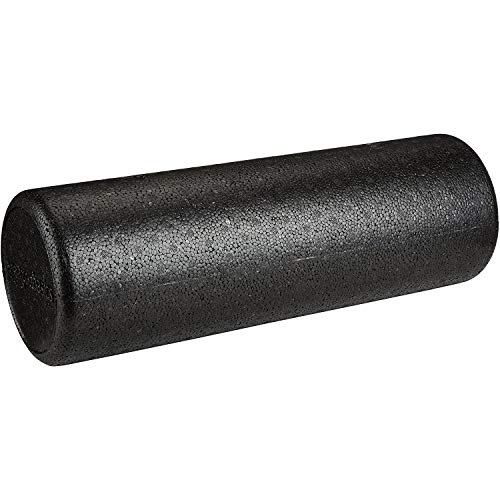
Amazon Basics High-Density Foam Roller for Exercise and Recovery, 18 Inches, Black
High-density foam roller in Black
As an affiliate, we earn on qualifying purchases.
As an affiliate, we earn on qualifying purchases.
How Often Should You Train Each Muscle? The Essential Guide

Finding the right training frequency for each muscle group is essential for maximizing gains and preventing overtraining. When you give muscles adequate time for recovery, you allow muscle recovery to occur effectively, leading to better growth and strength. Typically, shorter workout durations focused on quality rather than quantity help prevent fatigue that hampers recovery. If you train a muscle too often, you risk impeding muscle recovery, which can cause soreness, decreased performance, or injury. Conversely, training too infrequently may slow progress. Striking a balance means listening to your body and adjusting workout duration accordingly. Generally, allowing 48 to 72 hours between intense sessions for the same muscle group supports ideal muscle recovery and growth, helping you avoid overtraining while still making consistent progress. Additionally, understanding muscle recovery can help tailor your training schedule for optimal results.

Pilates Board Workout Cards – 67 Exercise Cards with Videos & Workout Plan – Includes 5-Week Challenge, Ebook, Progress Chart & 2 Rings for Easy Organization – Home Portable Reformer Guide for Women
EFFORTLESS PILATES BOARD WORKOUTS – Train with your mini pilates reformer without guessing. These cards provide all the…
As an affiliate, we earn on qualifying purchases.
As an affiliate, we earn on qualifying purchases.
What Factors Affect How Often You Should Work Out?

Several factors influence how often you should work out each muscle, making it important to tailor your training schedule to your individual needs. Recovery time is vital; muscles need sufficient rest to repair and grow, which varies based on your workout intensity. High-intensity sessions typically require longer recovery periods, while lighter workouts may allow more frequent training. Your fitness level also plays a role—beginners often need more recovery, whereas experienced lifters can handle increased frequency. Additionally, your overall health, sleep quality, and nutrition impact how quickly your body recovers. Listening to your body’s signals is key: if you’re feeling persistent soreness or fatigue, it’s a sign to give your muscles extra time to recover before training again. The contrast ratio of your training and recovery plan can influence your progress and help prevent overtraining.

Xtend Original BCAA Powder, 7g BCAAs and 2.5g L-Glutamine for Muscle Recovery Hydration and Lean Muscle, Sugar Free Intra and Post Workout Drink with Electrolytes, Watermelon Explosion, 30 Servings
THE WORLD’S #1 BCAA BRAND: XTEND leads global recovery with 7g of BCAAs in the proven 2:1:1 ratio…
As an affiliate, we earn on qualifying purchases.
As an affiliate, we earn on qualifying purchases.
Training Frequency for Beginners, Intermediates, and Experts

Your training frequency should align with your experience level to maximize results and prevent injury. Beginners typically train 2-3 times a week per muscle group, allowing ample time for muscle recovery and adapting to training intensity. As you progress to intermediate, you can increase frequency to 3-4 sessions, balancing muscle recovery with sustained training intensity. Experts often train each muscle 4-6 times weekly, focusing on optimizing recovery through strategic programming. Remember, more frequent workouts require careful management of training intensity to avoid overtraining and injury. Adjusting your training frequency based on how your body responds ensures you’re not pushing too hard or too little, promoting consistent progress while safeguarding your muscles’ recovery process. Additionally, understanding training volume can help you tailor your workout schedule effectively to prevent burnout and promote muscle growth.

CAP Barbell 55 lb Pair of Adjustable Dumbbells with Full Rotation Copper Handle
ADJUSTABLE – Simply rotate the handle left or right while positioned on the tray to adjust the weight…
As an affiliate, we earn on qualifying purchases.
As an affiliate, we earn on qualifying purchases.
How to Adjust Your Workout Schedule for Maximum Growth

To maximize muscle growth, it is essential to tailor your workout schedule based on your progress and how your body responds. Pay attention to your rest days—these are vital for recovery and muscle repair. If you notice persistent soreness or fatigue, consider adding more rest days or adjusting workout intensity. Recovery strategies like proper sleep, nutrition, and active recovery can boost your gains without overtraining. Track your progress to identify when your muscles are ready for the next session, and don’t hesitate to modify your schedule accordingly. Overtraining hampers growth, so balancing workout frequency with adequate rest is key. Incorporating adaptive training plans can help optimize your results by adjusting to your body’s changing needs. By listening to your body and optimizing recovery, you’ll create a sustainable plan that promotes maximum muscle growth over time.
Common Mistakes When Planning Your Workout Frequency

One common mistake in planning workout frequency is overtraining by hitting the same muscle groups too often without allowing adequate recovery. This increases overtraining risks, leading to fatigue, injury, and diminished progress. When you skip rest days or train intensely without proper spacing, your body struggles to repair muscle tissue, which hampers growth. Additionally, inconsistent workout routines can undermine your progress, making it harder to build workout consistency. It’s tempting to push harder, but overtraining can backfire, causing burnout and setbacks. To avoid this, listen to your body, incorporate rest days, and vary your training schedule. Proper recovery is essential for muscle growth and overall progress. Striking a balance ensures you optimize recovery, reduce overtraining risks, and maintain steady progress toward your fitness goals.
Sample Weekly Workout Plans for Different Goals

Choosing the right weekly workout plan depends on your specific goals, whether that’s building muscle, losing weight, or improving endurance. For muscle growth, you might do: 1. A 3-day routine with full-body workouts, allowing ample muscle recovery between sessions and managing workout intensity. 2. A 4-day split focusing on different muscle groups, balancing training and recovery to optimize gains. 3. An 5-day plan targeting specific muscles each day, increasing workout intensity while still giving muscles time to recover. If your goal is weight loss or endurance, you’ll want to adjust frequency and intensity accordingly, ensuring muscles aren’t overworked. Proper recovery is essential, so plan rest days to prevent fatigue and promote muscle recovery. Tailoring your weekly plan helps you stay consistent and avoid injury. Additionally, understanding training frequency and how it impacts your progress can help you fine-tune your routine for maximum effectiveness.
How to Listen to Your Body and Fine-Tune Your Training

After planning your weekly workouts, paying attention to how your body responds becomes key to making progress safely. Muscle soreness is a clear sign that your muscles need more time to recover. If soreness persists beyond 48 hours, consider adjusting your training intensity or volume. Listening to your body helps you identify signs of overtraining or fatigue early. Incorporate recovery strategies like proper sleep, hydration, and active rest to support muscle repair. If you notice decreased performance or persistent soreness, it’s a cue to ease up or focus on lighter sessions. Fine-tuning your training based on these signals ensures you avoid injury and build strength effectively. Remember, every body responds differently, so trust your sensations to optimize your progress safely. Balance and motivation are essential components to maintaining consistent and effective training habits.
Frequently Asked Questions
Can Training Too Often Hinder Muscle Growth?
Training too often can hinder muscle growth because it increases overtraining risks and hampers muscle recovery. When you push your muscles without giving them enough time to recover, you may experience fatigue, decreased performance, and even injury. To avoid this, listen to your body, incorporate rest days, and vary your workouts. Proper recovery is essential for muscle repair and growth, ensuring you make consistent progress without risking burnout.
How Does Sleep Affect Optimal Workout Frequency?
Sleep quality greatly influences your ideal workout frequency because it directly affects recovery time. When you get enough deep, restful sleep, your muscles repair and rebuild faster, allowing you to train more often without risking overtraining. Conversely, poor sleep hampers recovery, making it necessary to reduce workout frequency to prevent injury and fatigue. Prioritize good sleep habits to maximize your training gains and maintain a healthy balance.
Should I Train Every Muscle Group on the Same Day?
You might think training every muscle group in one day is a great idea—until your muscles scream for mercy and recovery time. Yes, it’s tempting to squeeze everything in, but proper workout scheduling prioritizes muscle recovery. Overtraining leads to fatigue and injury. Instead, spread out your routines, give muscles time to rebuild, and enjoy stronger gains. Balance is key; your muscles will thank you, and so will your results.
How Quickly Can I Expect Results From Different Training Frequencies?
You can start seeing results in about 4 to 6 weeks with consistent training, but how quickly depends on your training volume and muscle recovery. Training more frequently with moderate volume promotes faster gains, while overtraining can hinder recovery and slow progress. Listen to your body, guarantee proper rest, and adjust your training frequency accordingly. With patience and dedication, you’ll notice improvements in strength and muscle size over time.
Is It Better to Train Less Frequently With Higher Intensity?
Training less frequently with higher intensity can be effective if you balance training volume and workout variety. You focus on pushing your muscles hard during each session, allowing sufficient recovery. This approach helps prevent overtraining and keeps workouts engaging. You should listen to your body, gradually increase intensity, and incorporate different exercises. By doing so, you optimize muscle growth and avoid burnout, making your training both efficient and sustainable.
Conclusion
So, now that you know the secret formula—train like a pro or just wing it—go ahead and ignore your body’s signals. After all, who needs rest or variety when you can endlessly grind without consequences? Remember, your muscles are just tiny drama queens waiting for the perfect schedule. Keep pushing, keep guessing, and maybe someday you’ll discover the mysterious art of muscle growth… or just end up sore and confused. Cheers to your fitness adventure!