
Progressive overload is a key training principle where you gradually increase exercise demands to boost muscle growth and strength. By adding weight, reps, or intensity, you challenge your muscles beyond their current capacity, prompting adaptation. Proper technique, nutrition, and recovery are essential to advance safely. Avoid common mistakes like overtraining or poor form. Focusing on consistent, systematic increases ensures continuous gains. Keep going, and you’ll uncover effective strategies to maximize your fitness journey.
Key Takeaways
- Progressive overload involves gradually increasing stress on muscles to promote growth and strength.
- It challenges muscles beyond their current capacity, prompting adaptation and continuous progress.
- Methods include adding weight, reps, sets, or variation to exercises over time.
- Proper tracking and technique are essential to prevent injury and ensure effective overload.
- Consistency and strategic planning help break plateaus and sustain long-term fitness gains.

CAP Barbell 55 lb Pair of Adjustable Dumbbells with Full Rotation Copper Handle
ADJUSTABLE – Simply rotate the handle left or right while positioned on the tray to adjust the weight…
As an affiliate, we earn on qualifying purchases.
As an affiliate, we earn on qualifying purchases.
What Is Progressive Overload and Why Is It Key to Building Muscle

Progressive overload is the foundation of effective muscle building. It means gradually increasing the stress on your muscles to promote muscle hypertrophy and strength gains. When you challenge your muscles beyond their current capacity, they adapt by getting stronger and larger. This adaptation is essential for continuous progress. Without applying progressive overload, your muscles won’t be stimulated enough to grow or improve strength. You might increase weight, reps, or intensity over time to keep challenging yourself. Consistently pushing your limits guarantees your muscles are always adapting, which leads to better muscle hypertrophy and sustained strength gains. This method is key to breaking through plateaus and making ongoing progress in your fitness journey. Understanding overload principles is crucial for optimizing your training effectiveness and preventing stagnation.

WHATAFIT Resistance Bands, Exercise Bands,Resistance Bands for Working Out, Work Out Bands with Handles for Men and Women Fitness, Strength Training Home Gym Equipment
DIFFERENT COLOR ADJUSTABLE RESISTANCE BANDS: The exercise bands come with 5 different resistance level 10lbs, 20lbs, 30lbs, 40lbs…
As an affiliate, we earn on qualifying purchases.
As an affiliate, we earn on qualifying purchases.
How Nutrition and Recovery Support Your Progressive Overload Goals
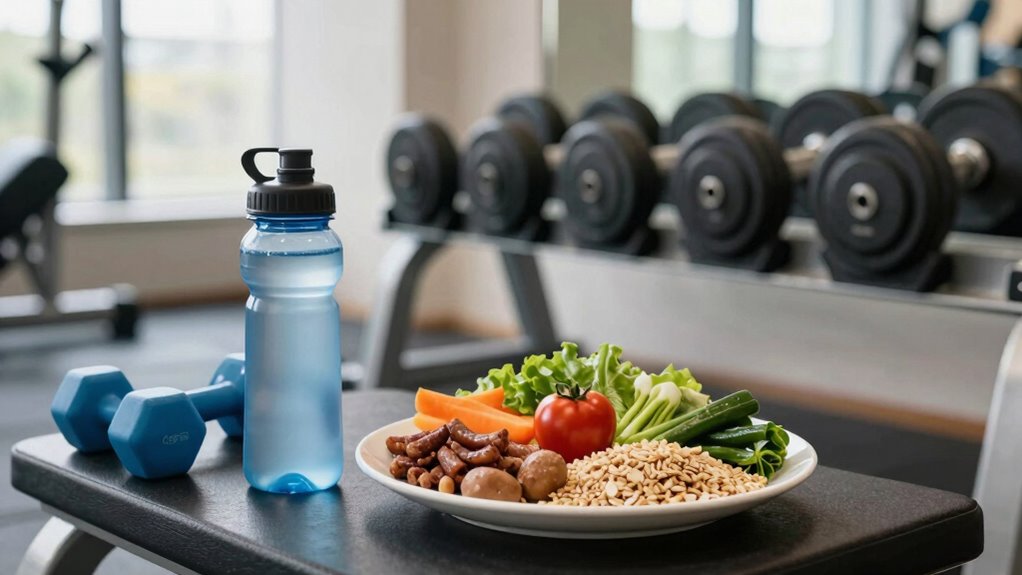
To effectively support your progressive overload efforts, focusing on proper nutrition and recovery is essential. Meal timing plays a vital role—fuel your workouts with balanced meals containing carbs and protein before and after training to optimize performance and muscle repair. Prioritize hydration strategies by drinking water consistently throughout the day, especially around workouts, to prevent dehydration and support muscle function. Adequate recovery, including quality sleep, helps your muscles repair and adapt to increased training demands. Incorporate smart programming into your routine to ensure progressive overload continues safely and effectively. Avoid neglecting these aspects, as they directly impact your ability to progress. When your body is well-nourished and properly hydrated, you’ll recover faster, reduce injury risk, and be better prepared to handle progressive overload in your routine.

NewMe Fitness Journal for Women/Men, Food & Workout Journal, Planner Log book to Track Weight Loss, Muscle Gain, Gym Bodybuilding Progress, Daily Personal Health Tracker – 1 Pack (Fitness & Nutrition)
Goal-Focused Health Journal: Track your daily workouts for 2+ months by keeping close tabs on health and wellness…
As an affiliate, we earn on qualifying purchases.
As an affiliate, we earn on qualifying purchases.
The Top Methods to Apply Progressive Overload in Your Workout Routine

Implementing the right methods to apply overload guarantees your muscles continuously adapt and grow. Focus on increasing training volume gradually, such as adding more sets or reps. Incorporate exercise variation to target muscles differently and prevent plateaus. You can do this by changing grips, angles, or equipment. Here’s a quick overview:
| Method | How to Implement |
|---|---|
| Increase Training Volume | Add sets, reps, or weight over time |
| Exercise Variation | Switch exercises or modify existing ones regularly |
| Progressive Resistance | Use heavier weights or resistance bands gradually |
| Monitor for Injury | Pay attention to pain and proper piercing care to prevent setbacks. |

HOZMOZ Ventilated Weight Lifting Gloves, Thick Padded Workout Gym Gloves with Full Palm Protection & Grip & Shock Absorption for Women & Men's Fitness Exercise Training
【The Most Effective Protection】A 1-piece 6mm thickened cushioning pad covers from palm to fingertips, workout gloves women men…
As an affiliate, we earn on qualifying purchases.
As an affiliate, we earn on qualifying purchases.
How Do I Safely Track My Progress and Overload Without Injury?

Tracking your progress carefully is essential to safely applying overload and avoiding injury. Focus on maintaining proper form vs. function; prioritizing correct technique ensures you target muscles effectively while minimizing strain. Use safety measures like gradual increases in weight or intensity and listening to your body’s signals. Keep detailed records of your workouts, noting reps, sets, and how you feel during each session. This helps you identify when to progress and prevents rushing into unsafe overloads. Remember, progress isn’t just about lifting heavier but improving movement quality. Consistently monitoring your form and staying attentive to any discomfort allows you to adjust accordingly. A progressive overload approach, which involves systematically increasing the challenge, enables steady gains while minimizing injury risk. By combining precise tracking with caution, you can advance safely, reducing injury risk and making sustained gains.
Strategies to Prevent Plateaus and Keep Your Progress Going

To keep making progress, you need to prevent plateaus by varying your training intensity and introducing new challenges. Incorporating deload weeks allows your body to recover and adapt, avoiding burnout. Regularly tracking your progress helps you identify when adjustments are needed to stay on course. Additionally, understanding pinball machine weights can serve as a useful analogy for how proper equipment management and adjustments can contribute to your training efficiency.
Vary Training Intensity
Varying your training intensity is essential for preventing plateaus and ensuring continuous progress. By adjusting your training volume and workout variety, you challenge your muscles in new ways, preventing adaptation. Incorporate different intensity levels—such as lighter days focused on technique or heavier days for strength—to keep your body responsive. Changing your workout intensity also keeps your training fresh and engaging, reducing boredom and mental fatigue. As you vary intensity, you stimulate different muscle fibers and energy systems, promoting balanced development. This strategy helps you avoid stagnation and encourages ongoing improvements. Additionally, understanding training concepts and how different intensity levels affect your body can help you optimize your program. Remember, deliberate fluctuations in intensity, combined with your overall training plan, are key to maintaining steady progress and avoiding plateaus over time.
Incorporate Deload Weeks
Incorporating deload weeks into your training schedule is a proven strategy to prevent stalls and promote long-term progress. During these lighter phases, you reduce volume and intensity, allowing your body to recuperate and adapt. Deload weeks serve as effective recovery strategies, helping to repair muscles, prevent overtraining, and reduce injury risk. By intentionally scheduling these lighter periods, you give your nervous system a break and reset your motivation. This proactive approach prevents plateaus caused by accumulated fatigue. Use deload weeks strategically—every few blocks of intense training—to ensure continuous progress. Remember, recovery isn’t a sign of weakness; it’s essential for sustained gains. Incorporating deload weeks keeps your body fresh, minimizes burnout, and keeps your training consistent over the long haul. Recognizing the importance of training periodization can help you plan these deload phases effectively.
Track and Adjust Progress
Tracking your progress is essential because it provides clear feedback on what’s working and what needs adjustment. By monitoring factors like calorie counting and sleep tracking, you can identify patterns that impact your gains. Use data to modify your workouts or nutrition as needed, preventing plateaus. Stay consistent with your logs to spot stagnation early. Here’s a simple overview:
| Focus Area | Adjustment Strategy |
|---|---|
| Calorie Intake | Increase or decrease based on goals |
| Sleep Quality | Improve rest to enhance recovery |
| Workout Volume | Add sets or reps when progress stalls |
| Rest Days | Adjust frequency for optimal recovery |
| Progress Logs | Review weekly to identify trends |
Regular tracking helps you stay proactive, ensuring continuous progress. Incorporating tracking tools can further optimize your efforts by providing detailed insights into your performance and habits.
Common Mistakes That Hinder Progress and How to Avoid Them

One common mistake that can stall your progress is pushing too hard without allowing your body adequate time to recover. Ignoring overtraining signs, such as persistent fatigue, soreness, or decreased performance, can lead to injury and burnout. Another mistake is using improper form, which not only hampers muscle engagement but also increases the risk of injury. When you prioritize quantity over quality, you diminish the effectiveness of your workouts and slow your progress. Rest and recovery are essential components of progressive overload, so listen to your body and avoid the temptation to push through pain. Focus on proper technique and give your muscles time to repair and grow. Incorporating training principles like progression and consistency ensures sustainable gains and reduces the risk of setbacks.
Choosing the Best Progressive Overload Method for Your Goals

Choosing the right progressive overload method depends on your specific fitness goals. If you aim to build strength, focus on increasing weight gradually while maintaining proper form. For muscle growth, consider adding more reps or sets over time. If endurance is your goal, increasing workout volume or reducing rest periods works well. Consistent workout consistency is key to effective progress, so select a method that aligns with your schedule and keeps you motivated. Remember, the best approach is one you can stick with long-term. Mixing different methods can also prevent plateaus and keep workouts engaging. Ultimately, tailoring the progressive overload technique to your goals ensures steady progress and minimizes frustration, helping you stay committed to your fitness journey. Incorporating home design/architecture details can also provide a comfortable environment that supports your training habits and enhances motivation.
Frequently Asked Questions
How Quickly Should I Increase Weights for Optimal Growth?
You should increase weights gradually, about 2.5-5% every 1-2 weeks, depending on your progress. Focus on maintaining proper training frequency and nutrition timing, which are key to growth. Pay attention to how your body responds; if you feel ready, add a small amount. Don’t rush, as increasing too quickly can lead to injury or burnout. Consistency and listening to your body are essential for maximum gains.
Can Progressive Overload Cause Overtraining or Fatigue?
Yes, if you push your training intensity too quickly without maintaining a proper recovery balance, progressive overload can lead to overtraining or fatigue. It is crucial to listen to your body, gradually increase weights, and guarantee adequate rest. Overdoing it risks burnout and injury, so prioritize recovery and adjust your progression pace accordingly to stay healthy and maximize gains without overtraining.
Is Progressive Overload Effective for Beginners or Only Advanced Lifters?
Progressive overload is effective for beginners because it helps you build strength steadily. By maintaining training consistency and gradually increasing the challenge, you prevent plateaus and promote growth. Incorporate workout variation to keep things interesting and avoid fatigue. As a beginner, start with lighter weights and proper form, then slowly increase intensity, ensuring you’re not overtraining while maximizing progress. This approach sets a strong foundation for advanced training later on.
How Does Age Influence Progressive Overload Strategies?
Think of your body as a garden; as you age, it may need more time to recover, just like plants need more care. Age influences progressive overload strategies because recovery slows, and hormonal impacts change, making it essential to adjust intensity and volume. You might need to reduce weights or add more rest days, especially if age-related recovery becomes a challenge, ensuring safe, consistent progress.
What Are the Signs I’m Overdoing It With Overload?
If you’re overdoing it with overload, you’ll notice signs like persistent fatigue, difficulty recovering, and a training plateau. You might also experience increased injury risk, such as joint pain or strains. Pay attention to these signals and reduce intensity or volume to prevent setbacks. It is crucial to listen to your body, incorporate rest days, and gradually increase load to avoid overtraining and stay on track with your fitness goals.
Conclusion
By embracing progressive overload, you’re like a gardener tending to a growing plant—each small push helps you flourish. Keep challenging yourself safely, stay consistent with your nutrition and recovery, and avoid common pitfalls. With patience and smart strategies, you’ll see your strength blossom over time. Remember, progress is a journey, not a sprint, so stay committed and watch your muscles grow stronger day by day.