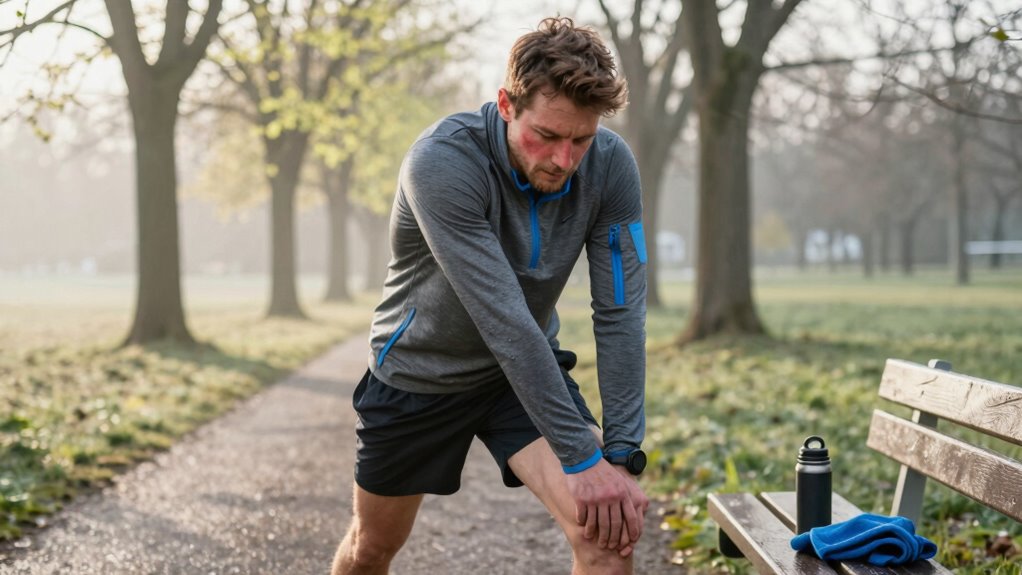

When you’re sick, it’s best to prioritize rest over intense workouts, especially if you have a fever, body aches, or fatigue. Mild symptoms like a runny nose might allow gentle movement, but pushing through can prolong your recovery and worsen symptoms. Listen to your body—if you’re feeling drained or notice worsening signs, rest is key. If you’re curious about how to safely balance activity and recovery, there’s more helpful guidance below.
Key Takeaways
- Prioritize rest if you have a fever, severe fatigue, or body aches to support immune recovery.
- Light movement may be acceptable with mild symptoms like a runny nose or sore throat, but avoid intense exercise.
- Listen to your body: if symptoms worsen or you feel dizzy or exhausted, stop activity and rest.
- Hydrate well and focus on nutritious foods to aid your immune system during illness.
- Resume regular training gradually only after full recovery and when symptoms have resolved.

POWERADE Electrolyte Enhanced Zero Sugar Grape Sports Drink, 20 Ounce (Pack of 8)
50% more electrolytes* versus the leading sports drink
As an affiliate, we earn on qualifying purchases.
As an affiliate, we earn on qualifying purchases.
Should I Exercise When I Have Cold or Flu Symptoms?
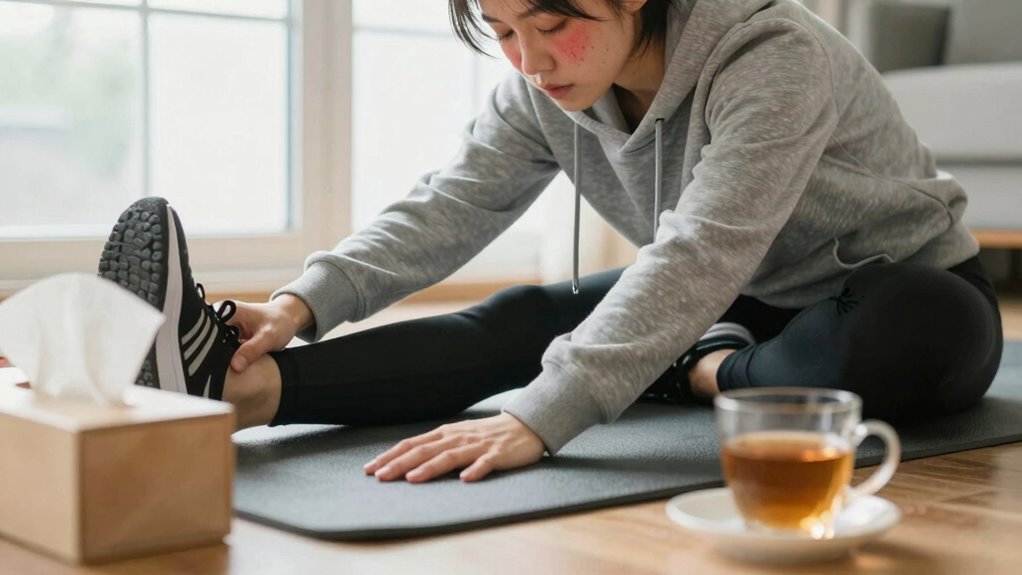
If you’re feeling under the weather with cold or flu symptoms, it’s generally best to skip your workout. Pushing through can worsen your condition and prolong recovery. Instead, focus on hydration strategies by drinking plenty of fluids like water, herbal teas, or electrolyte drinks to stay well-hydrated. Nutritional support also plays a crucial role; prioritize easily digestible foods rich in vitamins and minerals to bolster your immune system. Rest is critical, allowing your body to fight off infection effectively. Light activity might seem tempting, but exercise can strain your immune response when you’re sick. Listening to your body is essential—if symptoms are mild, gentle movement might be okay, but always prioritize recovery over workout routines until you’re fully well again.
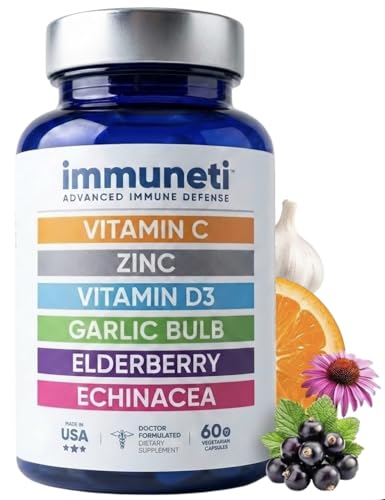
Immuneti Advanced Immune Support – Doctor Formulated 6-in-1 Daily Immunity Supplement – Made in USA – With Vitamin C, D3, Zinc, Elderberry, Garlic & Echinacea – Vital Nutrients & Antioxidants (1)
[6-in-1 Daily Wellness Support Supplement] Formulated with elderberry, vitamin C, zinc, echinacea, garlic bulb, and vitamin D3, this…
As an affiliate, we earn on qualifying purchases.
As an affiliate, we earn on qualifying purchases.
How Do I Know If My Symptoms Warrant Rest or Light Movement?
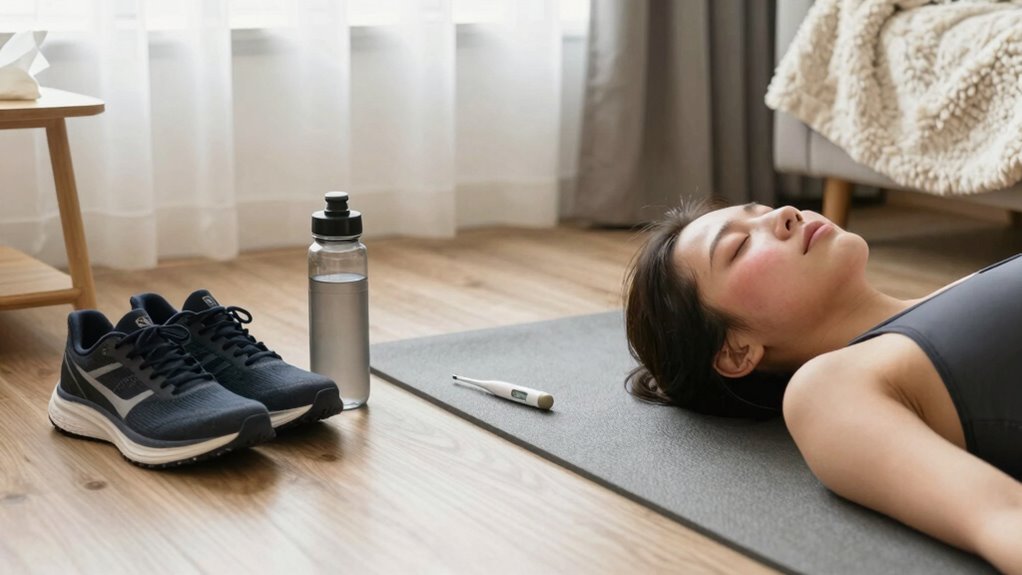
Pay attention to how severe your symptoms are—if you have a high fever or intense body aches, rest is the best choice. Your energy levels and motivation can also signal whether light movement might help or if you should take it easy. Trust your body’s signals to decide if you need recovery time or gentle activity. Incorporating rest and recovery practices can assist in managing your symptoms effectively.
Symptom Severity Indicators
Determining whether to rest or engage in light movement depends on how severe your symptoms are. Mild symptoms like a runny nose or slight sore throat usually indicate your immune system is handling the illness, and gentle activity might be okay. However, if you’re experiencing fatigue, muscle weakness, or persistent cough, it’s a sign to prioritize rest. Pay attention to your body signals—if you feel drained, pushing through can prolong recovery. Staying well-hydrated is essential, as hydration supports your immune system and helps flush out toxins. If symptoms are above the neck, light movement may be beneficial, but if they’re below, like chest congestion or body aches, rest is best. Recognizing these severity indicators helps you decide when to recover and when to move cautiously. Incorporating rest vs. light movement based on symptom severity can also influence your overall recovery time and comfort.
Fever and Body Aches
How can you tell if your fever and body aches mean you should rest or try light movement? The key is careful symptom assessment. If your fever is high—above 100.4°F (38°C)—and your body aches are intense, it’s a clear sign to prioritize rest over activity. Rest vs activity isn’t about pushing through; it’s about listening to your body. Light movement, like gentle stretching or walking, might help if your symptoms are mild, but only if your fever is gone or considerably reduced. If your aches worsen with movement or your fever spikes, it’s best to rest until symptoms improve. Remember, your body needs recovery time, and rushing back into training can prolong your illness. Always evaluate your symptoms carefully before deciding between rest vs activity. Understanding illness severity can help you make better choices about when to rest or move.
Energy Levels and Motivation
When your body aches and fever start to subside, it’s tempting to think you’re ready to get back to regular activity. But pay attention to your energy levels and motivation dips. If you feel drained or find it hard to focus, your body is still recovering, signaling that rest is best. Low energy depletion indicates your body is conserving resources to heal, not to perform. On the other hand, if you notice a slight boost in motivation and manageable fatigue, light movement might help boost circulation and aid recovery. However, don’t push through extreme exhaustion or persistent motivation dips. Listening to your body’s signals ensures you don’t prolong illness or risk setbacks. Rest is often the smarter choice until your energy levels stabilize and your body fully recovers.

FateFan Multifunction Tension Rope, 6-Tube Elastic Yoga Pedal Puller Resistance Band, Natural Latex Tension Rope Fitness Equipment, for Abdomen/Waist/Arm/Leg Stretching Slimming Training (Purple)
👍【6 TUBES PEDAL RESISTANCE BAND】- FateFan 6 tube pedal fitness ropeis made of enviromental foam, and tube is…
As an affiliate, we earn on qualifying purchases.
As an affiliate, we earn on qualifying purchases.
Signs That Rest Is the Best Choice for Your Body
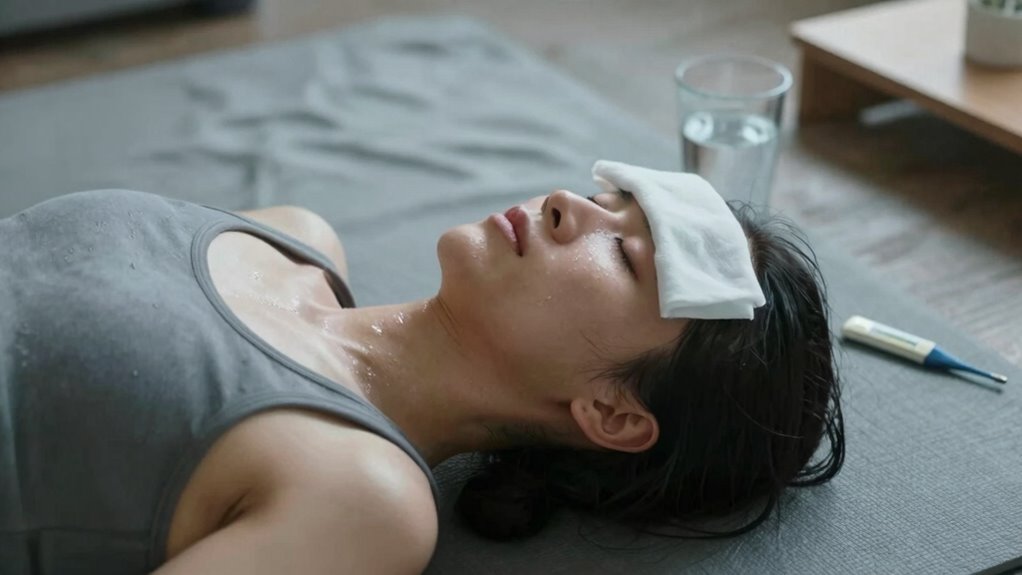
If you have a fever, your body needs rest to fight off illness. When your energy feels low and you’re exhausted, pushing through training can do more harm than good. Recognizing these signs helps you decide when rest is the safest and most effective choice. Additionally, engaging in low-impact activities like gentle stretching or light walking can sometimes aid recovery without overtaxing your body electric dirt bikes, but always listen to your body’s signals.
Fever Indicates Rest Needed
A fever is a clear signal that your body needs rest to fight off an illness. When you have a fever, it’s essential to follow rest guidelines that prioritize recovery. Rest helps your immune system work efficiently and prevents further strain. Ignoring a fever and pushing through intense activity can prolong your illness or worsen symptoms. Fever management involves monitoring your temperature and listening to your body’s signals. If you feel weak, achy, or overly tired, it’s a sign that rest is your best option. Rest allows your body to conserve energy and focus on healing. Remember, a fever isn’t just a symptom—it’s your body’s way of signaling you to slow down and give it the time it needs to recover fully. Monitoring your temperature is a crucial aspect of managing your illness effectively.
Body’s Energy Is Low
Feeling weak or unusually exhausted often signals that your body’s energy reserves are running low. When you notice signs of energy depletion, it’s a clear indication that rest is necessary. Pushing through can worsen immune suppression, making you more vulnerable to infection. Your body needs time to recover, rebuild energy levels, and fight off illness effectively. Ignoring these signals can prolong your sickness and hinder your progress. Pay attention to these warning signs:
- Persistent fatigue that doesn’t improve with rest
- Muscle weakness or heaviness
- Dizziness or lightheadedness
- Difficulty concentrating or mental fog
If you experience these symptoms, prioritize rest over training. Giving your body the downtime it needs helps restore energy, supports immune function, and speeds recovery. Recognizing signs of immune suppression can help you make better decisions about when to rest.
Immuneti Advanced Immune Support – Doctor Formulated 6-in-1 Daily Immunity Supplement – Made in USA – With Vitamin C, D3, Zinc, Elderberry, Garlic & Echinacea – Vital Nutrients & Antioxidants (1)
[6-in-1 Daily Wellness Support Supplement] Formulated with elderberry, vitamin C, zinc, echinacea, garlic bulb, and vitamin D3, this…
As an affiliate, we earn on qualifying purchases.
As an affiliate, we earn on qualifying purchases.
Can Light Activity Help You Feel Better When Sick?

Light activity can sometimes help you feel better when you’re sick by boosting your mood and circulation without overtaxing your body. Gentle movement, like walking or stretching, may promote blood flow, which supports your immune response. Additionally, engaging in creative storytelling can help distract your mind from discomfort and improve overall well-being. However, it’s crucial to prioritize hydration importance and monitor your sleep quality, as both influence recovery. If you choose to move, do so cautiously and listen to your body’s signals. Avoid strenuous workouts, which can drain your energy and prolong illness. Here’s a quick comparison:
| Activity Level | Benefits | Risks |
|---|---|---|
| Light activity | Enhances mood, circulation | Overexertion, delaying recovery |
| Rest | Allows healing, conserves energy | Weakens muscles if prolonged |
| Moderate exercise | Boosts immune response (if well) | Fatigue, dehydration risk |
| Complete rest | Ensures full recovery | Loss of motivation |
When Pushing Through Might Worsen Your Recovery
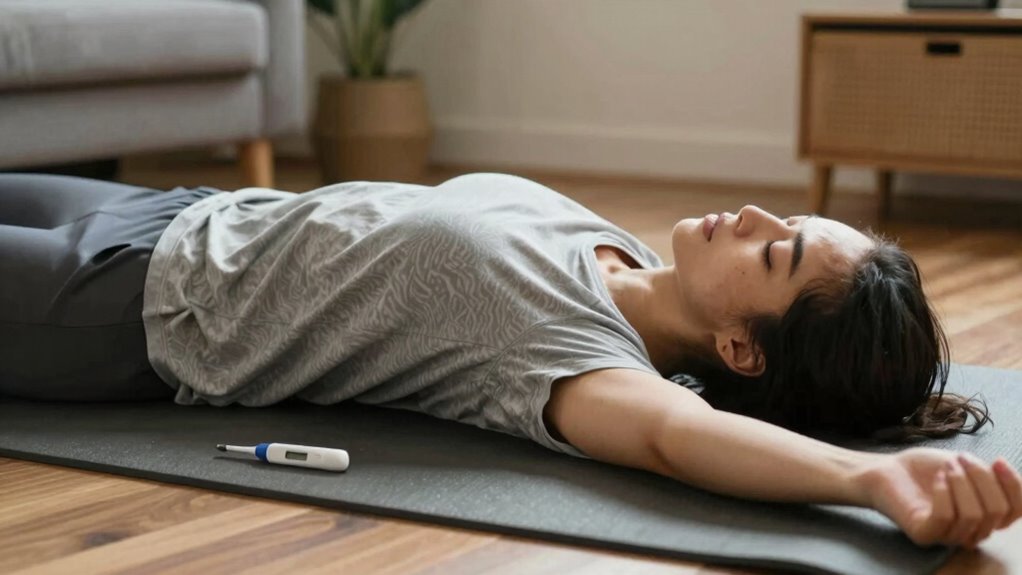
Pushing through illness often seems like a way to stay productive, but it can actually hinder your recovery. Ignoring your body’s signals may increase overtraining risks and prolong your illness. Pushing too hard can lead to setbacks, making you feel worse and delaying healing. Additionally, it can negatively impact your mental health, causing frustration or anxiety about losing progress. Recognize the signs your body needs rest instead of pushing through.
- Worsening symptoms or new aches
- Extreme fatigue or dizziness
- Increased irritability or stress
- Longer recovery time than usual
Being aware of waterpark safety tips and knowing when to rest can help you recover more effectively and prevent further health issues.
Tips for Gentle Exercises That Support Your Healing
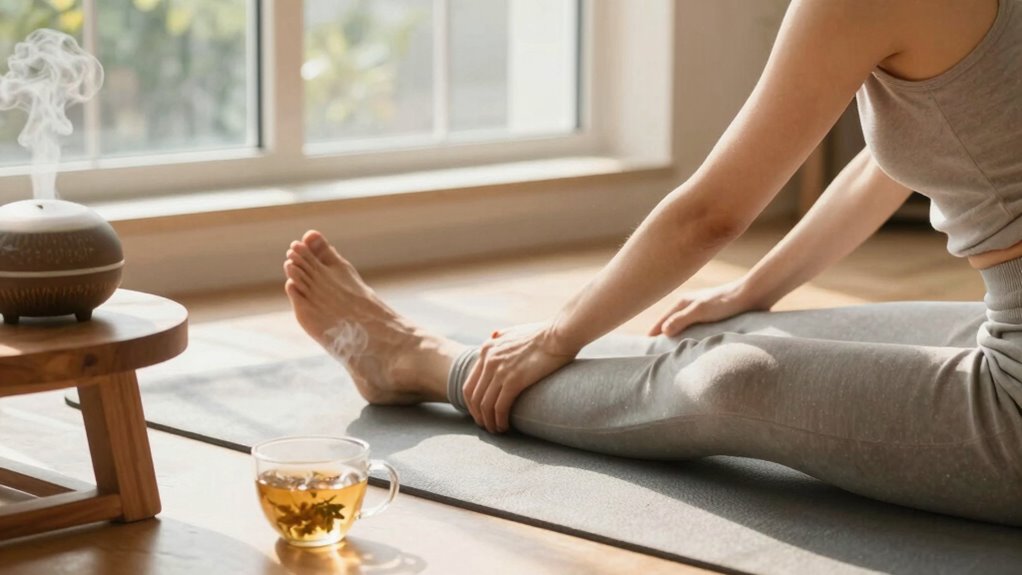
When you’re recovering from an illness, engaging in gentle exercises can support your healing process without overtaxing your body. Gentle stretches help maintain flexibility and improve circulation, which can aid recovery. Focus on slow, controlled movements that don’t cause fatigue or discomfort. Breathing exercises are equally important; deep, mindful breaths can increase oxygen flow and promote relaxation. Try diaphragmatic breathing or simple inhaling and exhaling techniques to reduce stress and enhance your immune response. Avoid intense workouts or high-impact activities until you feel considerably better. Listen to your body and stop if you experience any pain or dizziness. Incorporating these gentle exercises into your routine can help you stay connected to movement and support your body’s natural healing process. Being mindful of rest and activity balance ensures you don’t push yourself too hard too soon.
How Rest and Recovery Speed Up Your Return to Fitness
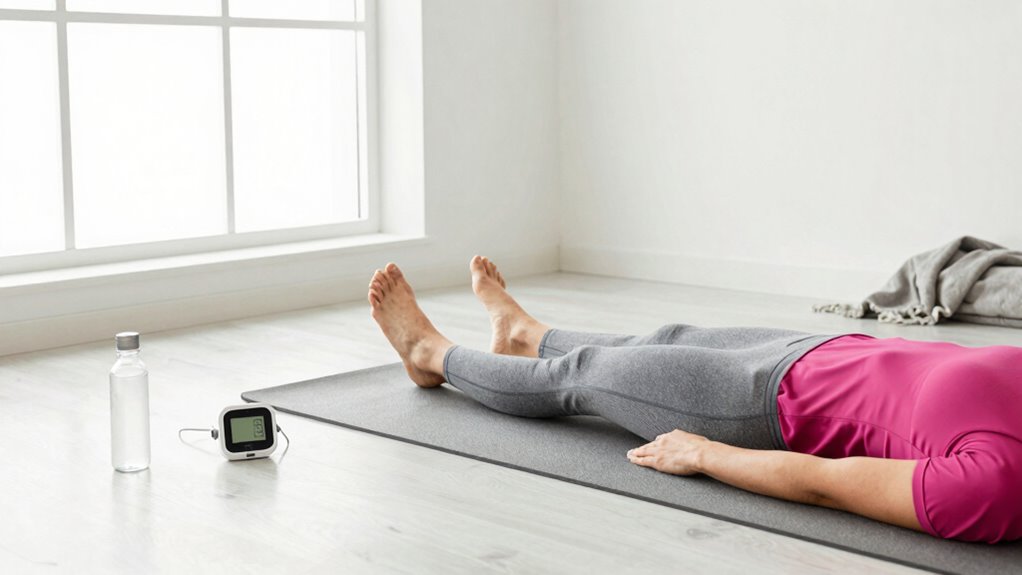
Rest and recovery are essential components of returning to your fitness routine after an illness or injury because they allow your body to repair tissues, rebuild energy stores, and restore strength. Proper rest helps prevent setbacks and reduces the risk of re-injury. During recovery, staying hydrated is vital; hydration importance supports muscle function and overall healing. Additionally, taking time to rest benefits your mental health by reducing stress and boosting motivation. To speed up your return, focus on:
Rest and hydration are key to safely regaining strength after illness or injury.
- Prioritizing quality sleep for ideal repair
- Maintaining proper hydration to support healing
- Managing stress to improve mental resilience
- Gradually reintroducing activity to rebuild confidence
Listening to Your Body: Key Signs to Stop or Keep Moving
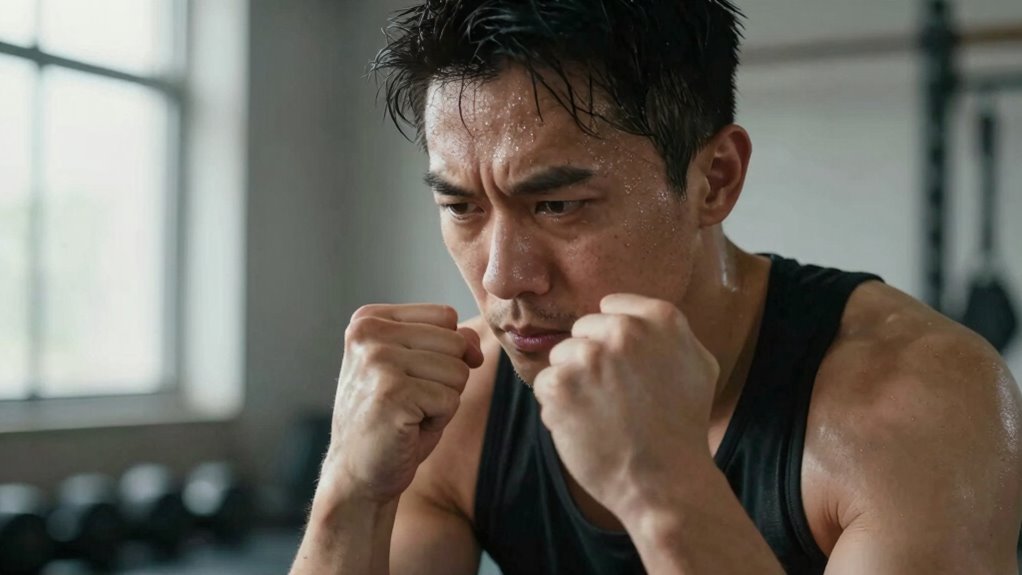
Listening to your body is essential during recovery, especially when reintroducing activity after illness. Pay attention to signs like persistent fatigue, muscle soreness, or shortness of breath, which may indicate your immune response is still compromised. If you notice symptoms worsening or new discomfort emerging, it’s a clear signal to stop and rest. Proper hydration is vital—staying well-hydrated supports your immune response and helps your body recover more efficiently. Feelings of dizziness, nausea, or excessive fatigue are signs you should pause and give your body time to heal. Trust your instincts; pushing through these signs can prolong illness or cause setbacks. Remember, gentle movement may be beneficial, but only if your body signals that you’re ready to keep going.
Expert Tips for Exercising Safely When You’re Sick
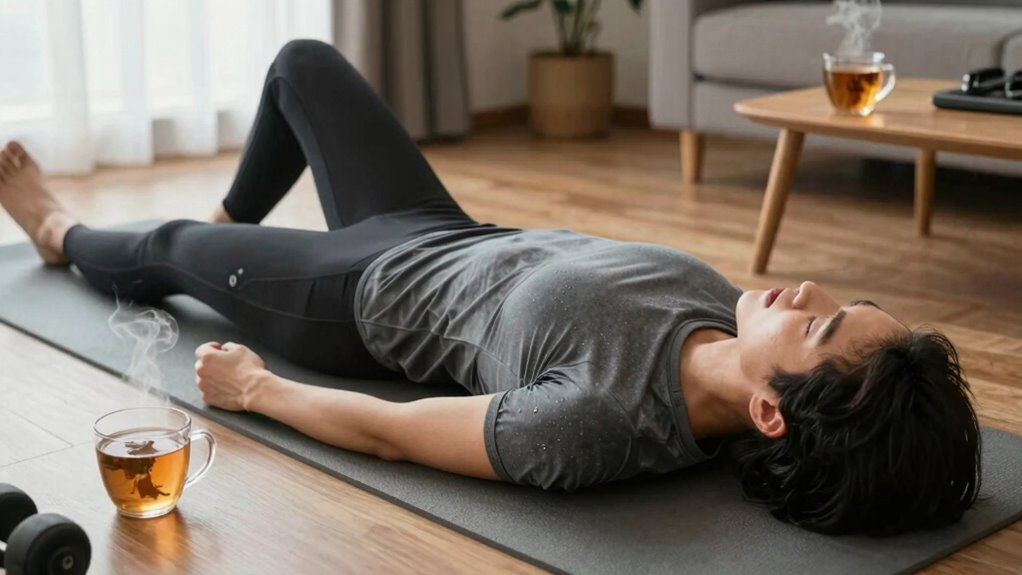
Exercising while you’re sick can be risky, but with careful attention, you can stay active safely. Prioritize hydration strategies to prevent dehydration, especially if you have a fever or chills. Listen to your mental health considerations—if exercise helps you feel better mentally, modify intensity rather than stop altogether. Keep these tips in mind:
- Scale back intensity and duration to avoid overexertion
- Drink plenty of fluids before, during, and after exercise
- Focus on gentle activities like walking or stretching
- Monitor how you feel and stop immediately if symptoms worsen
Frequently Asked Questions
Can Exercising While Sick Prolong Recovery Time?
Exercising while sick can prolong your recovery time, especially if you push through post workout fatigue or exercise at high intensity. Your body needs energy to fight the illness, so moving too much might weaken your immune system. Instead, listen to your body, rest when needed, and opt for gentle activity if you’re feeling up to it. This approach helps prevent setbacks and speeds up your overall recovery.
What Are the Risks of Exercising With a Fever?
Exercising with a fever can weaken your immune response and increase symptom severity. When you work out while sick, you risk pushing your body too hard, which may prolong your recovery. A fever indicates your body is fighting an infection, so resting helps your immune system function at its best. Moving too soon can lead to dehydration, exhaustion, or more serious complications, so it’s best to wait until your fever subsides.
How Does Dehydration Affect Exercise Choices When Ill?
When you’re sick, dehydration can turn a simple workout into a risky move. It’s vital to prioritize hydration importance, as dehydration impacts your electrolyte balance and energy levels. If you’re feeling unwell, it’s better to listen to your body than push through. Staying well-hydrated helps prevent dizziness and fatigue, ensuring you don’t make a mountain out of a molehill. Remember, slow and steady wins the race, especially when ill.
Are There Specific Exercises to Boost Immunity During Illness?
To boost your immunity during illness, opt for gentle exercise alternatives like walking, stretching, or deep breathing. These activities promote circulation and help reduce stress without overtaxing your body. Incorporate immune-boosting habits like moderate yoga or tai chi, which can enhance your body’s defenses. Avoid intense workouts, as they may weaken your immune system further. Listen to your body and prioritize rest to recover faster.
When Should I Consult a Doctor Before Resuming Workouts?
If your symptom severity worsens or doesn’t improve after a few days, you should consult a doctor before resuming workouts. Studies show that exercising with high symptom intensity can delay recovery or cause complications. If you experience chest pain, dizziness, or persistent fever, seek medical advice immediately. Always listen to your body; if you’re unsure, it’s better to obtain professional guidance to avoid setbacks and ensure a safe return to training.
Conclusion
Remember, listening to your body is your ultimate superpower—ignoring it can turn a simple cold into a marathon you didn’t sign up for. Rest when you need to, move gently if it helps, and don’t push through symptoms that scream “stop!” Your recovery speed depends on your care. By respecting your limits, you’ll bounce back faster than you ever thought possible—ready to crush your next workout with renewed strength!