
Pushing for deeper stretches might seem like the key to better flexibility, but it’s not always safer or more effective. Overstretching can cause micro-tears, inflammation, and joint instability, risking injury and setbacks. Instead, focus on understanding your natural range and progressing gradually with controlled movements. Listening to your body helps avoid overstretching. If you stay mindful and cautious, you’ll develop safer, lasting flexibility—stay with us to learn how to do this wisely.
Key Takeaways
- Pushing for deeper stretches can cause micro-tears, inflammation, and tissue damage, risking injury instead of improving mobility.
- Natural muscle elasticity and joint stability limit safe stretching; beyond this, overextending offers diminishing returns.
- Overstretching can lead to micro-injuries, chronic pain, and long-term joint instability, hindering progress rather than enhancing flexibility.
- Controlled, gradual stretching within comfortable limits promotes sustainable flexibility gains without risking overstress.
- Focusing on proper technique and listening to your body prevents overstretching and maintains joint health for consistent mobility improvement.

OPTP The Original Stretch Out Strap with Exercise Book, for Flexibility and Mobility Exercises. Stretch Out Straps for Physical Therapy, Yoga Stretching Strap and Knee Therapy Strap. Made in the USA
Top Choice Stretching Strap for Physical Therapy: The OPTP Stretch Out Strap was the first stretching strap on…
As an affiliate, we earn on qualifying purchases.
As an affiliate, we earn on qualifying purchases.
What Is Range of Motion and Why Is It Important for Flexibility?
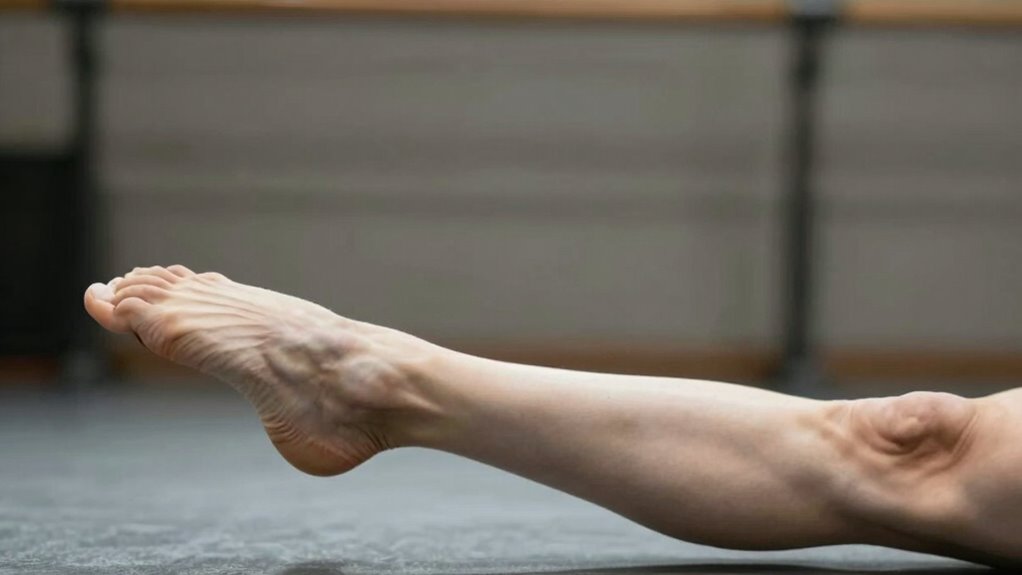
Have you ever wondered what determines your ability to move freely and comfortably? It all comes down to your range of motion, which is how far your joints can move through different planes. Good joint mobility allows you to perform daily activities with ease, while muscle elasticity plays a key role in maintaining that flexibility. When your muscles and tendons are elastic, they stretch easily, supporting larger ranges of motion. Without sufficient elasticity and healthy joint function, your movements become restricted, increasing the risk of injury. Improving your range of motion involves maintaining both joint health and muscle flexibility. Proper joint function is essential for optimal mobility and injury prevention. By understanding these factors, you can take steps to enhance your overall mobility and enjoy a more active, pain-free life.

TechStone Resistance Bands Set – 5 Levels Loop Exercise Bands for Men & Women, Elastic Workout Bands for Home Gym, Training, Yoga & Fitness, Carry Bag Included (Multicoloured)
🔹 PREMIUM NATURAL LATEX FOR LONG-LASTING PERFORMANCE: Made from 100% natural latex, these resistance bands deliver smooth, consistent…
As an affiliate, we earn on qualifying purchases.
As an affiliate, we earn on qualifying purchases.
Why Trying to Stretch Deeper Isn’t Always Safer or More Effective

Pushing yourself to stretch deeper can increase the risk of overstretching and injuring muscles or tendons. Sometimes, forcing a stretch leads to diminishing returns, where further effort doesn’t improve flexibility and may cause harm. Prioritizing quality over quantity guarantees safer, more effective progress in your range of motion. Focusing on proper technique ensures you avoid unnecessary strain and achieve more sustainable gains.
Risk of Overstretching
While aiming to increase flexibility by stretching deeper might seem beneficial, it can actually lead to overstraining your muscles and joints. Overstretching compromises muscle elasticity and puts unnecessary stress on your joint health. Pushing too far can cause micro-tears and inflammation, increasing injury risk. Here’s a quick look at the potential dangers:
| Effect on Muscles | Effect on Joints |
|---|---|
| Micro-tears | Ligament strain |
| Reduced elasticity | Joint instability |
| Longer recovery | Chronic pain |
Stretching beyond your safe limit may seem effective, but it often backfires, risking damage instead of progress. Respect your body’s limits to protect your muscles and joints from overuse and injury. Additionally, improper water damage cleanup can lead to compromised flooring and increased injury risk during recovery.
Diminishing Returns Effect
Although stretching deeper might seem like a way to improve flexibility faster, the benefits often diminish beyond a certain point. Pushing boundaries too far can lead to diminishing returns, where additional effort yields little to no progress. Your muscles have a natural limit governed by muscle elasticity, which determines how far they can safely stretch. When you force a stretch beyond this limit, you risk overstretching tissues without significant gains. Over time, pushing deeper can cause microtears, inflammation, or injury, which hampers your progress rather than advancing it. Recognizing the point of diminishing returns helps you focus on consistent, safe stretching rather than risking injury chasing marginal gains. Remember, deeper isn’t always better; smarter stretching produces better, longer-lasting results. Additionally, understanding the role of technology in image quality can help you optimize your home cinema setup for the best viewing experience.
Quality Over Quantity
Focusing on quality over quantity when stretching guarantees you improve flexibility safely and effectively. Instead of pushing for deeper stretches, prioritize controlled movements that enhance muscle elasticity without compromising joint health. When you stretch with proper form, you allow your muscles and joints to adapt gradually, reducing injury risk. Incorporating proper technique ensures each stretch is both safe and beneficial. Maintaining a gentle, consistent tension helps your muscles lengthen naturally. Listening to your body prevents overstretching and damage. Consistent, mindful stretching fosters long-term flexibility without sacrificing joint health.
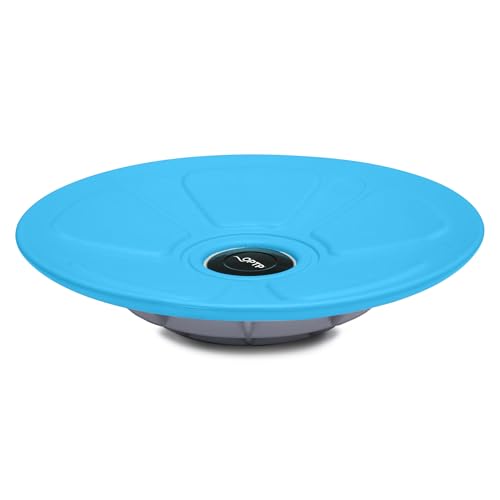
OPTP Pelvic Rocker Core Trainer – Balance Disc for Core Stability, Pelvic Floor Training, and Lower Ab Exercise – Hip Mobility Trainer and Pilates Exercise Equipment for SI Joint Support
Pelvic Mobility and Stability Exercise: A 2-piece exercise platform to perform movement and balance exercises to activate deep…
As an affiliate, we earn on qualifying purchases.
As an affiliate, we earn on qualifying purchases.
How Do You Know If You’re Overstretching or Pushing Too Hard?
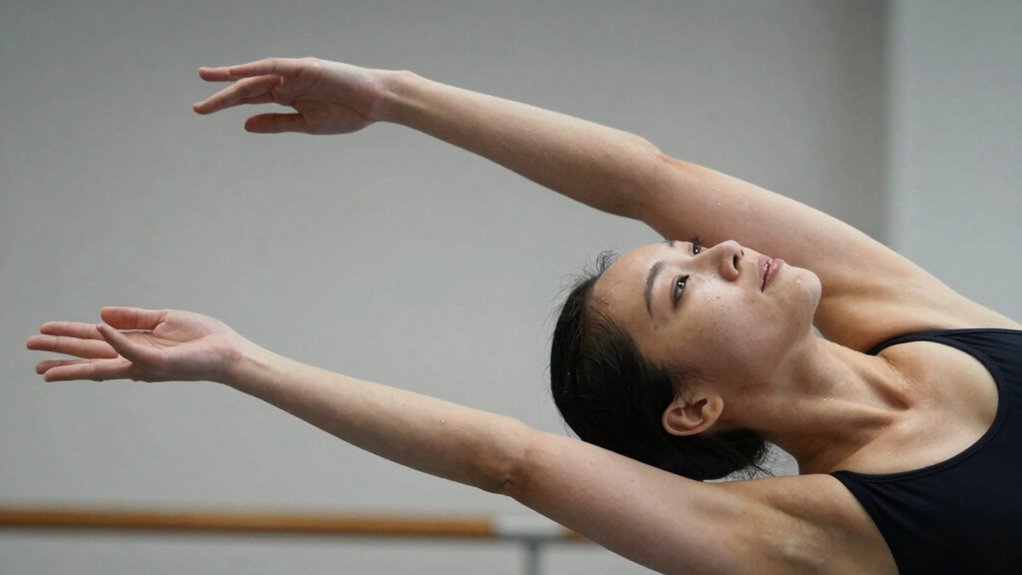
You’ll notice if you’re overstretching when you feel discomfort or pain that lingers after your session. Unusual sensations, like sudden sharp pulls or numbness, are signals to stop immediately. If you start losing control or stability, it’s a clear sign you’re pushing too hard and need to back off. Paying attention to your body awareness during practice can help you stay within safe limits and avoid injury.
Feelings of Discomfort or Pain
Feeling discomfort or pain during stretching is your body’s way of signaling that you might be pushing too hard. Recognizing pain indicators is key to effective discomfort management and preventing injury. If you feel sharp, stabbing, or persistent pain, it’s a sign to stop or ease up. Mild discomfort or a stretching sensation is normal, but overwhelming pain suggests you’re overstretching. Pay attention to how your body responds—discomfort should be tolerable, not debilitating. Remember, pushing beyond your limits can cause setbacks. Carefully listen to your body’s signals, and never ignore pain indicators. Adjust your intensity accordingly, and prioritize gradual progress over forcing a deeper stretch. Proper discomfort management ensures safe, effective flexibility gains without risking injury or setbacks. Additionally, cultivating a positive mindset around your stretching routine can improve your overall progress and reduce the likelihood of injury, aligning with the principles of energetic alignment.
Sudden or Unusual Sensations
When you experience sudden or unusual sensations during stretching, it’s a clear sign that you might be overstretching or pushing too hard. Sudden sensations, like sharp pulls or tingling, can indicate that you’re exceeding safe limits. Unusual feelings, such as a burning or numbness, often signal that your tissues are being overstressed or that nerves are being irritated. It’s important to listen to these signals and ease up immediately. Ignoring these sensations can lead to strains or injuries. Remember, a safe stretch shouldn’t produce pain or intense discomfort. Instead, you should feel a gentle tension or mild stretch. Being attentive to sudden or unusual feelings helps you stay within a healthy range of motion and prevents overdoing it.
Loss of Control or Stability
Loss of control or stability is a key sign that you may be overstretching or pushing too hard during your stretch. If you notice your muscles trembling, your joints feeling wobbly, or your form slipping, it indicates you’re risking muscle fatigue and compromising joint stability. These sensations mean your body is struggling to maintain proper alignment and control. You might find yourself unable to hold the stretch, or it feels like you’re losing balance suddenly. Overstretching can lead to injury, especially if your muscles tire quickly or your joints feel unstable. Pay attention to these signals and back off if needed. Maintaining control ensures safe progress without risking overstretching or damaging your muscles and joints. Additionally, understanding proper wall surface finishes and how they support your stretching environment can help prevent slips or instability during exercises.

Ultimate Flexibility: A Complete Guide to Stretching for Martial Arts
A complete guide to stretching for martial arts
As an affiliate, we earn on qualifying purchases.
As an affiliate, we earn on qualifying purchases.
How to Safely Assess Your Natural Range of Motion

To safely assess your natural range of motion, it’s important to approach the process gradually and listen to your body. Start by gently moving your joints through their comfortable limits, avoiding any pain or sharp sensations. Pay attention to signs of joint stability; if a joint feels unstable or wobbly, stop and reassess. Muscle imbalance can influence your range, so ensure you’re not compensating with other muscles. Take note of how each movement feels without pushing beyond your natural limits. Remember, this isn’t about forcing flexibility but understanding your current capabilities. Be patient and consistent, and avoid overstretching or forcing movements, which can lead to injury or exacerbate imbalances. A cautious approach helps you accurately gauge your range safely. Understanding joint stability is crucial for preventing injury during this process.
Techniques to Improve Flexibility Without Overstretching
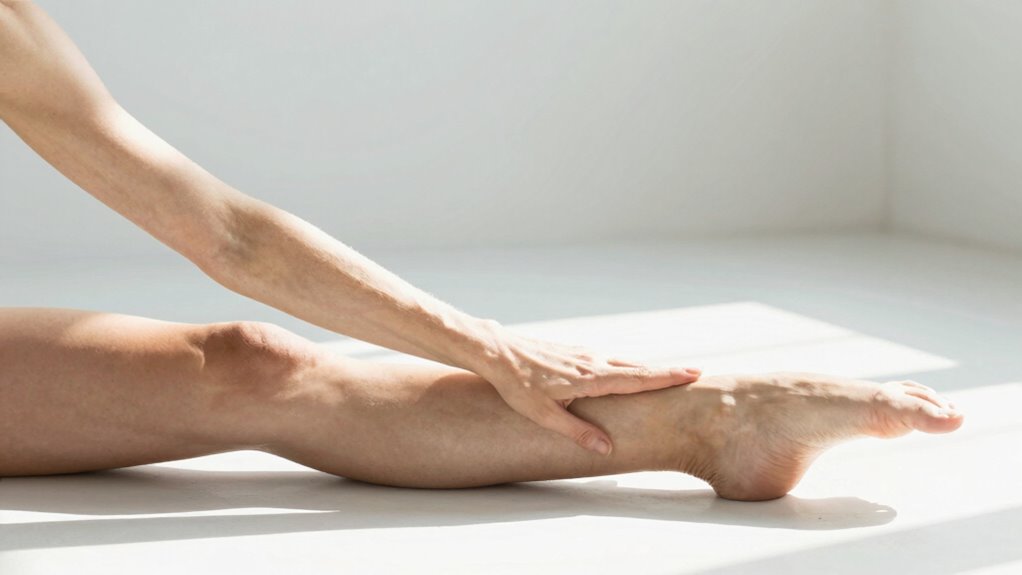
Practicing gradual, controlled movements is essential for improving flexibility without risking overstretching. Incorporate techniques like dynamic stretching to warm up your muscles safely, moving through a full range of motion with controlled momentum. Foam rolling helps release muscle tension and improve tissue quality, creating a better foundation for flexibility. Focus on consistency and listen to your body, avoiding sharp pain or discomfort. Additionally, ensuring your muscles are properly charged with adequate energy and hydration can enhance your flexibility training and reduce injury risk. Focus on consistency and listen to your body, avoiding sharp pain or discomfort.
When Should You Stop and Seek Professional Guidance?
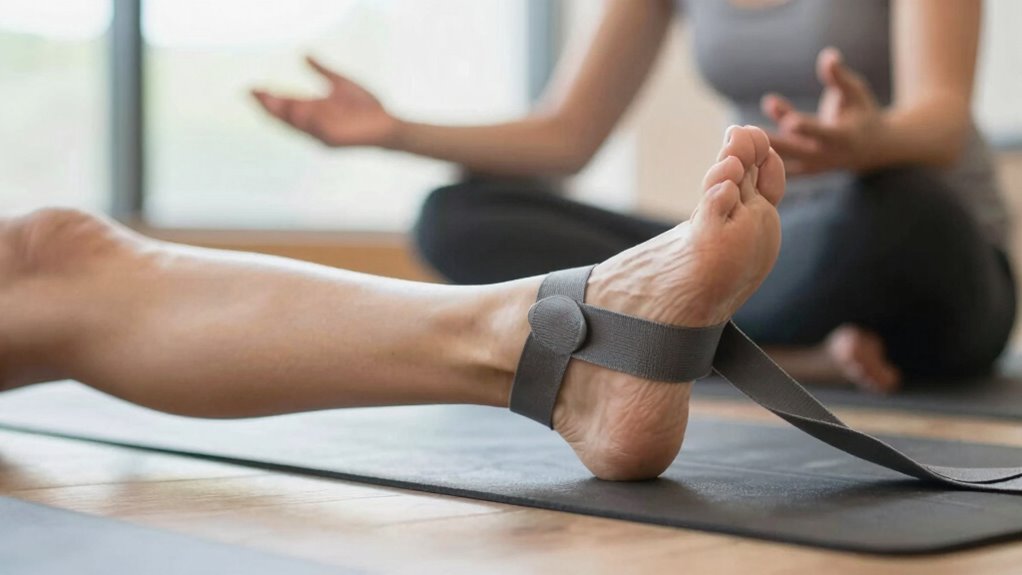
Knowing when to stop and seek professional guidance is key to ensuring safe flexibility progress. If you experience persistent muscle tension, sharp pain, or joint discomfort, it’s time to consult an expert. Ignoring these signals risks damaging joint health and overstressing muscles. Visualize your flexibility journey like this:
| Muscle Tension | Joint Health | Warning Signs |
|---|---|---|
| Tightness persists | Pain or swelling | Sharp or stabbing pain |
| Discomfort during movement | Reduced mobility | Unusual joint sounds |
| Persistent soreness | Limited range of motion | Feeling of instability |
If any of these occur, stop stretching immediately and seek professional advice. Proper guidance helps prevent injury and ensures your flexibility efforts are safe and effective.
Frequently Asked Questions
Can Stretching Beyond My Natural Range Cause Long-Term Injuries?
Stretching beyond your natural range can cause overstretching injuries, so it’s best to avoid pushing too far. Overstretching can weaken tissues and lead to long-term damage, contradicting common flexibility myths. Instead, focus on gradual, controlled stretches to improve mobility safely. Listening to your body and respecting your limits helps prevent injuries and promotes healthy flexibility, rather than risking harm by forcing deeper stretches that your body isn’t ready for.
How Does Age Affect My Ideal Range of Motion?
As you age, your ideal range of motion may decrease due to the aging impact and flexibility decline. You might notice you can’t stretch as far or move as freely as before. This is natural, and pushing too hard can cause injury. Focus on gentle, consistent stretching to maintain what you have, rather than aiming for deeper ranges that may not be safe. Listening to your body is key.
Are There Specific Signs Indicating I Should Stop Stretching Immediately?
Is feeling pain signals you should stop stretching? Absolutely. If you experience sharp pain or joint discomfort, it’s a clear sign to stop immediately. Pushing through pain can cause injuries or worsen existing issues. Always listen to your body, and remember that discomfort isn’t the same as a good stretch. Rest, assess, and adjust your routine to avoid setbacks and protect your joint health.
What Role Does Muscle Strength Play in Flexibility and Range of Motion?
Muscle strength is essential for maintaining flexibility and range of motion because balanced muscles support proper movement. When your muscles are weak, tightness and imbalances can limit your mobility. Incorporate strength training to build muscle balance, which enhances flexibility without risking overstretching. Strong muscles provide stability, allowing you to stretch safely and effectively, ultimately improving your range of motion without unnecessary strain or injury.
How Do Different Sports or Activities Influence Ideal Flexibility Limits?
Sports-specific flexibility shapes your stretching strategy, tailoring your limits to athletic demands. For instance, dancers need extended flexibility, while weightlifters prioritize stability. Your activity-related stretching should suit your sport’s specific, skillful movements, preventing overextension and injury. By understanding your sport’s ideal flexibility, you optimize performance, prevent pain, and promote progress, ensuring you stay strong, supple, and safe in every activity you pursue.
Conclusion
Remember, pushing your limits safely is key to improving flexibility. Trying to stretch deeper isn’t always better and can lead to injury. Are you listening to your body and respecting its natural range? Focus on gradual progress and proper technique instead of forcing more. When in doubt, seek professional guidance to prevent setbacks. Ultimately, smart, mindful stretching helps you stay healthy and flexible—so why risk it all by rushing the process?