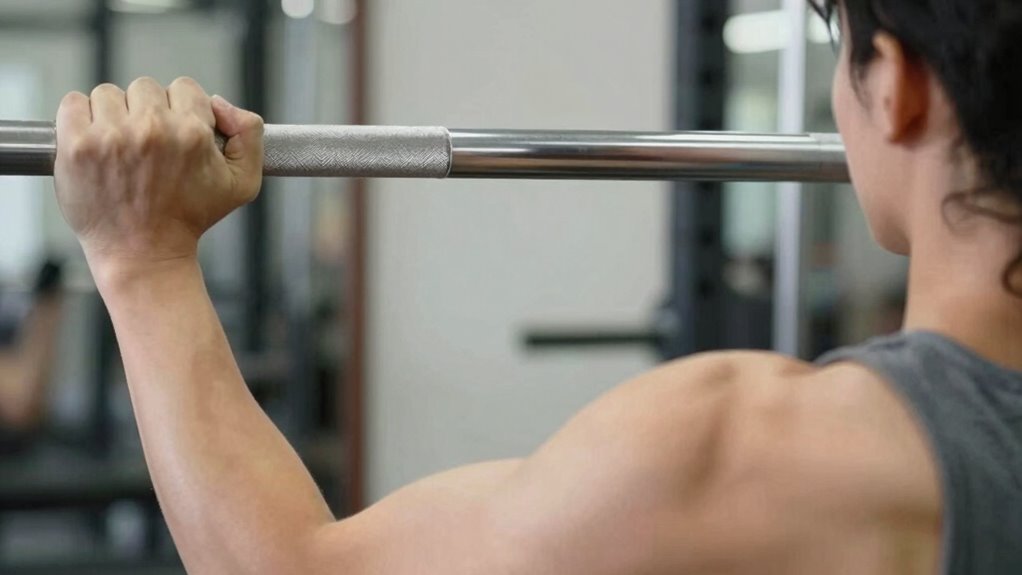

To reduce shoulder stress during Swiss bar presses, focus on proper technique: keep your elbows slightly tucked, maintain neutral wrists, and avoid flaring your elbows outward. Adjust your grip width and use warm-up exercises like shoulder mobility drills and activation moves to prepare your joints. Incorporate equipment modifications, such as padding or neutral handles, and progress gradually to avoid overloading your shoulders. Exploring these strategies further will help you protect your shoulders while maximizing your workout benefits.
Key Takeaways
- Use the multi-grip feature to find a shoulder-friendly grip width and avoid excessive joint stress.
- Maintain proper form by keeping elbows tucked and wrists neutral during pressing movements.
- Incorporate shoulder mobility drills and warm-up exercises to enhance joint flexibility before lifting.
- Activate rotator cuff and scapular stabilizers with light resistance and dynamic movements pre-workout.
- Gradually increase weight and vary grip positions to prevent overuse and promote long-term shoulder health.
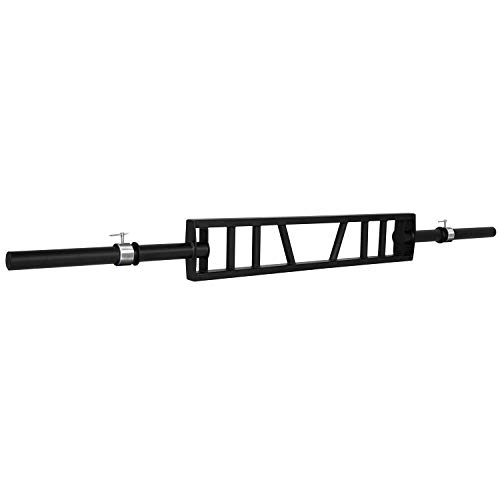
Yes4All Multi Grip Barbell – Swiss Bar, American Bar with 2 Collars, Fits Olympic Weight Plates – Commercial and Home Gym & Support Pressing, Lifting & Curls
HYBRID BAR: The multigrid bar is equipped with 6 different neutral and angled hollow grips for increased versatility…
As an affiliate, we earn on qualifying purchases.
As an affiliate, we earn on qualifying purchases.
What Is the Swiss Bar Press and Why It’s Good for Your Shoulders
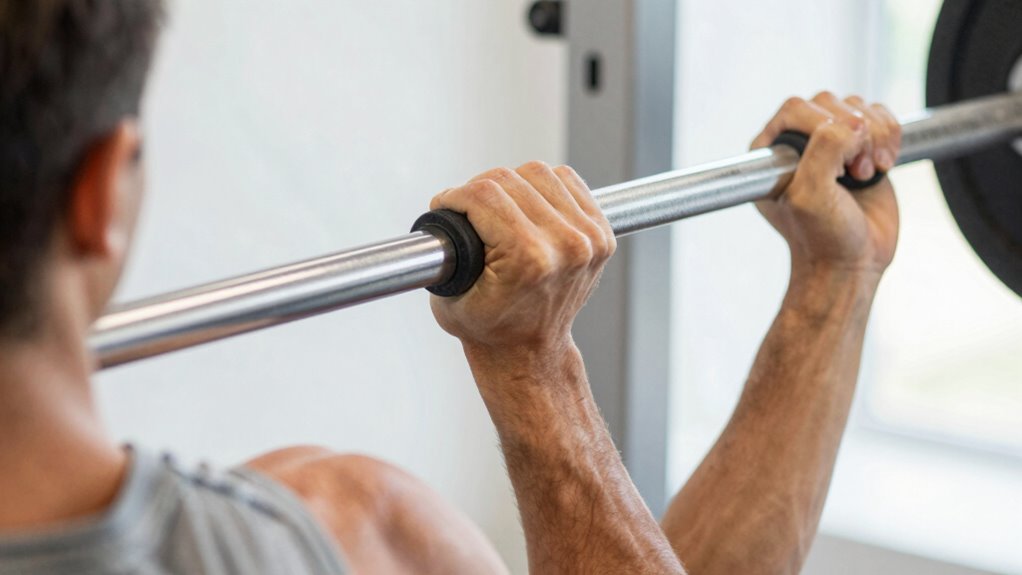
The Swiss Bar Press is a variation of the traditional bench press that features a unique, multi-grip design, allowing you to target different muscle groups and reduce strain on your shoulders. With adjustable grip width, you can customize the exercise to suit your comfort and goals. Changing your grip affects muscle engagement, activating different parts of your chest, shoulders, and triceps. A narrower grip emphasizes your triceps and inner chest, while a wider grip targets your outer chest and shoulders. This versatility helps you avoid overusing certain muscles and decreases the risk of shoulder stress. By switching grip positions, you can maintain effective muscle engagement while protecting your shoulder joints, making the Swiss Bar Press a smart choice for safer, more balanced training. Incorporating proper equipment setup is also crucial for maximizing safety and effectiveness during your workout. Additionally, understanding the anatomy of shoulder muscles can help you execute the exercise with proper form, further reducing the risk of injury. Incorporating muscle activation techniques can also optimize your workout results and ensure balanced development. Using training variations can help prevent plateaus and promote continuous progress. A thorough understanding of muscle engagement can guide you in selecting the most effective grip positions for your specific goals.
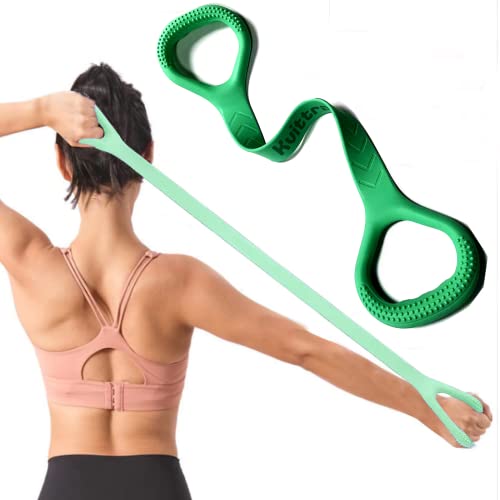
Kvittra Figure 8 Resistance Band, Arm Back Shoulder Exercise Elastic Rope Stretch Fitness Band, Foot, Leg, Hand Stretcher, Arm Exerciser for Yoga Pilates Stretching Physical Therapy, Home Gym Workout
UPGRADED MANUAL DESIGN EXERCISE BANDS – Made of natural latex, designed with an 8 shape, perfectly fits your…
As an affiliate, we earn on qualifying purchases.
As an affiliate, we earn on qualifying purchases.
Common Causes of Shoulder Pain During Swiss Bar Presses
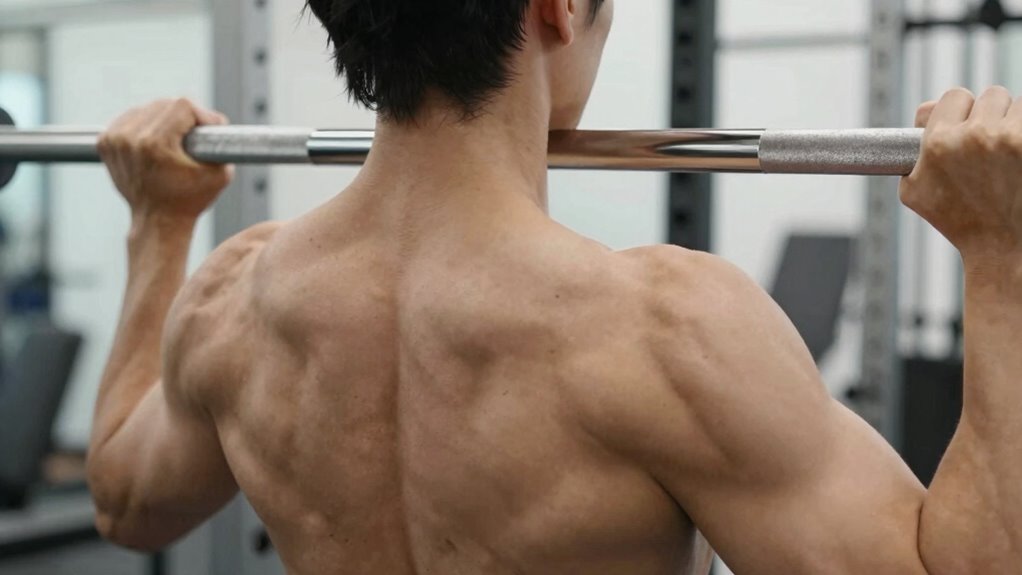
Shoulder pain during Swiss Bar presses often stems from improper grip or positioning that places unnecessary stress on the joint. A common cause is neglecting proper alignment, which can strain the rotator cuff muscles responsible for shoulder stability. When your grip is too narrow or too wide, it can cause joint instability, making your shoulder more vulnerable to pain and injury. Additionally, poor technique or excessive weight placement can overburden the shoulder structures, especially if your rotator cuff isn’t adequately engaged. These issues can lead to inflammation, discomfort, or even tears over time. Recognizing these causes is vital for preventing shoulder pain. Ensuring proper grip width and maintaining good joint alignment helps minimize stress and protects your shoulder health during Swiss Bar presses. Incorporating nutrient-rich foods that support joint health can further aid in preventing discomfort. Paying attention to muscle engagement during exercises can help distribute stress more evenly and reduce strain on vulnerable tissues. Furthermore, understanding the importance of correct exercise technique can significantly decrease the risk of shoulder injuries. Moreover, incorporating proper warm-up routines can prepare the shoulder muscles and tendons for the workload, reducing injury risk.

Fit Simplify Resistance Loop Exercise Bands with Instruction Guide and Carry Bag, Set of 5
High End Exercise Bands. Our 12"³ By 2"³ Heavy Duty Loop Resistance Bands Come In 5 Varying Resistance…
As an affiliate, we earn on qualifying purchases.
As an affiliate, we earn on qualifying purchases.
How to Adjust Your Hand and Elbow Position for Safer Pressing
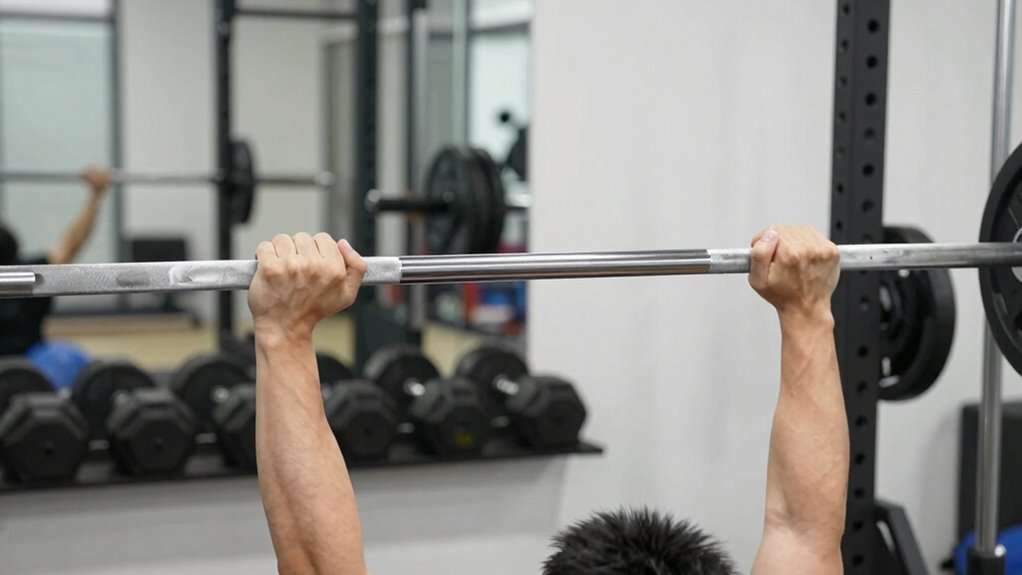
Adjusting your hand and elbow positions is essential for safer Swiss Bar pressing because it helps maintain proper joint alignment and reduces stress on your shoulders. Start by finding a comfortable hand placement that keeps your wrists neutral and avoids excessive extension or flexion. Your grip should be firm but not overly tight, allowing for smooth movement. Focus on elbow positioning; keep your elbows slightly tucked and aligned with your wrists throughout the press. This minimizes shoulder strain and encourages better muscle engagement. Avoid flaring your elbows out too wide, which can increase shoulder stress. Instead, aim for a controlled, stable elbow angle that supports your shoulder joints. Proper hand placement and elbow positioning are key to reducing injury risk and improving your pressing form. Additionally, using correct technique can further enhance safety and effectiveness during your workouts. Maintaining a consistent joint alignment throughout the movement helps prevent improper stress distribution and potential injuries. Paying attention to your movement mechanics ensures safer and more efficient pressing. Incorporating proper form adjustments can also help optimize your technique and protect your shoulders during heavy lifts. Regularly assessing your positioning and making small technique refinements can lead to better long-term performance and injury prevention.
Yes4All Multi Grip Barbell – Swiss Bar, American Bar with 2 Collars, Fits Olympic Weight Plates – Commercial and Home Gym & Support Pressing, Lifting & Curls
HYBRID BAR: The multigrid bar is equipped with 6 different neutral and angled hollow grips for increased versatility…
As an affiliate, we earn on qualifying purchases.
As an affiliate, we earn on qualifying purchases.
Warm-Ups and Mobility Drills to Protect Your Shoulders
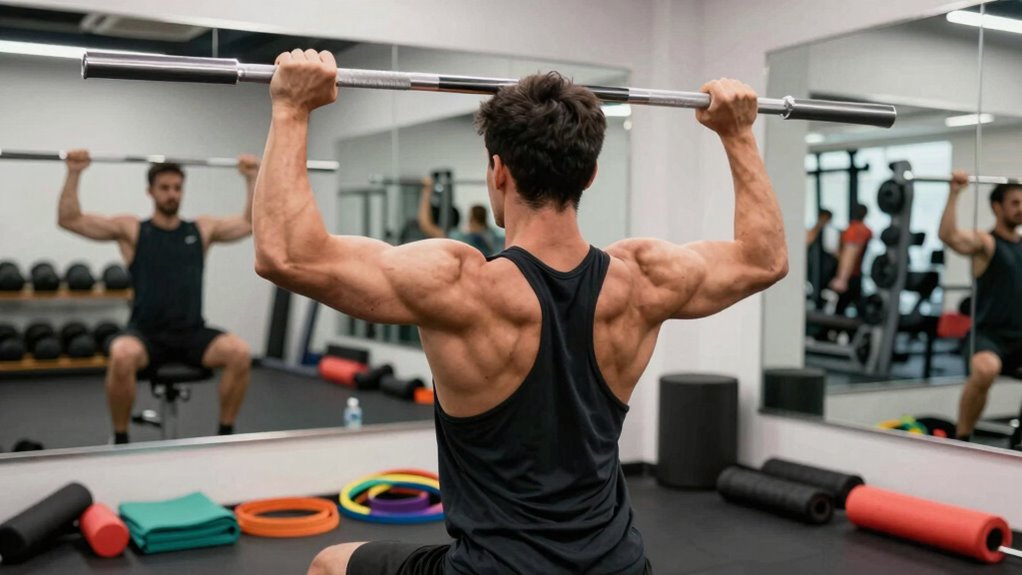
Before you start your Swiss bar pressing, incorporate some pre-workout mobility drills to loosen your shoulders. Use proper activation techniques to make certain your shoulders are ready and protected during the lift. These simple steps can make a big difference in preventing injuries and improving your performance. Additionally, applying safe massage gun techniques can help enhance recovery and maintain shoulder health. Incorporating injury prevention strategies during your warm-up can further safeguard your shoulders from strain.
Pre-Workout Mobility Drills
Proper warm-up and mobility drills are essential to protect your shoulders during Swiss bar pressing. Pre-workout mobility drills prepare your muscles and joints, enhancing shoulder stability and reducing injury risk. Focus on flexibility exercises that target the shoulder girdle, such as arm circles, band pull-aparts, and shoulder dislocates. These movements increase blood flow, improve range of motion, and activate muscles supporting your shoulder joints. Incorporate dynamic stretches that mimic pressing movements to prime your muscles for heavier loads. By dedicating a few minutes to these mobility drills, you’ll ensure your shoulders are better prepared for the demands of Swiss bar pressing, minimizing stress and promoting safer lifting sessions. Consistent pre-workout mobility is key to long-term shoulder health and performance. Including targeted herbal infusion tools can also help relax muscles and reduce tension, further supporting your shoulder safety. Additionally, focusing on joint health awareness can help you identify early signs of discomfort and prevent injury before it occurs. Regularly incorporating mobility exercises into your routine can also improve overall shoulder function and resilience, and paying attention to proper posture and alignment during lifts can further reduce stress on your shoulders. Moreover, ensuring proper cold medications are used when necessary can prevent unnecessary inflammation that might impact recovery and joint health.
Proper Shoulder Activation Techniques
Effective shoulder activation techniques are essential for safeguarding your joints during Swiss bar pressing. Proper warm-up routines help enhance shoulder stability and ensure muscle engagement is optimized before lifting. Start with dynamic movements like arm circles and band pull-aparts to activate the rotator cuff and scapular stabilizers. Incorporate light resistance exercises to prime the muscles responsible for shoulder stability, such as face pulls or external rotations. These drills increase blood flow and improve proprioception, reducing the risk of injury. Focus on controlled, deliberate movements to fully engage the muscles around your shoulder joint. Consistently applying these activation techniques ensures your shoulders are prepared for heavier loads, decreasing stress and promoting safer, more effective presses. Proper activation is key to long-term shoulder health and performance. Additionally, maintaining joint mobility through regular stretching can further support shoulder function and prevent stiffness over time. Engaging in muscle activation routines also enhances neuromuscular coordination, contributing to overall movement efficiency and injury prevention. Incorporating body awareness exercises can help you better understand and control shoulder positioning during lifts. Utilizing resistance bands as part of your warm-up routines can further improve shoulder stability and strength during warm-up routines, making them a versatile tool for injury prevention and performance enhancement.
Using Technique Variations and Equipment to Reduce Shoulder Strain
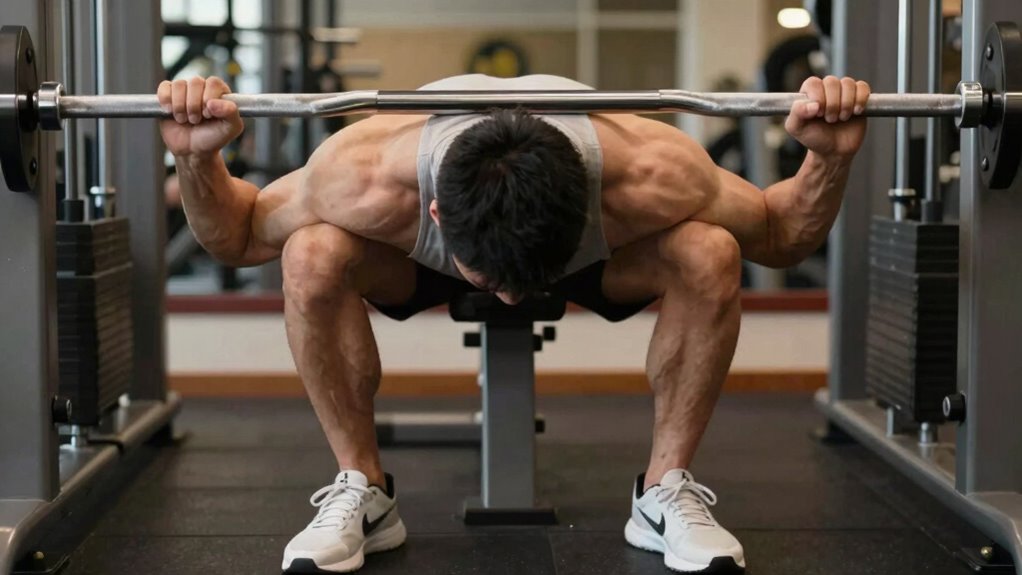
To minimize shoulder strain during Swiss bar pressing, you can incorporate various technique adjustments and equipment choices. One effective method is experimenting with grip variation; switching between wide, narrow, or neutral grips can reduce shoulder discomfort. Additionally, equipment modification plays a vital role—using pads or handles on the Swiss bar can alter leverage and decrease joint stress. Here are some strategies to consider:
Vary your grip and use padding to reduce shoulder strain during Swiss bar presses.
- Change your grip width to find a more comfortable position.
- Incorporate neutral grips with specialized handles for better shoulder alignment.
- Use padding or cushioned grips to lessen direct pressure on the shoulders.
- Adjust the bar’s angle or height to optimize shoulder positioning and reduce strain.
Implementing these variations helps protect your shoulders while maintaining effective pressing performance.
Progressive Loading and Listening to Your Body to Avoid Injuries
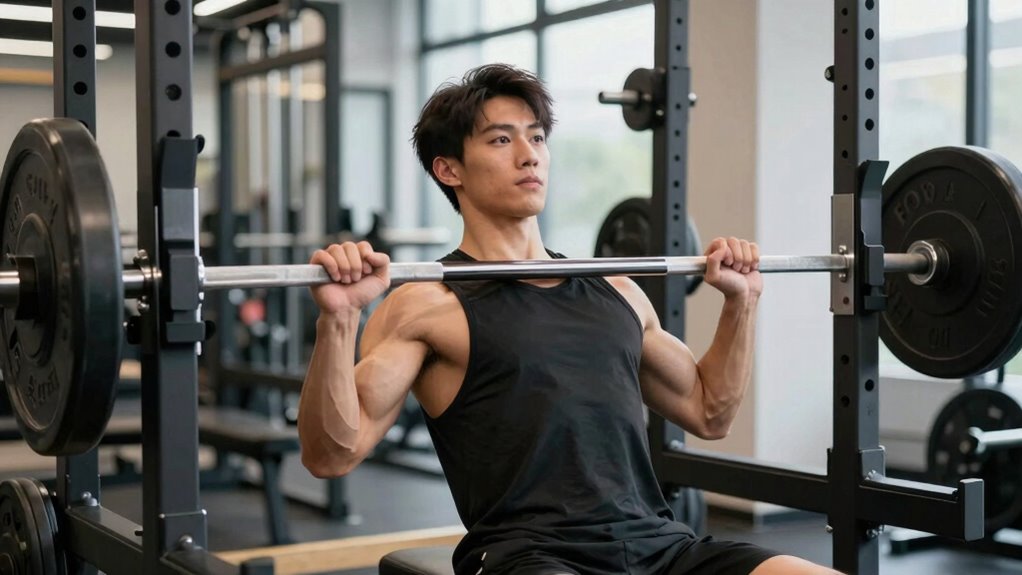
Progressive loading is essential for building strength safely, but it requires paying close attention to how your body responds along the way. By practicing progressive overload gradually, you ensure your muscles adapt without overstraining your shoulders. Listening to your body helps you identify signs of fatigue or discomfort early, preventing injuries. Increase weights or reps in small steps, and don’t push through pain. Developing body awareness allows you to notice subtle changes in your shoulder stability or range of motion, guiding you to adjust your training accordingly. Remember, consistent, incremental progress combined with attentiveness minimizes risk and promotes long-term strength gains. Staying in tune with how you feel ensures your workouts remain effective and injury-free.
Frequently Asked Questions
Can Swiss Bar Pressing Improve Overall Shoulder Stability?
Yes, Swiss bar pressing can improve your overall shoulder stability. It helps enhance shoulder mobility by allowing a more natural grip and movement pattern, which reduces strain on the rotator cuff. By strengthening supporting muscles and promoting proper joint mechanics, this exercise can prevent injuries and increase shoulder resilience. Incorporate Swiss bar presses into your routine to build a more stable, healthier shoulder, especially if you’re recovering from or trying to avoid shoulder issues.
Are There Specific Shoulder Exercises to Complement Swiss Bar Presses?
Yes, you can incorporate shoulder exercises to complement Swiss bar presses. Focus on strengthening your rotator cuff with exercises like external rotations and face pulls, which stabilize your shoulder joint. Improve shoulder mobility through stretches like cross-body and doorway stretches. These exercises help prevent injury, enhance performance, and reduce stress during pressing movements. Consistently integrate them into your routine to build balanced strength and maintain healthy, mobile shoulders.
How Often Should I Incorporate Swiss Bar Presses Into My Routine?
You should incorporate Swiss bar presses into your routine 1 to 2 times per week, depending on your training frequency and goals. This allows you to build strength while minimizing shoulder stress. To prevent injury, make certain you include proper warm-ups, use correct form, and balance your workouts with shoulder mobility exercises. Consistency and listening to your body are key to avoiding overuse and promoting long-term shoulder health.
What Are Signs of Overtraining or Shoulder Strain During These Presses?
You’ll notice signs of overtraining or shoulder strain through muscle fatigue that lingers longer than usual and joint discomfort during or after presses. If your shoulders feel unusually tight, sore, or if you experience sharp pain, it’s a clear sign to rest and recover. Keep an eye on these symptoms, and don’t push through persistent discomfort, as ignoring them can lead to injury. Rest and proper recovery are key.
Is Swiss Bar Pressing Suitable for Beginners With Shoulder Issues?
Definitely, Swiss bar pressing can be suitable for beginners with shoulder issues. You should focus on flexible wrists and grip variations, which help ease shoulder stress. The bar’s neutral grip reduces strain, making it more manageable. Start with light weights and pay close attention to shoulder sensations. If any discomfort occurs, stop immediately. Consistently practicing proper form and gradually increasing intensity will help you build strength safely and comfortably.
Conclusion
By mastering proper form and listening to your body, you can keep shoulder stress at bay like a seasoned sailor steering through choppy waters. Incorporate warm-ups, adjust your grip, and use technique variations to steer clear of injury. Remember, your shoulders are the engines of your pressing power—treat them with care, or risk derailing your progress. With mindful practice, you’ll keep your shoulders resilient and your gains sailing smoothly ahead.