

To boost strength and optimize recovery, prioritize consistent, quality sleep each night. Create a calming bedtime routine, avoid screens and heavy meals before bed, and keep your sleep environment cool, dark, and quiet. Supporting natural hormone production, like growth hormone, during restful sleep is key. By maintaining these habits, you’ll help your muscles repair faster and gain strength more effectively. Keep going to discover more tips to turn your sleep into your secret weapon.
Key Takeaways
- Establish a consistent sleep schedule to optimize hormone production like growth hormone and testosterone for muscle recovery.
- Create a relaxing pre-sleep routine, reducing screens and stress to improve sleep quality and deep sleep duration.
- Optimize your sleep environment with blackout curtains, comfortable bedding, and temperature control to support restorative sleep.
- Avoid caffeine, heavy meals, and alcohol before bedtime to prevent sleep disruptions and promote faster recovery.
- Use sleep tracking and address any disturbances or disorders with professional help to ensure quality rest for strength gains.
Why Sleep Is Crucial for Muscle Recovery and Strength

Getting enough quality sleep is essential because your body repairs and rebuilds muscle tissue during rest. When you sleep well, you support dream enhancement, which can improve your mental clarity and motivation, directly boosting your workout performance. Conversely, sleep deprivation hampers this process, slowing down recovery and leaving your muscles weaker. Without proper rest, your body struggles to repair micro-tears from training, increasing injury risk and decreasing strength gains. Sleep allows your muscles to recover fully, making your workouts more effective. Prioritizing quality sleep helps you optimize recovery, build strength faster, and stay motivated. Additionally, vetted information underscores the importance of sleep for muscle recovery and overall health. Don’t underestimate the power of restful nights—they’re key to maximizing your fitness results and ensuring your muscles grow stronger over time.
The Science of Sleep: How Hormones Help Your Muscles Repair

When you sleep, your body releases key hormones that kickstart muscle repair. These hormones, like growth hormone and testosterone, are essential for rebuilding tissues and strengthening your muscles. Understanding how these hormonal processes work can help you optimize your sleep for better recovery. Additionally, quality sleep supports the release of sleep-related hormones, which further promote muscle regeneration and overall physical health.
Hormonal Release During Sleep
During sleep, your body actively releases vital hormones that facilitate muscle repair and recovery. As you progress through the sleep cycle, hormone production peaks at different stages. During deep sleep, growth hormone is released in large amounts, promoting cell repair and muscle growth. This phase often coincides with periods of dream analysis, which occur during REM sleep, helping your brain process emotions and memories. The hormonal fluctuations during these cycles optimize your body’s ability to recover. Understanding how these hormones interact during each sleep stage highlights the importance of maintaining a consistent sleep routine. By supporting your natural sleep rhythm, you enhance hormone release, ensuring your muscles get the repair they need to strengthen and perform better.
Muscle Recovery Processes
Sleep triggers a series of biological processes that directly support muscle recovery. During deep sleep, your body ramps up protein synthesis, repairing damaged muscle fibers. Cortisol levels decrease, reducing muscle breakdown, while growth hormone promotes tissue growth and repair. To optimize this process, consider having a light bedtime snack rich in protein and carbs, which can boost amino acid availability. Using sleep accessories like blackout curtains or white noise machines can improve sleep quality, ensuring more restorative sleep cycles. When your sleep is uninterrupted, these recovery processes become more efficient, helping your muscles rebuild stronger. Incorporating natural sleep aids such as herbal teas or relaxation techniques can further enhance sleep quality and recovery. Prioritizing quality sleep, along with strategic bedtime snacks and supportive sleep accessories, maximizes your body’s natural ability to recover and grow stronger overnight.
How a Consistent Sleep Schedule Boosts Your Strength Gains

Maintaining a consistent sleep schedule is a powerful way to enhance your strength gains. When your body follows a regular sleep pattern, it optimizes hormone production, including growth hormone, which is essential for muscle repair and growth. To stay on track, consider sleep tracking to monitor your sleep quality and duration nightly. This data helps identify patterns or disruptions that might hinder recovery. Dream journaling can also improve sleep awareness by encouraging reflection on sleep quality and stress levels, enabling you to make adjustments. Consistency reinforces your circadian rhythm, making it easier to fall asleep and wake up refreshed. Additionally, understanding the evolution of arcade games provides insight into how entertainment preferences have shifted over time, highlighting the importance of leisure activities like gaming and pinball for stress relief and relaxation. Over time, this reliable sleep routine supports more effective workouts and faster strength gains, ensuring your body recovers fully and is ready for the next challenge.
Tips for Creating a Bedtime Routine That Promotes Restorative Sleep

Establishing a calming pre-sleep routine can substantially enhance the quality of your rest. Start by creating a relaxing environment—dim the lights and turn off screens to signal your body it’s time to wind down. Incorporate activities like dream journaling to clear your mind and set positive intentions for sleep. Pay attention to your sleep position; finding a comfortable, supportive posture reduces strain and promotes deeper rest. Avoid caffeine or heavy meals close to bedtime, and consider gentle stretches or deep breathing exercises to relax your muscles. Consistency is key—stick to a routine each night to help your body recognize when it’s time for restorative sleep. Additionally, selecting the right sleep products such as supportive pillows and mattresses can further improve your sleep environment. With these tips, you’ll improve your sleep quality and support your strength recovery.
How Sleep Quality Affects Immune Function and Prevents Injuries

Since your immune system relies heavily on restorative processes, good sleep quality directly boosts your body’s ability to fight off infections and recover from illnesses. Prioritizing sleep hygiene — like maintaining consistent sleep schedules and avoiding screens before bed — enhances sleep quality, strengthening immune responses. During deep sleep stages, your body releases cytokines and other immune factors, which help prevent injuries and speed up healing. Dream analysis can offer insights into your sleep patterns, helping you identify disruptions or stressors affecting sleep quality. Poor sleep impairs immune function, making you more susceptible to illness and prolonging recovery times. Additionally, lifestyle choices such as diet and stress management play a crucial role in supporting sleep quality and immune health. By improving sleep hygiene and understanding your sleep through dream analysis, you support your body’s natural defenses, ultimately reducing injury risk and enhancing overall recovery.
Simple Ways to Optimize Your Sleep Environment for Better Recovery

To improve your sleep, start by controlling light exposure—keep your room dark or use blackout curtains. Set the room temperature to a comfortable, cool level to help you fall asleep faster and stay asleep longer. Also, minimize noise distractions with earplugs or white noise machines to create a peaceful environment for recovery. Incorporating comfortable sleepwear can also enhance your comfort and support better rest sleepwear comfort.
Control Light Exposure
Controlling your light exposure is a simple yet powerful way to improve your sleep quality and support muscle recovery. By managing the light you encounter, especially before bedtime, you help regulate your circadian rhythms, which govern your sleep-wake cycle. Exposure to bright light in the evening can delay sleep onset, while early morning light helps reinforce your internal clock. Using light therapy devices or dimming screens in the evening can promote melatonin production, making it easier to fall asleep and stay asleep. Avoiding blue light from phones and computers at night supports deeper, more restorative sleep. Consistent light management aligns your body’s natural rhythms, enhancing recovery and overall sleep quality. Incorporating knowledge of cultural symbols of strength can motivate you to prioritize your health and resilience. Control your light exposure, and your body will thank you with better rest and strength.
Regulate Room Temperature
Maintaining an ideal room temperature is essential for restful sleep and effective muscle recovery. Proper temperature regulation helps you fall asleep faster and stay asleep longer, enhancing sleep comfort. Experts recommend keeping your bedroom between 60 and 67 degrees Fahrenheit, as cooler temperatures support the body’s natural cooling process during sleep. Use a thermostat, fan, or air conditioner to achieve consistent comfort. Avoid overheating by removing extra blankets or wearing breathable sleepwear. A stable, moderate temperature prevents disruptions caused by sweating or chills, allowing your body to focus on repair and recovery. Prioritizing temperature regulation creates an optimal sleep environment, helping you wake up feeling refreshed and ready to build strength. Small adjustments can considerably impact your overall recovery quality. temperature regulation is also influenced by bedding choices, such as breathable mattress toppers, which help maintain a comfortable sleep surface throughout the night.
Minimize Noise Distractions
A quiet sleep environment can make a noticeable difference in how deeply andrestfully you recover. Noise disruptions, whether from traffic, neighbors, or electronics, can fragment your sleep and reduce its restorative quality. To minimize noise distractions, consider using white noise machines, which create a consistent background sound that masks sudden noises. Earplugs are another effective option—they block out disruptive sounds and help you stay asleep longer. Guarantee your bedroom is as soundproofed as possible by sealing gaps around windows and doors. Keeping noise levels low allows your body to enter deeper sleep stages, enhancing recovery and muscle repair. Additionally, selecting soundproofing materials for your bedroom can further reduce external noise intrusion. By reducing noise disturbances, you give yourself the best chance for uninterrupted, restorative sleep, supporting your overall strength and health.
Common Sleep Disruptors and How to Overcome Them
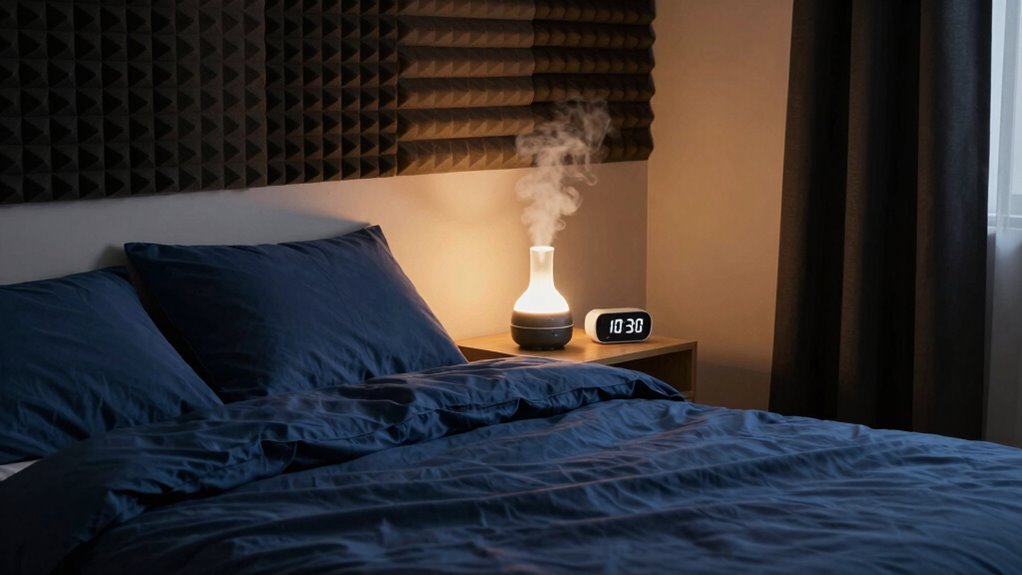
Many common sleep disruptors can interfere with your ability to get restful, restorative sleep. Poor sleep hygiene, like inconsistent bedtimes or excessive screen time before bed, hampers your sleep quality. Stress and anxiety can also cause restless nights, but practicing relaxation techniques helps. Dream analysis might reveal subconscious worries that disrupt your rest, so journaling or reflection can identify patterns to address. Caffeine and heavy meals close to bedtime are culprits too; cutting back on caffeine and eating earlier can improve sleep. Environmental factors such as light, noise, and temperature matter, so make your sleep space dark, quiet, and cool. Addressing these disruptors proactively helps you achieve the deep, restorative sleep needed for muscle recovery and overall strength.
How Sleep Hormones Influence Muscle Growth and Recovery

Your sleep hormones play a vital role in muscle growth and recovery. Melatonin helps you rest deeply, while the timing of growth hormone release maximizes muscle repair. When your sleep quality improves, your body recovers faster and builds strength more effectively.
Melatonin’s Role in Rest
Have you ever wondered how your body naturally prepares for recovery during sleep? Melatonin, the sleep hormone, plays a crucial role in this process by regulating your circadian rhythm, signaling when it’s time to rest. Proper melatonin levels help you fall asleep faster and stay asleep longer, optimizing muscle repair and recovery. Melatonin supplementation can support this process, especially if your sleep schedule is irregular or exposed to artificial light at night. Here’s a quick look at how melatonin influences rest:
| Effect | How It Works | Benefit |
|---|---|---|
| Regulates sleep | Signals sleep onset | Better sleep quality |
| Supports recovery | Promotes deep sleep phases | Enhanced muscle repair |
| Balances circadian rhythm | Synchronizes internal clock | Consistent sleep-wake cycle |
| Reduces jet lag | Adjusts sleep patterns | Faster adaptation to new time zones |
| Boosts immune function | During sleep, melatonin aids immune cells | Overall recovery and health |
Growth Hormone Release Timing
Growth hormone, a key player in muscle growth and recovery, is released in pulses primarily during deep sleep stages. Your sleep cycles regulate this release, making quality sleep crucial for maximal recovery. When you enter deep sleep, growth hormone levels spike, promoting tissue repair and muscle growth. To maximize this process:
- Stick to a consistent sleep schedule to strengthen your sleep cycles
- Prioritize deep sleep by creating a cool, dark environment
- Limit disruptions that can interrupt hormone pulses during recovery
Understanding the timing of growth hormone release helps you tailor your sleep routine for better muscle repair. The more you support your sleep cycles, the more effectively your body can harness growth hormone’s power, enhancing strength and recovery over time.
Sleep Quality and Recovery
Sleep quality directly impacts muscle growth and recovery because sleep hormones like growth hormone and cortisol regulate tissue repair and inflammation. Poor sleep can disrupt these hormones, hindering your progress. To enhance sleep quality, try dream journaling to better understand your sleep patterns and identify disruptions. Sleep tracking devices help you monitor your sleep cycles, revealing if you’re getting enough deep and REM sleep essential for recovery. Consistently high-quality sleep boosts growth hormone levels, which promotes muscle repair, while reducing cortisol helps prevent excessive inflammation. Prioritizing restful sleep creates an ideal environment for your muscles to rebuild stronger. Incorporating these practices into your routine ensures your body maximizes recovery, making your efforts in the gym more effective and sustainable over time.
Track Your Sleep to Maximize Your Performance and Progress
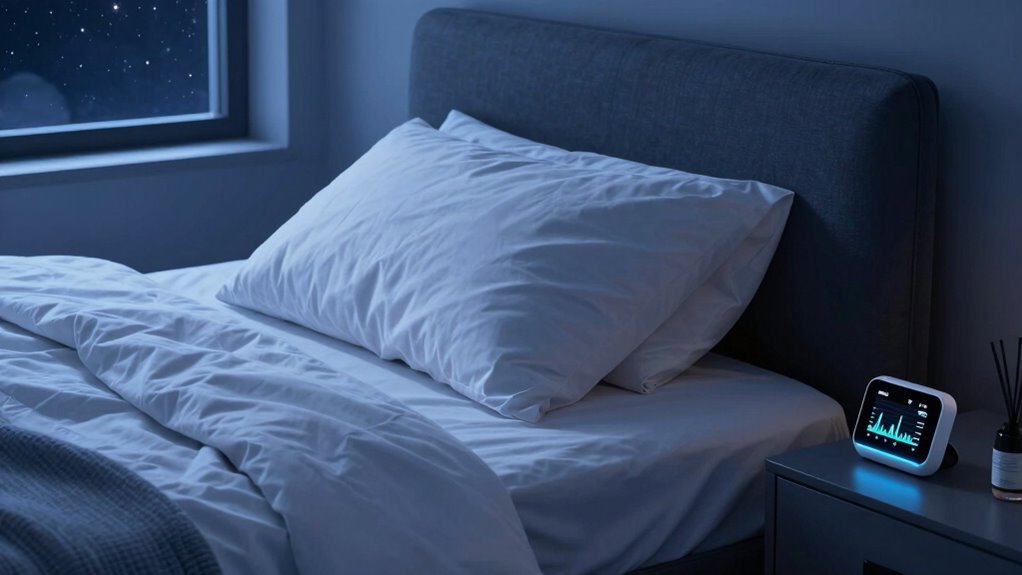
Tracking your sleep might just be the most effective way to optimize your performance and see real progress. By monitoring your sleep patterns, you gain insights that help you adjust your routines for better recovery. Sleep tracking allows you to identify trends like irregular sleep, wake times, and sleep stages, giving you a clear picture of your rest quality. This data enables more accurate performance monitoring, so you can fine-tune your habits to enhance strength and endurance. Consider these key aspects:
- Consistent sleep and wake times
- Duration of deep and REM sleep
- Factors disrupting sleep quality
Using sleep tracking tools, you’ll better understand your body’s needs, leading to smarter recovery strategies and improved overall performance.
When to Seek Professional Help for Sleep and Recovery Challenges

Recognizing when your sleep issues require professional help is essential for effective recovery and performance. If sleep disorders like insomnia, sleep apnea, or restless leg syndrome persist despite good sleep hygiene, it’s time to consult a specialist. Persistent fatigue, daytime drowsiness, or mood changes may indicate underlying issues that need medical attention. Additionally, if stress management techniques aren’t improving your sleep, seeking professional advice can help identify underlying causes and develop tailored solutions. Don’t ignore chronic sleep problems, as they can impair recovery and overall health. Professional help ensures proper diagnosis and treatment, allowing you to break free from sleep disruptions and optimize your strength and performance. Prioritize your well-being by addressing sleep challenges early.
Frequently Asked Questions
How Much Sleep Is Optimal for Muscle Recovery?
You should aim for 7 to 9 hours of sleep each night for essential muscle recovery. During this time, your sleep architecture, especially REM cycles, plays a vital role in repairing muscles and restoring energy. By completing multiple REM cycles, your body effectively synthesizes proteins and clears toxins. Prioritize consistent sleep schedules to enhance these cycles, ensuring your muscles recover fully and you stay strong for your workouts.
Can Napping Improve My Strength Gains?
Imagine recharging your body’s battery with a quick power nap, and yes, it can boost your strength gains. Short power naps that align with your sleep cycles help your muscles recover faster and enhance performance. By fitting these naps into your routine, you give your body a chance to rebuild and strengthen during restful moments. So, embrace the power of naps—they’re a simple way to amplify your progress.
What Foods Promote Better Sleep Quality?
You can promote better sleep quality by choosing foods rich in tryptophan, magnesium, and melatonin, like almonds, bananas, and turkey. Timing your nutrient intake with nutrient timing helps your body absorb these nutrients more effectively. Incorporate a small bedtime snack, such as Greek yogurt or a banana, to boost sleep hormones. Avoid caffeine and heavy meals before bed to make certain of restful sleep, aiding your recovery and strength gains.
How Does Stress Affect Sleep and Recovery?
Did you know that nearly 75% of adults report sleep problems caused by stress? Stress elevates hormones like cortisol, which can disrupt your sleep cycles and lead to sleep deprivation. When you don’t get enough rest, your recovery process slows down, making it harder to rebuild strength. Managing stress through relaxation techniques helps balance these hormones, ensuring better sleep and faster recovery, so you stay stronger and healthier.
Are Sleep Supplements Effective for Muscle Repair?
Sleep aids and natural remedies can help you improve your sleep quality, which is essential for muscle repair. While some supplements, like melatonin or magnesium, may support better rest, their effectiveness varies. You should focus on establishing a consistent sleep routine and using natural remedies like herbal teas or relaxation techniques, rather than relying solely on sleep aids. Always consult a healthcare professional before starting any supplement regimen.
Conclusion
By prioritizing quality sleep, you’re planting the seeds for your muscles to blossom and your strength to soar. Think of sleep as your nightly fuel tank, refilling your body’s powerhouse for the next day’s battle. When you nurture this essential ritual, you’re crafting a fortress of recovery and resilience. So, embrace your bedtime routine like a trusted ally, and watch your strength grow stronger with each peaceful night’s rest.