
Recovery metrics like HRV, sleep, and soreness give you valuable clues about your physical and mental state, showing how well your body is handling stress and repairing itself. HRV reveals resilience, sleep quality reflects rest and hormonal balance, and soreness indicates muscle recovery. However, these tools can’t predict your overall performance or skill development, as external factors and individual differences also play major roles. To improve your understanding, keep exploring how to integrate these insights effectively.
Key Takeaways
- HRV indicates stress levels and hormonal balance but doesn’t predict specific performance outcomes or skill proficiency.
- Sleep quality reflects recovery capacity and resilience but cannot guarantee immediate performance improvements.
- Soreness signals recovery status but may be influenced by external factors and doesn’t solely determine readiness.
- Recovery metrics are guides; external conditions and individual differences can cause data fluctuations unrelated to actual performance.
- Combining multiple metrics provides a holistic view, but no single measure can fully predict athletic success or technical mastery.

CCHEEN Smart Bracelet, Subscription-Free 24/7 Health Tracking, Heart Rate, SpO2, HRV & Sleep Tracker with IPX8 Waterproof, Wearable Activity & Fitness Tracker, 7-Day Battery, 2 Bands (Black)
Precision Health Tracking, No Monthly Fees: Get accurate, continuous monitoring of your heart rate, HRV, SpO2, and stress…
As an affiliate, we earn on qualifying purchases.
As an affiliate, we earn on qualifying purchases.
What HRV Tells You About Your Recovery
Heart Rate Variability (HRV) provides a real-time window into your body’s recovery status. When your HRV is high, it indicates your body is relaxed, resilient, and effectively managing stress, while low HRV signals heightened stress indicators and potential fatigue. HRV reflects hormonal fluctuations that occur with stress and recovery, such as cortisol and adrenaline levels. If these hormones are elevated, your HRV drops, showing your body is under strain. Conversely, stable hormonal balances lead to better HRV readings, suggesting you’re ready to train or recover more efficiently. Tracking HRV helps you identify when your body is genuinely prepared for intense activity or needs rest. It’s a powerful tool for understanding how stress indicators and hormonal fluctuations influence your overall recovery process. Additionally, the concept of Free Floating emphasizes that recovery isn’t solely about rest but also about maintaining a balance that supports overall well-being. An understanding of biological markers like HRV can further enhance your ability to optimize recovery strategies effectively. Recognizing the importance of autonomic nervous system balance can deepen your insight into how your body adapts to stress and recovery. Moreover, monitoring hormonal fluctuations can provide deeper insights into your recovery status beyond HRV alone. Recognizing individual differences in net worth or personal circumstances can also help tailor recovery strategies to your unique needs.

Zeacool Fitness Tracker with 24/7 Heart Rate, Blood Oxygen Blood Pressure Sleep Monitor, Activity Trackers 5 ATM Waterproof,Step Calorie Counter Pedometer Health Smart Watch for Women Men (Black)
24/7 Heart Rate Monitor :This blood pressure watch supports real-time dynamic heart rate, blood oxygen, blood pressure ,Sleep…
As an affiliate, we earn on qualifying purchases.
As an affiliate, we earn on qualifying purchases.
How Sleep Quality Shows Your Rest and Resilience
Your sleep patterns reveal how well your body recovers and handles stress. When your sleep quality improves, your resilience increases, making it easier to bounce back from challenges. Conversely, poor sleep can signal that your recovery needs attention, affecting your overall performance. Incorporating smart home devices like sleep trackers can provide valuable insights into your sleep quality and help optimize your recovery. These devices can also monitor environmental factors, such as light and noise levels, that influence sleep quality and overall well-being. Understanding regional flavors and pairings can also enhance your relaxation routines, creating a more restorative sleep environment. Additionally, utilizing soundproofing solutions can significantly reduce unwanted noise disturbances, further supporting better sleep quality and recovery.
Sleep Patterns and Resilience
When sleep quality declines, it often signals that your body’s resilience is under stress. Poor sleep patterns can reveal underlying issues with your sleep hygiene, such as irregular bedtimes or screen exposure before bed. These disruptions hinder restorative sleep, making it harder for your body to recover. Paying attention to dream analysis can also offer insights into your mental resilience; frequent nightmares or restless dreams may indicate stress or emotional strain. Maintaining consistent sleep routines and improving sleep hygiene boost your resilience by supporting deeper, more restorative sleep cycles. Recognizing these patterns helps you identify when your body needs extra recovery, so you can make adjustments to enhance your overall resilience and readiness for daily challenges. Monitoring sleep tracking data can provide additional insights into your recovery needs and help you optimize your sleep habits. Additionally, understanding your sleep architecture can help you identify specific stages of sleep that might be disrupted, further informing your recovery strategies. Developing awareness of recovery signals from your body, such as increased fatigue or soreness, can also guide your sleep and recovery practices.
Impact of Sleep Quality
Sleep quality provides a clear window into how well your body is recovering and maintaining resilience. When your sleep is restful and uninterrupted, your body can repair tissues, regulate hormones, and restore energy effectively. Conversely, sleep deprivation hampers these processes, leaving you more vulnerable to fatigue and stress. Dream quality, an often-overlooked aspect, can also reflect your sleep health; vivid, restorative dreams usually indicate deep, restorative sleep phases. Poor sleep quality might mean frequent awakenings or shallow sleep, which disrupts recovery. If your sleep is consistently restless or your dreams are fragmented, your resilience diminishes, making it harder to bounce back from physical or mental stress. Paying attention to sleep quality helps you optimize recovery and sustain resilience over time. Additionally, sleep tracking tools can offer valuable insights into your sleep patterns, enabling targeted improvements to boost overall recovery. Recognizing the significance of sleep quality can guide you toward healthier habits that support your physical and mental well-being. Incorporating mindfulness and relaxation techniques before bed can further enhance sleep quality and recovery, especially when combined with understanding your sleep stages through tracking data. Regularly monitoring your sleep patterns can also help identify underlying issues affecting your rest and resilience.

NEXO Fitness High-Density Round Foam Roller for Muscle Soreness Recovery, Exercise, Massage – 18", 24", 36" Blue Fleck (24 Inch)
High-Density & Commercial-Grade
As an affiliate, we earn on qualifying purchases.
As an affiliate, we earn on qualifying purchases.
Using Soreness and Muscle Fatigue to Assess Recovery
Soreness and muscle fatigue are valuable indicators for evaluating recovery progress, especially after intense training sessions. Tracking muscle soreness can reveal how your body responds to training stress, while fatigue assessment helps determine if your muscles are ready for more. Keep in mind, however, that soreness doesn’t always correlate directly with recovery status. It’s helpful to observe:
- Persistent soreness may suggest incomplete recovery or overtraining
- Reduced soreness over time indicates progress
- Fatigue levels can fluctuate based on nutrition, sleep, and stress
- Monitoring recovery indicators alongside soreness and fatigue can provide a more comprehensive understanding of your recovery status
Additionally, understanding the role of air quality in recovery can help optimize your environment for better sleep and muscle repair. Improving environmental factors such as air quality and temperature can significantly impact your overall recovery process. Being aware of how external conditions influence recovery can help you make adjustments to enhance your results. For example, home security systems with advanced monitoring can help ensure a safe environment that supports rest and recovery. Using these signs alongside other metrics provides a clearer recovery picture. Remember, soreness and fatigue are useful tools, but they shouldn’t be the sole basis for your training decisions. Combining them with other recovery indicators ensures a more accurate assessment.

MZOO Luxury Sleep Eye Mask for Side Sleeper Men Women, Zero Eye Pressure 3D Sleeping Mask, Light Blocking Patented Design Night Blindfold, Soft Eye Shade Cover for Travel, Black
Zero Eye Pressure: The Deepest 13mm arc-shaped widened eye cups provide makeup-safe space and allow natural blinking
As an affiliate, we earn on qualifying purchases.
As an affiliate, we earn on qualifying purchases.
Why Recovery Metrics Can’t Fully Predict Performance
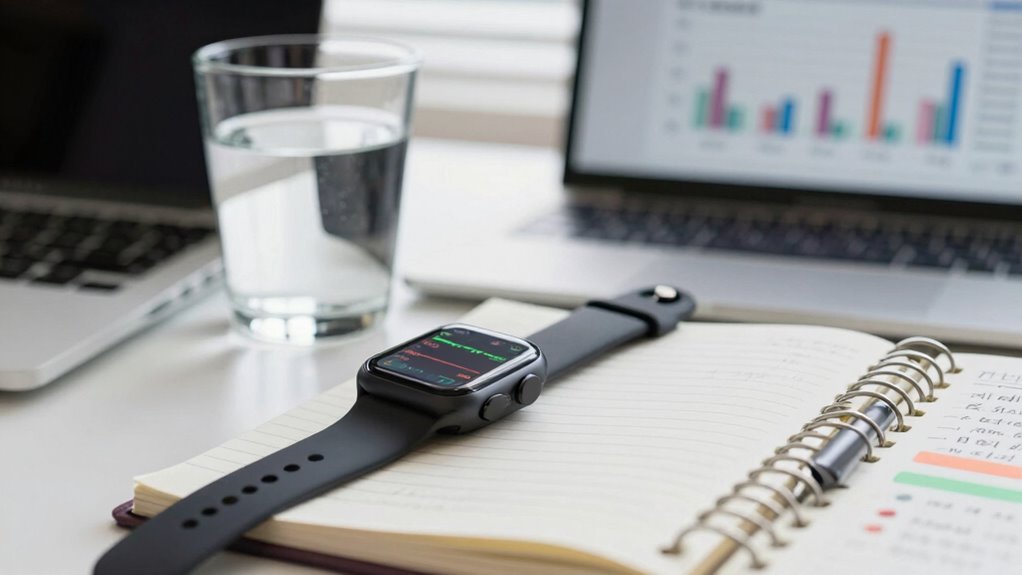
Recovery metrics provide useful insights, but they don’t tell the whole story about your performance. External factors like environment and mental state play a big role, often influencing results more than numbers show. Plus, individual differences mean what works for one person might not apply to another. Incorporating solar system safety measures into your planning can help prevent unexpected issues that might affect your overall performance or recovery. Understanding sustainable textile care practices can also support your recovery by promoting better fabric quality and durability in athletic wear. Additionally, considering personalized approaches ensures that recovery strategies are tailored to individual needs and circumstances. Recognizing the importance of individual variability can further refine how you interpret recovery data and adjust your routines accordingly. Being aware of environmental considerations can help you make more informed decisions about your recovery routines and overall health.
Metrics Don’t Predict Skill
While recovery metrics can provide useful insights into how your body is responding to training, they don’t tell the full story about your performance potential. Skill development and technique refinement play vital roles that metrics alone can’t capture. Improving your skills involves practice, focus, and experience—factors that aren’t directly measurable through HRV or sleep data. Even if your recovery metrics suggest you’re ready, your actual performance depends on your ability to execute techniques correctly and adapt under pressure. Remember,:
- Mastery requires consistent practice beyond rest and recovery signals
- Technique refinement often takes time, regardless of recovery status
- Skill improvement depends on mental focus and contextual understanding, not just physical readiness
External Factors Matter
External factors can heavily influence your performance, regardless of what your recovery metrics indicate. Even if your HRV, sleep, or soreness levels look good, mindset challenges like stress or lack of motivation can still impact your results. Environmental influences, such as weather, training conditions, or noise levels, also play a role. These factors can cause fluctuations that recovery data alone can’t explain. It’s easy to assume ideal metrics guarantee top performance, but external pressures and mental state often determine how well you perform on a given day. Recognizing these influences helps you avoid over-relying on recovery numbers. Instead, consider the broader context—your mindset and environment—to better understand your true readiness and optimize your training outcomes.
Individual Variability Limits
Have you ever noticed how two athletes with similar recovery scores can perform very differently? That’s because individual variability limits recovery metrics’ predictive power. Biological differences mean each person responds uniquely to training stress. Lifestyle influences, like diet, sleep quality, and stress, also shape recovery in ways metrics can’t fully capture.
- Your genetics affect how quickly you recover
- Daily stressors can skew HRV and sleep data
- Adaptations vary widely among individuals
Because of these factors, recovery metrics provide guidance, not guarantees. They can highlight trends but can’t fully predict performance. Recognizing this variability helps you avoid over-relying on numbers and emphasizes listening to your body’s signals instead.
Combining HRV, Sleep, and Soreness Data for Better Insights
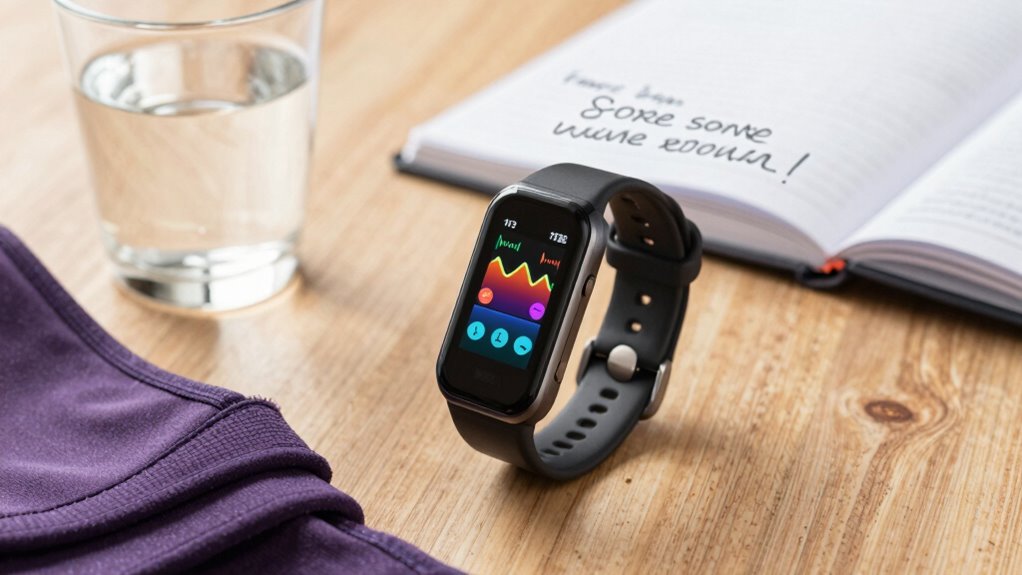
Combining HRV, sleep, and soreness data provides a more exhaustive view of your recovery status, allowing you to identify patterns and make informed adjustments to your training. This holistic approach strengthens the mind-body connection, helping you understand how stress impacts both physical and mental recovery. When these data points align—say, low HRV, poor sleep, and increased soreness—it signals that your body needs extra recovery or stress management strategies. Tracking all three offers a clearer picture of your overall resilience, preventing overtraining and burnout. With this combined insight, you can fine-tune your training load, prioritize rest, and improve your stress response, ultimately supporting better performance and long-term health.
Common Mistakes When Tracking Recovery Data
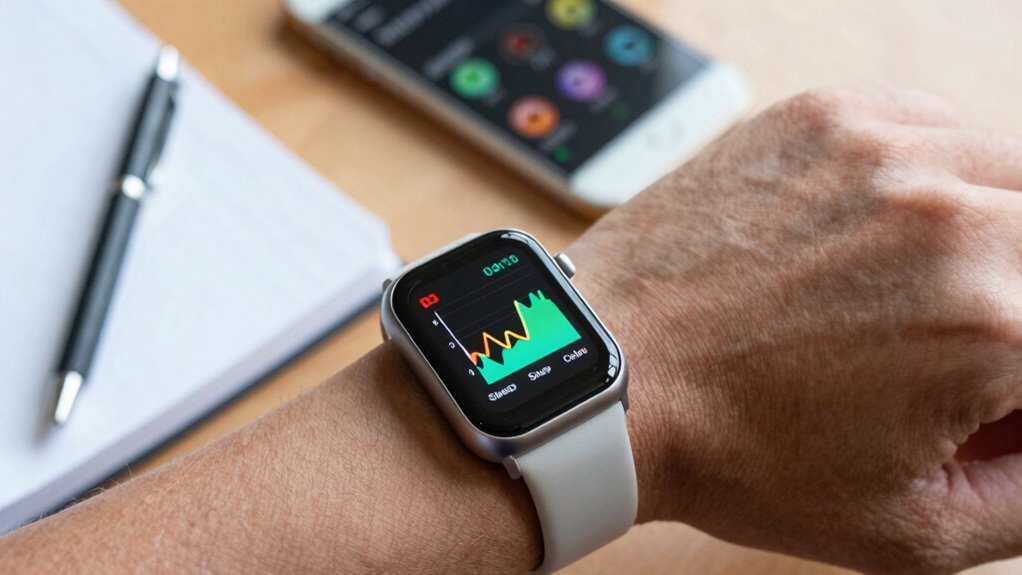
While tracking HRV, sleep, and soreness data can offer valuable insights into your recovery, many people make common mistakes that undermine their efforts. One key error is ignoring overtraining signs, which can be masked if you only focus on one metric. Additionally, misinterpreting hydration effects can lead you to false conclusions about your recovery status.
To avoid pitfalls, consider these points:
- Relying solely on HRV without considering sleep or soreness can give an incomplete picture.
- Ignoring hydration’s impact on your metrics might cause you to overestimate fatigue.
- Expecting perfect consistency in data collection, instead of recognizing natural fluctuations, can lead to misguided decisions.
Being aware of these mistakes helps you make smarter adjustments and prevents overtraining, ensuring your recovery tracking remains effective.
Tips for Using Recovery Metrics Safely and Effectively
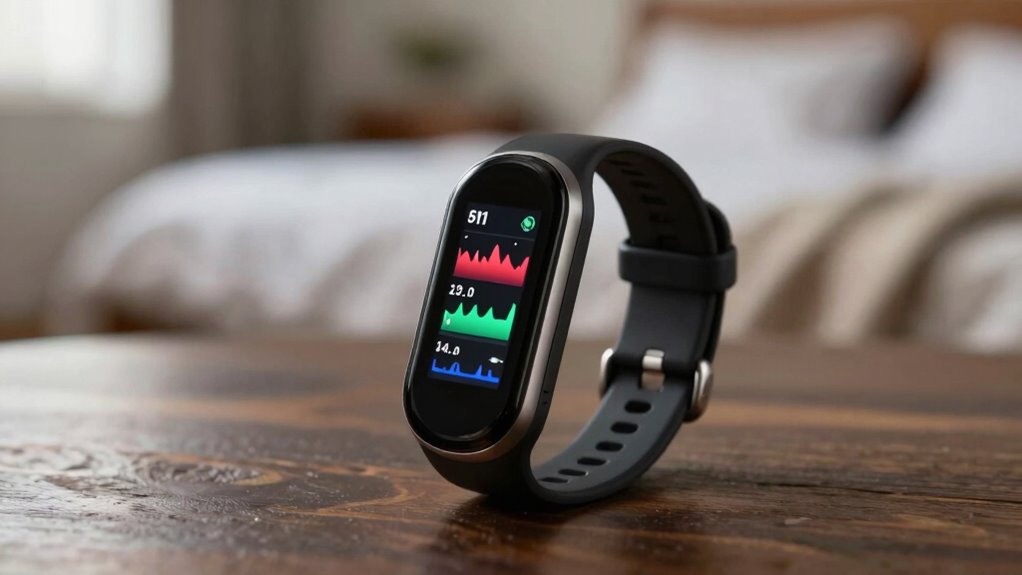
To use recovery metrics safely and effectively, it’s essential to see them as guides, not strict rules. Don’t rely solely on data; listen to your body’s signals and prioritize stress management techniques like deep breathing or meditation to reduce overall stress. Implement proper hydration strategies to support recovery, ensuring you’re drinking enough water throughout the day, especially after intense workouts or poor sleep. Use metrics to identify patterns and adjust your training or rest days accordingly, but avoid obsessing over every fluctuation. Remember, recovery is multifaceted—metrics are helpful tools, but they shouldn’t replace your intuition or expert advice. By balancing data with mindful practices, you optimize your recovery without risking burnout or injury.
Frequently Asked Questions
Can Recovery Metrics Predict Potential Injury Risks Accurately?
Recovery metrics can help identify overtraining signs and potential injury risks, but they aren’t foolproof predictors. If your HRV drops or sleep quality worsens, it might indicate you’re pushing too hard, especially with poor nutritional impact. However, individual differences mean these metrics alone can’t guarantee injury prediction. Use them as part of a broader awareness of your body’s signals and adjust training accordingly.
How Often Should I Track HRV, Sleep, and Soreness for Optimal Insights?
To enhance insights, you should track HRV, sleep, and soreness consistently, ideally daily or every other day. This tracking frequency helps you catch patterns and pinpoint progress. Focus on the ideal timing—morning measurements for HRV, post-sleep for sleep quality, and after workouts for soreness. Staying steady with your schedule ensures you gather accurate data, supporting smarter strategies for recovery, resilience, and results.
Are There Specific Recovery Thresholds for Different Fitness Levels?
Yes, your recovery thresholds vary based on your fitness level, helping you optimize training adaptations. Beginners might see significant changes with smaller fluctuations, while advanced athletes need more precise, personalized thresholds. Track your HRV, sleep, and soreness regularly to identify what’s normal for you and modify your training accordingly. This personalized approach ensures you’re pushing just enough without risking overtraining, promoting better progress and overall health.
Can External Factors Like Stress or Diet Impact Recovery Data?
Yes, external factors like stress impact your recovery data, and diet influence can also play a significant role. High stress levels can lower HRV and disturb sleep, making recovery appear worse than it actually is. Similarly, poor diet can hinder muscle repair and recovery markers. Keep in mind these factors can skew your data, so consider them when evaluating your recovery and avoid jumping to conclusions based solely on numbers.
Is It Better to Rely Solely on One Metric or Combine Multiple Indicators?
Sure, relying solely on one metric might seem simpler, but it’s like trying to see the whole picture with one eye. Single metric limitations can mislead you, ignoring the bigger recovery story. Data integration challenges make combining HRV, sleep, and soreness essential for accuracy. So, yes, blending multiple indicators isn’t just smarter—it’s necessary to truly understand your recovery and avoid false positives or negatives.
Conclusion
Remember, recovery metrics are your compass, but not the entire map. They highlight your body’s signals, helping you steer clear of burnout and injury. But don’t rely on them alone—your mind and intuition matter too. Think of these tools as a lighthouse guiding your journey, not the whole voyage itself. Use them wisely, stay attentive to your body’s whispers, and keep moving forward with balance and awareness.