Recovery is a skill you can actively develop by focusing on four key habits: practicing mindfulness to stay aware of your body’s signals, maintaining good sleep hygiene through a consistent routine and environment, viewing recovery as an intentional part of your daily life, and building habits that support relaxation and rest. When you make these habits routine, you strengthen your resilience and boost your overall health. Keep going, and you’ll discover how these simple steps can transform your recovery process.
Key Takeaways
- Recovery is an active skill that can be developed through intentional habits, not just passive rest.
- Practicing mindfulness enhances awareness of stress signals, improving recovery responses.
- Prioritizing quality sleep through consistent routines and sleep hygiene accelerates healing.
- Building habits around mindfulness and sleep makes recovery a seamless, automatic part of daily life.
- Viewing recovery as a skill empowers control, leading to better health, resilience, and overall well-being.
Have you ever thought about recovery as something you can improve with practice? It might seem like a passive process—something that just happens when you rest—but in reality, recovery is a skill you can develop. The habits you cultivate, especially around mindfulness practice and sleep hygiene, play a pivotal role in how effectively you bounce back from stress, fatigue, or injury. By intentionally honing these habits, you can make recovery faster and more efficient, leading to better overall health and resilience.
Mindfulness practice is a powerful tool that can enhance your recovery process. When you become more aware of your body and mind, you start noticing early signs of stress or fatigue before they escalate. Regular mindfulness exercises—like meditation, deep breathing, or simply paying close attention to your sensations—help calm your nervous system. This reduces cortisol levels, relaxes tense muscles, and clears mental clutter, all of which support your body’s natural healing processes. The key is consistency; just a few minutes daily can make a significant difference over time. As you practice mindfulness, you learn to listen to your body’s signals more attentively, allowing you to adjust your activity levels and recovery strategies accordingly.
Sleep hygiene is another essential habit that directly impacts your ability to recover. Good sleep isn’t just about quantity but also about quality. Creating a sleep-friendly environment involves keeping your bedroom cool, dark, and quiet, and establishing a consistent bedtime routine. Avoiding screens at least an hour before bed helps prevent blue light from disrupting your melatonin production, making it easier to fall asleep and stay asleep. Limiting caffeine and heavy meals close to bedtime also contributes to better rest. When you prioritize sleep hygiene, you enable your body to repair tissues, regulate hormones, and clear waste products from your brain. This not only speeds up physical recovery but also refreshes your mental state, making you more resilient to future stressors. Additionally, investing in high-quality home theatre projectors can create a relaxing environment conducive to unwinding before bed.
Building recovery as a skill means viewing these habits not as chores but as integral parts of your daily routine. It’s about intentionality—choosing to incorporate mindfulness practice and sleep hygiene into your lifestyle consistently. Over time, these habits become second nature, transforming recovery from a passive afterthought into an active process you control. The more you practice, the more your body and mind learn to recover efficiently, making you stronger, more balanced, and better equipped to face life’s challenges. Remember, recovery isn’t just about resting; it’s about cultivating habits that empower you to recover smarter, not harder.

Retrospec Sedona Zafu Meditation Cushion with Buckwheat Hull Fill – Adjustable Yoga & Pilates Equipment Support – 17in Crescent Cotton Cover
NATURAL COMFORT & SUPPORT: Filled with sustainable buckwheat hulls, this meditation cushion elevates your practice by aligning your…
As an affiliate, we earn on qualifying purchases.
As an affiliate, we earn on qualifying purchases.
Frequently Asked Questions
How Long Does It Typically Take to Develop Recovery Skills?
It usually takes about 21 to 66 days to develop recovery skills through habit formation and consistent practice. The exact time varies depending on your commitment and the complexity of the habits you’re trying to build. You’ll want to stay patient and persistent, knowing that skill acquisition requires regular effort. As you keep practicing, recovery becomes more natural, and these habits will soon support your resilience and well-being.
Are There Specific Habits That Accelerate Recovery Progress?
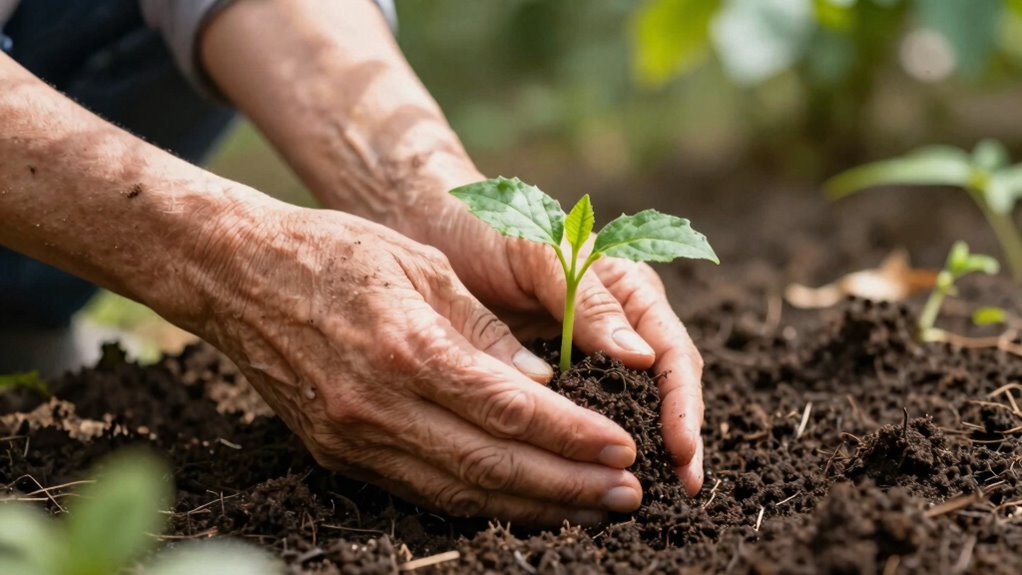
Think of recovery as planting a garden—you’ll see faster growth with the right habits. Incorporate daily habit formation and motivation strategies like consistent sleep, mindful breaks, and hydration. These habits build momentum, making progress feel like riding a wave rather than paddling upstream. Stay committed, celebrate small wins, and adapt your strategies to keep energy high. With persistence, your recovery journey accelerates, turning small efforts into big gains.
Can Recovery Skills Be Learned at Any Age?
Yes, you can learn recovery skills at any age. Lifelong learning helps you develop new habits, and behavioral change becomes easier when you stay committed. By actively practicing techniques, staying patient, and embracing growth, you improve your recovery process regardless of age. Remember, the key is consistency and willingness to adapt, making recovery skills accessible and effective for everyone willing to put in the effort.
What Role Does Mindset Play in Effective Recovery?
Think of your mindset as a compass guiding your recovery journey. It plays a vital role in shaping your resilience building and helps you embrace mindset shifts. When you stay positive and adaptable, you’re more likely to overcome setbacks and develop effective habits. Your attitude determines your progress, so cultivating a strong mindset fuels motivation, accelerates healing, and keeps you focused on recovery, no matter your age or circumstances.
How Do Setbacks Impact the Development of Recovery Habits?
Setbacks can challenge your resilience building and emotional regulation, making it harder to develop consistent recovery habits. When you face setbacks, it’s natural to feel frustrated or discouraged, but you should see them as opportunities to strengthen your resilience. By actively managing emotions and learning from mistakes, you reinforce your recovery skills. Over time, this approach helps you bounce back faster, building a stronger foundation for sustainable recovery habits.

MZOO Luxury Sleep Eye Mask for Side Sleeper Men Women, Zero Eye Pressure 3D Sleeping Mask, Light Blocking Patented Design Night Blindfold, Soft Eye Shade Cover for Travel, Black
Zero Eye Pressure: The Deepest 13mm arc-shaped widened eye cups provide makeup-safe space and allow natural blinking
As an affiliate, we earn on qualifying purchases.
As an affiliate, we earn on qualifying purchases.
Conclusion
Remember, recovery isn’t just a pause; it’s a skill you cultivate like a garden. By mastering these four habits, you’ll sail smoother through life’s storms and find your balance amid chaos. Think of recovery as your personal anchor—steadying you when waves of stress threaten to pull you under. Embrace these habits, and watch your resilience grow stronger, transforming setbacks into setups for a better tomorrow. Your best recovery is just a habit away.
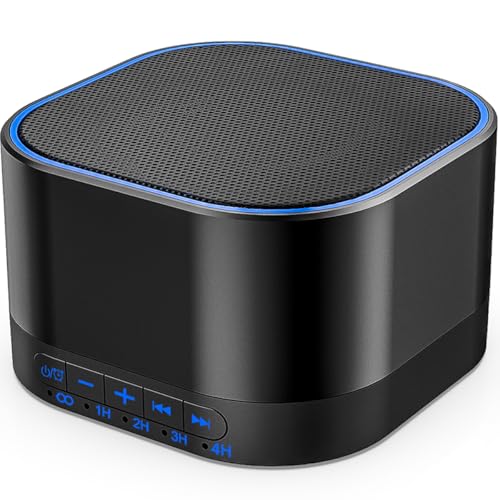
Magicteam Sound White Noise Machine with 20 Non Looping Natural Soothing Sounds and Memory Function 32 Levels of Volume Powered by AC or USB and Sleep Sound Timer Therapy for Baby Kids Adults
❤20 Non-Looping Sleep Sounds: White noise ,Brown noise, pink noise, blue noise, fan,brook, rain, ocean,bird and Bonfire,suitable for…
As an affiliate, we earn on qualifying purchases.
As an affiliate, we earn on qualifying purchases.

Boiron StressCalm Tablets for Relief of Stress, Anxiousness, Nervousness, Irritability, and Fatigue – 60 Count
PLANT-POWERED, MULTI-SYMPTOM STRESS RELIEF: StressCalm On the Go is powered by plants to relieve occasional symptoms of everyday…
As an affiliate, we earn on qualifying purchases.
As an affiliate, we earn on qualifying purchases.