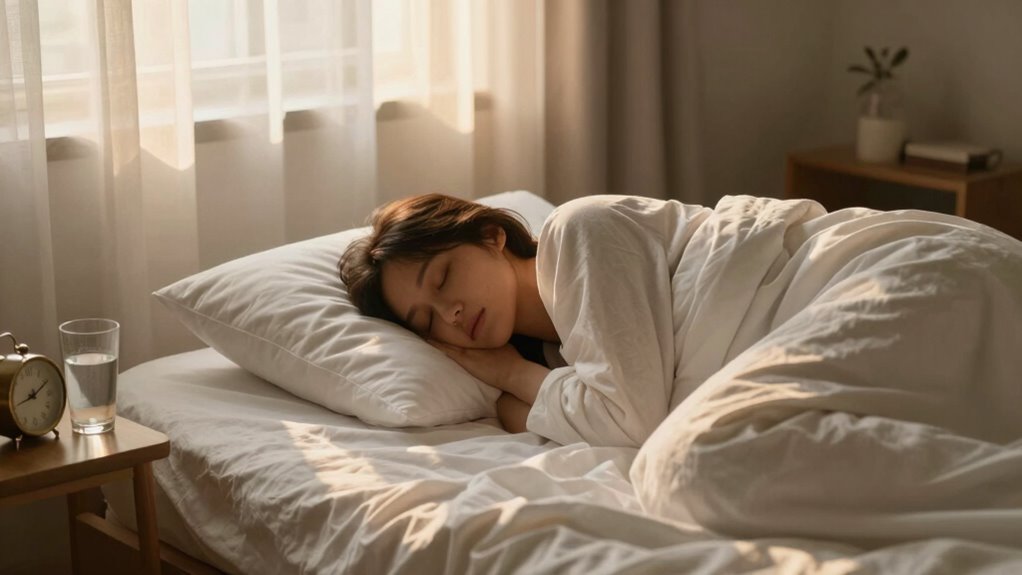

Napping can boost your recovery by reducing fatigue, soreness, and boosting alertness when you take short (20-30 minute) naps in the early afternoon. However, if you nap too long or late in the day, it can disrupt your nighttime sleep and weaken your overall sleep hygiene. To maximize benefits without hurting your rest, balance your naps carefully and stick to consistent, brief sessions—continue exploring how to get it just right for your recovery.
Key Takeaways
- Short, early-afternoon naps (20-30 minutes) support recovery without disrupting nighttime sleep.
- Napping too late or for too long can interfere with sleep cycles and reduce overall sleep quality.
- Proper timing and consistent nap routines enhance recovery benefits and prevent sleep fragmentation.
- Napping is beneficial when used as a supplement, not a replacement, for good nighttime sleep hygiene.
- Over-napping or irregular schedules may cause grogginess and impair athletic recovery efforts.
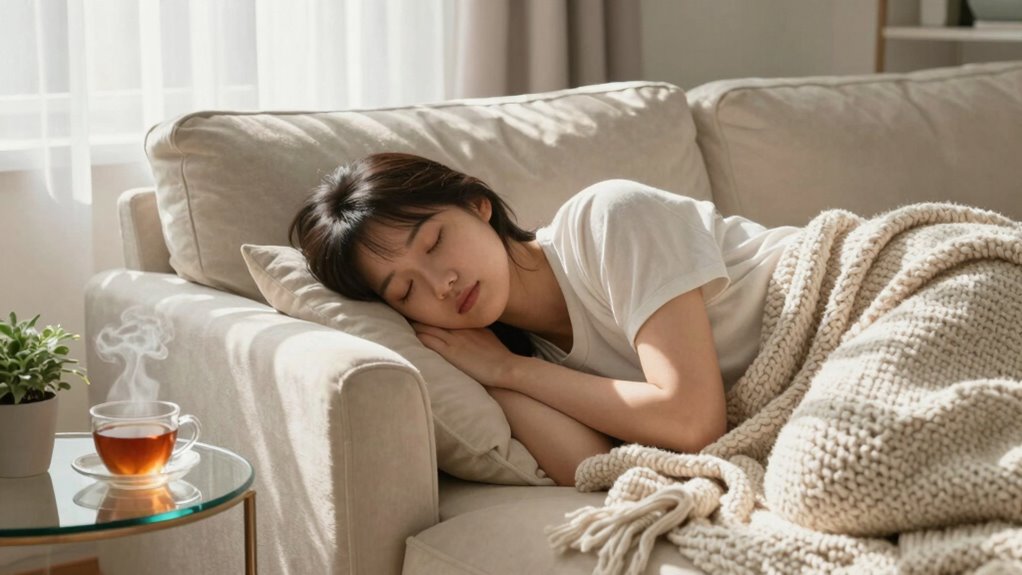
Have you ever wondered how a quick nap can boost your recovery after a long day? Napping can be a powerful tool, especially when it comes to athletic recovery and maintaining good sleep hygiene. When you’re pushing your body through intense workouts or long hours, your muscles need time to repair, and rest plays an essential role in that process. Short naps, typically 20 to 30 minutes, can help you recharge without interfering with your nighttime sleep. They allow you to refresh your mind and give your body extra downtime for recovery, making them a practical addition to your routine. But, it’s vital to be mindful of how naps fit into your overall sleep hygiene. If you nap too long or too late in the day, you might disrupt your ability to fall asleep at night, which can hurt your sleep quality and, ultimately, your athletic recovery.
When used wisely, naps can enhance your athletic recovery by reducing fatigue, improving mood, and increasing alertness. They can help your body replenish energy stores and reduce soreness, especially after strenuous activity. However, if you nap excessively or at the wrong times, you risk interfering with your sleep cycle. Poor sleep hygiene—like inconsistent sleep schedules, irregular nap times, or napping late in the afternoon—can lead to difficulty falling asleep at night. This disturbance may leave you feeling more tired instead of restored, hampering your recovery efforts. To get the most out of naps, aim for early afternoon, keeping naps brief and consistent. This helps to avoid disrupting your nighttime sleep and guarantees you’re not sacrificing the quality of your core sleep.
It’s also vital to listen to your body. If you’re sleep-deprived, a short nap can be just what you need to boost your recovery and performance. But if your sleep hygiene is already compromised, additional naps might just add to the problem by creating a cycle of fragmented sleep. Remember, naps are a supplement—not a substitute—for good nighttime sleep. They can be a strategic part of your athletic recovery plan, provided you balance them carefully with your overall sleep habits. When you prioritize consistency and keep naps brief, you’re more likely to wake up feeling refreshed instead of groggy. Ultimately, understanding how naps influence your sleep hygiene and recovery will help you maximize their benefits, enabling you to perform at your best and recover efficiently from your athletic pursuits.

Vynix Sleep Mask for Men Women – 100% Blackout Eye Masks for Sleep – 3D Soft Sleeping Mask for Side Sleepers – Zero Pressure Lash Extensions Eye Cover Shade for Airplane Travel Essentials, Black
100% Light Blackout – Sleep in True Darknes: Vynix sleep mask features a flexible one-piece nose bridge and…
As an affiliate, we earn on qualifying purchases.
As an affiliate, we earn on qualifying purchases.
Frequently Asked Questions
Can Naps Replace a Full Night’s Sleep Effectively?
Naps can’t effectively replace a full night’s sleep, especially if you’re experiencing sleep deprivation. While short naps can boost alertness, they don’t fully restore your circadian rhythm or all the restorative benefits of a complete sleep cycle. Relying solely on naps may leave you feeling tired and can disrupt your nighttime sleep schedule, making it harder to get the quality rest your body truly needs.
How Long Should a Recovery Nap Ideally Last?
A recovery nap should ideally last about 20 to 30 minutes. This nap length keeps you in the lighter sleep stages, helping you feel refreshed without grogginess. If you need more restorative sleep, a 90-minute nap is better, as it allows a full sleep cycle. Consider your overall sleep duration and daily schedule to determine the best nap length for your recovery needs.
Are There Specific Times of Day Best for Recovery Naps?
They say timing is everything, and that’s true for recovery naps too. The best time for a nap is early afternoon, around 1 to 3 pm, when your energy dips. Timing considerations include avoiding late afternoon naps, which can disturb nighttime sleep. Keep your naps short, about 20-30 minutes, for ideal durations. This way, you boost recovery without messing up your sleep schedule.
Do Naps Impact Sleep Quality at Night?
Naps can impact your sleep quality at night, especially if you’re sleep-deprived or disrupt your circadian rhythm. If you nap too long or late in the day, you might find it harder to fall asleep or stay asleep at night. Short, early naps can boost your energy without hurting nighttime sleep. Pay attention to how naps affect your overall sleep and adjust your routine accordingly.
Can Napping Help With Jet Lag or Shift Work?
Napping can be a lifesaver when you’re fighting sleep deprivation caused by jet lag or shift work. It helps reset your circadian rhythm, making you feel more alert and less groggy. Short naps, around 20-30 minutes, prevent disrupting your nighttime sleep. Just avoid long naps that could throw off your rhythm further. Use naps strategically to stay energized and adapt quickly to new schedules.
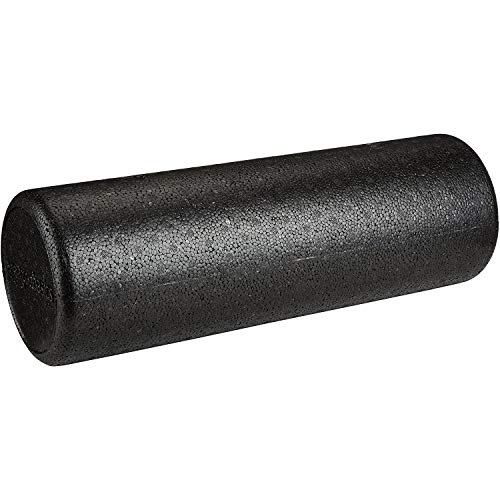
Amazon Basics High-Density Foam Roller for Exercise and Recovery, 18 Inches, Black
High-density foam roller in Black
As an affiliate, we earn on qualifying purchases.
As an affiliate, we earn on qualifying purchases.
Conclusion
So, next time you consider a nap, think about your needs. For example, if you’re feeling drained after a long night’s sleep, a quick 20-minute power nap can boost your energy. But if you’re already well-rested, a longer nap might leave you groggy or disrupt your nighttime sleep. Pay attention to how naps affect you personally—finding the right balance helps you recover without hurting your overall sleep quality.

MZOO Luxury Sleep Eye Mask for Side Sleeper Men Women, Zero Eye Pressure 3D Sleeping Mask, Light Blocking Patented Design Night Blindfold, Soft Eye Shade Cover for Travel, Black
Zero Eye Pressure: The Deepest 13mm arc-shaped widened eye cups provide makeup-safe space and allow natural blinking
As an affiliate, we earn on qualifying purchases.
As an affiliate, we earn on qualifying purchases.

Fcare Desk Pillow for Napping, Travel Neck Pillow Memory Foam Wedge for Sleeping, Slow Rebound Back Pillow (Slightly Hard) for Slender Ladies & Teenagers, Comfortable Washable Velvet Cover
Top Quality Friendly material – 100% charcoal memory foam, this is not down pillow, high-density slow rebound inner…
As an affiliate, we earn on qualifying purchases.
As an affiliate, we earn on qualifying purchases.