When it comes to lifting safely and effectively, mobility matters more than just flexibility. Mobility combines joint movement with muscle strength and control, helping you move through full ranges smoothly while maintaining stability. Flexibility alone may make muscles longer, but if your joints are stiff or unstable, your form and safety are at risk. Prioritizing mobility improves your technique, reduces injury chances, and boosts performance—discover how focusing on mobility can make all the difference.
Key Takeaways
- Mobility involves joint movement with strength and control, essential for safe lifting; flexibility alone doesn’t ensure proper joint function.
- Good joint mobility prevents stiffness, improves movement patterns, and reduces injury risk during lifts.
- Flexibility focuses on muscle and tendon lengthening, but without mobility, it may not support safe, efficient lifting.
- Prioritizing mobility enhances stability, proper biomechanics, and long-term joint health for sustained lifting performance.
- Effective lifting requires a balance of mobility, strength, and stability, making mobility the more critical factor.

While the terms mobility and flexibility are often used interchangeably, they refer to distinct aspects of movement. Understanding this difference is essential if you’re serious about lifting effectively and safely. Flexibility mainly involves the range of motion in your muscles and tendons, allowing you to stretch and elongate muscles without resistance. Mobility, on the other hand, combines the movement of joints with the strength and control of surrounding muscles, enabling you to move through various positions smoothly. Recognizing this distinction helps you focus on what truly boosts your lifting performance and reduces injury risks.
Mobility involves joint movement and muscle control, while flexibility focuses on muscle and tendon lengthening.
When it comes to joint health, mobility plays a critical role. Good mobility means your joints can move through their full range without stiffness or pain, which is essential for proper lifting mechanics. If your joints are stiff or restricted, you’re more likely to compensate with other muscles or adopt poor posture, increasing strain on your body. Over time, this can lead to joint deterioration or chronic pain. Prioritizing mobility exercises helps keep your joints healthy, guaranteeing they function effectively and withstand the stresses of lifting. It also helps maintain cartilage health, preventing degenerative issues that could sideline your training. Incorporating joint-specific movements into your routine can further enhance this aspect of mobility.
Injury prevention is another key reason to focus on mobility rather than just flexibility. While flexible muscles are important, they’re not enough if your joints are immobile or unstable. For example, you might be able to touch your toes easily, but if your hips or shoulders lack mobility, your lifting form will suffer, and imbalance can develop. This imbalance increases the chance of injuries, such as strains or tears. Mobility work includes dynamic movements, controlled articular rotations, and stability exercises that strengthen the muscles supporting your joints. These practices ensure your joints move properly under load, providing a stable foundation for lifting. By enhancing joint health and stability, you reduce the likelihood of injuries caused by improper movement patterns or overuse.
Incorporating mobility exercises into your routine isn’t complicated. Focus on dynamic stretches, foam rolling, and joint-specific movements to maintain or improve your range of motion. These exercises not only enhance your ability to perform lifts with proper form but also support long-term joint integrity. Remember, flexibility alone won’t prevent injuries or improve your lifting performance if your joints aren’t mobile enough to handle the demands. Aim for a balanced approach that emphasizes joint mobility, strength, and stability, so you can lift heavier, safer, and with greater confidence.

Yoga Stick for Mobility Exercise, Stretching, Pilates, Physical therapy, Fitness and other Workout – Adjustable 5 ft Pole will fix Posture, Stretch, Balance and Flexibility Training – Incl free E-book
LIGHTWEIGHT & ADJUSTABLE: Our 60 inch exercise stick, is made from high quality, light weight alloy steel and…
As an affiliate, we earn on qualifying purchases.
As an affiliate, we earn on qualifying purchases.
Frequently Asked Questions
How Do I Assess My Current Mobility and Flexibility Levels?
To evaluate your current mobility and flexibility levels, start with a joint assessment by measuring how well you can move through your full range of motion. Perform simple flexibility testing exercises, like hamstring stretches or shoulder rotations, to gauge your limits. Pay attention to any discomfort or stiffness. Regularly tracking your progress helps you identify areas needing improvement and guarantees you’re training effectively for lifting.
Can Poor Mobility Affect My Long-Term Lifting Progress?
You might think poor mobility won’t impact your lifting, but it can seriously hinder your progress. Limited mobility affects joint health, making you more prone to injuries and setbacks. Over time, this can stall strength gains and even cause long-term damage. Prioritizing mobility work helps maintain healthy joints, prevents injuries, and guarantees consistent progress. Ignoring mobility risks compromising your lifting journey and long-term performance.
Are There Specific Exercises to Improve Joint Mobility?
Yes, you can improve joint mobility with specific exercises like dynamic stretching and joint stabilization drills. Dynamic stretching warms up your muscles and prepares your joints for movement, improving mobility. Incorporate exercises such as leg swings, arm circles, and hip circles regularly. Joint stabilization exercises, like planks and balance drills, strengthen the muscles around your joints, enhancing control and mobility. Consistent practice helps maintain and improve your joint range of motion for lifting.
How Often Should I Incorporate Mobility Work Into My Training?
You should incorporate mobility training into your routine at least 3 to 4 times a week. Include flexibility exercises on rest days or after workouts to enhance your joint range of motion. Consistently doing mobility work helps prevent injury and improves lifting performance. Make it a habit, focusing on areas that feel tight or restrict your movement, so you build better stability and flexibility essential for safe, effective lifting.
Is Mobility More Important Than Flexibility for Weightlifting?
You probably think flexibility is king, but in weightlifting, mobility actually rules. It’s not just about muscle elasticity; it’s about moving through your training routines with control and efficiency. Without proper mobility, your lifts suffer, and injury lurks. Flexibility alone won’t cut it—you need functional movement. Prioritize mobility to enhance your performance, prevent injuries, and release your true lifting potential. After all, static stretching isn’t going to save your squat.
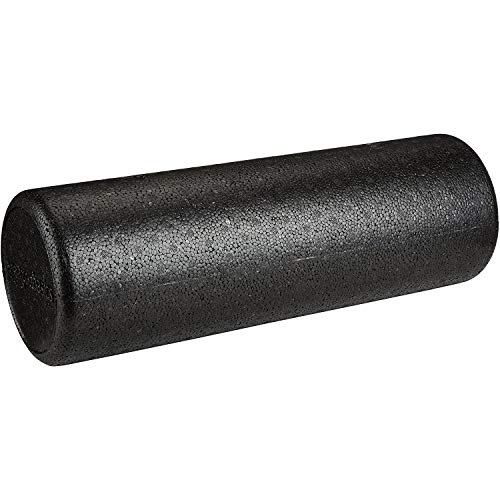
Amazon Basics High-Density Foam Roller for Exercise and Recovery, 18 Inches, Black
High-density foam roller in Black
As an affiliate, we earn on qualifying purchases.
As an affiliate, we earn on qualifying purchases.
Conclusion
So, when it comes to lifting, understanding that mobility is the superhero you need, not just flexibility, can make all the difference. Without mobility, your body’s like a rusty robot stuck in the past—limited and prone to injury. Flexibility alone won’t cut it; you need to move better, lift stronger, and stay injury-free. Think of mobility as the secret sauce to releasing your full potential—don’t settle for less, level up now!

Full-Body Flexibility
SHK01446
As an affiliate, we earn on qualifying purchases.
As an affiliate, we earn on qualifying purchases.

SPC Performance Replacement Ball Joint Kit For 25455/25465/25480/25490
Compatibility: Vehicle Models
As an affiliate, we earn on qualifying purchases.
As an affiliate, we earn on qualifying purchases.