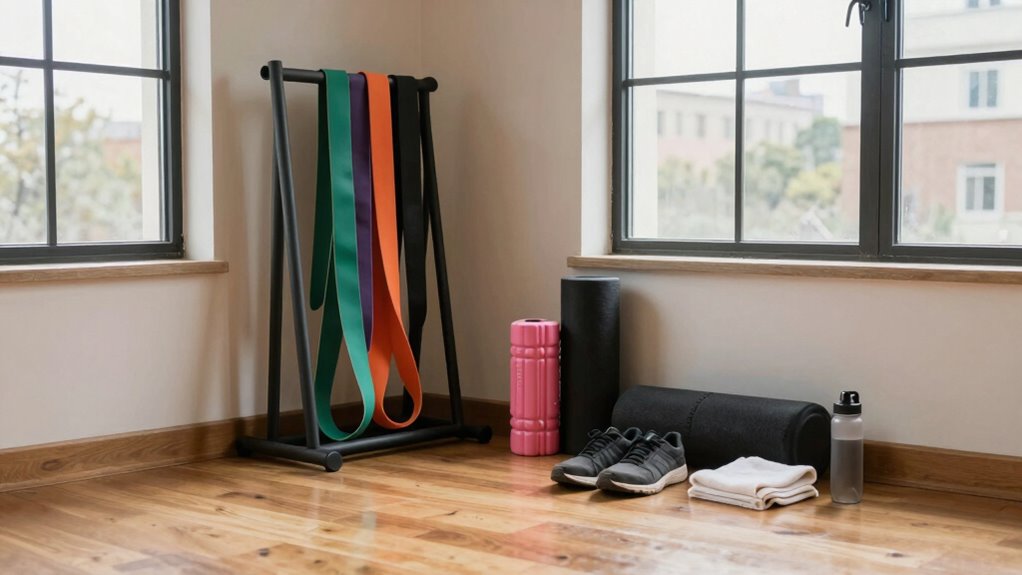

The number of rest days you need depends on your fitness level, goals, and workout intensity. Beginners typically benefit from 1-2 rest days per week, while more advanced or intense training may require 3-4 rest days or active recovery. Pay attention to signs like soreness, fatigue, or decreased performance to adjust accordingly. By understanding your body’s signals and how to use rest effectively, you’ll set yourself up for better progress and fewer injuries.
Key Takeaways
- Beginners typically need 1-2 rest days per week, while advanced athletes may require 3-4 depending on training intensity.
- Rest days prevent overtraining, reduce injury risk, and promote muscle recovery and mental rejuvenation.
- Incorporate active recovery activities like stretching or walking to enhance blood flow and reduce soreness.
- Adjust rest frequency based on body signals such as fatigue, soreness, or decreased performance.
- Tailor rest strategies to your fitness goals, training volume, and individual response for optimal progress.
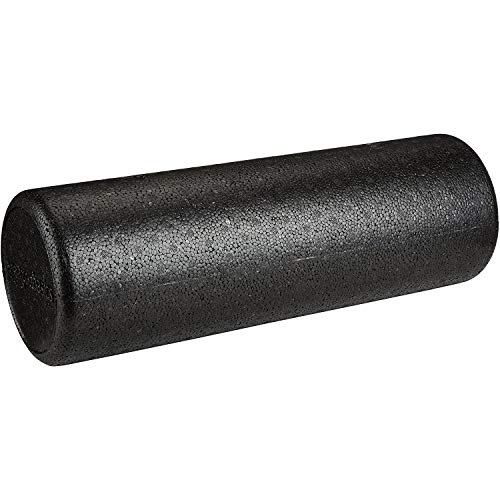
Amazon Basics High-Density Foam Roller for Exercise and Recovery, 18 Inches, Black
High-density foam roller in Black
As an affiliate, we earn on qualifying purchases.
As an affiliate, we earn on qualifying purchases.
Why Rest Days Are Essential for Your Fitness Progress

Rest days are essential because they allow your body to recover and repair itself after intense workouts. During these days, your muscles undergo repair, helping you build strength and prevent injuries. Skipping rest can lead to overtraining, which hampers progress and increases fatigue. Rest also plays a key role in mental rejuvenation, giving your mind a break from constant exertion and helping you stay motivated. Taking time off allows you to reset both physically and mentally, ensuring you’re prepared for future workouts. Without adequate rest, your performance can decline, and burnout becomes more likely. Incorporating balanced recovery strategies can optimize your results and prevent setbacks. Embracing rest days as part of your fitness routine ensures your body has the chance to heal and your mind stays sharp, making your overall progress more sustainable.

Resistance Bands, Professional Exercise Bands, Physical Therapy Bands for Strength Training, Yoga, Pilates, Stretching, Recovery, Stretch Elastic Band for Working Out, Workout Bands for Home Gym
Upgrade Exercise Band: Made of high quality TEP material, latex free, skin friendly, odorless, smooth and non-sticky surface,…
As an affiliate, we earn on qualifying purchases.
As an affiliate, we earn on qualifying purchases.
How Many Rest Days Should You Take Each Week?

How many rest days you need each week depends on your fitness level, workout intensity, and goals. If you’re just starting or doing moderate exercise, 1-2 rest days might suffice. More intense training or pushing your limits could require 3-4 rest days to prevent overtraining symptoms like fatigue or irritability. Pay attention to nutritional timing; fueling your body properly helps recovery and reduces the risk of burnout. Consider this: Victorian Steampunk fashion etiquette can influence how you present yourself during recovery days, emphasizing a polished and appropriate appearance. Listen to your body’s signals for fatigue or soreness, adjust rest days based on workout intensity, incorporate active recovery when needed, and prioritize sleep and proper nutrition for ideal rest.

The DAILY 30: The Quick Everyday Bodyweight Workout! SECOND EDITION (Bodyweight Strength Training Exercises for Health and Fitness at Home) (Strength Training for Beginners)
As an affiliate, we earn on qualifying purchases.
As an affiliate, we earn on qualifying purchases.
Active Recovery or Full Rest: Which Is Better for You?

Deciding between active recovery and full rest depends on your workout intensity and how your body feels. If you’re experiencing significant muscle soreness, light activity like walking or gentle stretching can promote blood flow, aid recovery, and prevent stiffness without overtaxing your muscles. Active recovery helps maintain movement, which can reduce injury risk by preventing stiffness and promoting proper muscle function. Additionally, incorporating car accessories such as gear upgrades can enhance your overall fitness experience by making your recovery routines more comfortable and efficient. However, if you’re feeling exhausted or have lingering pain, a full rest day might be better to allow your body to repair fully. Both options support injury prevention; the key is listening to your body and adjusting accordingly. Active recovery keeps you moving without overloading muscles, while full rest provides complete recovery when needed.

Dr Teal's Epsom Salt Magnesium Soak, Pre & Post Workout with Menthol & Essential Oils, 3 lbs
POWERED BY MAGNESIUM: Dr Teal's Pure Epsom Salt (Magnesium Sulfate) helps ease aches & pains, relaxes the body…
As an affiliate, we earn on qualifying purchases.
As an affiliate, we earn on qualifying purchases.
How Can You Tell If You Need More Rest or Should Reduce Your Workouts?

Ever wonder if your body is telling you to slow down? Pay attention to signs like persistent muscle soreness, which doesn’t go away after a couple of days, or if fatigue management feels impossible. If you’re feeling unusually tired, it might mean you need more rest or to cut back on workouts. Other signs include decreased performance, irritability, or lack of motivation. Recognizing time-related cues from your body can help you better understand your recovery needs. To assess if you need more rest, consider: – Ongoing muscle soreness that worsens – Feeling drained even after sleep – Difficulty concentrating during workouts – Reduced strength or endurance Listening to your body helps prevent burnout and injury. Rest is essential for recovery, so adjusting your workout intensity or taking extra rest days can improve your progress and overall well-being.
Tips to Maximize Your Rest Days for Better Results

To get the most out of your rest days, focus on active recovery activities like light stretching or walking to keep your muscles engaged without overloading them. Prioritize sleep by creating a relaxing bedtime routine and maintaining consistent sleep hours to help your body repair effectively. Incorporating these strategies can boost your recovery and improve your overall results. Additionally, understanding rest day guidelines can help you tailor your recovery periods to your specific fitness goals and prevent overtraining.
Active Recovery Strategies
Active recovery strategies can markedly enhance your rest days by promoting blood flow, reducing soreness, and supporting muscle repair. By staying active with gentle activities, you help your muscles relax and recover more efficiently. Focus on muscle relaxation through light stretching or foam rolling, which alleviates tension and stiffness. Hydration techniques are essential; drink water regularly to flush out toxins and keep your muscles hydrated. Incorporate activities like walking, swimming, or cycling at low intensity to keep blood circulating without overexerting yourself. Remember, the goal is to encourage recovery, not strain your muscles further. Utilizing AI-powered fitness tools can help tailor your active recovery plan based on your progress and needs. Consistently applying these strategies ensures your rest days contribute to improved strength and performance. Prioritize recovery to maximize your workout gains and prevent injury.
Sleep Optimization Techniques
Optimizing your sleep during rest days can considerably boost recovery and enhance your overall results. Focus on maintaining consistent sleep schedules to support healthy sleep cycles, which are crucial for physical repair and mental clarity. Prioritize quality sleep by creating a relaxing bedtime routine, reducing screen time before bed, and keeping your environment cool and dark. To maximize dream enhancement, try techniques like visualization or keeping a dream journal, which can improve REM sleep, essential for memory and emotional processing. Avoid caffeine and heavy meals close to bedtime, and consider relaxation methods such as meditation or deep breathing. Incorporating calming sounds or gentle music can also enhance sleep quality, helping you fall asleep faster and stay asleep longer. By fine-tuning your sleep habits, you ensure your body fully recovers, making your rest days more effective and preparing you for your next workout.
Common Rest Day Mistakes and How to Avoid Them

Many people make the mistake of turning rest days into active recovery days that are too intense, which can hinder actual recovery. Overtraining signs like persistent fatigue, irritability, or sore muscles often go unnoticed when you push too hard during rest. To avoid this, focus on proper nutrition during rest—fuel your body with proteins and hydration, but don’t overeat. Additionally, understanding measurement tools can help monitor your progress and prevent overtraining by providing objective feedback. Be mindful of these common mistakes:
Overtraining during rest days hampers recovery; fuel your body properly without overdoing it.
- Ignoring overtraining signs and pushing through fatigue
- Using rest days for intense workouts instead of gentle activities
- Neglecting proper nutrition during rest, which hampers recovery
- Staying sedentary all day, missing the benefits of light movement
Customizing Rest Days Based on Your Fitness Goals and Experience
Your rest days should match your fitness goals and experience level to maximize progress. If you’re aiming for strength, you might need more recovery time, while endurance training may require lighter rest. Adjusting your rest based on how experienced you are helps you recover properly and avoid setbacks. Incorporating an understanding of training concepts can further optimize your rest strategy for better results.
Goals-Driven Rest Planning
Planning rest days according to your fitness goals and experience guarantees your recovery supports progress without unnecessary setbacks. When tailoring your rest schedule, consider how your goals influence recovery needs. For instance, if you’re training for strength, periodization planning can help optimize rest periods to prevent overtraining. For endurance, more frequent rest might be necessary to avoid injury prevention issues. Incorporating craftsmanship into your recovery routine can also enhance overall results by emphasizing quality rest practices. To customize effectively, think about:
- Your current fitness level and past injuries
- The intensity and volume of your workouts
- How your body responds to training stress
- The importance of varied recovery strategies
Adjusting rest based on these factors ensures you’re progressing safely and sustainably, reducing injury risks and supporting long-term success.
Experience-Based Recovery Strategies
Experience plays a crucial role in determining the most effective rest strategies for your fitness journey. With more training, you learn to listen to your body’s signals, adjusting rest days to support recovery and prevent injury. If you’re new, prioritizing consistent rest and proper nutrition timing helps your muscles recover and reduces overtraining risks. As you gain experience, you’ll recognize when to take extra rest or active recovery days, especially after intense sessions. Incorporating nutrition timing—like consuming protein and carbs post-workout—enhances recovery and safeguards against injury. Your evolving experience guides personalized rest plans, ensuring you balance activity and recovery effectively. Tailoring your approach based on past workouts, soreness levels, and goals optimizes progress while minimizing the chance of setbacks.
Frequently Asked Questions
How Do Rest Days Affect Muscle Recovery Times?
Rest days play a vital role in muscle repair, helping your muscles recover and grow stronger. If you work out frequently without enough rest, recovery times lengthen, risking injury and fatigue. By incorporating rest days, you allow your muscles to repair effectively, improving your overall workout performance. Balancing workout frequency with proper rest guarantees ideal muscle recovery, so you stay consistent and avoid burnout.
Can Overresting Hinder My Fitness Progress?
Overresting can hinder your fitness progress if you skip active recovery or neglect rest day nutrition. While rest is essential, too much inactivity may slow muscle growth and reduce endurance gains. make certain you balance rest days with proper nutrition and gentle activity, like stretching or light cardio. This way, you avoid overresting and keep your muscles engaged, promoting steady progress without risking setbacks caused by excessive rest.
Are There Signs I’M Overtraining Despite Taking Rest Days?
You might be experiencing quiet whispers of fatigue or sleep disturbances, signaling overtraining despite your rest days. If you notice lingering soreness, decreased performance, or a lack of enthusiasm, it’s a gentle sign you’re pushing too hard. These subtle cues suggest your body needs more recovery or a change in intensity. Listen closely, adjust your schedule, and give yourself time to fully recharge, ensuring your progress stays steady and safe.
How Do Rest Days Impact Mental Health and Motivation?
Rest days boost your mental health by reducing stress and preventing burnout, helping you feel more balanced and refreshed. They also provide motivation boosts, giving you time to recover mentally and stay excited about your fitness journey. Taking regular rest helps you avoid mental fatigue, keeps your mindset positive, and encourages consistency. So, don’t skip them—your mental well-being and motivation thrive when you prioritize proper rest.
Should Rest Days Vary With Different Workout Intensities?
Yes, your rest days should vary with workout intensity. When you push harder, you need more recovery time to prevent injury and burnout. Balancing training frequency and workout variation helps maximize progress and mental freshness. Lighter sessions or active rest days can be perfect after intense workouts, ensuring your body recovers while keeping you engaged. Adjust your rest days accordingly, listening to your body’s signals for ideal performance and health.
Conclusion
Remember, rest days aren’t a sign of weakness but a essential part of your progress. Listen to your body and give it the downtime it needs to recover and grow stronger. Don’t push your luck or you’ll be spinning your wheels. By using your rest days wisely, you’ll see better results and avoid burnout. Keep the balance right, and you’ll be well on your way to reaching your fitness goals.