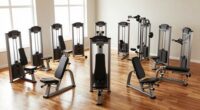
The reverse hyperextension mainly targets your posterior chain, including glutes, hamstrings, and lower back muscles, boosting strength, stability, and injury prevention. It’s especially beneficial for athletes, rehab patients, and those looking to improve athletic performance or recover from back or hip issues. By focusing on controlled movement and proper technique, you enhance overall back health and power. Keep exploring to discover exactly how to perform it correctly and maximize your results.
Key Takeaways
- The reverse hyper targets posterior chain muscles like glutes, hamstrings, and lower back for strength and injury prevention.
- It enhances hip mobility, spinal stability, and overall posterior chain resilience.
- Proper form and controlled movement are essential for safe and effective training.
- Beneficial for athletes, rehab patients, and strength trainers aiming to improve performance and prevent injuries.
- It supports lower back health, core stability, and athletic performance through targeted posterior muscle activation.

Titan Fitness Economy H-PND, Reverse Hyperextensions Lower Body Machine, Rated 550 LB, Specialty Home Gym Machine for Physical Therapy, Back Rehab Exercises, and Everyday Training
REHABILITATE YOUR LOWER BACK: Strengthening your glutes, hamstrings, and hips at a price that allows you to fill…
As an affiliate, we earn on qualifying purchases.
As an affiliate, we earn on qualifying purchases.
How to Perform the Reverse Hyperextension Safely and Effectively
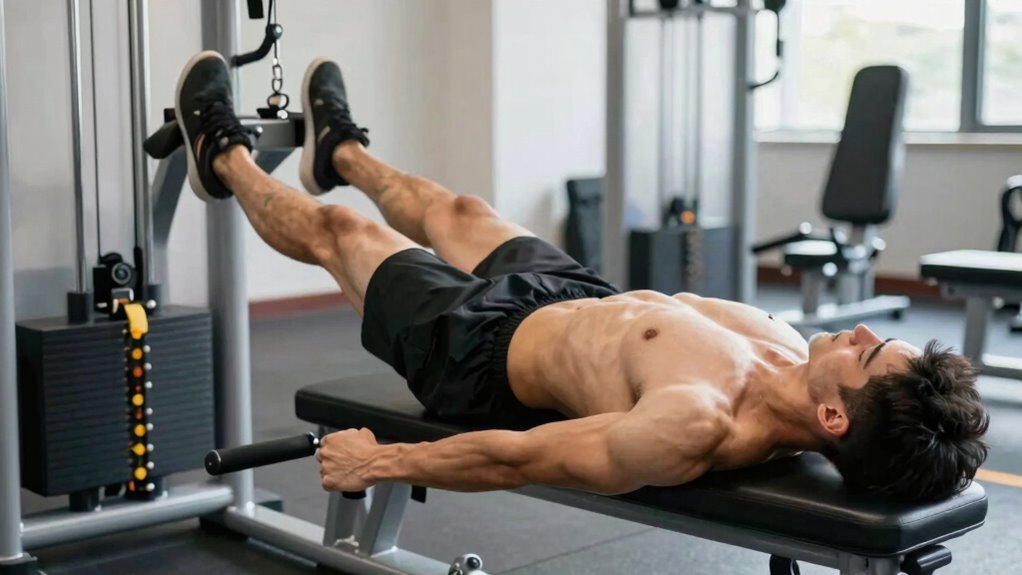
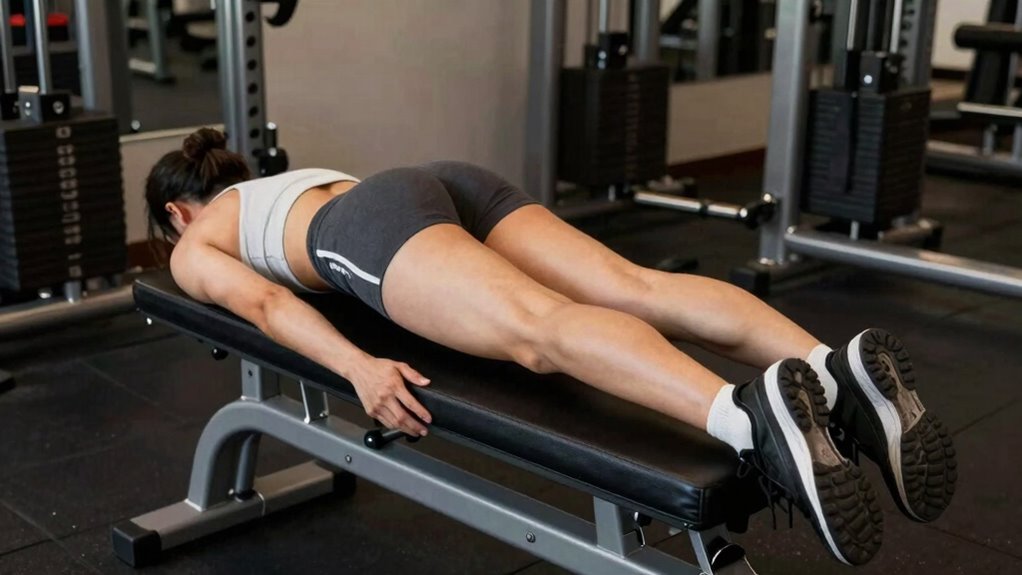
To perform the reverse hyperextension safely and effectively, you need to focus on proper form and controlled movement. Equipment considerations are vital; make sure you use a sturdy reverse hyper machine or a secure bench with appropriate padding. Adjust the height so your hips align with the pad, preventing strain. Keep your core engaged and avoid swinging your legs or using momentum. Programming tips include starting with low reps and light resistance, gradually increasing as your strength improves. Maintain a slow, controlled rhythm to maximize muscle activation and reduce injury risk. Prioritize quality over quantity, and listen to your body. Incorporating proper ventilation and ensuring adequate airflow in your workout space can also enhance safety and comfort during exercise. Paying attention to exercise environment helps prevent overheating and fatigue, ensuring a safer workout. Additionally, understanding the importance of muscle engagement can improve the effectiveness of your training and help prevent injury. Proper technique is essential for preventing injury risk and ensuring optimal results. Consistent focus on proper technique will help you build strength safely and get the most benefit from this exercise. Incorporating core stability exercises into your routine can further support your safety and performance during reverse hyperextensions.
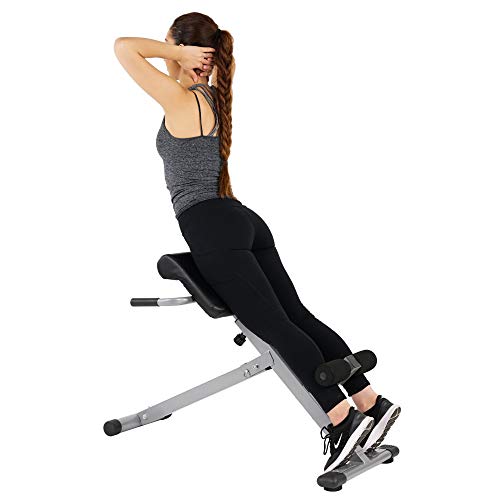
Sunny Health & Fitness 45-Degree Hyperextension Roman Chair with Adjustable Height and Back, Glute, Hamstring, and Ab Workouts Foldable Sit Up Gym Bench for Home, Gray – SF-BH6629
LOWER BODY WORKOUT: Targets the lower back, hip and glutes.
As an affiliate, we earn on qualifying purchases.
As an affiliate, we earn on qualifying purchases.
Which Muscles Does the Reverse Hyper Target?
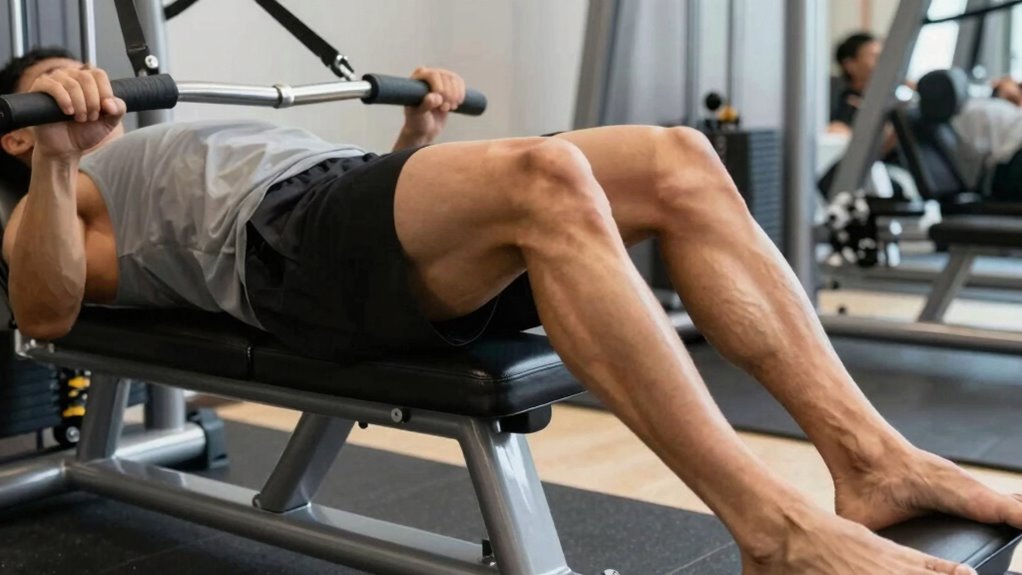
The reverse hyperextension primarily targets the muscles in your posterior chain, focusing on strengthening your lower back, glutes, and hamstrings. This exercise enhances muscle activation in these areas, helping you build resilience and stability. By consistently training these muscles, you can improve posture and reduce injury risk. Here are the key muscles engaged:
- Gluteus maximus – essential for hip extension and power
- Hamstrings – crucial for leg movement and injury prevention
- Erector spinae – supports lower back health and stability
- Multifidus – stabilizes the spine during movement
Focusing on these muscles with the reverse hyper can boost your overall strength, aid in injury prevention, and promote better movement mechanics. Additionally, understanding muscle activation can help optimize your training outcomes and prevent imbalances, especially when targeting a posterior chain workout. Recognizing the importance of power output can further enhance your performance and training efficiency. Incorporating proper training techniques ensures that you effectively engage these muscles and maximize the benefits of your reverse hyper routine. Developing a comprehensive understanding of muscle engagement strategies can lead to more targeted and effective workouts.

Gymreapers Neck Harness Weight Lifting – Neck Trainer Workout Equipment – Heavy Duty Stainless Steel Chain, Adjustable Neoprene Head Strap, Exercise Equipment for Strength & Pain Relief
MAXIMIZE CORE NECK STRENGTH – Gymreapers Neck Harness is specifically designed to target and strengthen the muscles of…
As an affiliate, we earn on qualifying purchases.
As an affiliate, we earn on qualifying purchases.
How the Reverse Hyper Boosts Your Posterior Chain Strength
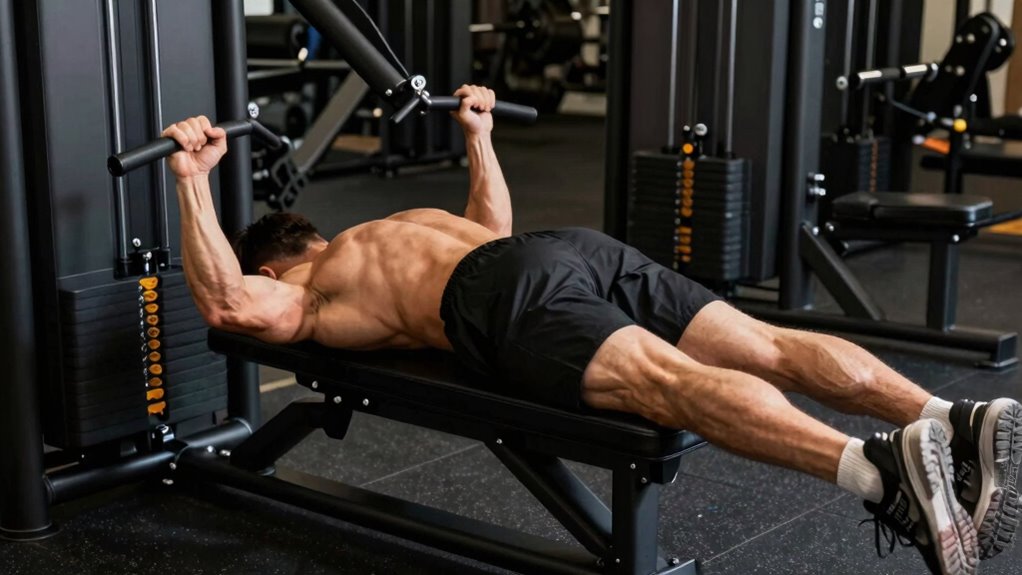
By engaging the reverse hyper, you activate and strengthen your posterior chain muscles more effectively than many traditional exercises. This movement targets key muscles like your glutes, hamstrings, lower back, and erector spinae, helping you build raw power and resilience. It also enhances hip mobility, allowing for better movement patterns and reduced injury risk. As you lift and lower the weight, your core stabilizes your body, providing necessary support and promoting proper posture. This focus on core stabilization ensures that your entire posterior chain works in harmony, leading to stronger, more durable muscles. Over time, this translates into improved athletic performance, better posture, and a reduced likelihood of back pain. The reverse hyper effectively trains your posterior chain by combining strength, mobility, and core engagement.
Sunny Health & Fitness 45-Degree Hyperextension Roman Chair with Adjustable Height and Back, Glute, Hamstring, and Ab Workouts Foldable Sit Up Gym Bench for Home, Gray – SF-BH6629
LOWER BODY WORKOUT: Targets the lower back, hip and glutes.
As an affiliate, we earn on qualifying purchases.
As an affiliate, we earn on qualifying purchases.
Who Should Incorporate the Reverse Hyper Into Their Training?
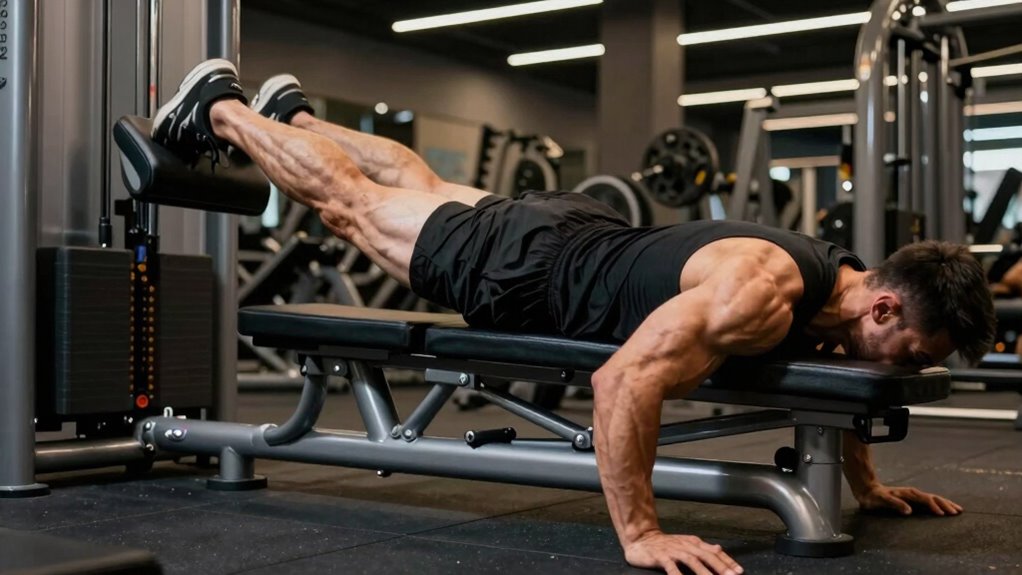
Anyone looking to strengthen their posterior chain, recover from back issues, or improve athletic performance should consider incorporating the reverse hyper into their training. This exercise benefits a wide range of individuals, especially those focused on injury prevention and enhanced performance. It can also play a role in future economies that emphasize preventative health measures and resilience training. Here are four groups who should consider adding it:
- Athletes seeking to boost athletic performance and reduce injury risk
- Rehab patients recovering from lower back or hip injuries
- Strength trainers aiming to improve posterior chain strength
- Coaches looking to enhance athlete durability and resilience, especially through training frameworks that prioritize injury prevention and functional movement.
Key Benefits and Common Mistakes to Watch Out For
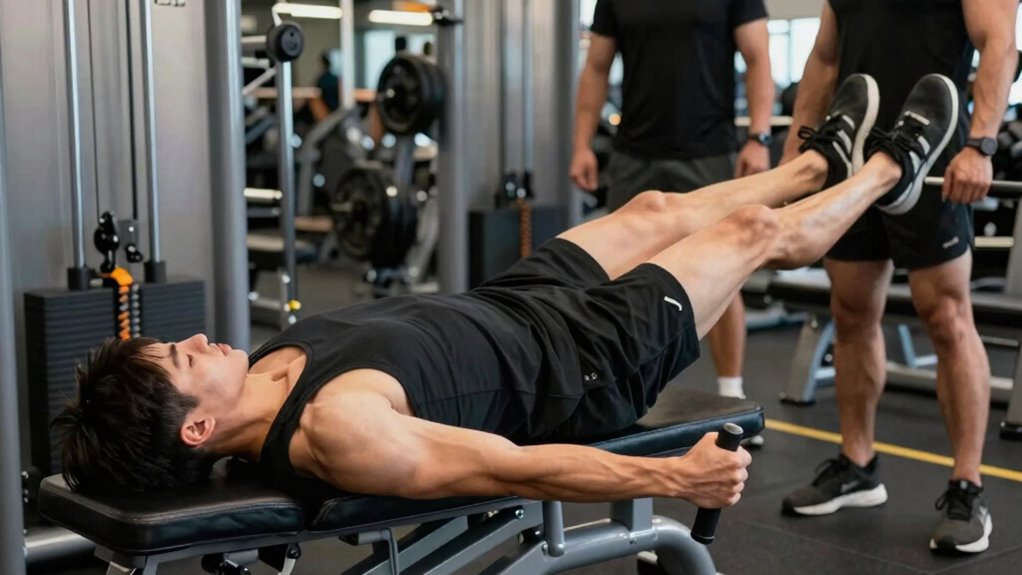
Incorporating the reverse hyper into your training can offer significant benefits, but it’s essential to perform the exercise correctly to maximize those advantages and prevent injury. One key benefit is injury prevention, as it strengthens posterior chain muscles and stabilizes your lower back. It also improves mobility by enhancing flexibility in your hips and hamstrings. Additionally, understanding how to keep pets safe during storms can help reduce anxiety-related behaviors that might interfere with your training routine. Proper car repair techniques, such as correct form and avoiding shortcuts, are crucial for safe and effective workouts. Using the right DIY tools and safety tips can further ensure you perform exercises safely and efficiently. Selecting the appropriate measurement tools is also important for tracking progress and maintaining consistency in your training. To further support your safety, using proper disposal methods for any damaged or old gear prevents environmental harm and keeps your workout space safe. However, common mistakes can hinder progress or cause harm. Avoid using excessive weight, which risks strain or injury, and ensure proper form—keep your spine neutral and avoid overextending. Rushing through reps or neglecting warm-up can also increase injury risk and reduce mobility gains. By focusing on controlled movements and proper technique, you’ll optimize the reverse hyper’s benefits while minimizing potential setbacks.
Frequently Asked Questions
Can Beginners Safely Use the Reverse Hyper Machine?
Yes, beginners can safely use the reverse hyper machine if you focus on proper form and equipment safety. Start with light weights and controlled movements to avoid injury. Always listen to your body and avoid overextending. If you’re unsure, ask a trainer for guidance to guarantee you’re using the correct technique. Prioritizing proper form and equipment safety helps you gain benefits without risking harm.
How Often Should I Include Reverse Hyper in My Routine?
You should include the reverse hyper machine 2-3 times a week, aligning with your training schedule. It’s a coincidence that this frequency maximizes recovery benefits and injury prevention. By consistently adding it to your routine, you’ll strengthen your posterior chain, improve stability, and reduce the risk of injury. Just make certain you listen to your body and avoid overtraining, giving your muscles time to recover and adapt effectively.
Are There Any Contraindications for Using the Reverse Hyper?
You should be aware of safety precautions and medical considerations before using the reverse hyper. If you have lower back, hip, or hamstring injuries, consult a healthcare professional first. Avoid overextending or applying excessive weight, and guarantee proper technique to prevent strain. If you experience pain or discomfort, stop immediately. Always listen to your body and seek medical advice if you’re unsure about your ability to safely perform the exercise.
What Variations of Reverse Hyper Exercises Are Effective?
Imagine yourself on the reverse hyper machine, feeling the smooth glide as you lift and lower your legs. You can modify this exercise by adjusting the machine setup for comfort or changing the range of motion. Variations like single-leg lifts or adding resistance bands target specific muscles, making your workout more effective. These exercise modifications keep your routine fresh, challenging, and tailored to your fitness level.
How Does Reverse Hyper Compare to Other Posterior Chain Exercises?
You’ll find that reverse hyper excels in muscle activation for the posterior chain, especially the glutes and hamstrings, compared to other exercises. When doing a equipment comparison, it often requires a specific machine, unlike deadlifts or good mornings that use minimal gear. This exercise offers a safer, lower-impact way to target these muscles, making it a valuable addition for injury prevention and rehab, especially when you want focused posterior chain training.
Conclusion
Think of the reverse hyper as a secret weapon for your posterior chain, releasing strength and stability like a well-oiled machine. By safely incorporating it into your routine, you’ll build powerful glutes, hamstrings, and lower back muscles—just like sharpening a blade. Stay mindful of proper form and avoid common mistakes to maximize benefits. With consistency, this exercise becomes your go-to tool for a stronger, more resilient physique—like a fortress built from the inside out.