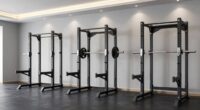
When choosing rack safeties, consider your workout style, safety needs, and equipment compatibility. Safety pins offer quick, reliable support for maximum security, while spotter arms provide adjustable protection but require proper placement. Straps are flexible and easy to use but need regular checks for wear. Think about your lift types and space constraints. Keep in mind that selecting the right safety enhances your confidence and safety—learn more about making the best choice next.
Key Takeaways
- Safety pins are highly reliable and quick to adjust, ideal for maximum security during heavy lifts.
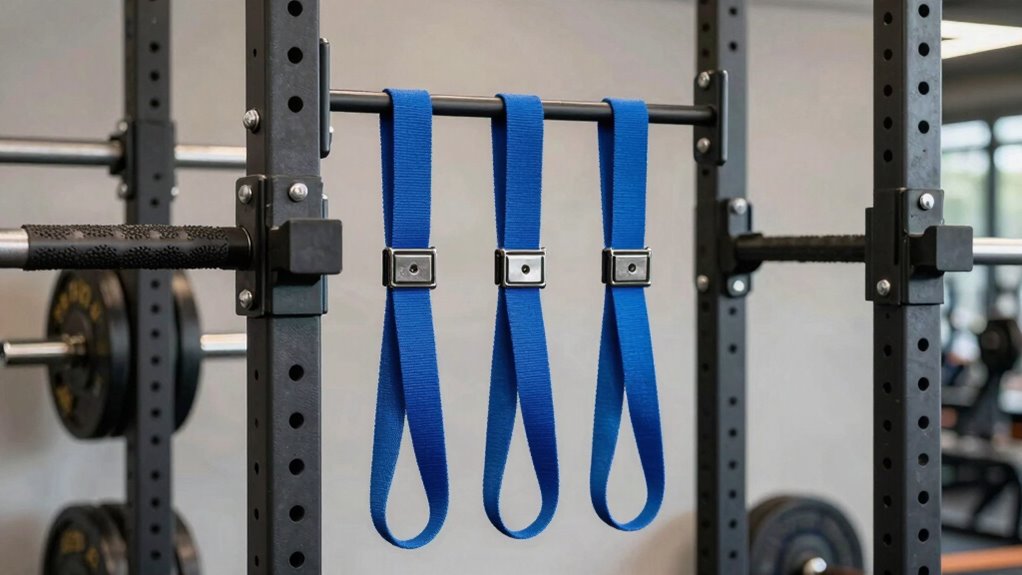
- Straps are versatile and easy to install but may wear over time and require proper anchoring.
- Spotter arms offer flexible safety coverage and adjustable height but need correct placement and sturdy setup.
- Consider load capacity and durability to ensure safety devices support your specific lifting needs effectively.
- Choose safety options that match your training style, space, and ease of maintenance for optimal safety and convenience.

Titan Fitness Pin and Pipe Safety Set – 36" Depth for T-3 & X-3 Series Bolt-Down Power Racks, Heavy-Duty Steel Barbell Safety Catch System, Powerlifting & Strength Training Rack Attachment
RACK COMPATIBILITY OPTIONS: Available in 24", 30", and 36" depths – fits T-3 & X-3 Bolt-Down Racks (24"/36")…
As an affiliate, we earn on qualifying purchases.
As an affiliate, we earn on qualifying purchases.
What Are the Main Types of Rack Safety and How Do They Work?
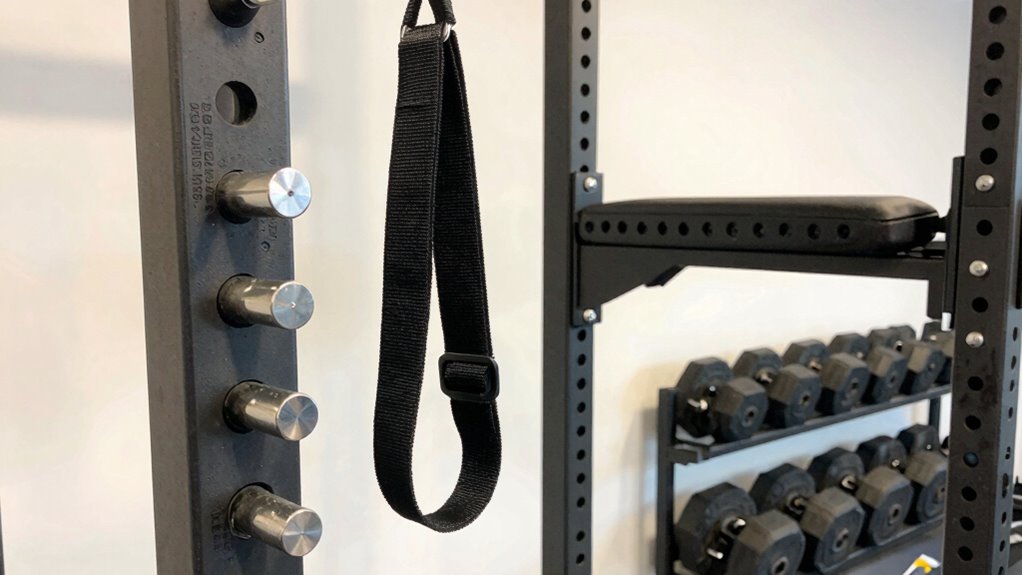
What are the main types of rack safety, and how do they do their job? The key safety mechanisms include safety pins, straps, and spotter arms, each designed to prevent injury during lifts. Safety pins are sturdy metal bars that lock into position at specific heights, providing reliable support and enhancing equipment durability. Straps are adjustable and made of durable materials, catching the barbell if you fail a lift, though they may wear over time. Spotter arms are metal brackets that extend from the rack, offering a stable barrier to catch the weight. All these options serve to protect you from accidents while maintaining the integrity of your equipment. Understanding the safety mechanisms and how they function can help you choose the best option for your training needs and ensure a safer lifting environment. Additionally, knowing the durability factors of each safety type can help in selecting equipment that will withstand regular use.
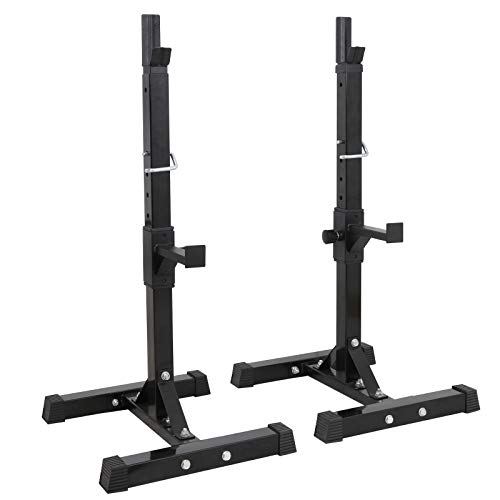
F2C Max Load 550Lbs Pair of Adjustable Squat Rack 41"-66" Sturdy Steel Barbell Rack Free Bench Press Stands GYM/Home Gym Portable Dumbbell Racks Stands
【Professional Grade for Serious Training】 Ideal for squats, bench presses, and a wide range of strength exercises, this…
As an affiliate, we earn on qualifying purchases.
As an affiliate, we earn on qualifying purchases.
Comparing Rack Safety Pins, Straps, and Spotter Arms: Pros and Cons

When choosing between safety pins, straps, and spotter arms, you need to take into account their safety and reliability. Ease of use also plays a big role in how effectively you can focus on your workout without interruptions. Let’s compare their strengths and weaknesses to find the best fit for your training needs. Additionally, understanding the load capacity of each safety device is crucial to ensure they can handle your specific lifting requirements safely. Recognizing the mechanical strength of these safety options can help prevent accidents during heavy lifts. It’s also important to consider the ease of installation and how quickly you can set up each safety type before your workout.
Safety and Reliability
Safety pins are sturdy and reliable, providing immediate support and peace of mind during heavy lifts. They are often the preferred choice for maximum security, especially during intense training sessions. Straps may not be as dependable if not anchored properly, risking slips or failure under extreme load. Spotter arms offer flexible safety, but their effectiveness depends on correct placement and sturdy gym equipment. Incorporating high-quality solar panels into gym facilities can also enhance energy efficiency and reduce operational costs, promoting sustainability in your training environment. Ensuring your safety equipment is properly installed and maintained is crucial to prevent accidents and injuries. Your choice impacts your safety during intense training sessions. Opt for safety pins if maximum security is your priority, or consider spotter arms for versatility. Prioritize reliability to keep your lifting safe. Additionally, understanding the importance of proper setup can significantly influence the effectiveness of safety features.
Ease of Use
Ease of use plays a crucial role in selecting the right safety equipment for your rack, as it can affect how quickly and confidently you set up for lifts. Safety pins are straightforward—they require minimal weight adjustment, making them quick to reposition and inspect during safety checks. Spotter arms often involve manual placement, which can take more time but offers flexible adjustment heights. Safety straps are easy to secure and remove, but adjusting their length for different lifts may involve more steps. When evaluating ease of use, consider how quickly you can make weight adjustments and perform safety inspections. Understanding plant parts can help you choose safety gear that integrates seamlessly with your workout routine. Simpler setups reduce the risk of errors and save time, helping you stay focused on your workout rather than wrestling with safety gear. Additionally, ease of installation can significantly impact your overall workout efficiency and safety compliance.

Synergee Safety Straps for 2×2 Power Racks – 23" Max Inside Depth – 750 lb Capacity Barbell Catch Straps with Quick-Mount Brackets & 5/8"–1" Hole Converters
★ COMPATIBLE WITH 2×2 RACKS — INSIDE DEPTH MUST BE 23" OR LESS ★ – These Safety Straps…
As an affiliate, we earn on qualifying purchases.
As an affiliate, we earn on qualifying purchases.
Which Rack Safety Is Best for Your Training Style and Goals?

Choosing the right rack safety depends on how well it fits your training style and goals. You should consider how adjustable and compatible it is with your equipment, as well as how safe and easy it is to use. Making the right choice can help you lift confidently and progress efficiently. Additionally, understanding wall surface types and finishes can influence the installation and durability of safety equipment, ensuring long-term safety and effectiveness. Being aware of the emotional regulation needs and tendencies associated with different safety options can also help tailor your setup for both safety and comfort.
Adjustability and Compatibility
When selecting rack safeties, it’s vital to evaluate how well they can adapt to your training style and goals. Your choice should offer sufficient modification flexibility and accessory compatibility to grow with your progress. Consider these key factors:
- Ease of adjustment – Can you quickly reposition the safeties for different exercises or intensity levels? Adjustability features can greatly enhance your training efficiency. For example, some safeties use pin or lever systems that allow for rapid changes, saving you time and maintaining momentum during workouts. Ensuring adjustment mechanisms are simple to operate can prevent frustration and reduce setup time.
- Compatibility with accessories – Do they work seamlessly with other equipment like plates, bands, or specialty bars?
- Versatility for future goals – Will they accommodate changes in your training routines without costly upgrades? Recognizing training progression helps ensure your safety setup remains effective as your lifts become more advanced.
- Awareness of early warning signs – Ensuring you recognize symptoms of injury or overtraining can help prevent setbacks and maintain a safe training environment.
Choosing safeties with strong adjustability and broad compatibility ensures your setup remains effective, safe, and adaptable as you advance. This flexibility keeps your training dynamic and inspired.
Safety and Ease of Use
How do you determine which rack safety is easiest to use and fits your training style? Consider how each safety method impacts barbell control during lifts. Pins offer quick, stable support, making safety protocols straightforward and minimizing distraction. They’re ideal if you prefer controlled, heavy lifts with minimal fuss. Straps are flexible but may require more effort to secure properly, which can affect your focus. Spotter arms provide a natural safety system that mimics a spotter, giving you confidence during dynamic movements. The best choice depends on your workout routine and comfort level. Prioritize safety and ease of use, as well as the ability to maintain proper form and reduce injury risk. Proper safety system selection is crucial for a safe and effective training environment. Additionally, considering the user-friendly design of safety equipment can help ensure you stay focused on your lifts without unnecessary complications. When choosing safety gear, it’s important to evaluate how adjustable features contribute to customizing the setup for your specific needs. Ultimately, the most effective safety system is the one that seamlessly integrates into your training style.
How to Install and Use Rack Safeties Safely and Effectively

Installing and using rack safeties properly is essential to guarantee a safe lifting environment. To do this, focus on proper installation and regular maintenance to ensure safety equipment functions as intended. First, double-check that safeties are securely positioned at the correct height before lifting. Second, periodically inspect pins, straps, or spotter arms for wear, damage, or loosening—don’t wait for failure. Third, always test the safeties with lighter weights to confirm they engage correctly. When setting up, follow manufacturer instructions carefully for proper installation. Remember, consistent checks and maintenance are key to preventing accidents and guaranteeing your safety gear performs as well as possible during every workout. Staying informed about regional flavors and coffee insights can also inspire new approaches to safety and equipment management. Additionally, understanding AI discoveries related to safety mechanisms can inform better design and troubleshooting. Incorporating advanced safety sensors can further enhance protection and alert you to potential issues before failure occurs. Utilizing safety testing procedures regularly ensures your safety equipment remains reliable over time. Regular training and staying updated on latest safety standards can also improve your ability to respond effectively in emergency situations. Stay vigilant—your safety depends on it.
Common Mistakes to Avoid With Rack Safety Equipment

Even experienced lifters can make mistakes with rack safety equipment that compromise their safety. One common error is neglecting regular equipment maintenance, which can weaken safety components over time. Failing to follow user safety protocols, like setting safety pins or straps at proper heights, increases risk. Always inspect your safety gear before each session to ensure it’s secure and functional. Additionally, understanding the importance of inclusive casting and diverse standards can help promote safer and more effective training environments. For example, proper safety setup can significantly reduce injury risks during lifts. Here’s a quick guide to avoid mistakes:
| Mistake | Consequence | Solution |
|---|---|---|
| Ignoring maintenance | Equipment failure | Regular inspections |
| Incorrect safety setup | Injury risk | Follow safety protocols |
| Using worn-out gear | Reduced effectiveness | Replace when necessary |
Prioritize equipment maintenance and adherence to safety protocols to stay safe during every lift.
How to Choose the Right Rack Safety for Your Gym or Home Setup

Choosing the right rack safety for your gym or home setup requires careful consideration of your lifting needs, available space, and safety preferences. You want options that offer custom safety features and are easy to maintain. Here are three key factors to help you decide:
- Flexibility and Customization: Pick safety equipment that can be tailored to your lifting style and goals, ensuring a personalized fit.
- Ease of Rack Safety Maintenance: Choose safety devices that are simple to inspect, clean, and replace, prolonging their effectiveness.
- Safety Assurance: Prioritize equipment that provides reliable support, giving you peace of mind during intense lifts.
Frequently Asked Questions
Can Rack Safeties Prevent Injuries During Heavy Lifts?
Yes, rack safeties can prevent injuries during heavy lifts by acting as vital safety measures. They catch the bar if you lose control or can’t complete a lift, reducing the risk of falls or crushing injuries. By providing a reliable safety net, rack safeties allow you to push your limits confidently, knowing you have protection in place. Always make certain your safety measures are properly installed and suited to your lifting routine.
Are Rack Safety Pins Adjustable for Different Exercises?
Yes, safety pin adjustments are usually adjustable, allowing you to set them at different heights for various exercises. This flexibility enables you to customize your workout, accommodating exercise variation and personal preferences. By adjusting the safety pins, you can perform different lifts safely, whether it’s squats, bench presses, or other movements, ensuring ideal safety and support during heavy lifts. Always check your rack’s specific adjustment mechanisms for smooth, secure positioning.
How Do Rack Safeties Impact Workout Flexibility?
Rack safeties considerably enhance your workout flexibility by allowing you to perform various exercises safely without a spotter. They boost your exercise versatility, letting you lift heavier and try different angles confidently. With adjustable safety pins, straps, or spotter arms, you can modify your setup for different routines, improving workout adaptability. This means you can focus on your form, push yourself further, and optimize your training sessions efficiently.
What Maintenance Is Required for Long-Term Safety?
To keep your rack safeties safe long-term, you should perform regular inspection routines, checking for signs of wear, damage, or corrosion. Keep the safety components clean and dry, applying corrosion prevention treatments if necessary. Tighten bolts and connections periodically to ensure stability. By maintaining these routines, you’ll prolong the lifespan of your safeties and ensure they reliably protect you during workouts.
Do Rack Safety Options Vary by Weight Capacity?
Yes, rack safety options do vary by weight capacity. You should always check the safety standards and weight ratings for each type, like pins, straps, or spotter arms, to make certain they can handle your lifting loads safely. Choosing safety equipment that matches or exceeds your maximum lift weight helps prevent accidents. Always verify the manufacturer’s specifications and adhere to recommended weight limits to maintain safety during your workouts.
Conclusion
Choosing the right rack safety is like finding your sword in a knight’s arsenal—each tool has its unique strength. Whether you prefer the reliability of pins, the flexibility of straps, or the versatility of spotter arms, make sure it aligns with your training goals. With the right safety gear, you can push yourself confidently, knowing you’re protected. Arm yourself wisely, and conquer your fitness journey with the confidence of a warrior prepared for anything.