
In rows, your elbow path determines which muscles you target—vertical or close to your body emphasizes your lats, strengthening pulling power. An outward or diagonal route activates your upper back, aiding posture and balance. Keeping your shoulders stable guarantees a smooth, efficient motion and prevents injury. Small adjustments in technique can make a big difference in muscle engagement. If you keep exploring, you’ll discover even more ways to optimize your rowing form and results.
Key Takeaways
- A vertical elbow path emphasizes lat engagement, promoting pulling strength and a traditional rowing feel.
- An outward or diagonal elbow trajectory targets upper back muscles like rhomboids and rear delts.
- Proper elbow movement, combined with scapular stability, ensures effective muscle activation and injury prevention.
- Grip variations influence elbow path; pronated grips favor lats, neutral grips allow more upper back involvement.
- Small adjustments in elbow trajectory can significantly shift muscle emphasis, improving overall rowing efficiency.

Have you ever wondered how to optimize your rowing technique for better efficiency and power? One key aspect often overlooked is the elbow path during rowing movements. The way your elbows move influences which muscles you target—primarily your lats or your upper back—and affects your overall effectiveness. Paying close attention to this can help you develop balanced strength and avoid injury.
A vital element in maintaining proper elbow path is scapular stability. When your scapulae are stable, your shoulders stay in a solid position, allowing your elbows to follow a consistent, efficient route. This stability prevents compensatory movements that can limit muscle engagement or cause strain. To improve scapular stability, focus on exercises that activate your shoulder blades, like scapular retractions or shoulder blade squeezes. These help keep your scapulae in a strong, neutral position, giving your elbows a clear path during rows. Additionally, understanding the importance of scapular stability can significantly enhance your overall rowing mechanics and injury prevention.
Grip variations dramatically influence your elbow path and the muscles you emphasize. A pronated grip (palms facing down) tends to emphasize your lats more, encouraging a slightly more vertical elbow path. Conversely, a neutral grip (palms facing each other) can allow for a more natural, comfortable elbow movement and may target your upper back muscles more effectively. By experimenting with different grip styles, you can better isolate specific muscles and find the position that feels most efficient for your body. Remember, grip variation isn’t just about comfort; it’s a strategic tool to optimize muscle engagement and improve your rowing mechanics.
The elbow’s movement during rowing isn’t a one-size-fits-all. For the lats, a more vertical elbow path—where your elbows stay close to your sides—is ideal. This path maximizes lat activation and enhances pulling strength. On the other hand, if your goal is to target your upper back, you might allow your elbows to flare out slightly, following a more diagonal or outward path. This variation recruits different muscles and can help build a thicker, more balanced posterior chain.
To optimize your elbow path, keep your movements controlled, focusing on scapular stability and adjusting your grip as needed. Consistently practicing proper form ensures your elbows follow the correct trajectory, leading to better muscle activation and reducing injury risk. Remember, small tweaks in your technique can lead to significant improvements in strength, muscle development, and overall rowing efficiency. By paying attention to these details, you’ll develop a more effective rowing stroke that targets the right muscles and maximizes your training results.

Rowing Machine Foot Pedals Replacement Set of 2, Non-Slip Rower Foot Pedals for Indoor Rower, Replacement Pedals for Rowing Machine, Fitness Equipment Parts, 11.8 x 5.1 Inch
- Includes 2 Pedals: Set of two replacement foot pedals
- Non-Slip Surface: Textured surface for stability
- Compatible with Indoor Rowers: Fits various rowing machines
As an affiliate, we earn on qualifying purchases.
As an affiliate, we earn on qualifying purchases.
Frequently Asked Questions
How Does Grip Width Affect Elbow Path in Rows?
A wider grip tends to make your elbows flare out more, causing the elbow path to move outward and emphasizing upper back muscles. Conversely, a narrower grip keeps your elbows closer to your sides, focusing on your lats. Your grip strength and forearm position influence this movement—stronger grip and proper forearm alignment help control elbow path, ensuring effective engagement and reducing strain during rows.
What Are Common Mistakes That Alter Elbow Movement?
You might think improper elbow flexion or poor shoulder stability won’t affect your rows, but they do. Common mistakes include letting elbows flare out, causing instability, or overextending the elbows, which alters movement. Focus on maintaining controlled elbow flexion and keeping your shoulders stable. This keeps your elbow path correct, prevents injury, and ensures you’re effectively targeting your lats and upper back during each row.
Can Elbow Path Influence Muscle Activation Differently?
Yes, your elbow path can influence muscle activation markedly. When your elbow alignment varies, it changes which muscles are engaged during rows. For example, a more vertical elbow path targets your lats, while a flared elbow emphasizes upper back muscles. By controlling your elbow movement, you can optimize muscle engagement, ensuring you’re effectively working the intended muscles and preventing unnecessary strain or imbalance.
How Does Shoulder Mobility Impact Elbow Positioning?
Imagine you’re doing a bent-over row; limited shoulder flexibility can cause your elbows to flare out or drift forward. This is because poor scapular stability and tight shoulders restrict proper movement, forcing your elbows into less ideal paths. Improved shoulder mobility allows better elbow positioning, ensuring muscles like lats and upper back activate correctly. So, stretching and strengthening your shoulder and scapular muscles help you maintain proper elbow alignment and enhance your workout.
What Equipment Variations Change Elbow Trajectory?
You can change your elbow trajectory by using different equipment variations like dumbbell rows or changing grip angles. Dumbbell variations allow you to adjust your hand position, which directly influences your elbow path. For example, a neutral grip tends to keep elbows closer to your body, while a pronated grip might angle your elbows outward. Experimenting with these variations helps target muscles differently and improves your rowing technique.

Resistance Bands for Working Out, Physical Therapy, Exercise, Pilates, Yoga
- Multiple Resistance Levels: Five color-coded resistance levels
- Versatile Exercise Use: Suitable for workout, therapy, Pilates, yoga
- High-Quality Material: Made of durable, latex-free TPE material
As an affiliate, we earn on qualifying purchases.
As an affiliate, we earn on qualifying purchases.
Conclusion
Now that you understand the difference in elbow paths between lats and upper back rows, you can fine-tune your form for better results. Keep in mind, even Leonardo da Vinci would agree that mastering the art of movement takes patience and practice—just like painting the Mona Lisa. So, stay mindful of your elbow trajectory, focus on controlled reps, and watch your back and lats grow stronger. Remember, every rep gets you closer to your fitness masterpiece.

MARSAFIT Home Gym Fitness Rowing T-bar V-bar Pulley Cable Machine Attachment, Bicep Curl Tricep LAT pulldown Bar Back Strength Training Handle Grips LAT Pull Down Bar for Seat Row Workout (5PCS)
- Ergonomic rubber handles: Knurled for comfort and safety
- Versatile muscle training: Enhances strength and fitness
- Universal compatibility: Fits any cable machine up to 880 lbs
As an affiliate, we earn on qualifying purchases.
As an affiliate, we earn on qualifying purchases.
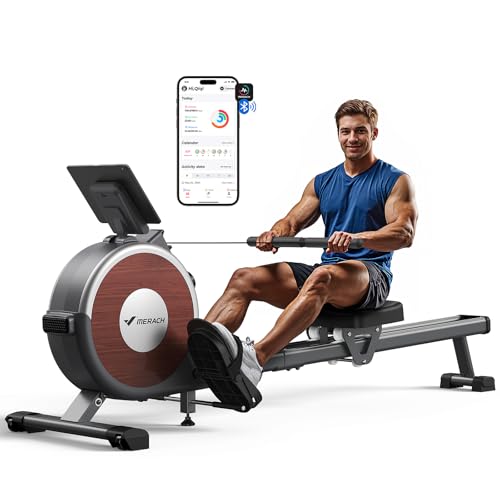
Merach Rowing Machine, Magnetic Rower Machine for Home, 16 Levels of Quiet Resistance, Dual Slide Rail with Max 350lb Weight Capacity, App Compatible with LCD Monitor, Q1S
- App Compatibility: Includes Merach and KINOMAP apps
- Workout Data Tracking: Displays distance, time, calories, and more
- Quiet Magnetic Resistance: Smooth, silent rowing experience
As an affiliate, we earn on qualifying purchases.
As an affiliate, we earn on qualifying purchases.