To build fitness without ruining leg day, focus on integrating low-impact cardio like cycling or swimming that boosts endurance without overtaxing your muscles. Combine mobility drills and dynamic stretching to improve flexibility and prevent injuries. Incorporate plyometric exercises carefully to develop power, but balance them with proper recovery and varied workouts. Structuring your week with both strength and conditioning days helps you progress while staying injury-free—keep exploring for detailed strategies to optimize your training plan.

Get workout gear delivered free with Prime
- Fast, free delivery on millions of items
- Prime Video, Amazon Music and more included
- Member-only deals all year
Key Takeaways
- Incorporate low-impact cardio like cycling or swimming on off-leg days to boost endurance without taxing leg muscles.
- Use dynamic mobility drills before leg workouts to enhance flexibility and reduce injury risk, maintaining training quality.
- Schedule conditioning sessions after leg training or on rest days to prevent fatigue from impairing leg performance.
- Implement plyometric and explosive exercises sparingly to improve power without overloading leg muscles during heavy lifts.
- Balance strength and conditioning with proper periodization, ensuring progress without compromising leg strength and recovery.
stationary bike for low-impact cardio
As an affiliate, we earn on qualifying purchases.
As an affiliate, we earn on qualifying purchases.
Why You Can Build Strong Legs and Good Conditioning Together
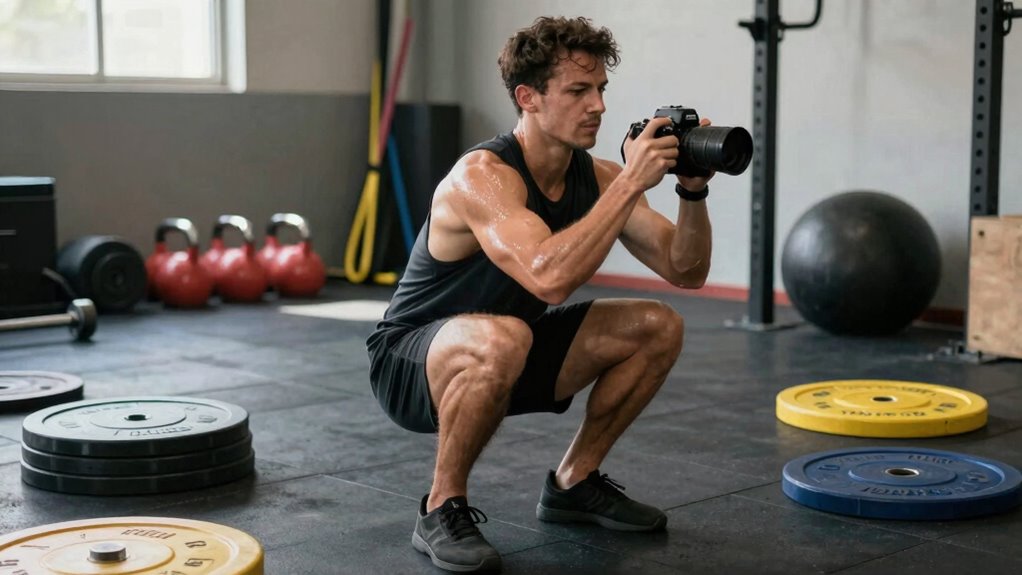
Many believe that building strong legs and improving conditioning require separate training, but in reality, they can be achieved simultaneously. When you focus on certain exercises, you target muscle hypertrophy while also engaging your energy systems, especially the anaerobic and aerobic pathways. Heavy lifts like squats promote muscle growth, but combining them with circuit-style or high-rep work boosts cardiovascular capacity. This approach not only enhances leg strength but also improves your overall endurance without sacrificing muscle gains. By intelligently structuring your workouts, you activate multiple energy systems, which accelerates progress and saves time. Additionally, incorporating training periodization ensures balanced development of both strength and conditioning. Ultimately, you can develop powerful legs and excellent conditioning at the same time, making your training more efficient and effective.
As an affiliate, we earn on qualifying purchases.
Mobility Drills to Keep Your Legs Healthy and Prevent Injuries
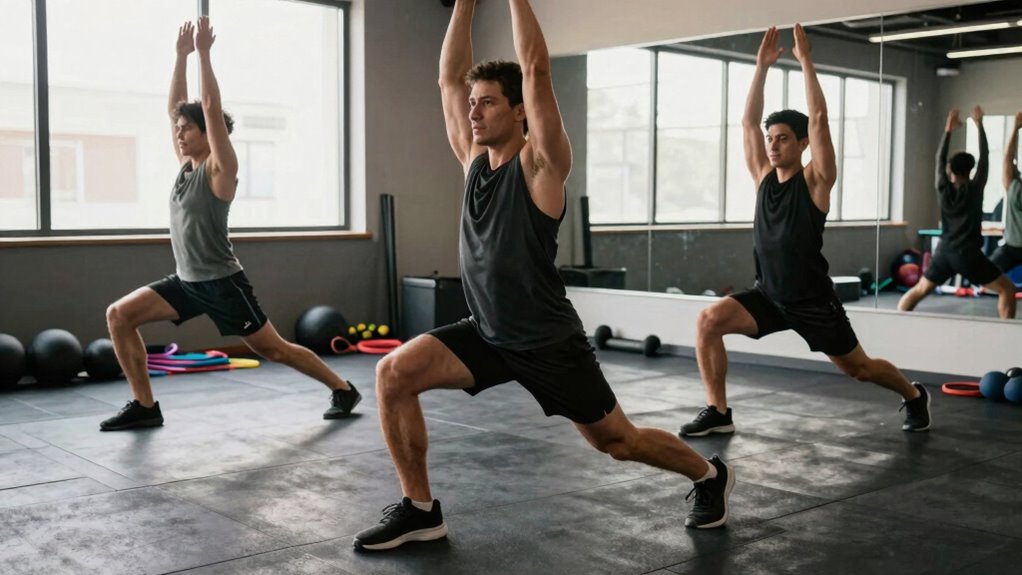
To keep your legs healthy and reduce injury risk, incorporating mobility drills into your routine is essential. Dynamic stretching helps warm up your muscles and improve flexibility before workouts, preparing your legs for heavy lifts. Focus on movements like leg swings, hip circles, and walking lunges to increase range of motion. Foam rolling is equally important; it breaks down muscle knots and releases tension in your quads, hamstrings, and calves. Spend a few minutes rolling each area after training or on rest days to promote blood flow and recovery. Consistent mobility work keeps your joints supple and muscles pliable, decreasing the chances of strains or strains. Incorporate these drills regularly to maintain leg health and support your lifting performance. Additionally, integrating natural pools and outdoor relaxation setups can provide a refreshing environment for recovery days.
As an affiliate, we earn on qualifying purchases.
Low-Impact Cardio Options to Boost Endurance Without Fatigue
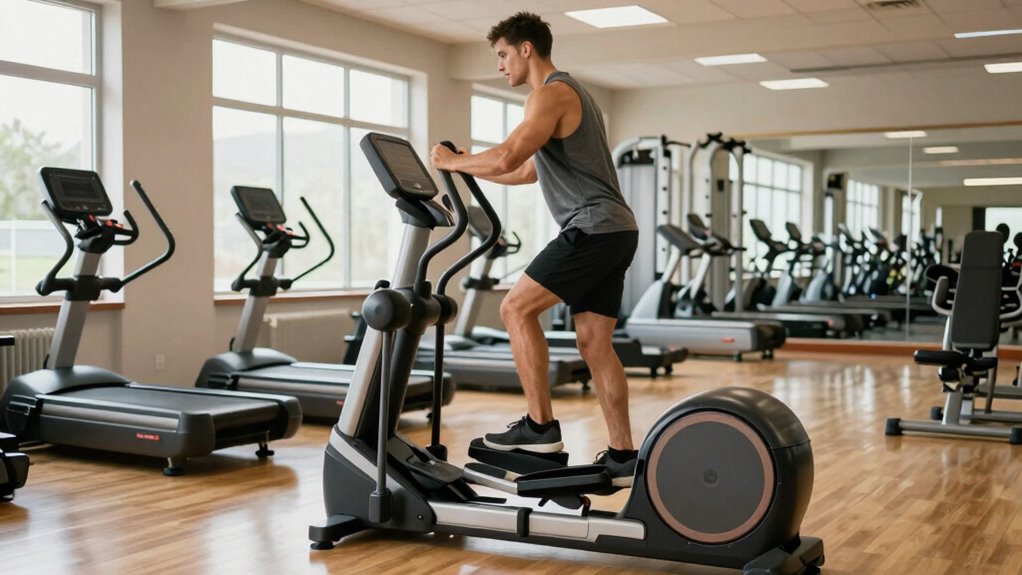
Looking to boost your endurance without overtaxing your body? Low-impact cardio options like cycling and swimming are perfect choices. Cycling endurance builds your aerobic capacity without pounding your joints, making it ideal for recovery days. You can increase resistance gradually to challenge yourself without risking fatigue. Swimming stamina is another excellent option; it engages your entire body while minimizing impact stress. Regular swimming sessions improve cardiovascular health and help you develop a strong, resilient core. Both activities allow you to elevate your heart rate comfortably, supporting overall fitness without interfering with your leg day goals. Incorporating smart controls and proper ventilation can optimize the indoor environment for your workouts, ensuring consistent comfort and performance. Incorporate these low-impact exercises into your routine to enhance endurance, recover faster, and maintain your lifting performance.
dynamic stretching resistance bands
As an affiliate, we earn on qualifying purchases.
As an affiliate, we earn on qualifying purchases.
Conditioning Techniques That Support Your Leg Days and Goals
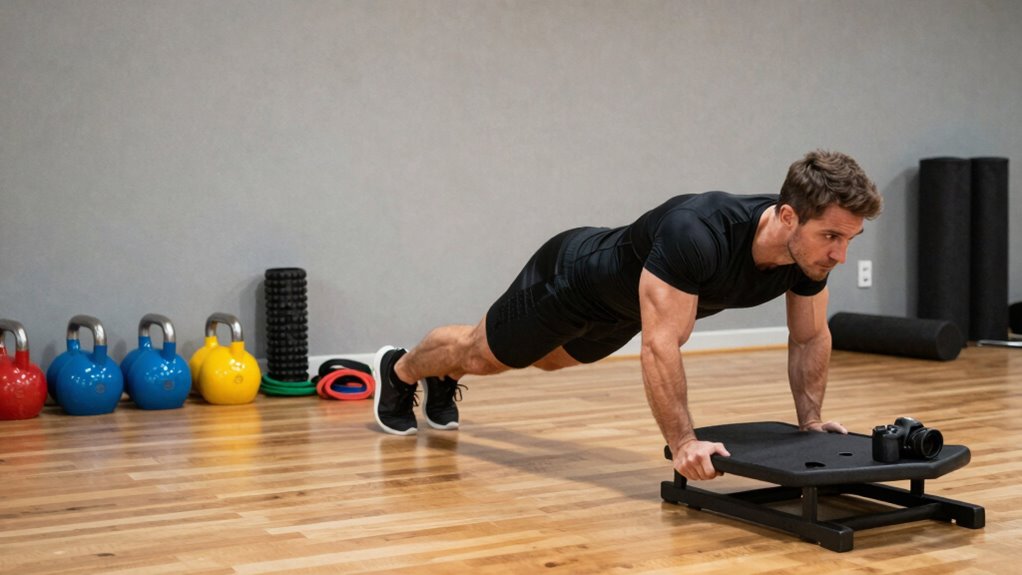
Effective conditioning techniques can markedly enhance your leg day performance by improving strength, endurance, and recovery. Incorporate dynamic stretching before your workout to activate your muscles and increase flexibility, reducing injury risk. Follow this with plyometric drills like box jumps or jump squats to boost power, explosiveness, and muscle recruitment. These exercises train your fast-twitch fibers, translating into improved performance during heavy lifts. Plyometric drills also enhance neuromuscular efficiency, helping you move more effectively under load. Dynamic stretching prepares your muscles for intense activity, while plyometrics develop the explosive strength needed for better squat and deadlift performance. Including body jewelry measurements can help ensure proper fit and comfort during movement, reducing potential irritation. Together, these conditioning techniques support your goals by making your legs more resilient, powerful, and ready to handle the demands of your rigorous training.
How to Structure Your Week for Balanced Strength and Conditioning
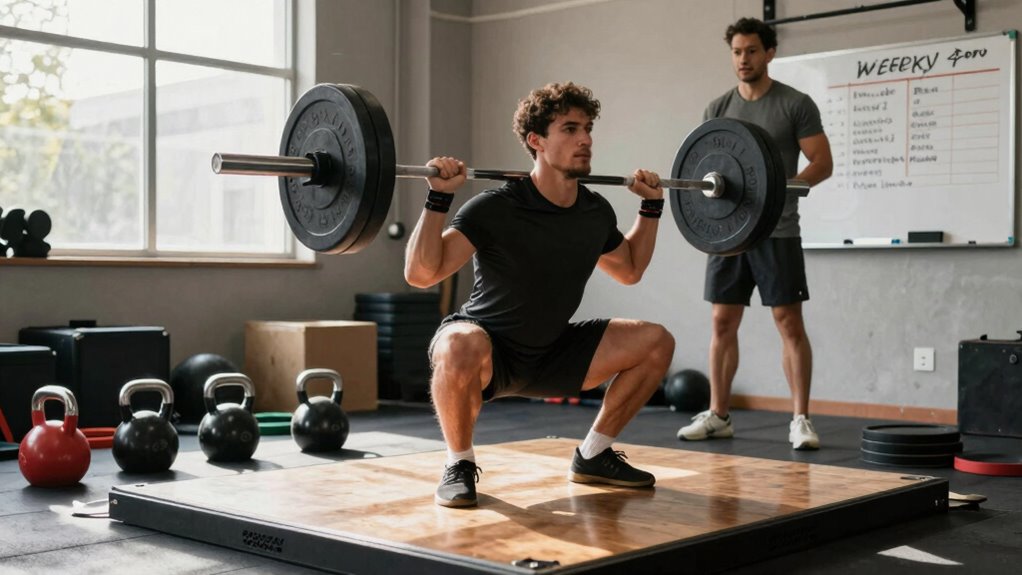
Balancing strength and conditioning requires careful planning to guarantee you develop both power and endurance without overtraining. Start your week with focused sessions—dedicate some days to heavy lifting, ensuring your warm-up routines include dynamic stretches to prime your muscles. On conditioning days, incorporate cardio or interval work to boost endurance without compromising recovery. It’s crucial to schedule rest or active recovery strategies between intense sessions to prevent burnout and promote muscle repair. Vary your workouts to avoid plateaus, and listen to your body’s signals. Proper smart home gear can also help monitor your progress and optimize your training environment. By structuring your week thoughtfully, you can optimize gains while minimizing fatigue. Consistently using proper warm-up routines and recovery strategies will keep you balanced, resilient, and progressing toward your strength and conditioning goals.
Frequently Asked Questions
How Can I Prevent Overtraining While Increasing Conditioning Intensity?
To prevent overtraining while boosting conditioning intensity, incorporate cross-training strategies to vary your workouts, reducing stress on specific muscles. Listen to your body and include rest days to recover. Use mental resilience techniques like visualization and mindfulness to stay focused and avoid pushing too hard. Gradually increase conditioning intensity, balancing effort with recovery, so you build fitness without risking fatigue or injury.
Which Supplements Support Leg Recovery and Overall Conditioning?
You should consider pre-workout supplements like caffeine and beta-alanine to boost energy and endurance before your workouts. For recovery, muscle recovery aids such as branched-chain amino acids (BCAAs), glutamine, and creatine can help reduce soreness and promote muscle repair. These supplements support overall conditioning and leg recovery, allowing you to train more effectively without overtraining. Just remember to stay consistent and listen to your body’s signals.
Are There Specific Stretching Routines for Post-Leg Day Recovery?
Imagine your muscles gently releasing tension like a slow tide retreating after a wave. After leg day, incorporate dynamic stretching to keep blood flowing and prevent stiffness. Follow with foam rolling, targeting tight spots to smooth out knots and boost recovery. This routine helps your legs recover faster, reduces soreness, and prepares you for your next workout, keeping you agile, pain-free, and ready to crush your next session.
How Does Nutrition Influence Conditioning and Leg Strength Gains?
Nutrition strategies and meal timing play essential roles in your conditioning and leg strength gains. Eating protein-rich meals post-workout helps repair muscles, while carbs replenish glycogen stores for better performance. Timing your meals around training sessions guarantees energy availability and recovery. Staying consistent with balanced nutrition fuels your workouts, accelerates strength development, and minimizes fatigue, so you can maximize every leg day without setbacks.
What Are Signs of Burnout or Injury From Improper Conditioning?
You might think pushing through muscle fatigue and ignoring joint pain shows dedication, but it’s actually a warning sign of burnout or injury. If you notice persistent soreness, sharp pains, or joint discomfort, it’s time to back off. Continuing to ignore these signs can lead to serious setbacks. Listen to your body—rest, recover, and adjust your conditioning routine before it turns into a longer-term problem.
Conclusion
By weaving these strategies into your routine, you’re crafting a symphony of strength and endurance—each note building on the last without drowning out your leg day. Think of your fitness journey as tending a garden; with care and balance, your legs will flourish, strong and resilient, ready to conquer any challenge. Keep this rhythm, and your progress will be a masterpiece, blending power and stamina into a harmonious, unstoppable force.
Halloween Picks
halloween
As an affiliate, we earn on qualifying purchases.